


As someone who skis over 20 times a year and has tackled snowboarding at altitudes above 2,000 meters, I’ve tested nearly 10 different action cameras over the years. I use them to record my skiing so I can analyze and fine-tune the details of my movements through video playback.
If you’re planning to buy your first action camera for skiing, or looking to upgrade your old one for the new ski season, this review will help you select the ski action camera that best fits your needs from a practical skiing perspective.
目前滑雪運動相機主要還是看 DJI、Insta360 與 GoPro。想拍帥氣的第三人稱全景,還是更在意第一人稱畫面的穩定性?不同拍法,適合的相機也不一樣。這篇會從雪場實際使用的角度,帶你看懂選購重點:
- 滑雪相機該怎麼選?
- Insta360、DJI、GoPro 三大品牌完整比較
- 2026 雪季首推機型逐一解析
如何選擇滑雪運動相機? 6 大核心標準
Every ski season, someone always asks me: “Which action camera should I buy for skiing?”
大多數的評測都會告訴你:要選防手震好的、畫質高的。但作為一個每年滑雪 20 次、實測過多款機型的資深玩家,我想說:那些都是基本功,不是決定你「能不能拍到好影片」的關鍵。 對於真正衝在雪坡上的玩家(尤其是中高級愛好者)來說,選擇滑雪相機必須明確以下幾個點:
雪場運動相機 · 六大評選標準
滑行場景下,這六點決定你拍不拍得到、器材撐不撐得住。
360° 全景優先
滑行時無須分心構圖,先拍再取景,不漏掉任何一個轉彎瞬間。
重量 < 200g
槓桿原理放大末端重量,輕一克都值得,長時間佩戴不痠手。
IP68 防水防塵
雪水、濕氣、霧氣全天候防護,摔進雪堆也不怕。
4K 以上畫質
晴天雪場光線充足,4K 畫質已綽綽有餘,細節銳利不過度吃存儲。
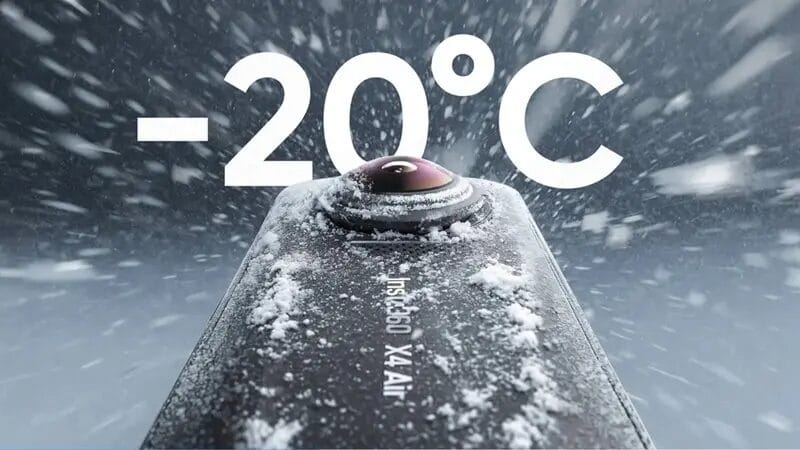
-20°C 低溫電池
高海拔山坡氣溫驟降,耐寒電池是命脈,避免拍到一半沒電。
Replaceable lens cap
滑行碰撞在所難免,鏡頭可換才能原地復活,不必整機報銷。
全景相機 vs 廣角相機:哪個更適合滑雪?
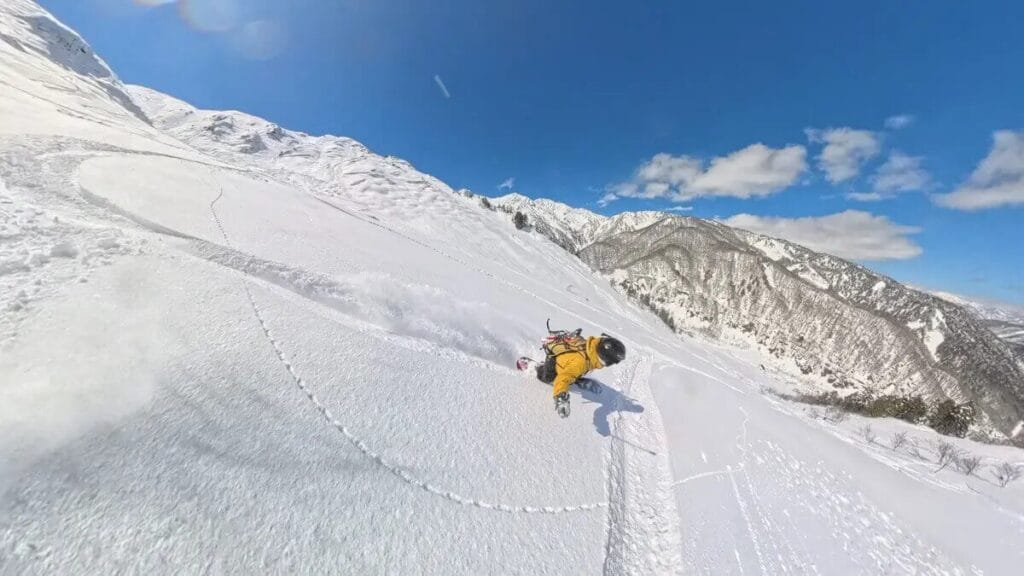
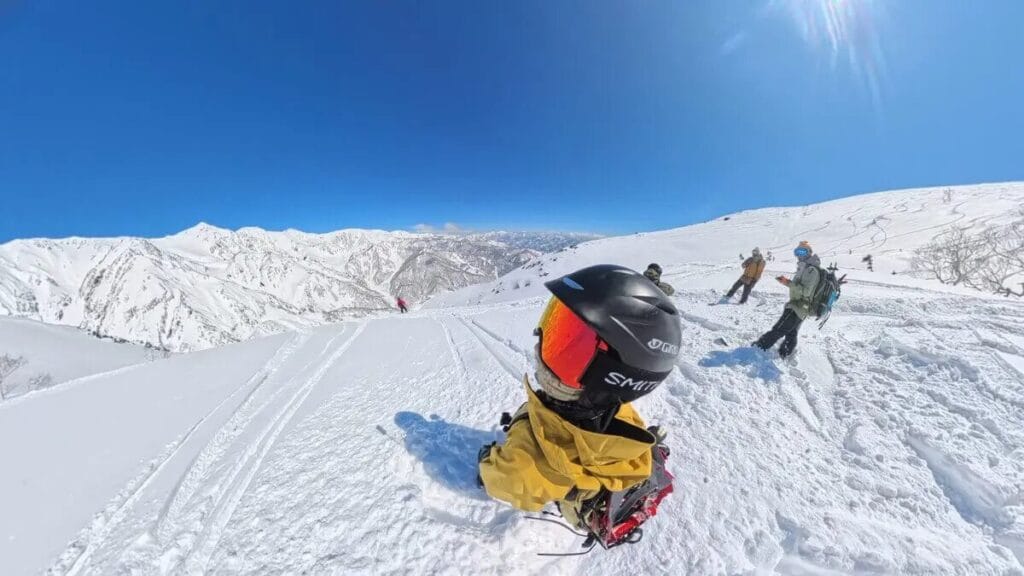
為什麼我強烈推薦 360° 全景相機拍滑雪?問題核心:在雪坡上,你的注意力應該在腳下,而不是鏡頭。使用傳統廣角運動相機自拍時,你必須把拍攝對象時刻維持在 120°–157° 視角內,稍有偏差就會缺手缺腳。只有360° 全景相機才能解決問題。
Mainstream 360° panoramic action cameras
三大廠牌當家 360 機種一次看,點名稱直達官方頁面。

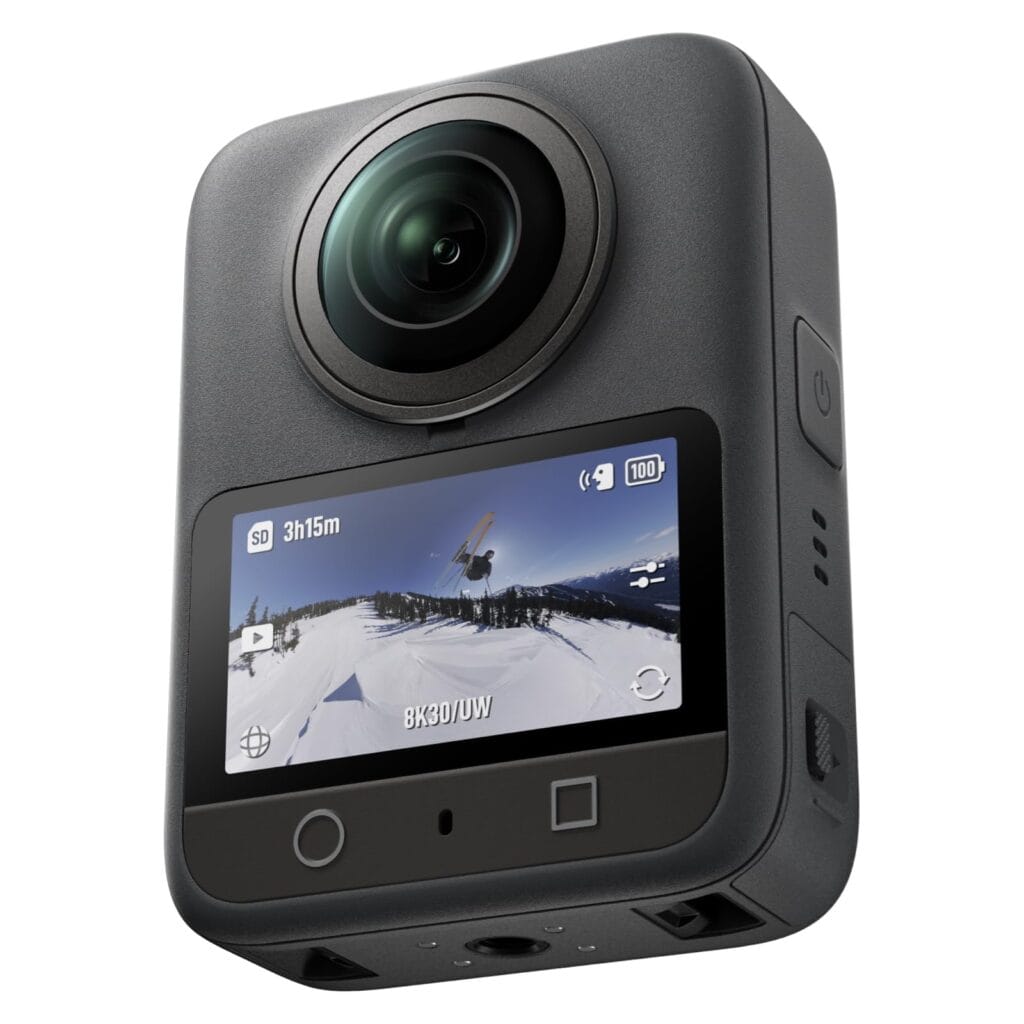
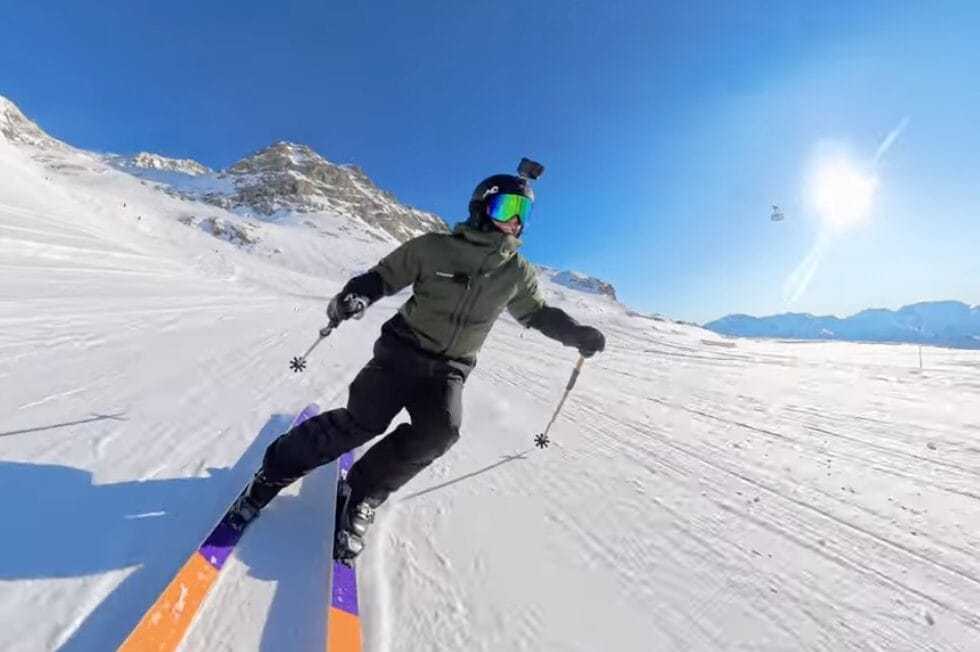
By using a 360° panoramic camera, you only need to point the selfie stick roughly to the side to capture your shot. The full 360° view ensures that the subject is never “cut off.” Some models even use algorithms to automatically hide the selfie stick, making it look as if a drone is following you.A 360° all-around view ensures that the subject will never be "cut off".It can even use algorithms to automatically hide the selfie stick, making the selfie look like a drone is following you.
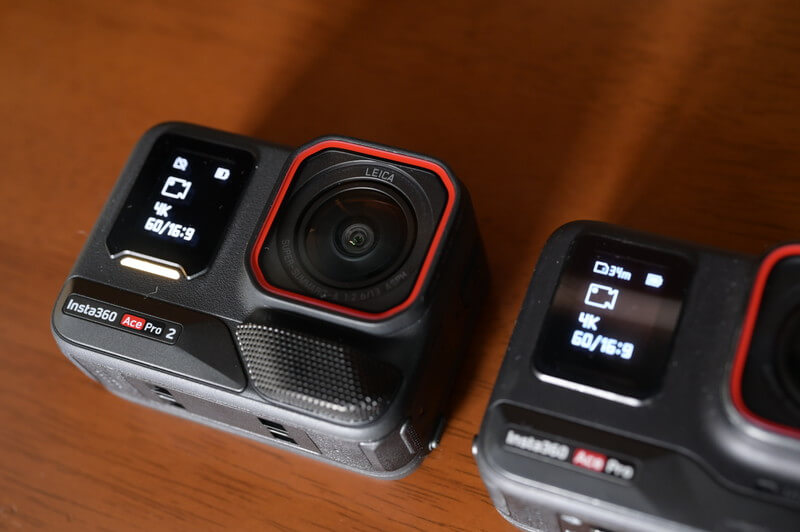
Let’s compare this to a traditional action camera, such as the Insta360 Ace Pro 2. Even with top-of-the-line image stabilization and an ultra-wide field of view, you still have to constantly pay attention to framing. If your positioning is even slightly off, parts of your movements may be missed or incomplete.
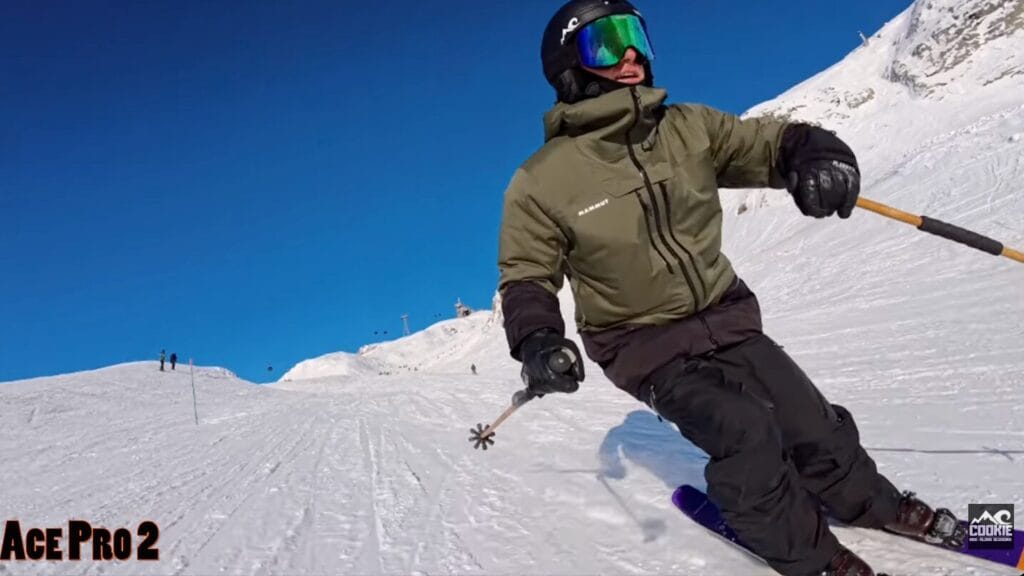
相機重量
與其他運動場景不同,「滑雪」相機的選購邏輯裡,「重量」的優先級甚至高於畫質。為什麼?因為滑雪拍片的核心是將相機固定在自拍棒末端。在日常Vlog錄製時,200 克的重量在手上幾乎無感;但在高速滑行中,末端重量會因為槓桿原理被放大。你的手臂不僅要對抗風阻,還要維持拍攝穩定,這時相機哪怕只輕了 10 公克,都能顯著降低肌肉疲勞。滑雪場景下手持運動相機是最費力的。
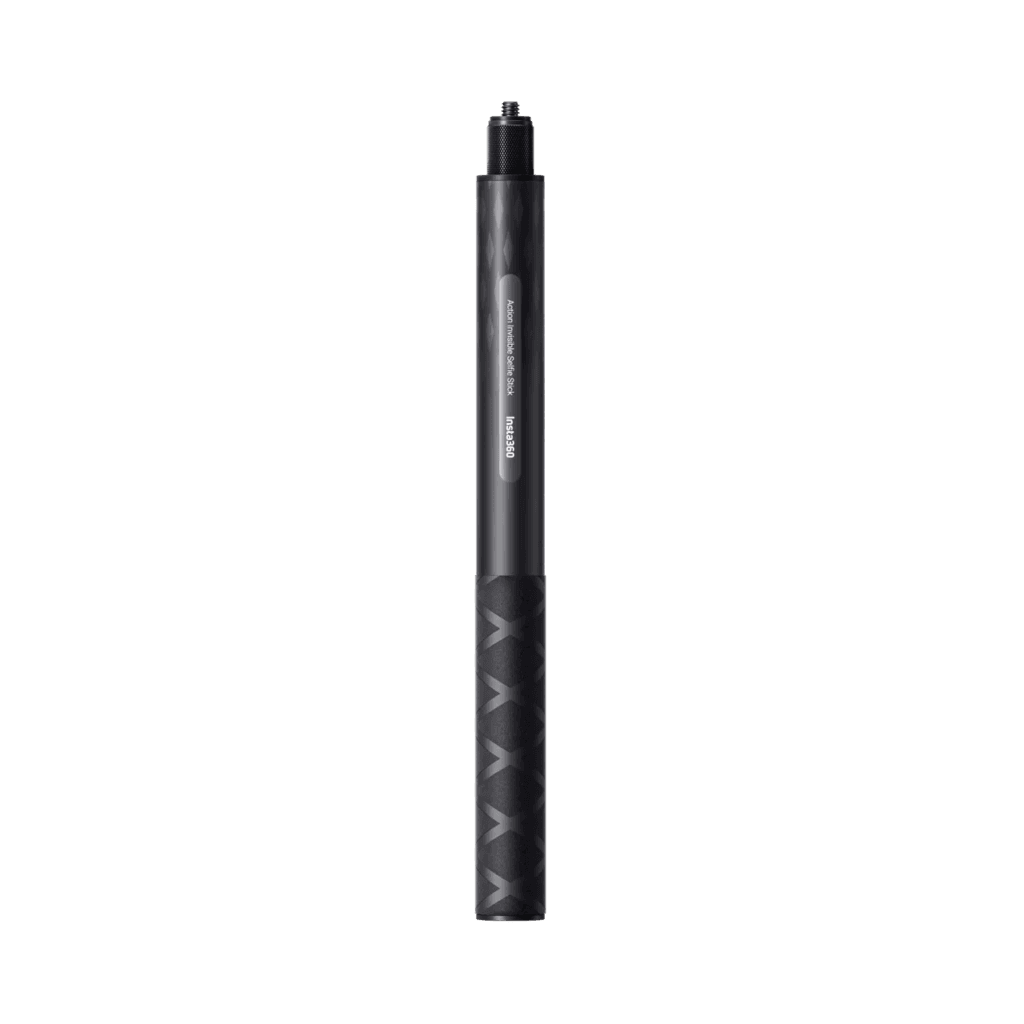
Regarding selfie sticks, here are the key takeaways I've summarized based on years of testing:The most recommended choice is the 85cm invisible selfie stick.。因為它收納後極短,能輕鬆揣進雪服口袋或側袋,完全不佔空間。在滑行時,這種短棒帶來的槓桿力矩小,控制起來最得心應手,是「無負擔拍片」的首選。
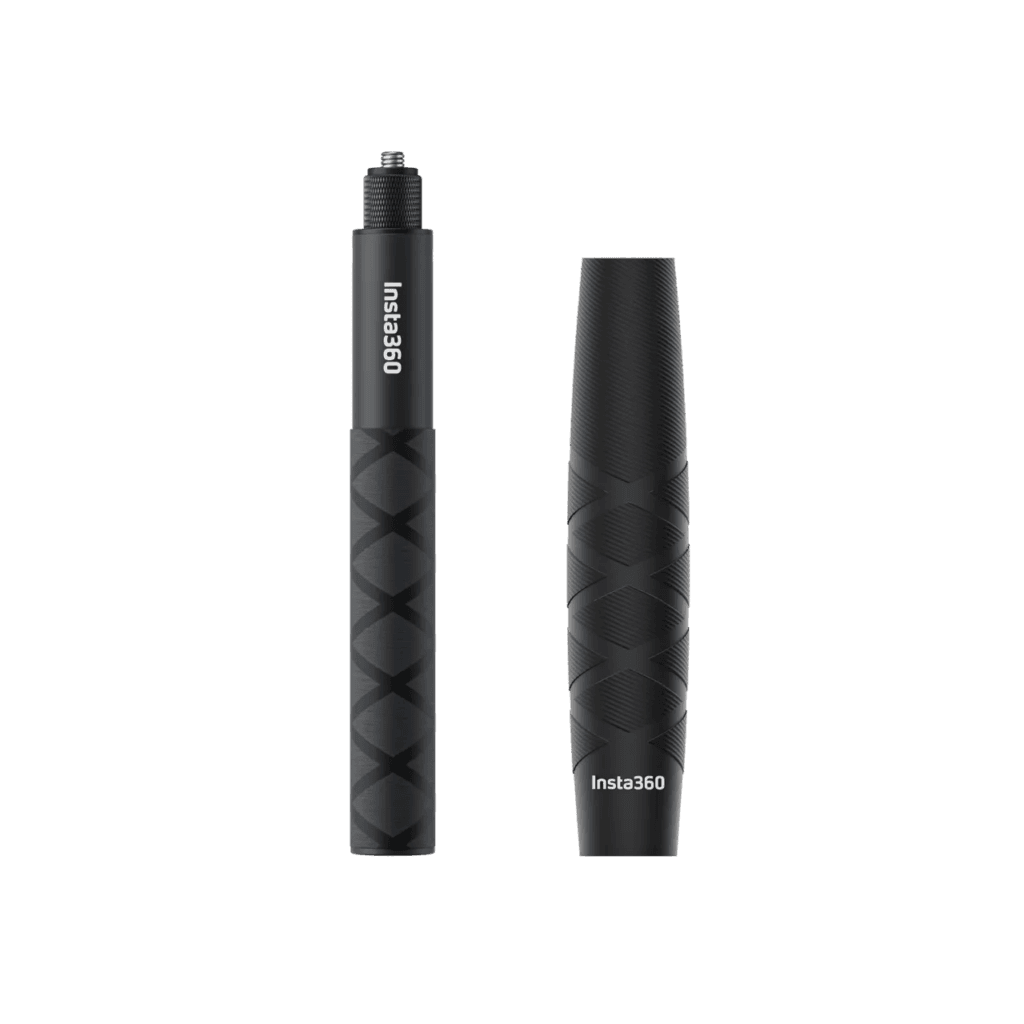
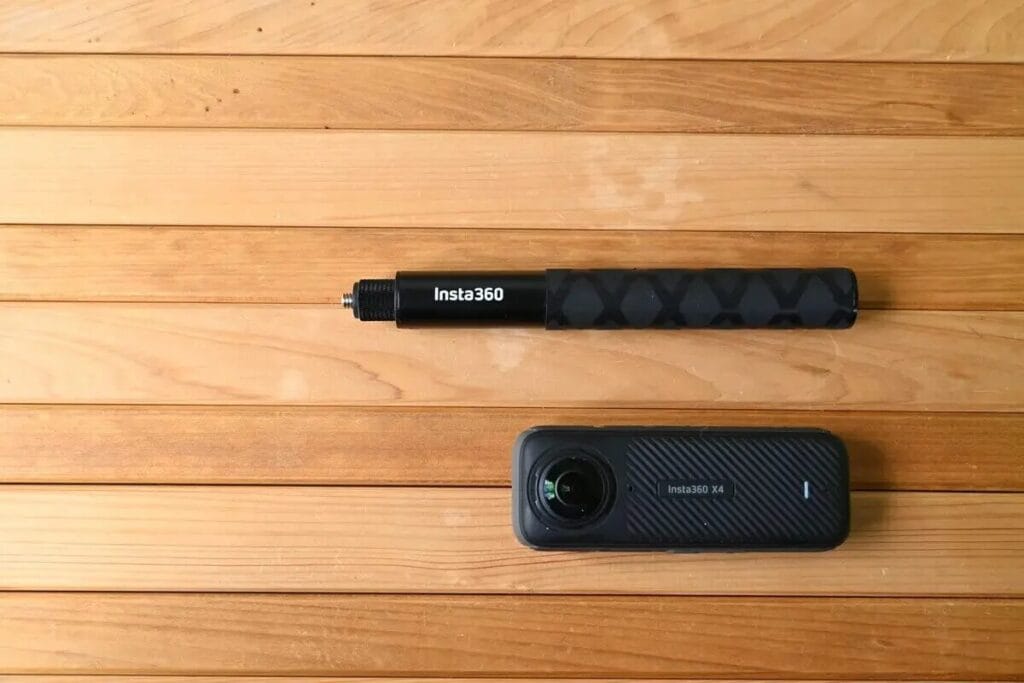
選擇 114cm 自拍棒的好處在於能提供更廣闊、更像「第三方視角」的畫面,並有效減少人體頭部與腳部的透視畸變,讓風景更壯闊。但缺點也很明顯:收納後太長,很多雪包斜著插都放不下。如果你問我最實用的配置,我反而會建議:盡量選最輕的相機,搭配收納後最短的自拍棒。
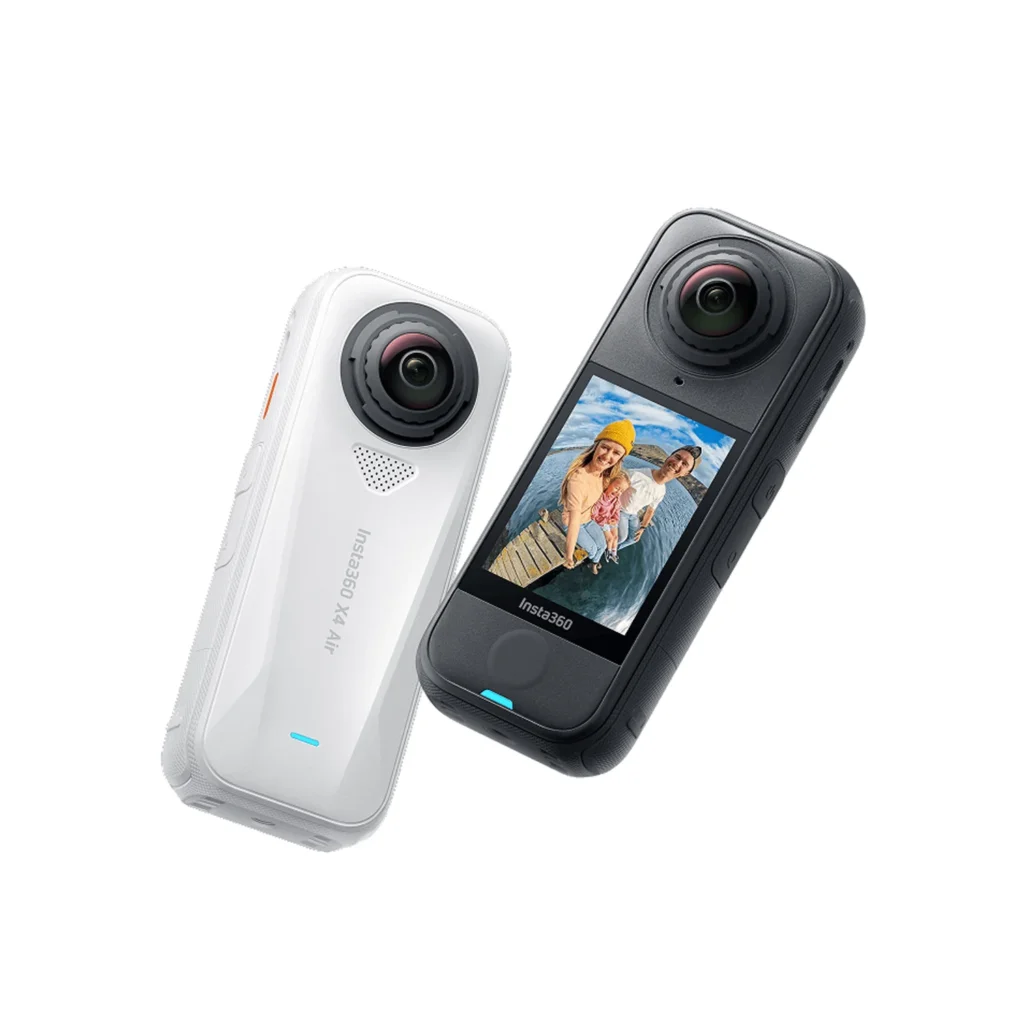
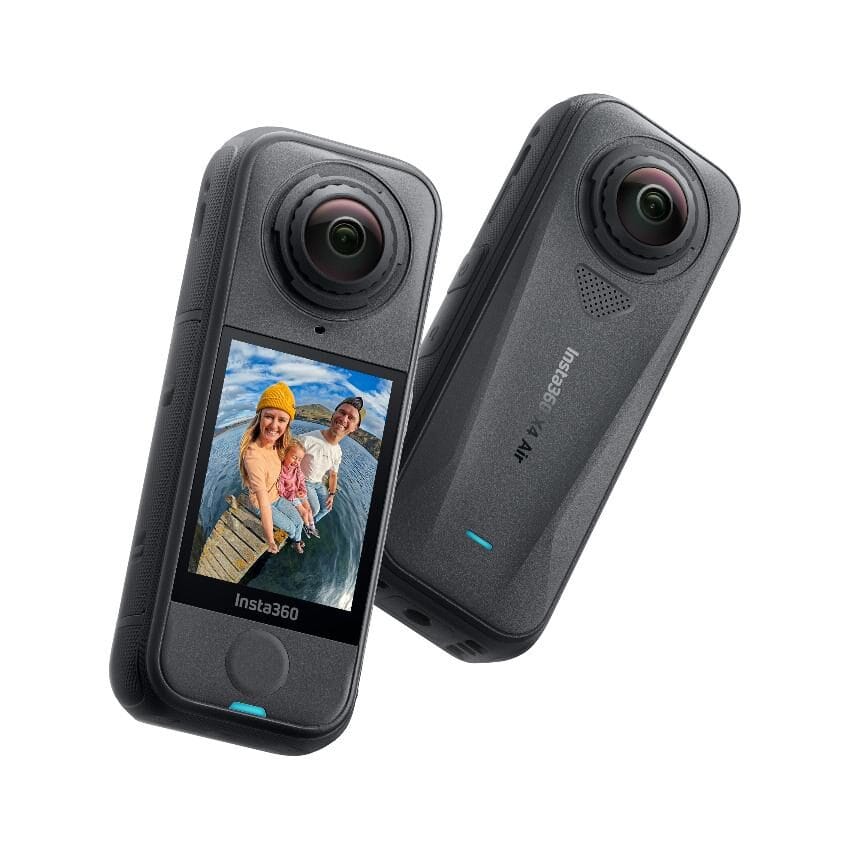
我個人在一般旅遊會帶 114cm ,滑雪時我首選 85cm 以內的短棒。因為在雪場上,能讓你願意「隨手拿出來拍」的裝備,才是真正的好裝備。如果你追求極致的輕盈與性價比,目前市面上能完美兼顧這兩點又支援 85 cm自拍棒的,唯有 Insta360 X4 AirThe
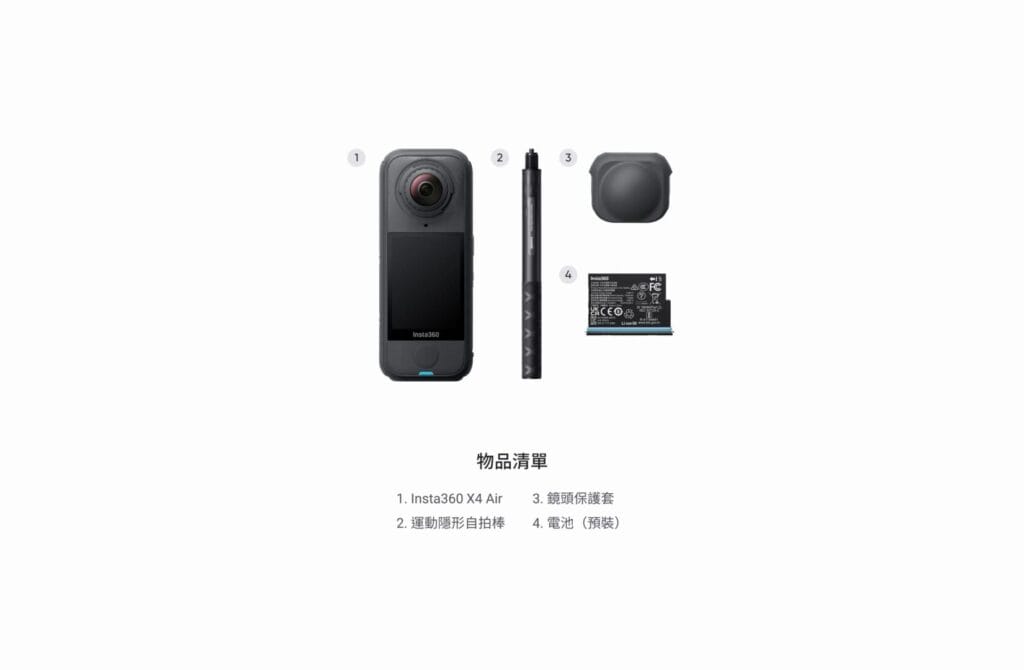
Insta360 X4 Air
輕量級 8K 全景相機,165g 超輕機身、8K/30fps 全景畫質、FlowState 超級增穩、AI 智能創作與 15 米裸機防水,旅行 Vlog、戶外運動、日常記錄一機全包,輕鬆記錄 360° 完整世界。
Good Image Quality on Sunny Days
如果你主要的拍攝場景是滑雪或單板滑雪,聽我一句建議:真的不需要花大錢去追求最頂尖、全配置的高端旗艦機。這聽起來可能有些反直覺,但原因其實很簡單:The natural light at the ski resort is the best filter; every shot will have beautiful tones.
滑雪影像的色調非常單純,大多由純白色的積雪與藍白色的天空組成。相比於色彩複雜的森林、光影斑駁的室內,或是極端考驗動態範圍的日出日落與夜景,雪地環境對相機傳感器的壓力反而較小。對於滑雪者來說,比起盲目追新、追求極限畫質,選擇一台重量更輕、抗寒更強、操作更直覺的「滑雪專用相機」,反而是更聰明又省錢的選擇。
Cold-resistant batteries
Currently, there are three main action camera manufacturers that have established a reputation for "skiing" and "cold resistance": Insta360, DJI, and GoPro.
- Insta360 & DJI: Flagship models (such as the X5, X4 Air, and Action series) can withstand extremely low temperatures of -20°C, making them the first choice for skiing scenarios.
- GoPro's performance is somewhat lacking. Even with the Enduro low-temperature battery, the official rating only allows it to withstand temperatures down to -10°C . If you plan to visit the high-altitude slopes of Hokkaido, you must be extra careful about battery drain when using a GoPro.
Based on the specifications, I've summarized three key specifications to consider when choosing a ski action camera:
- Low-temperature battery life: In an environment of -20°C, continuous recording must be maintained for more than 60 minutes .
- Protection level: It must have at least IP68 protection to ensure that melted snow does not seep into the fuselage.
- Anti-shake technology: Electronic image stabilization (EIS) level of 3.0 or higher is required to counteract the severe vibrations during high-speed gliding.
如果參考這 3個規格, 目前只有 Insta360 & DJI 的運動相機能做到全部達標
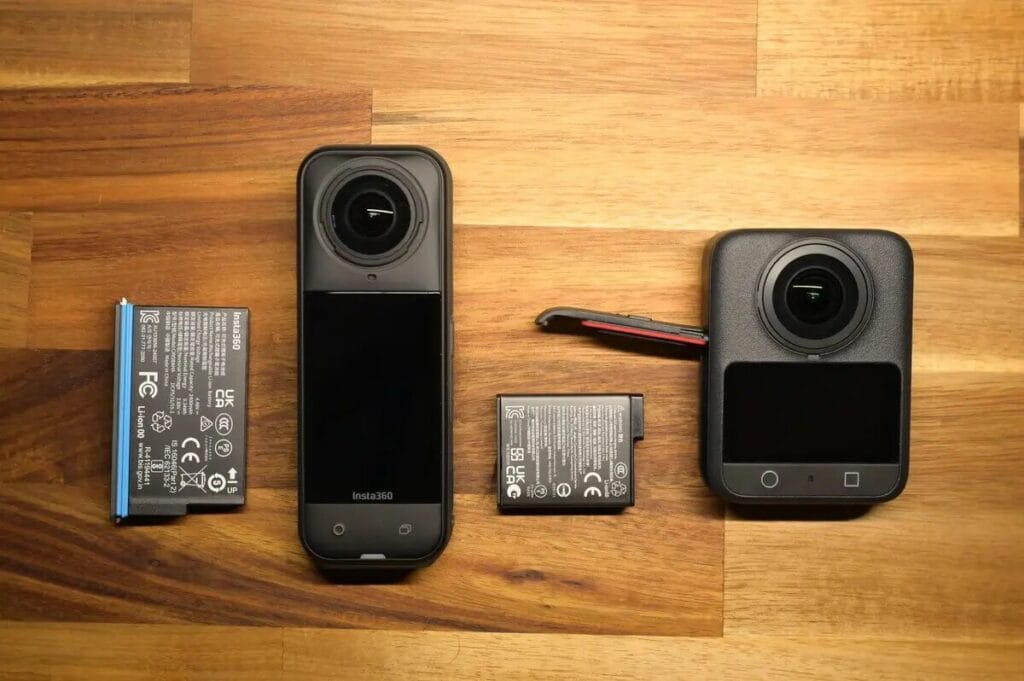
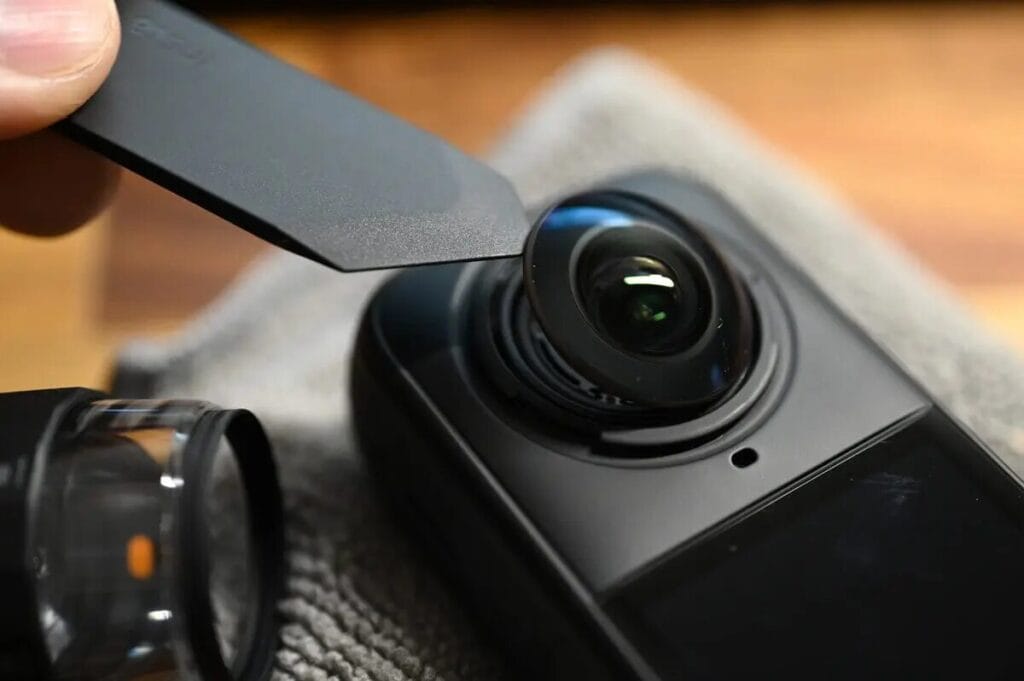
Lens hood and lens replacement
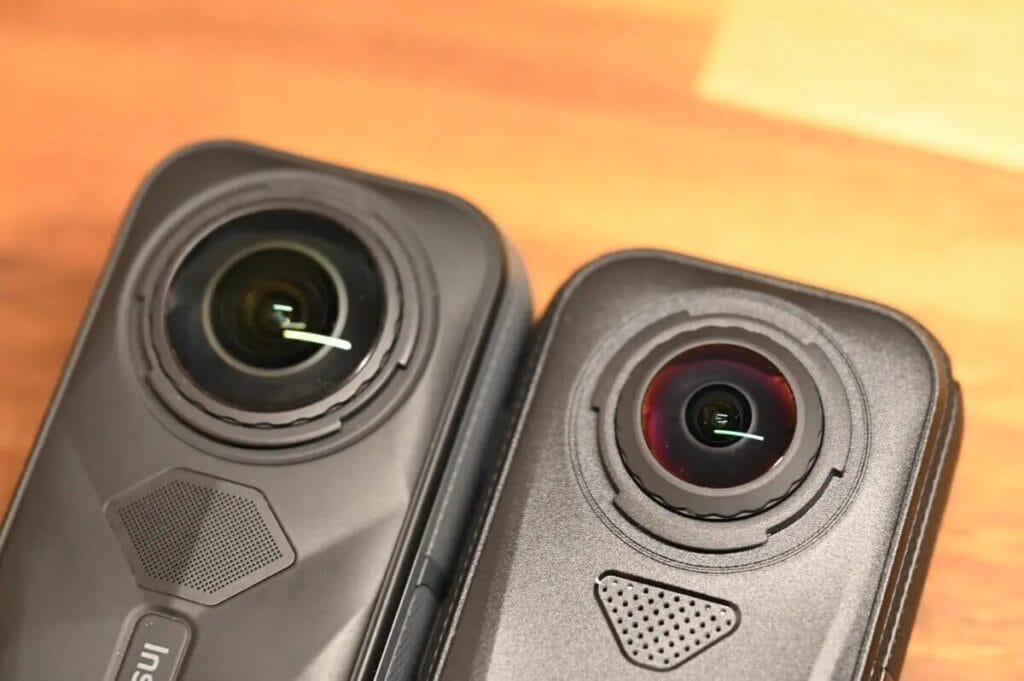
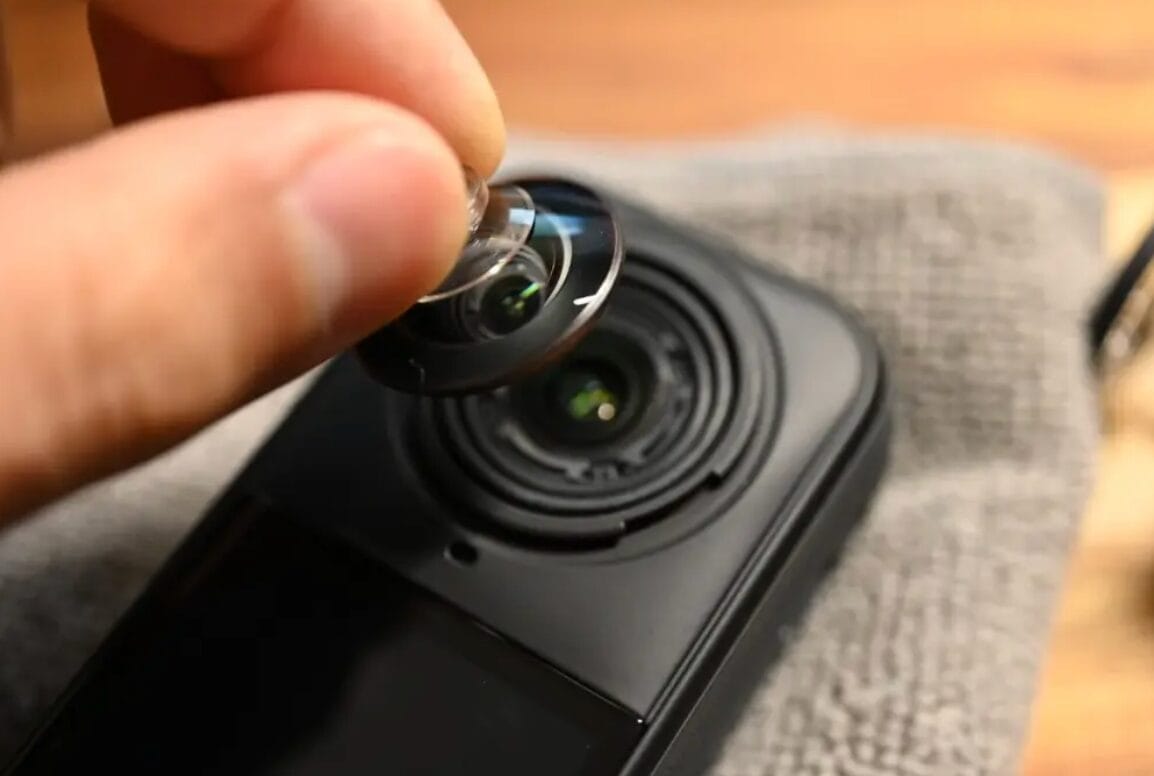
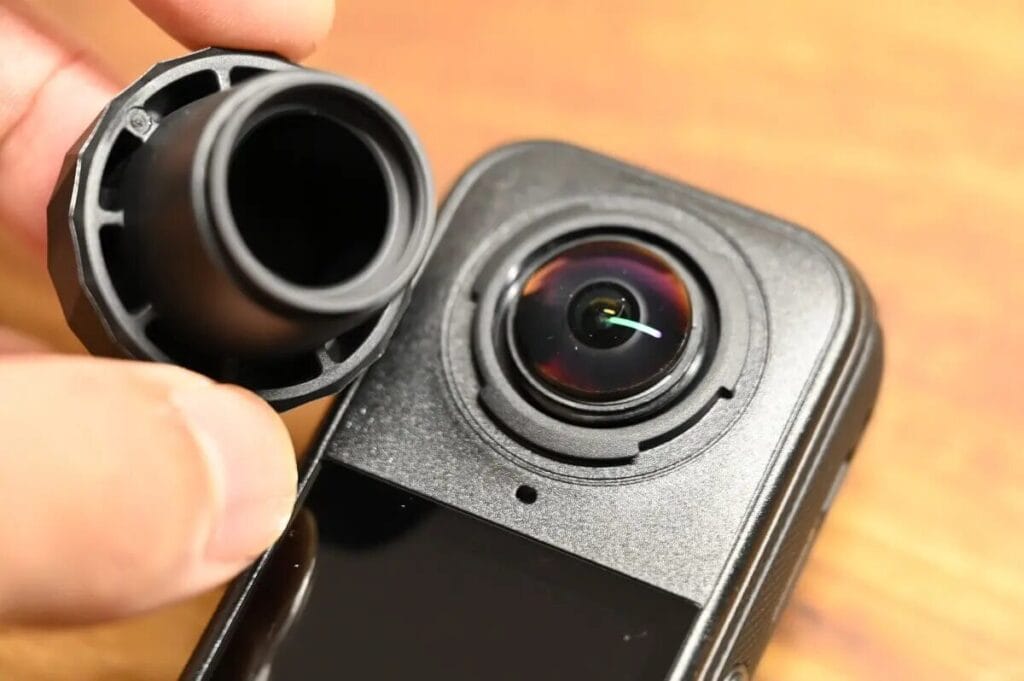
When gliding at high speeds or navigating park obstacles, it's common for cameras to fall or for lenses to rub against snow or ice. If you've chosen a camera model with a non-maintainable lens, even a small accident could render the entire lens unusable.
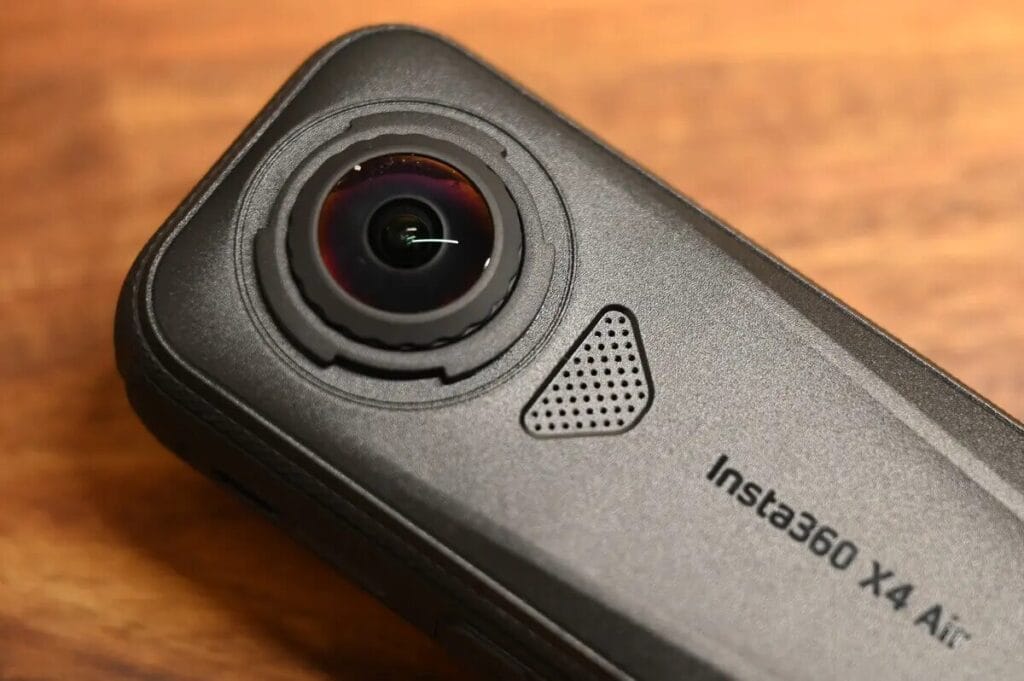
Designs like the Insta360 X4 Air come with an easy-to-remove lens protector. If the lens is accidentally scratched (which is almost unavoidable during intense shooting, and I've suffered from it myself), you can simply replace the protector in a few minutes and bring the camera back to life, instead of having to send it for repair after the shoot.
Video Postproduction
除了硬體性能,滑雪相機的勝負往往取決於「軟體生態」。Insta360 早就洞察到全景影片檔案大、導片慢、剪輯累的痛點。
他們投入大量精力發展 AI 智能剪輯與雲端算力,甚至推出雲端存儲服務,核心邏輯就是利用雲端處理,幫你從半小時的原始素材中,精準篩選出最精華的 30 秒片段。對於普通用戶來說,這才是最理想的狀態:錄完影,App 就能一鍵生成片。
Compared to GoPro and DJI, the Insta360 app offers the best user experience.
Which action camera would you recommend for skiing?
The most recommended is the Insta360 X4 Air.
To put it simply, if you ask me which ski camera I would recommend most for the 2026 ski season, my answer is without a doubt: Insta360 X4 Air.
Why is the X4 Air the "standard answer" for ski action cameras?
滑雪時需要兼顧平衡與路線,根本沒空管構圖。
像 X4 Air 這樣360度全景相機的優點在於對比普通的廣角運動相機有2顆鏡頭能夠輕鬆實現:先拍攝,後取景。 目前市面上的全景相機的選擇並不多,GoPro Max 逐漸淡出競爭行列後,Insta360 X 系列 和 DJI Osmo 360 系列憑藉強大的算法,幾乎壟斷了滑雪全景相機這個賽道。
如果想買全景相機來記錄滑雪,目前市面上的3大選擇是 Insta360 X4 Air、X5 與 DJI Osmo 360。這三台運動相機中,我的首推是 Insta360 X4 AirThe
我首推 Insta360 X4 Air 的四大理由
Reason 1: A true "foolproof mode": AI automatically tracks and takes beautiful photos.
X4 Air 搭載升級版處理晶片與算法,支援 8K HDR 錄影,即使在光線強烈反射的雪坡逆光環境下,仍能精準還原天空顏色與雪地細節。一鍵「深度追蹤(Deep Track)」,自動鎖定主體生成精華片段,完全不需要後製剪輯技巧。
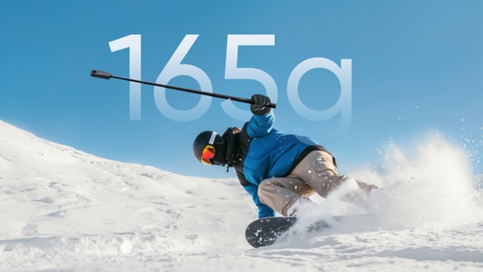
Reason 2:Extremely lightweight: weighs the same as the iPhone 17 Air
X4 Air 重量僅 165g,手感驚人的輕盈。架在 85cm 隱形自拍棒末端,受槓桿原理影響極小,滑完整天雙手幾乎不疲勞。
看似只差幾十克,但在高速滑行數小時後,你的手臂會告訴你差異有多大。
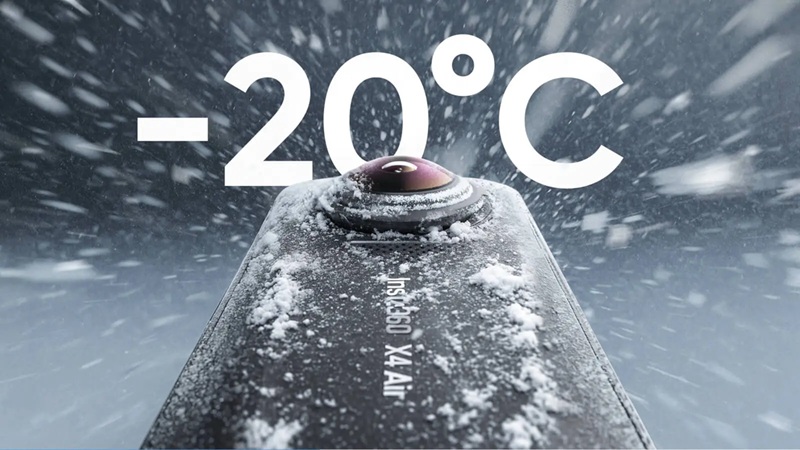
Reason 3:Cold-resistant batteries
-20°C Low Temperature Battery Life: Equipped with a cold-resistant battery, it will not experience a sudden drop in power or forced shutdown even in severe winter.
Reason 4:Replaceable lens cap
鏡頭磨損是每個滑雪相機用戶的噩夢。X4 Air 採用可拆裝鏡頭設計,一旦鏡頭刮傷,幾分鐘內自行更換,無需返廠維修,大幅降低長期使用成本。
Honest reminder: While the X4 Air performs exceptionally well, it also has two major flaws.
- 夜滑畫質普通(低光表現有限)
- Slow motion limitation: Slow motion recording at speeds exceeding 3x is not supported. However, for most skiers, 50fps (2x slow motion) is sufficient to capture stylish skiing movements.
雖然 Insta360 X4 Air 在 2025 年 10 月 28 日才上市,Insta360 官方還沒針對雪季展開大規模的行銷活動,這也導致 X4 Air 針對「滑雪實測」的深度評測相對稀缺。這點雖然讓許多觀望中的用戶感到猶豫,但在我眼裡,這反而是它的魅力所在——它是一台還未被大眾發掘的雪場神器。
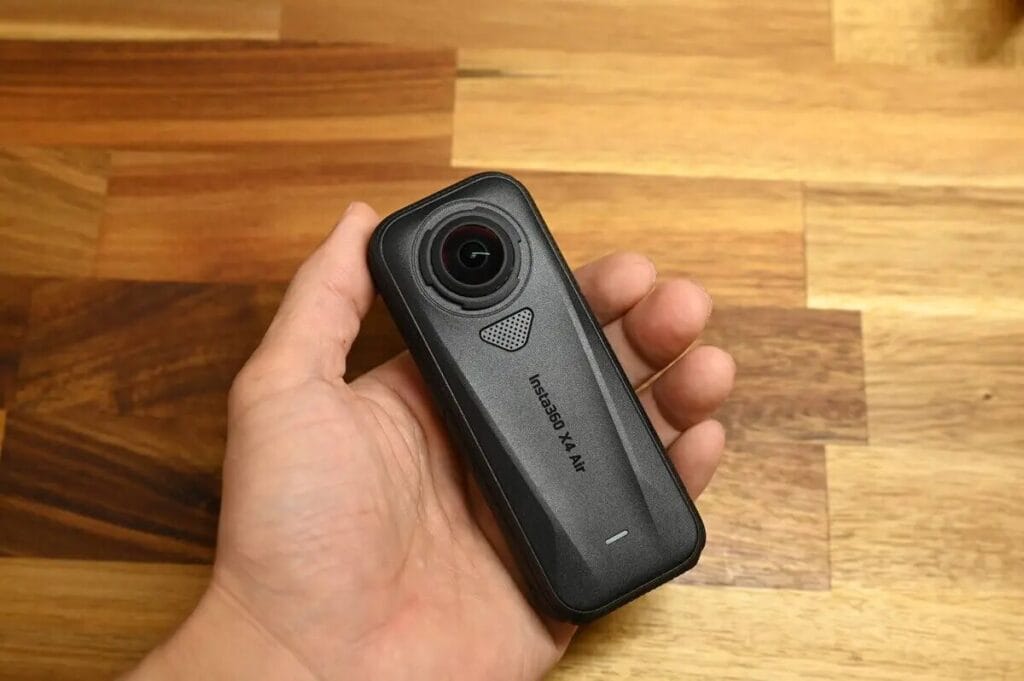
X4 Air 精準地切中了滑雪者的核心需求:輕巧、高性價比、畫質卓越且用途廣泛。 雖然受限於感光元件尺寸,這款相機不適合夜滑攝影,但只要是在白天的雪場,它的表現完全不輸旗艦機型。
During gliding, every gram of the camera's weight is amplified by the lever principle. "Lightness" is a crucial factor to consider. Let's look at this set of decisive data:
- The X4 Air is 33 grams lighter than the Insta360 X5.(165g vs 198g)
- The X4 Air is 23 grams lighter than the DJI Osmo 360.
A difference of just a few tens of grams can directly determine the soreness in your arms after a day of skiing, as well as the stability of your camera mounted on a selfie stick. Unless you have professional night photography needs, the ultra-lightweight, stable, and low-maintenance X4 Air is the smartest investment you can make this ski season. The last camera this lightweight was the Insta360 ONE X2, released in 2025—once the most popular panoramic camera in the skiing community.
| X4 Air | X5 | Osmo 360 | X4 | X3 | ONE X2 | |
|---|---|---|---|---|---|---|
| Weights | 165g | 198g | 183g | 203g | 180g | 149g |
After many years, we finally have a powerful yet lightweight camera again. I have a feeling that this season the X4 Air will take the baton from the legend and redefine the gold standard for ski photography.
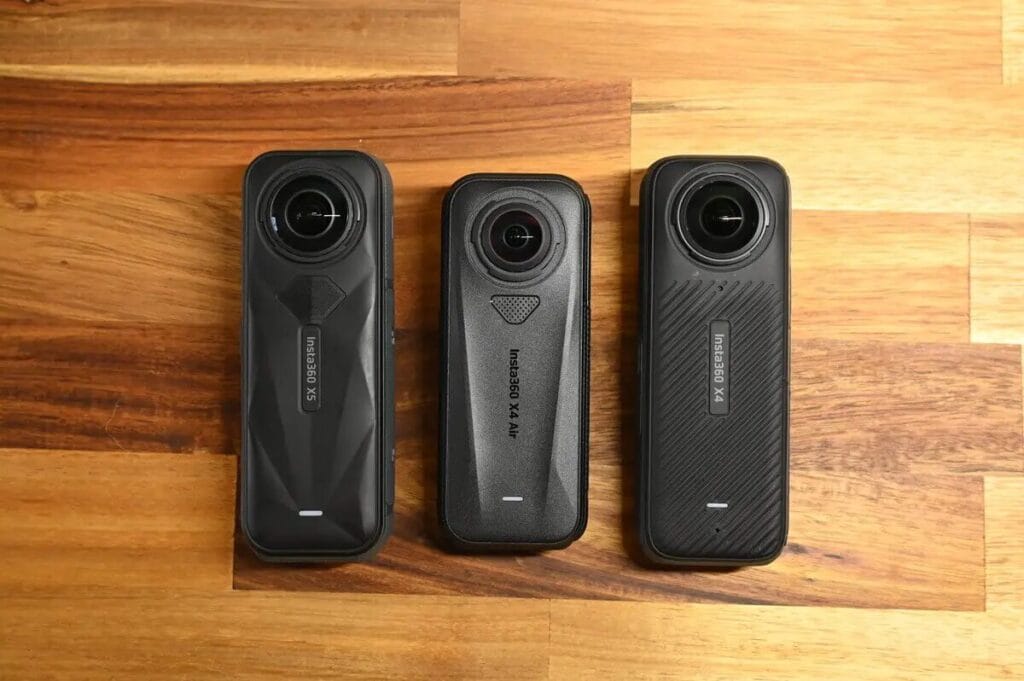
就白天的動態成像而言,X4 Air 的表現與旗艦機 X5 幾乎難分伯仲。在光線充足的雪場,它能提供極其細膩的畫質,即便是在滑雪之外的日常旅遊使用,也絕對能讓人滿意。我自己已經用 X4 Air 去過戶外很多次。
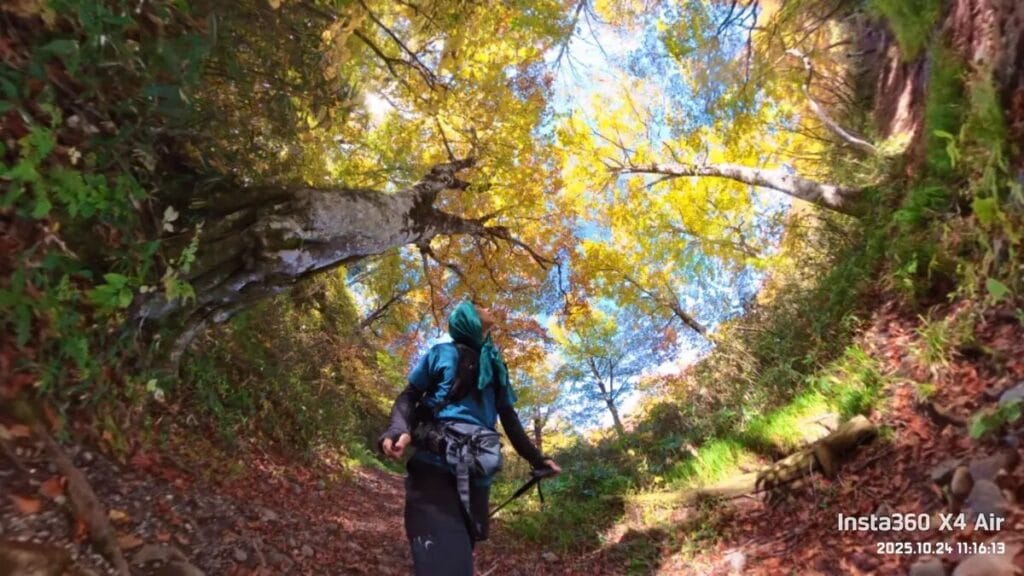
Insta360 X4 Air
輕量級 8K 全景相機,165g 超輕機身、8K/30fps 全景畫質、FlowState 超級增穩、AI 智能創作與 15 米裸機防水,旅行 Vlog、戶外運動、日常記錄一機全包,輕鬆記錄 360° 完整世界。
However, if you're like a professional athlete and need to demonstrate multi-rotation spins or extremely subtle freestyle techniques on large jumps, the X4 Air's 2x slow motion might not be enough to capture the effect you want.The需要 120fps (4 倍慢動作) 的極限慢速拍片,DJI Osmo 360 或Insta360 X5 才是進階選擇。
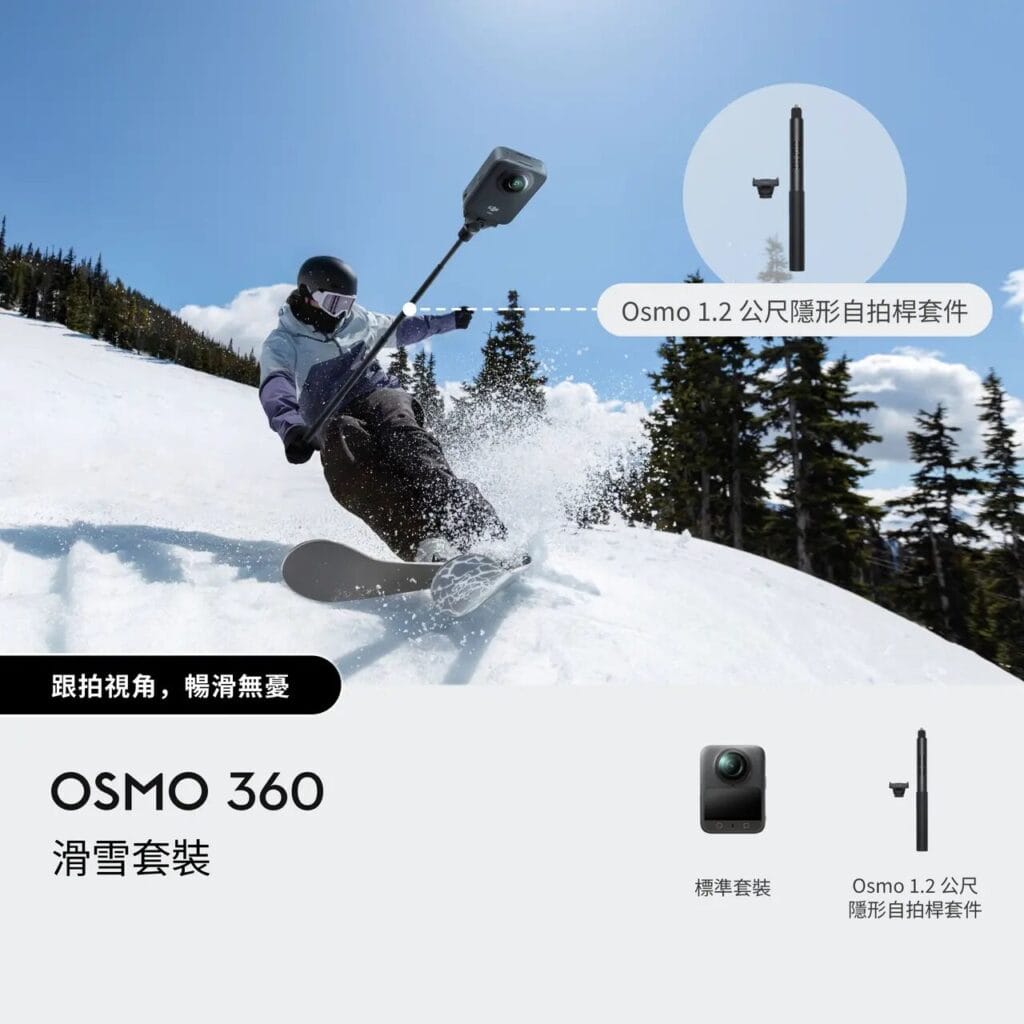
DJI Osmo 360 —— 夜滑 & 技術流首選
While I highly recommend the Insta360 X4 Air, if your ski photography needs lean more towards "hardcore technical demonstrations" or "nighttime atmosphere," DJI Osmo 360 It's a better choice.
Especially if you feel that 2x slow motion isn't enough, or if you frequently participate in "night gliding," the DJI Osmo 360's advantages become apparent: its low-light shooting mode performs better than the X4 Air. Although its specifications are somewhat inferior to the Insta360 X5, honestly, in nightlife, what we pursue is "clear and beautiful images," not necessarily the top-of-the-line specifications.
Among models with superior low-light performance compared to the X4 Air, only the DJI Osmo 360 is 15 grams lighter than the X5. In skiing scenarios where weight is paramount, this slight difference makes me rank it second. Additionally, the Osmo 360 has a thoughtful feature:Built-in 105GB of storage spaceIt can support 1 hour of 6K high-definition recordingEven if you forget to insert the card, there's no need to worry.
Imagine how devastating it would be to discover you forgot your SD card when you're about to start filming in the freezing cold of a snowy field.
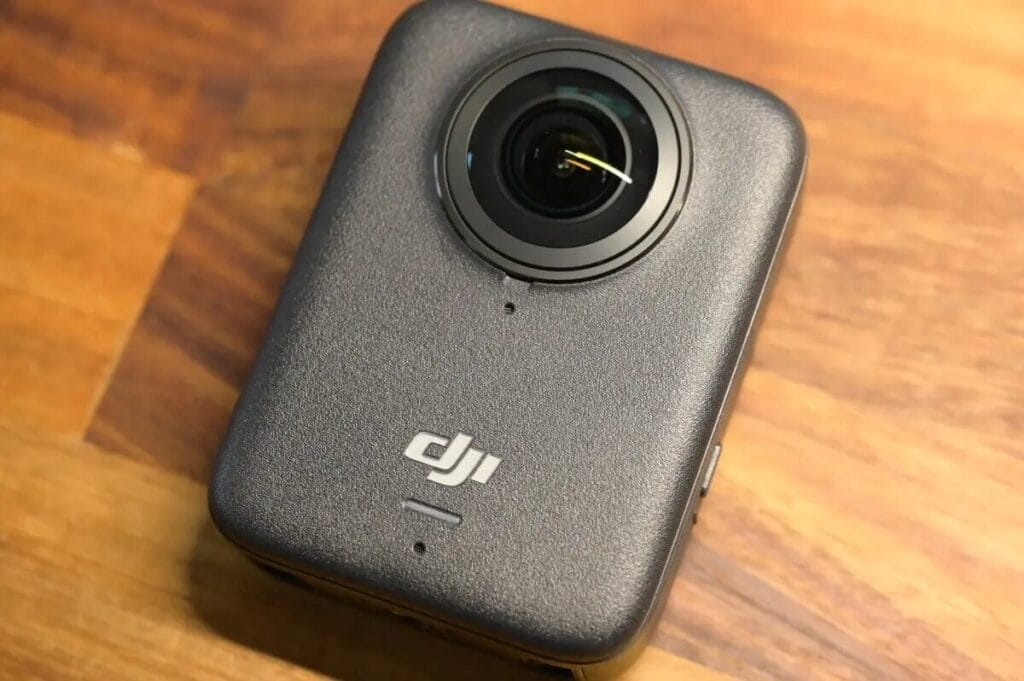
Despite the DJI Osmo 360's impressive performance, one design flaw remains a mystery to me:It doesn't even support replacing the lens cap.The
In the field of panoramic cameras, Insta360's X4 Air and X5 have long achieved "lens interchangeability." I once had an experience where the lens accidentally scraped against the ground while filming on a ski slope. Even a tiny bump would instantly leave a small dent on the camera lens, and in the panoramic stitched image, the dent would cause a large area of image quality to be degraded due to refraction, making the final video unusable for post-production and essentially a waste.
固定鏡頭的缺點是,一次碰撞造成損壞,就可能得整台送修。我希望 DJI 下一代全景相機也能像 Insta360 一樣,讓使用者自行更換鏡片,換上新的鏡片套組就能繼續拍。
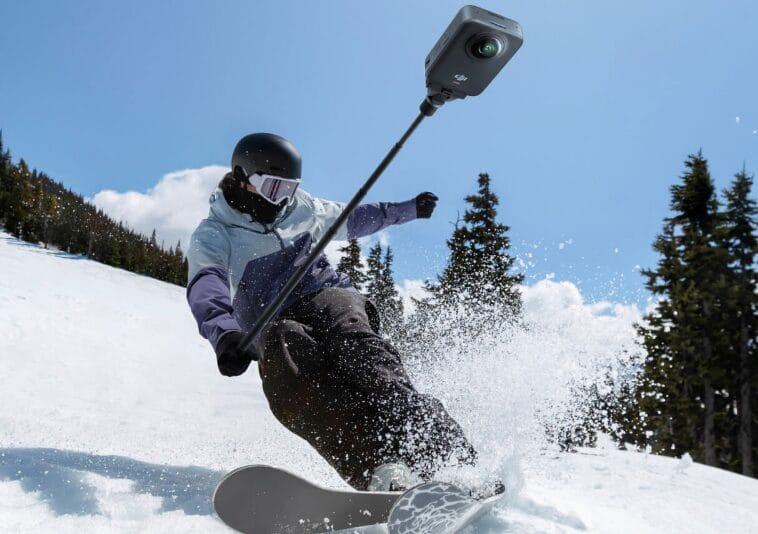
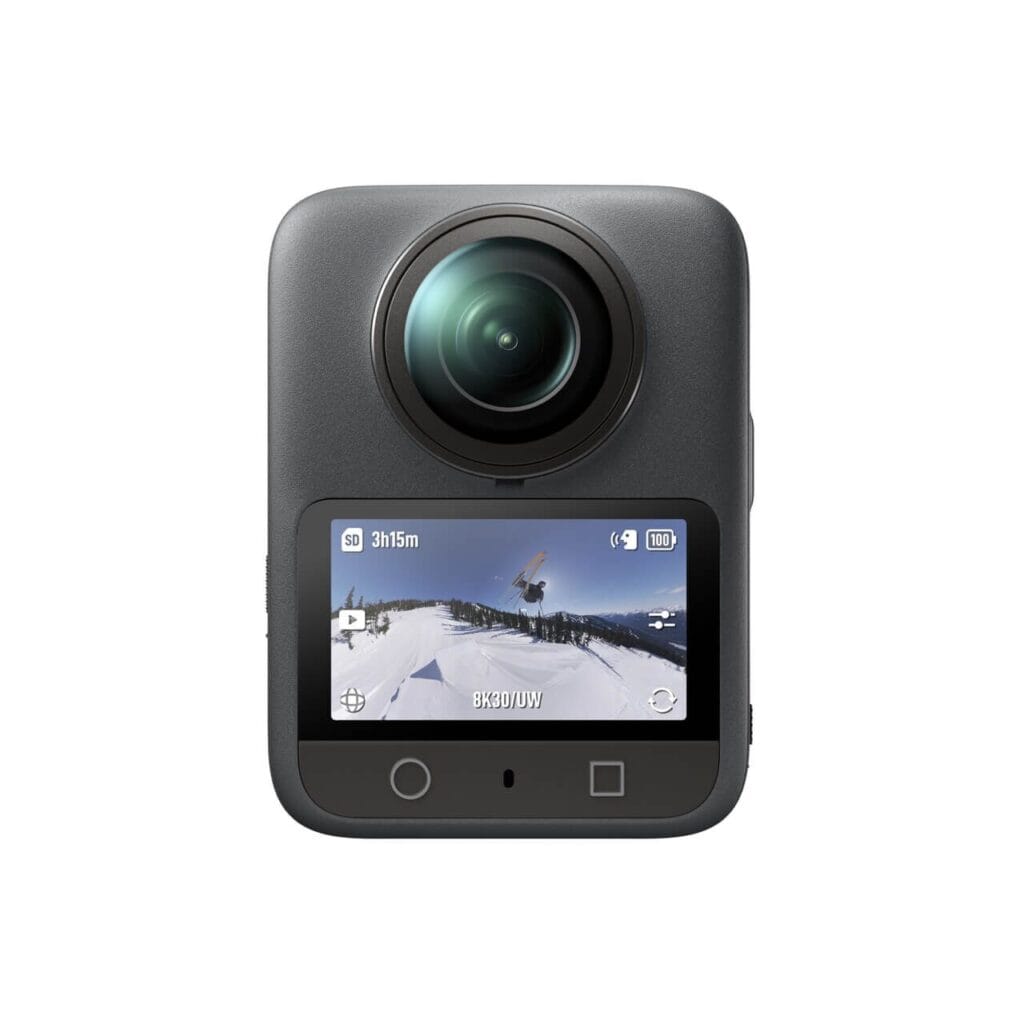
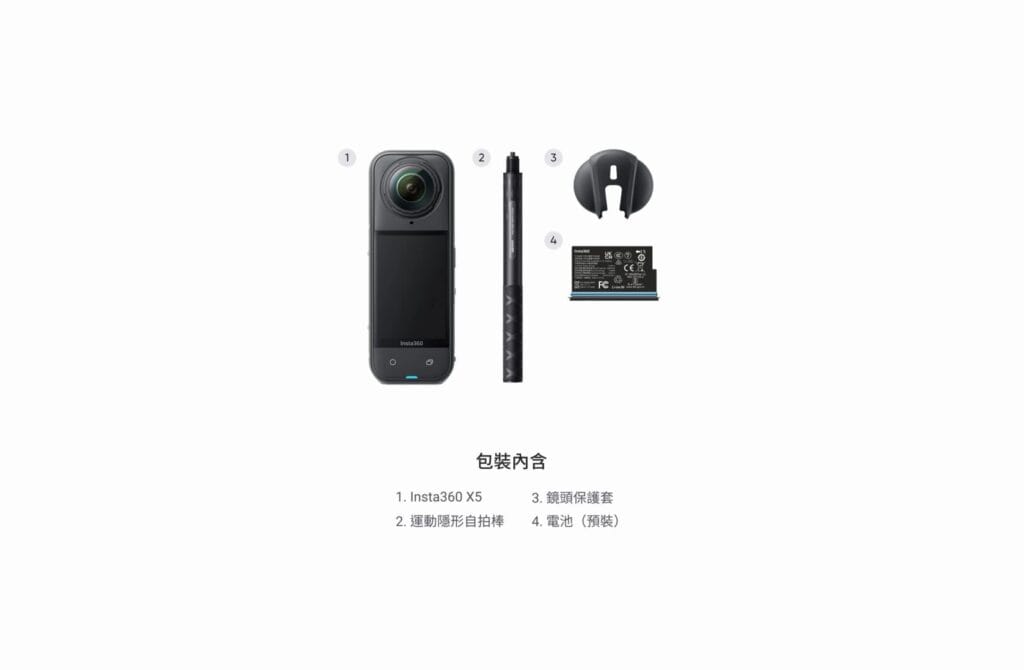
Insta360 X5 —— 不妥協畫質的選擇
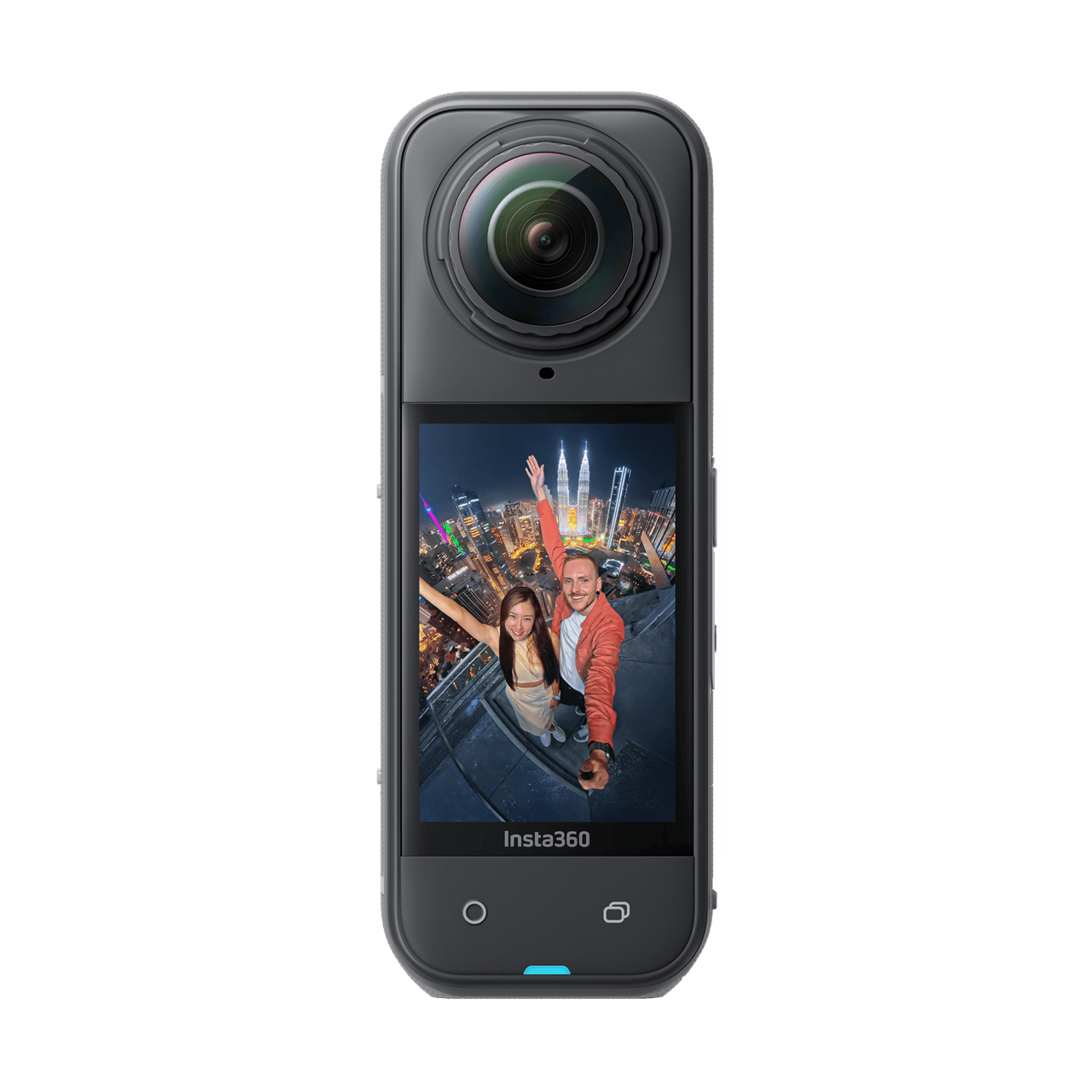
If you're looking for the ultimate image quality that's flawless regardless of lighting conditions, then the Insta360 X5 is the most recommended choice.
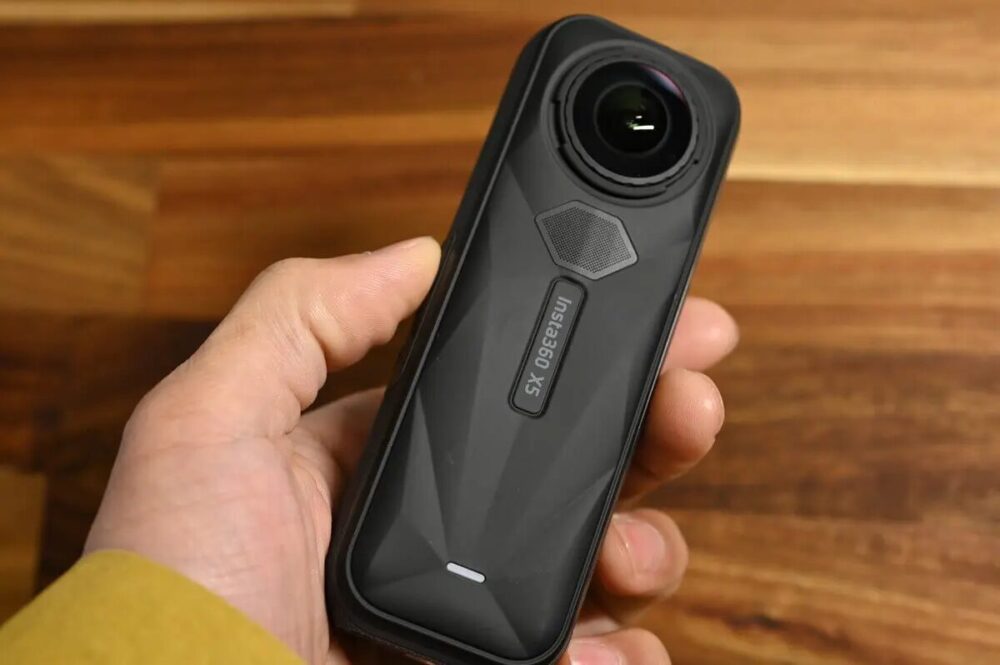
Insta360 X5 equipped with AI Tri-Core Imaging SystemThis allows it to achieve an even higher level of image quality compared to the X4 Air. Even on backlit ski slopes with strong light reflections, the X5 can accurately reproduce details and avoids producing blown-out images.
Unlike the X4 Air, the X5 supports up to 4K 120fps Filming. This means you can achieve... 4x slow motion The X5 offers smooth playback. For hardcore gamers who want to capture details of aerial grabs and spins on the Big Air, its high specifications are indispensable. Furthermore, like the X4 Air, the X5 supports self-replacement lenses, allowing for quick and easy repair even if the lens is worn during aggressive recording, eliminating the need for factory returns.
360 全景相機雖然方便,但畫質是有上限的。 當你將 360° 的全景影片裁切、放大成主流的 16:9 影片時,即便原始素材是 8K,在相同視角下,畫質依然無法與 Osmo Action 6 或 Ace Pro 2 這類原生廣角相機相比。全景相機拍的滑雪影片中,會存在一些細節的流失(例如雪花的噴濺、雪板的質感),這是目前 360 全景相機普遍存在的技術瓶頸。

Next, we will introduce two wide-angle action cameras suitable for skiing.
DJI Osmo Action 6 —— 最強滑雪廣角相機
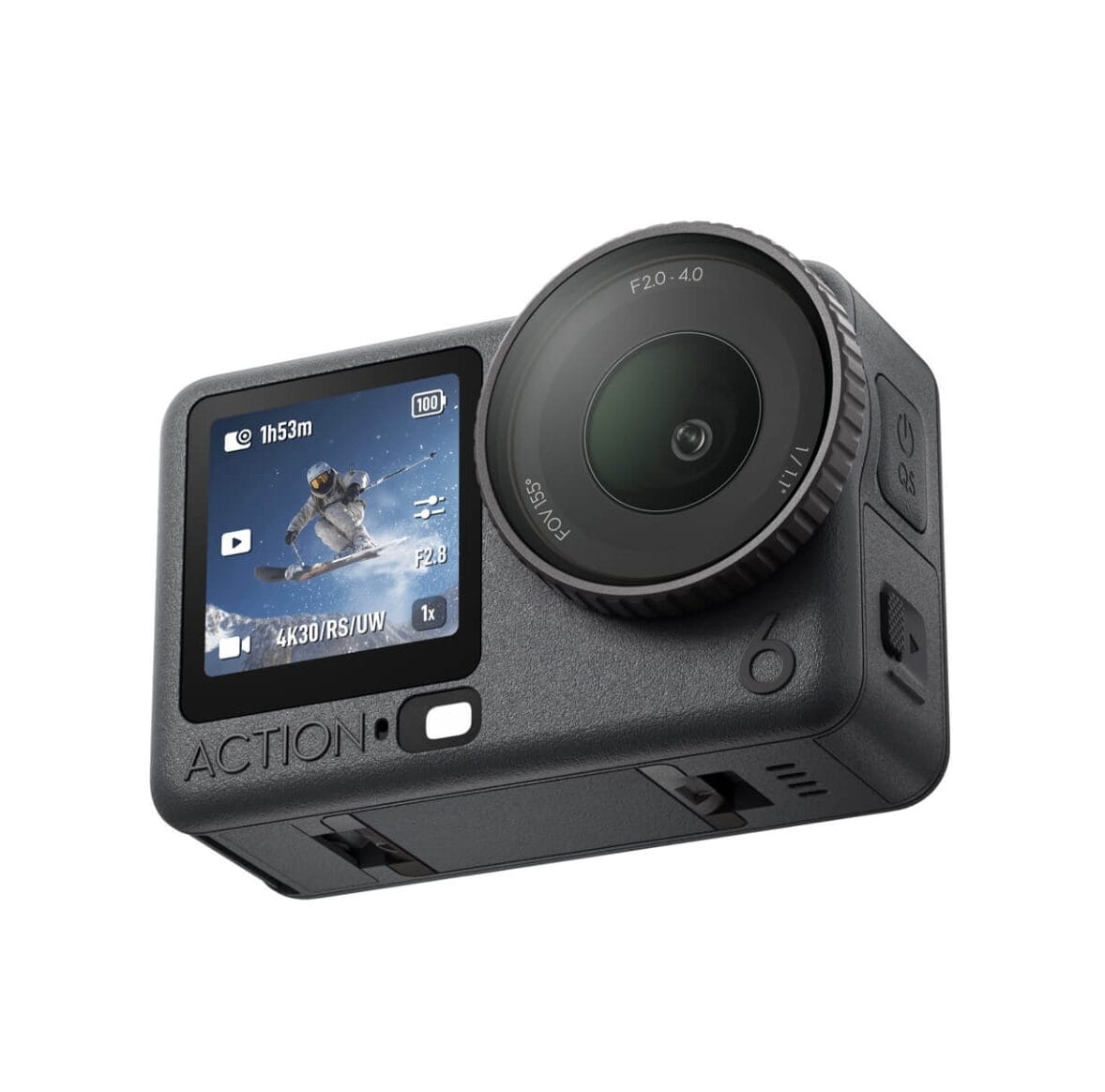
如果你不需要全景功能,更重視原生廣角畫質,DJI Osmo Action 6 是目前最推薦的廣角滑雪相機。
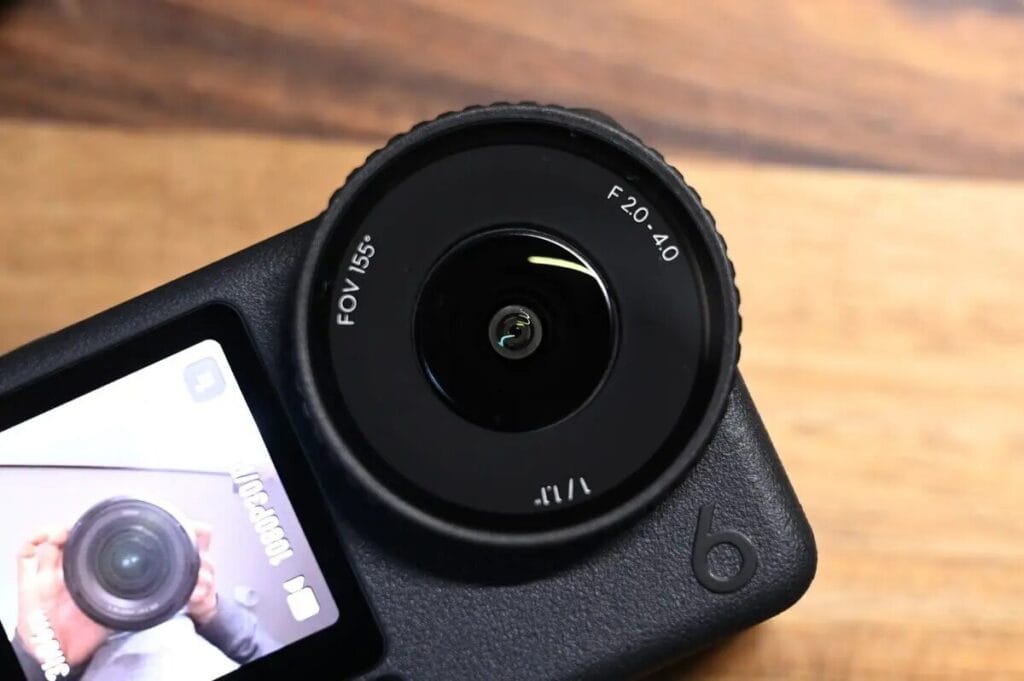
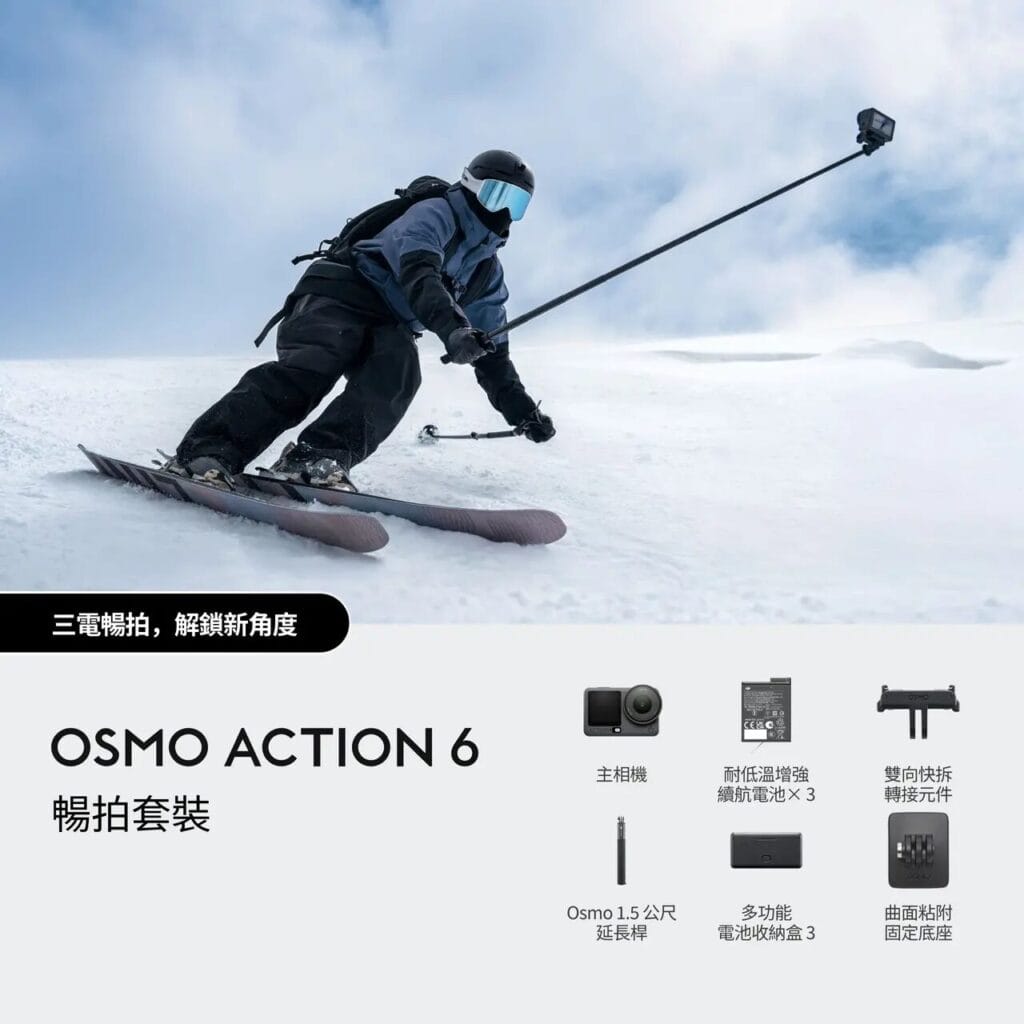
With its native -20℃ cold-resistant battery and amazing 4-hour battery life, coupled with the "22-minute fast charge 80%", it can be ready to accompany you to the summit again, even if you only have time to drink a hot coffee at a rest stop.
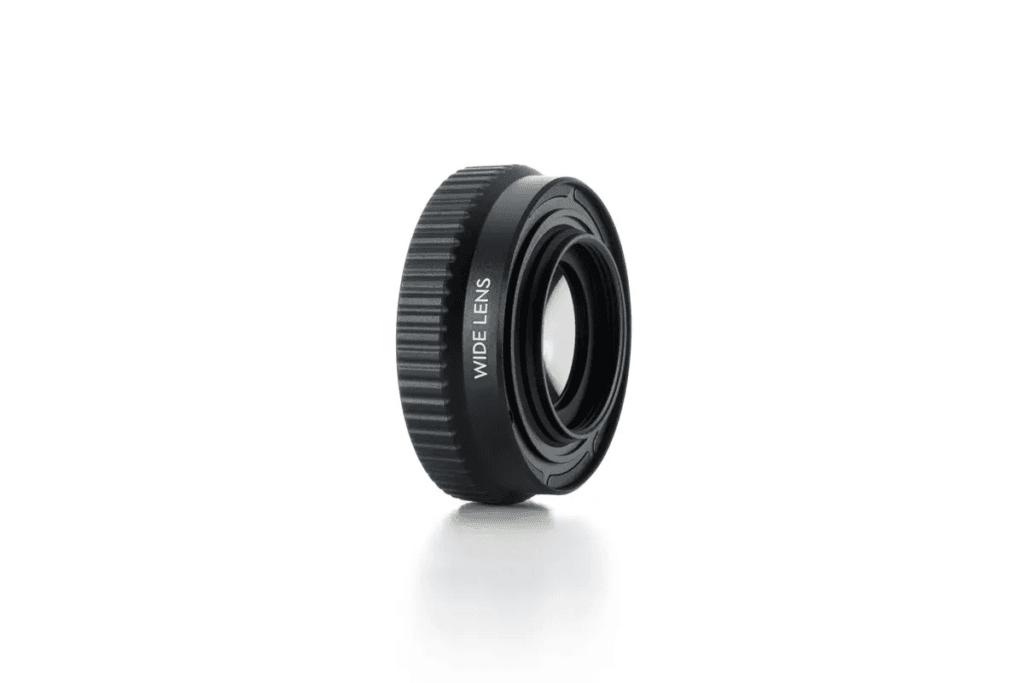
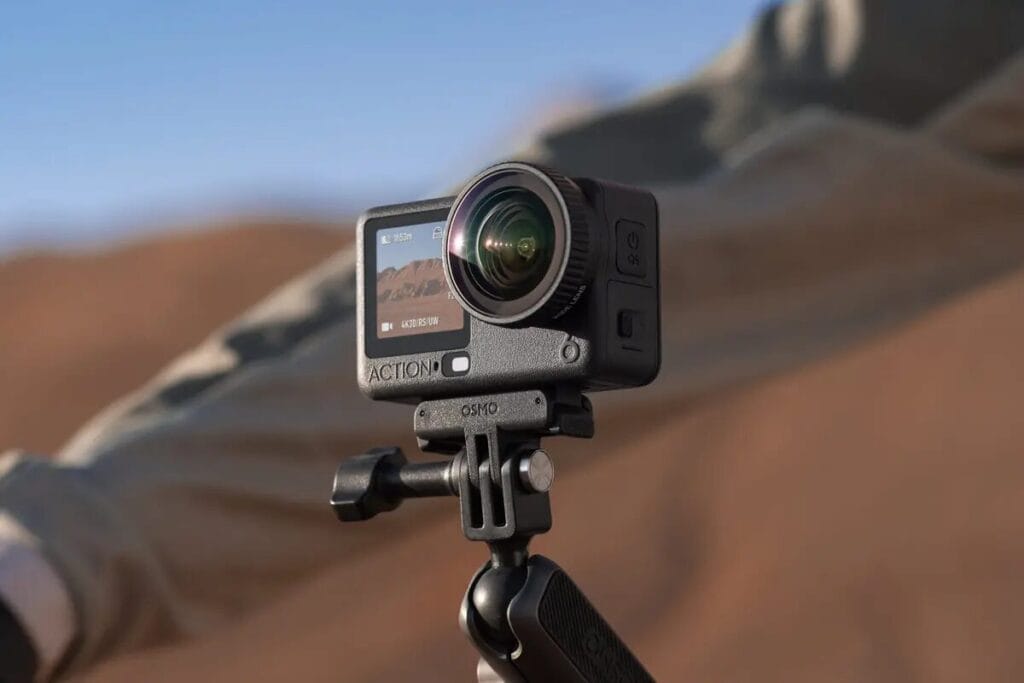
滑雪玩家最在意的自拍視角,這次有了完美解方。新增的 182° 增廣鏡配件,讓你在手持自拍時能輕易將雙臂、雪板與壯闊雪道完整納入畫面,且邊緣畸變控制得很自然。
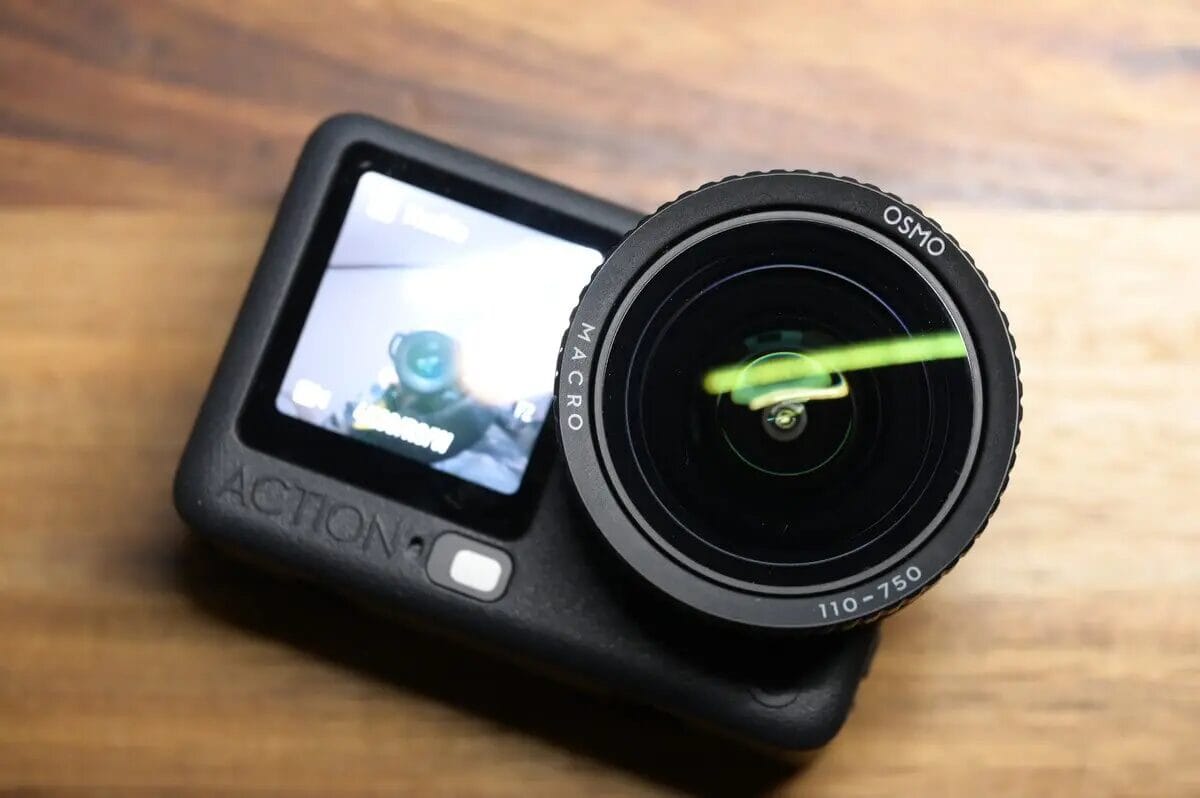
Equipped with the new RockSteady 4.0 Super Stability TechnologyThis is a game-changer in terms of hardcore data. When skiing at high speeds or tackling challenging snowy terrain, its image shake is significantly less than that of ordinary models.Reduced by 60%No matter how bumpy the ground is, the film remains smooth and stable.
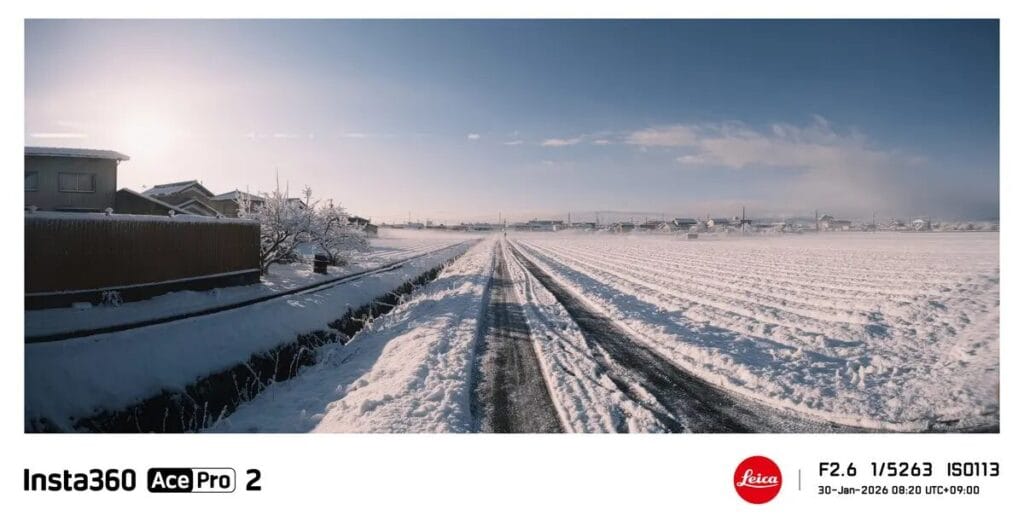
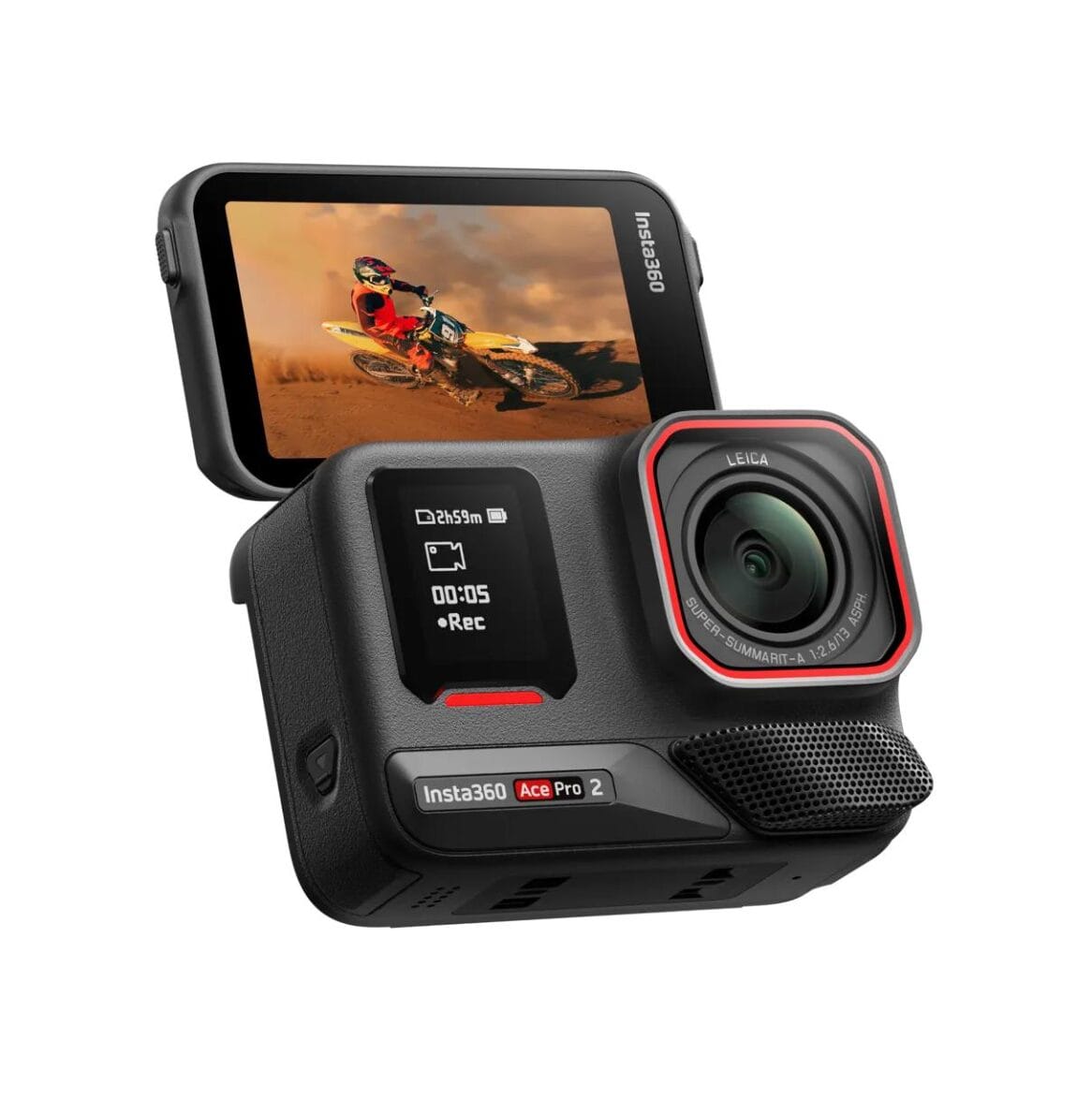
Insta360 Ace Pro 2|全能型 Vlog 兼滑雪相機
想要一台平日拍 Vlog、雪場拍動作的「兩用相機」?Ace Pro 2 是最佳解答。
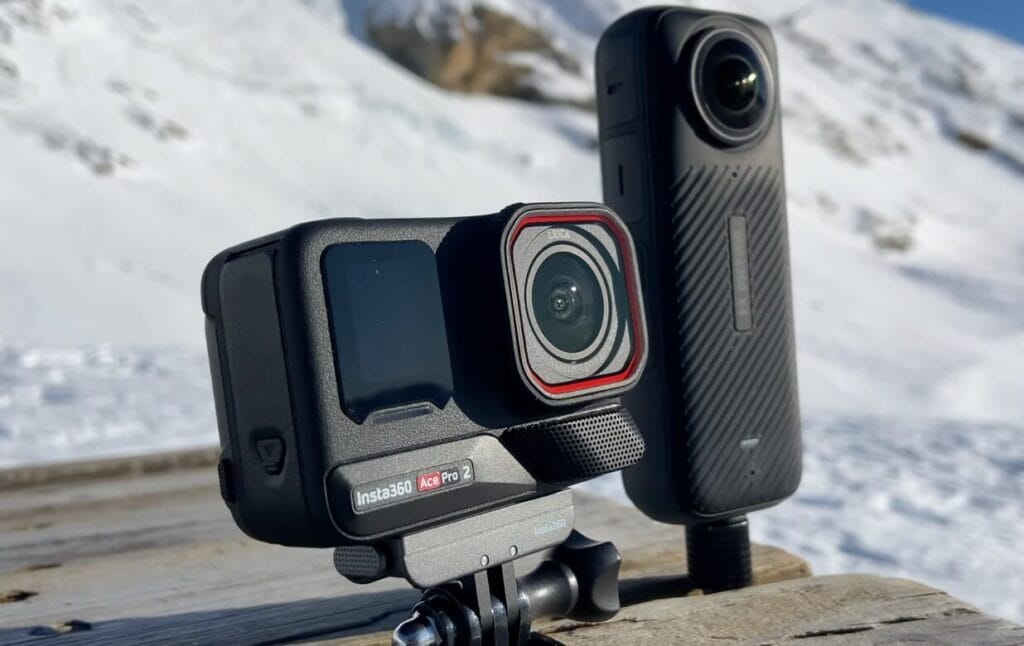
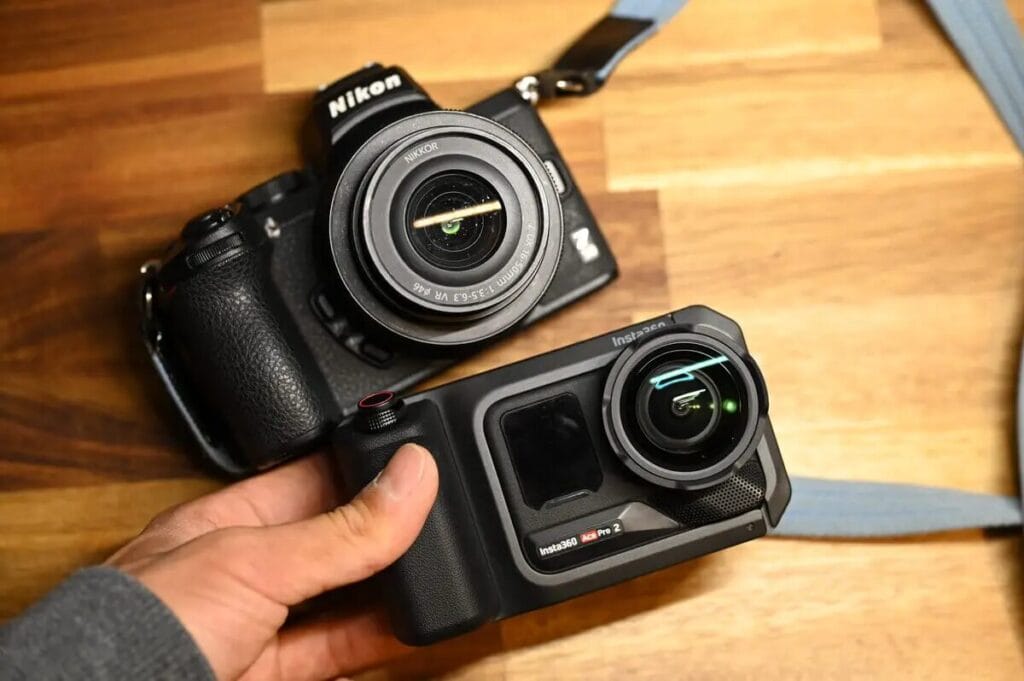
- Flip the screen: For creators who like to speak to the camera, flipping the screen makes composition incredibly simple.
- Dual identity: In everyday life, it serves as a vlog camera; at the ski resort, mounted on a helmet, worn with a chest strap, or fixed to a ski, the Ace Pro 2 delivers visually striking POV footage. In a real-world test at -20°C, the Ace Pro 2 was able to record continuously for approximately 95 minutes.
Insta360 Ace Pro 2
Insta360 與 LEICA 徠卡聯合研發的旗艦運動相機,1/1.3″ 大底感光元件、頂級夜拍畫質、翻轉螢幕設計,重新定義運動相機。
2026 年滑雪運動相機規格完整比較表
| model | Weights | 相機類型 | 低溫續航 | 可換鏡頭 | Image Quality | 最高慢動作 | Night Shooting Performance |
|---|---|---|---|---|---|---|---|
| Insta360 X4 Air | 165g | 360° 全景 | -20°C | ✅ | 8K30fps 4K60fps | 2倍 | 普通 |
| DJI Osmo 360 | 183g | 360° 全景 | -20°C | ❌ | 4K120fps | 4倍 | ⭐⭐⭐ |
| Insta360 X5 | 198g | 360° 全景 | -20°C | ✅ | 8K30fps 4K60fps | 4倍 | ⭐⭐⭐⭐ |
| DJI Osmo Action 6 | 約 145g | Wide angle | -20°C | ❌ | 4K120fps | 4倍 | ⭐⭐⭐ |
| Insta360 Ace Pro 2 | 約 179g | Wide angle | -20°C | ❌ | 4K120fps | 4倍 | ⭐⭐⭐⭐ |
滑雪相機必備配件推薦
選對相機只是第一步,【配件】才是解鎖多元滑雪拍片視角的關鍵。目前市場上 Insta360 的配件產品是最豐富的,即便你使用的是 DJI 或 GoPro 的運動相機,也可以參考以下方向選擇對應的配件。
滑雪相機必裝四大類型配件
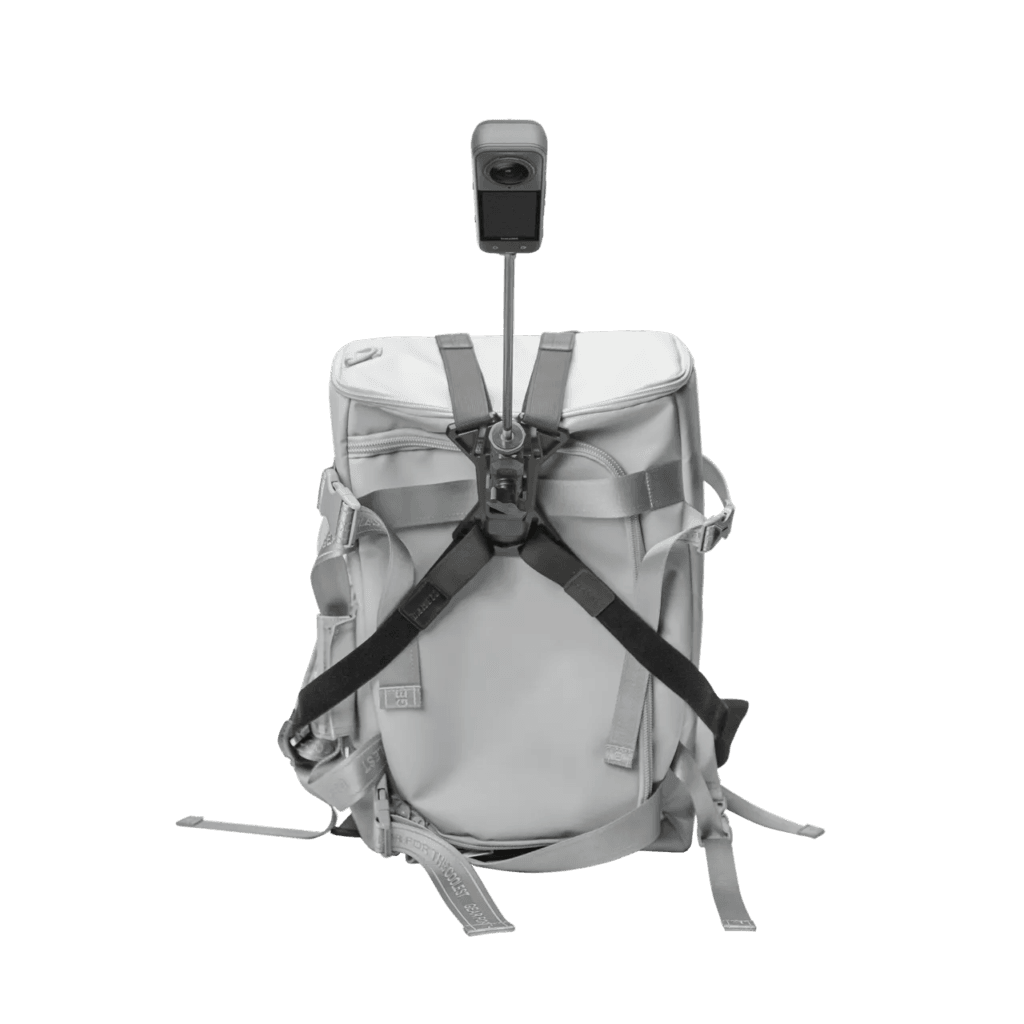
滑雪玩家必備的相機配件可以分為四大類型:
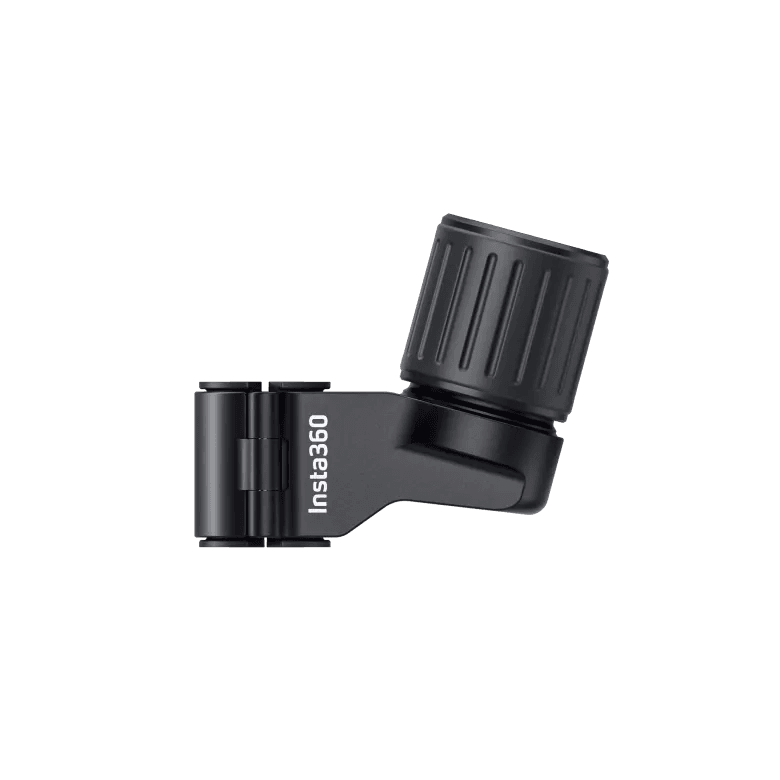
第三人稱拍片
你的專屬隨身「攝影師」
四款 Insta360 配件,把相機架到對的位置,拍出電影級第三人稱鏡頭。
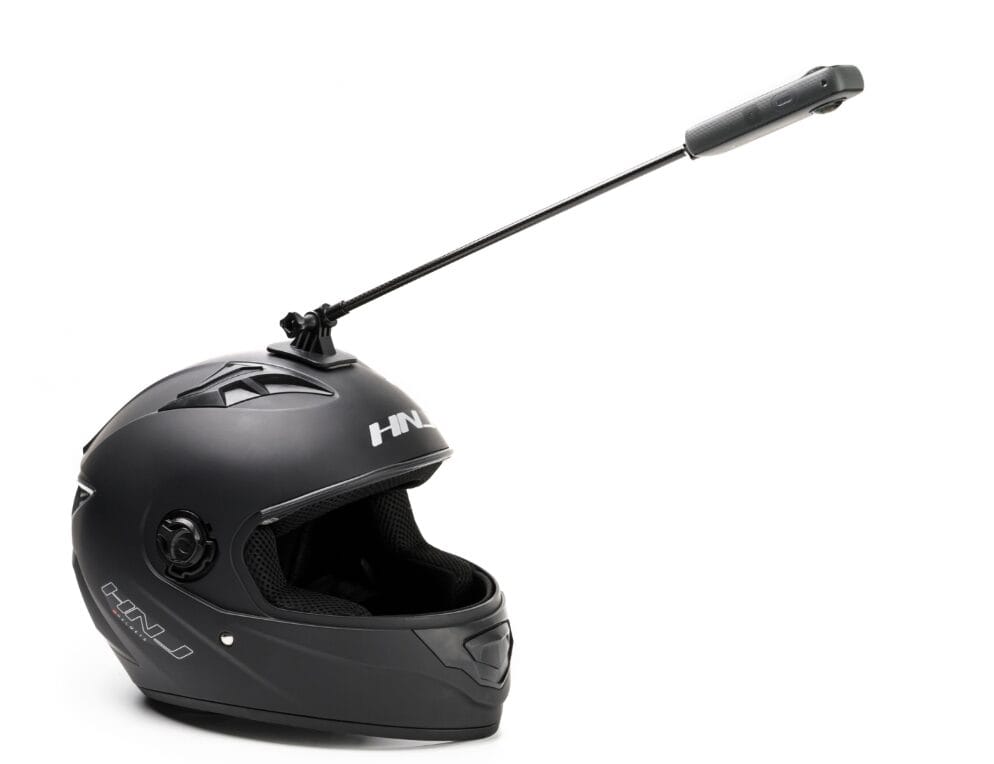
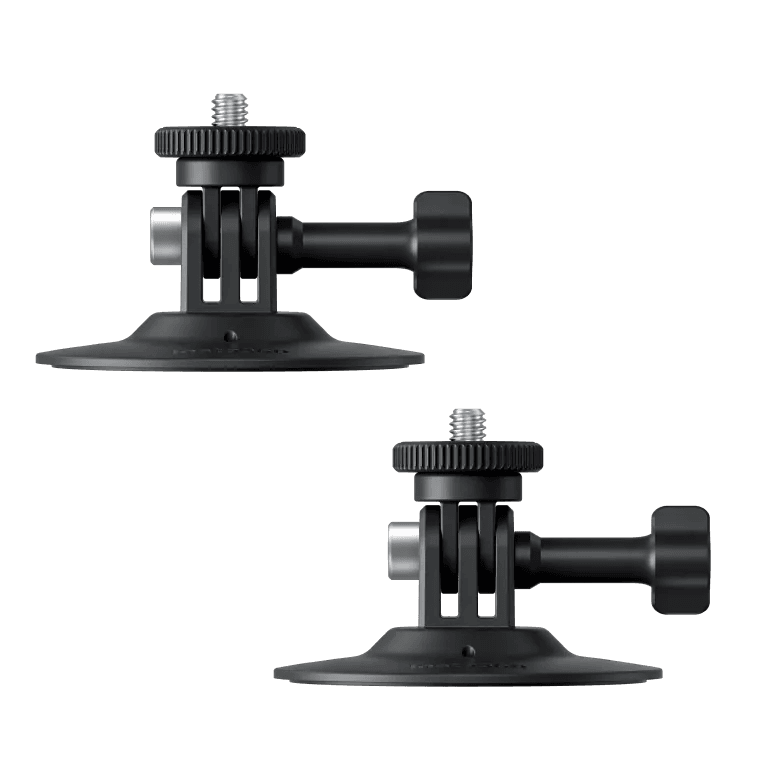
Helmet POV
Helmet POV
一個彈性黏貼底座,把相機牢牢貼上頭盔,輕鬆錄製第一人稱視角。
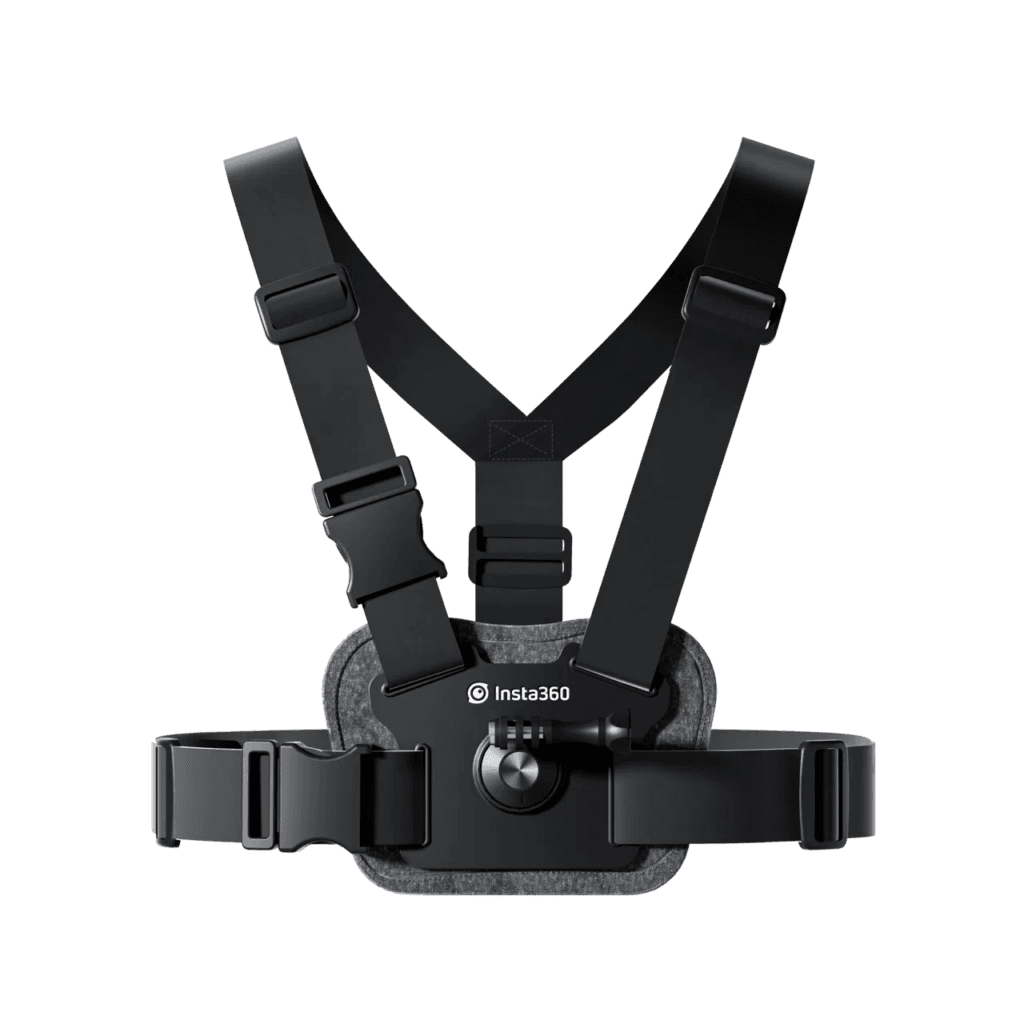
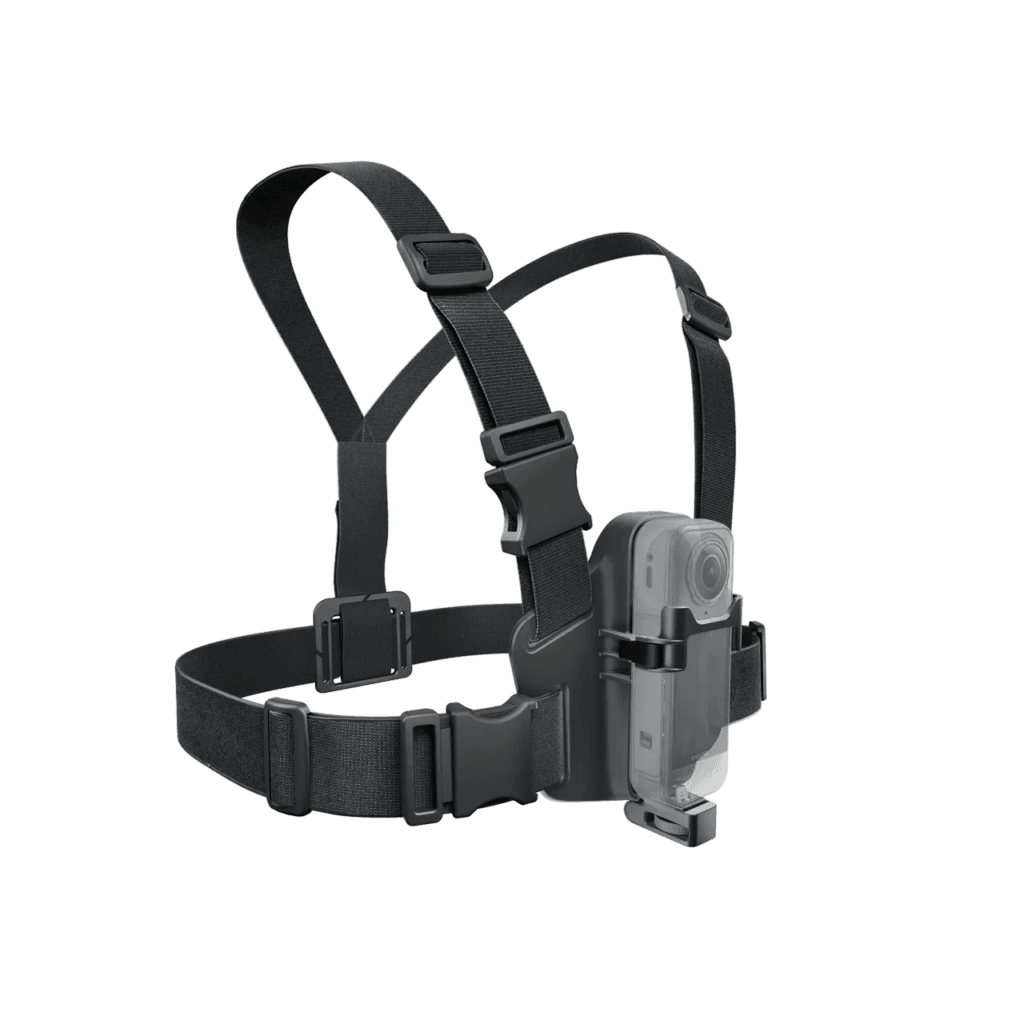
POV of the chest
POV of the chest
兩款胸掛配件,把相機固定在胸口,拍出穩定的第一人稱視角。
保護類配件
全方位保護與延伸配件
從防掉落腕帶到縱橫切換支架,讓相機更穩、更耐用。
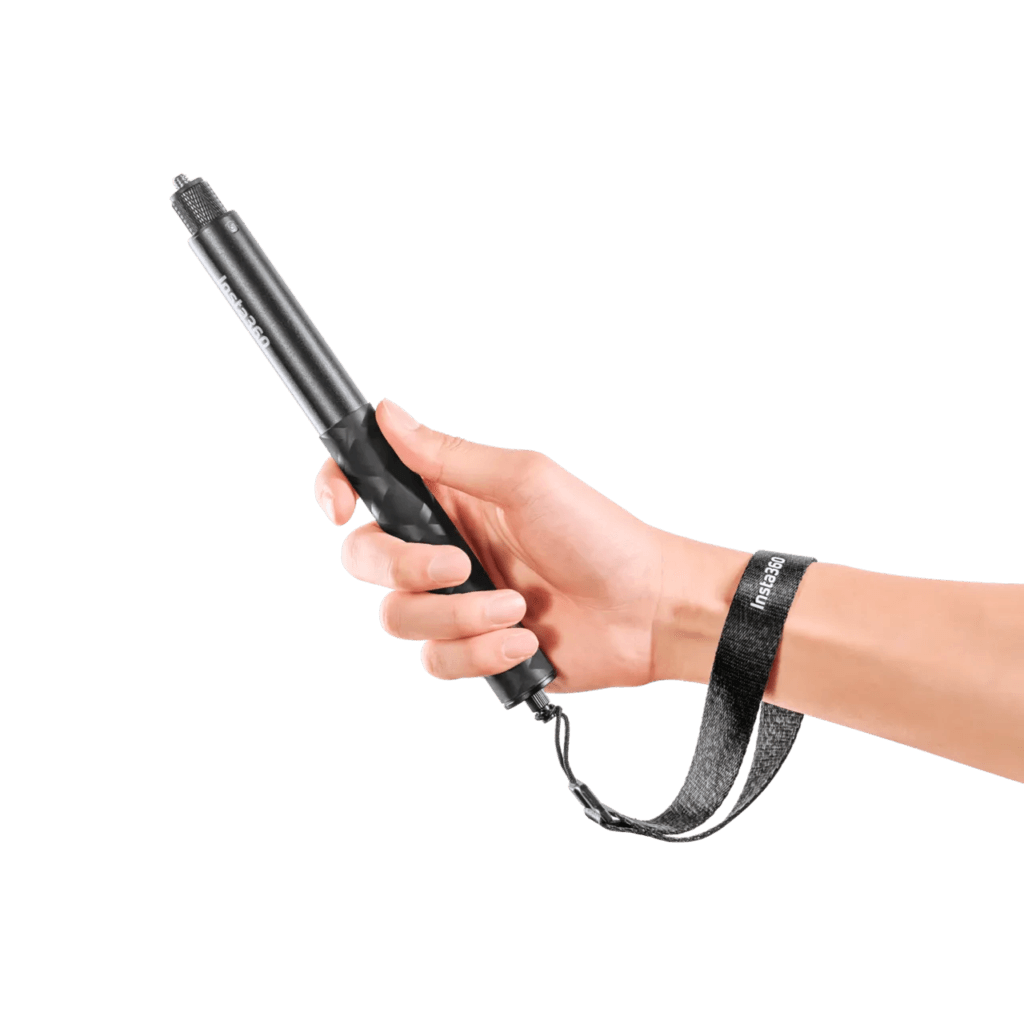
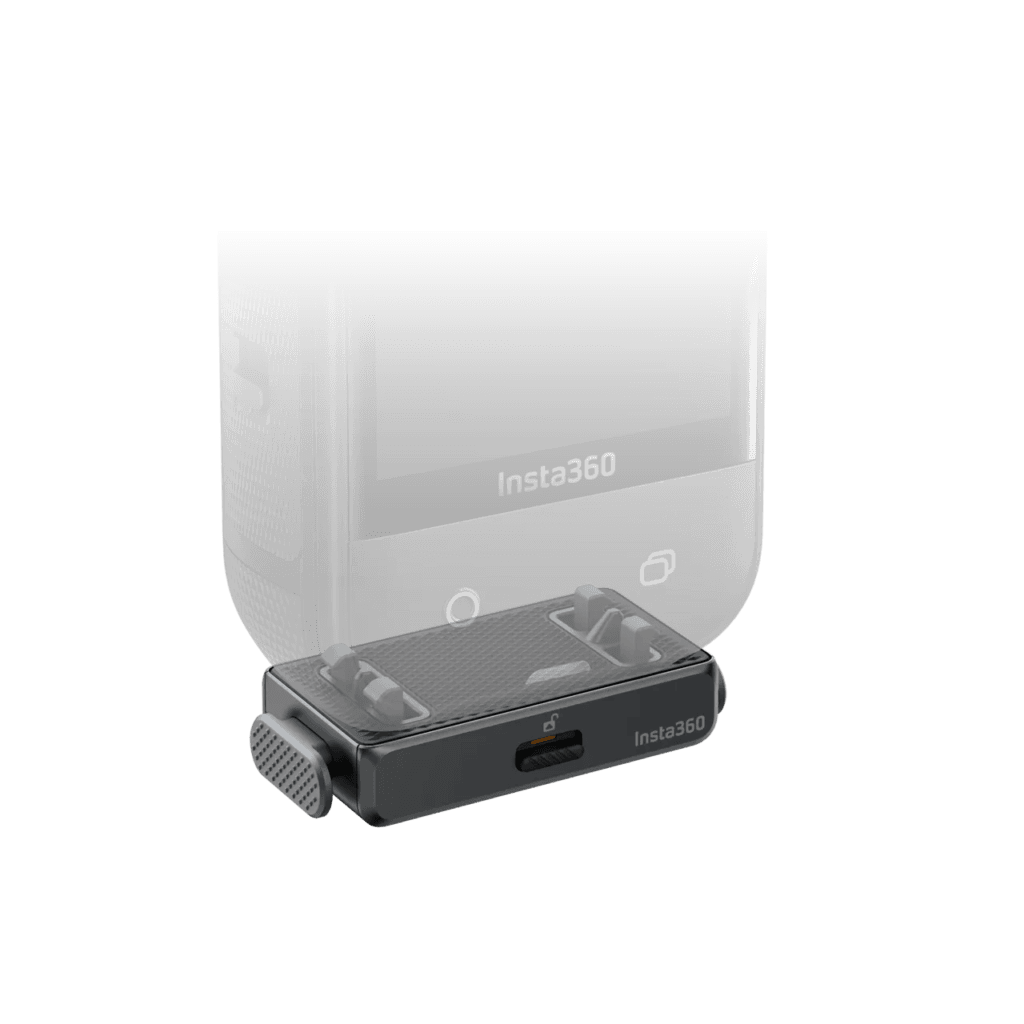
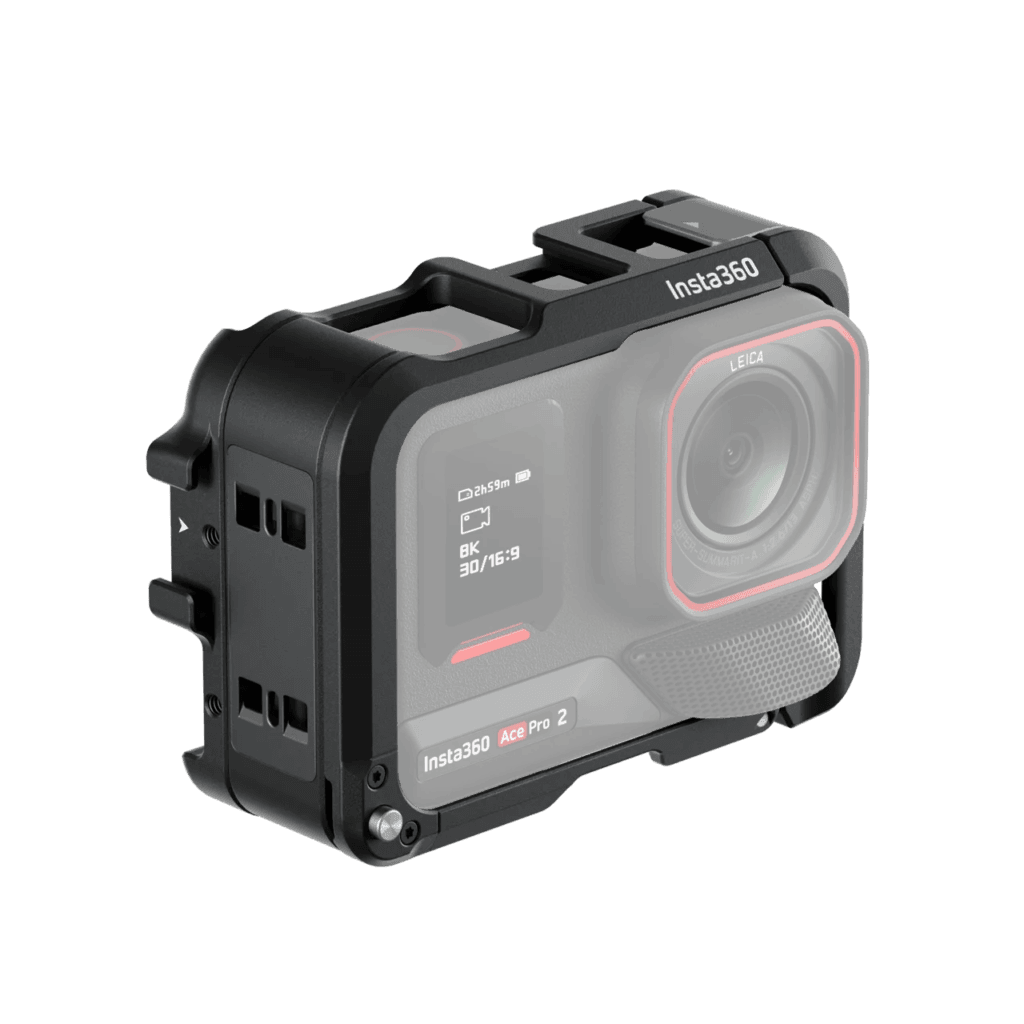
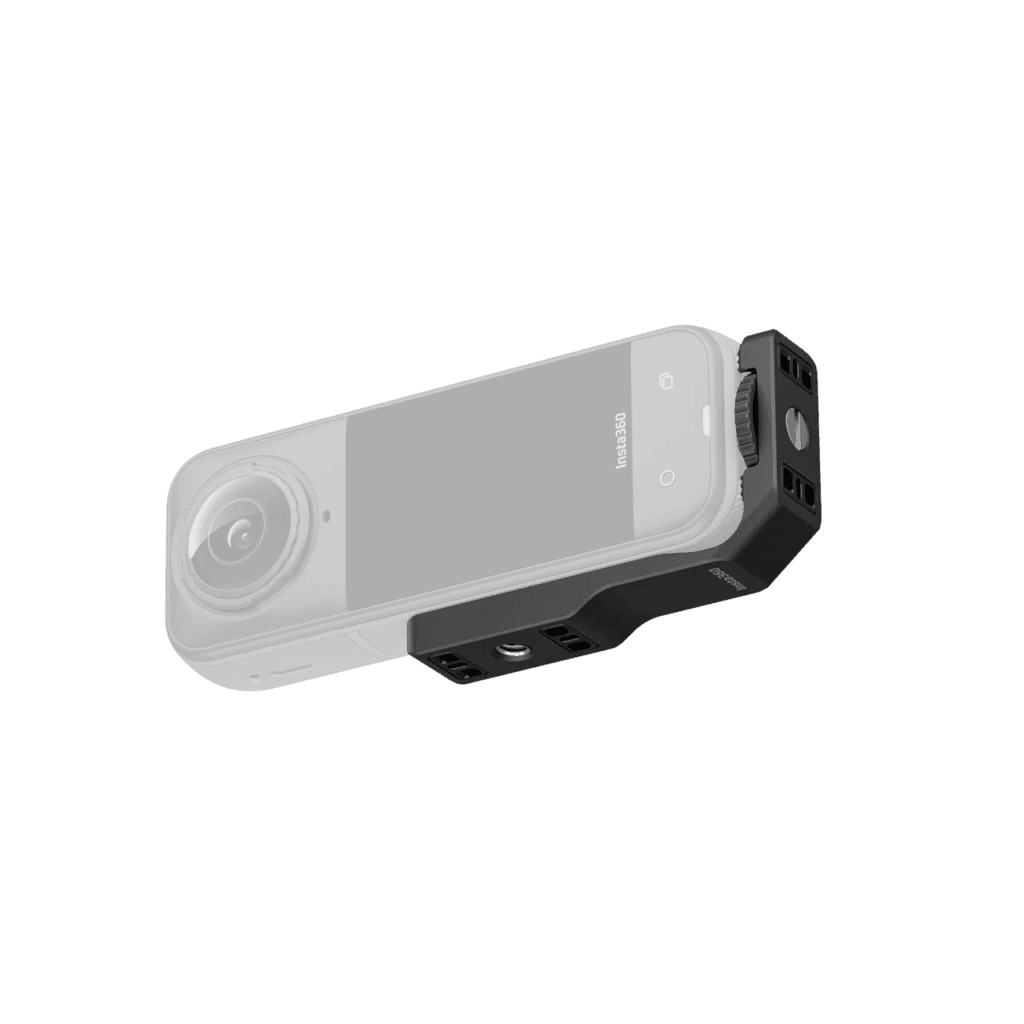
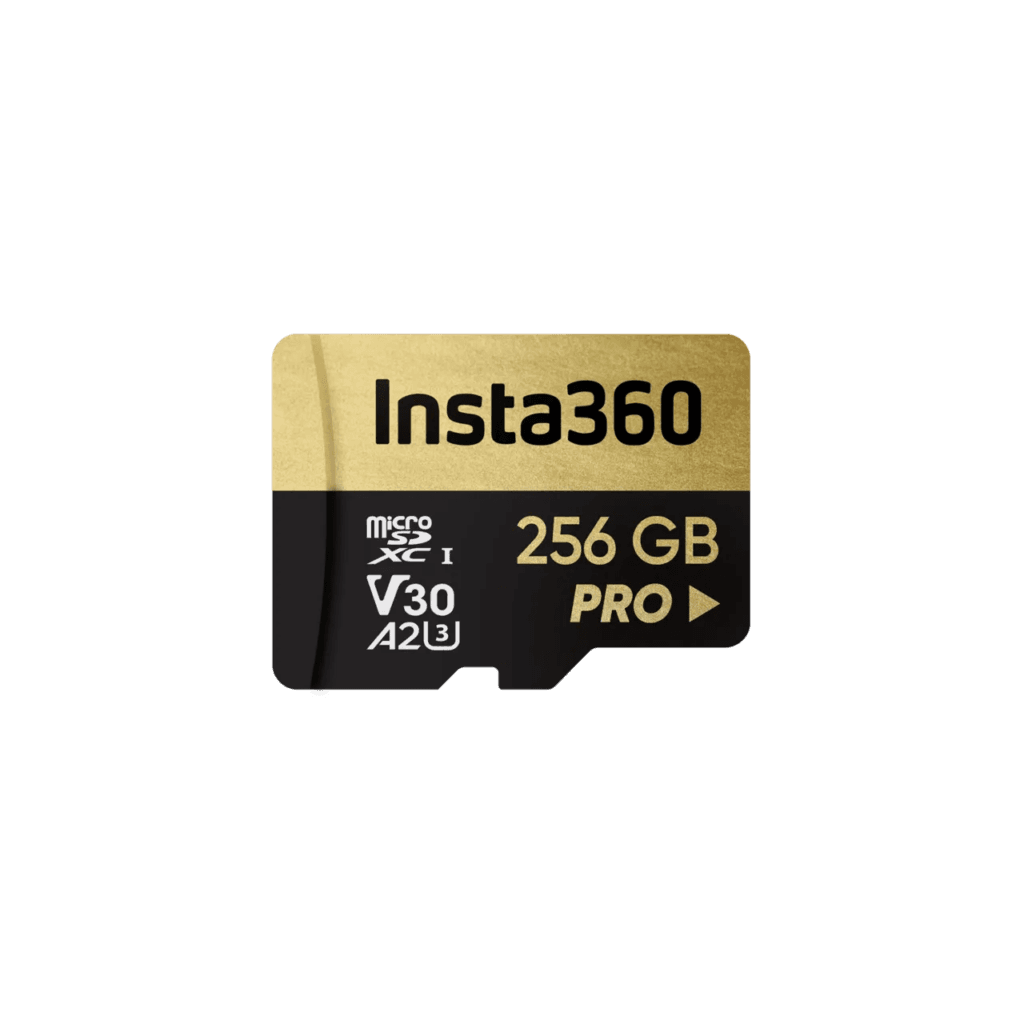
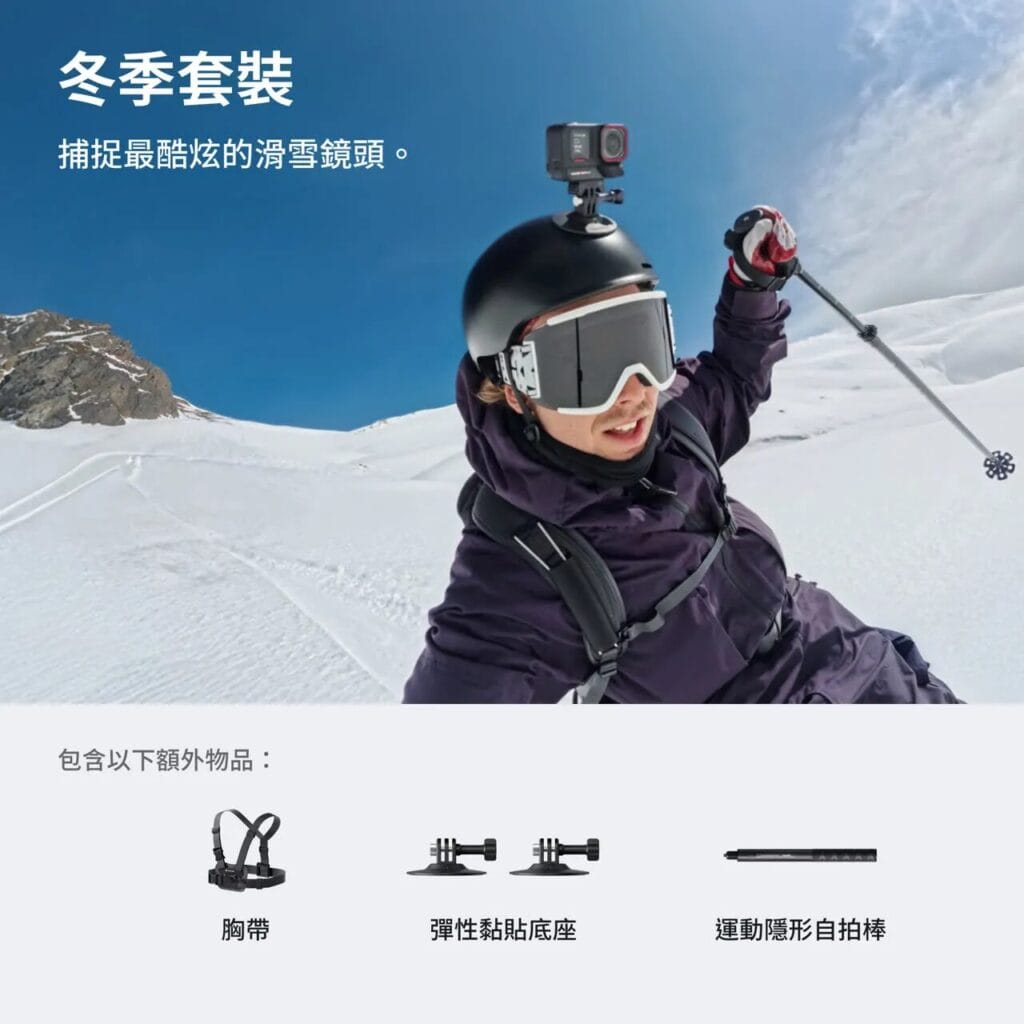
懶人方案:直接入手滑雪套裝
不想逐件挑配件?各品牌均有推出Ski Set,包含雪場常用基本配件,只需另購頭盔支架、胸掛及記憶卡即可出發。
FAQs
滑雪運動相機跟一般運動相機有什麼不同?
差異在於「耐寒電池」、「輕量設計」以及「360° 全景功能」。普通運動相機在 -10°C 以下可能提前斷電,且廣角鏡頭要求你分心構圖,這兩點在高速滑行中都是致命缺陷。
GoPro 適合拍滑雪嗎?
GoPro 即使搭配 Enduro 低溫電池,官方耐寒標準也僅到 -10°C,不建議在北海道、阿爾卑斯等高海拔嚴寒雪場使用,有突然斷電的風險。
360° 全景相機畫質會比廣角差嗎?
在相同視角下,360° 相機裁切後的畫質確實稍遜於原生廣角相機(因為感光元件需兼顧全方位)。但這個差距在雪場白天強光下幾乎可以忽略。如果你非常在意畫質,可選 Insta360 X5(4K 120fps)或廣角類的 DJI Osmo Action 6。
自拍棒長度怎麼選?
滑雪首選 85cm 以內的隱形自拍棒,收納方便、槓桿力矩小,能讓你願意「隨時掏出來拍」。114cm 自拍棒更適合旅遊拍攝,雪場使用收納不便。
Insta360 X4 Air 和 X5 怎麼選?
預算有限、日間滑雪為主 → X4 Air(輕量、高 CP 值);有夜拍需求或需要 4 倍慢動作拍極限動作 → X5(旗艦畫質)。
低溫下電池怎麼保養?
建議將備用電池貼身存放(利用體溫保暖),拍攝間隔時將相機收入雪服內袋,避免長時間曝露在極寒空氣中。
總結:滑雪運動相機怎麼選
過去滑雪相機幾乎只有老牌 GoPro 一枝獨秀;如今 Insta360 X4 Air、X5 與 DJI Osmo 360、Action 6 相繼問世,整個市場進入真正多元競爭的新局面。對廣大雪友而言,這場競爭最大的受益者,就是你。
DJI Osmo 360 and Action 6 are positioned as high-performance, cost-effective products. Although they rarely offer discounts after their release, their original prices are generally lower than those of similar GoPro and Insta360 models. Insta360, on the other hand, offers occasional discounts on ski kits during the ski season. For specific discount information, please check the brand's official website. Sometimes you can get an Insta360 X5 for 10% off.
按需求選對機型
5 大典型滑雪場景,對應最合適的運動相機。
希望這篇選購指南能成為你在迎接雪季前的可靠參考。
選對運動相機,剩下就是盡情滑行,讓鏡頭幫你留住雪場上最帥氣的瞬間