Choosing between the Insta360 X6 and DJI Osmo 360 II ? This comparison covers what matters for first-time buyers and anyone upgrading from an X4, X5, or original Osmo 360.
I tested image quality, battery life, overheating, and app performance. The specs are close, but the everyday experience is quite different.
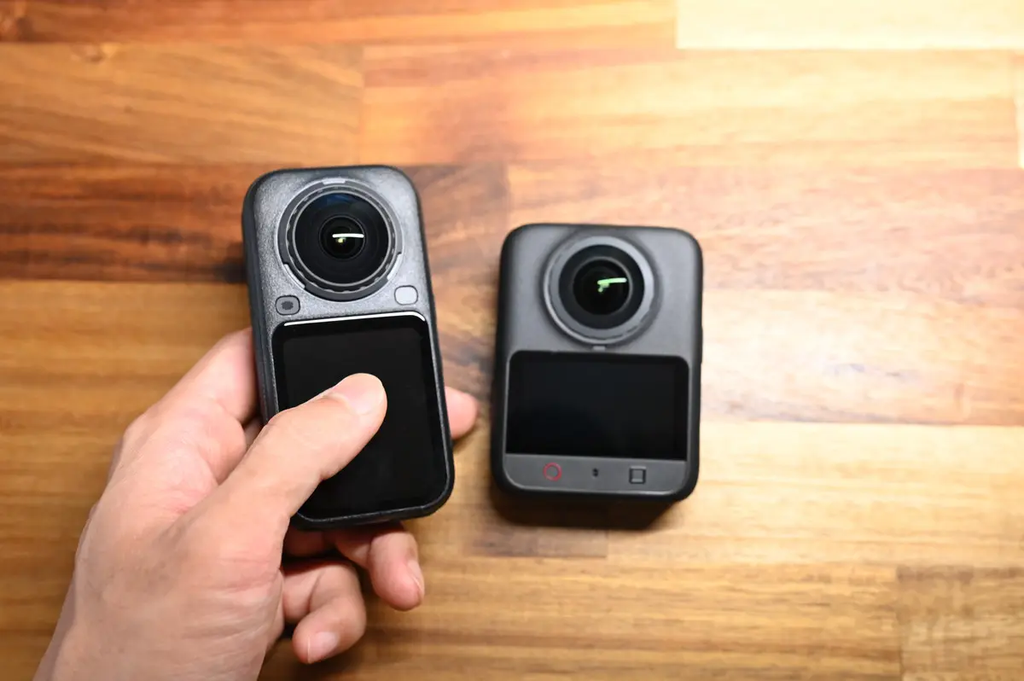
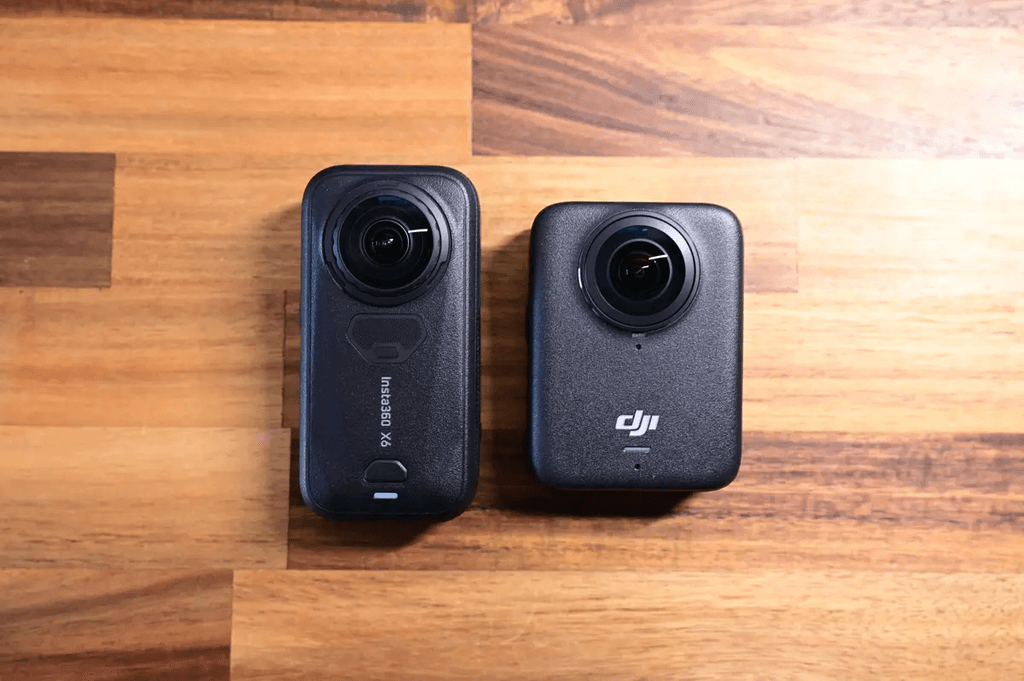
Quick Verdict: The Biggest Differences Aren't on the Spec Sheet
Three things made the biggest difference in my testing:
- Battery life and heat management: the X6 lasted almost twice as long in these tests, while the Osmo 360 II still overheated during stationary recording at room temperature.
- App performance: tracking took roughly five to six times longer on one app, and the quality of the automatic edits made a real difference to whether I'd use the finished video.
- Creative options beyond standard 360 video: the X6 adds head-tracked POV shooting, gimbal-style framing controls, and spatial capture for more ways to shoot.
Both delivered good image quality. Battery life and editing made the bigger difference to my buying decision.
Insta360 X6 vs DJI Osmo 360 II: Specs Compared
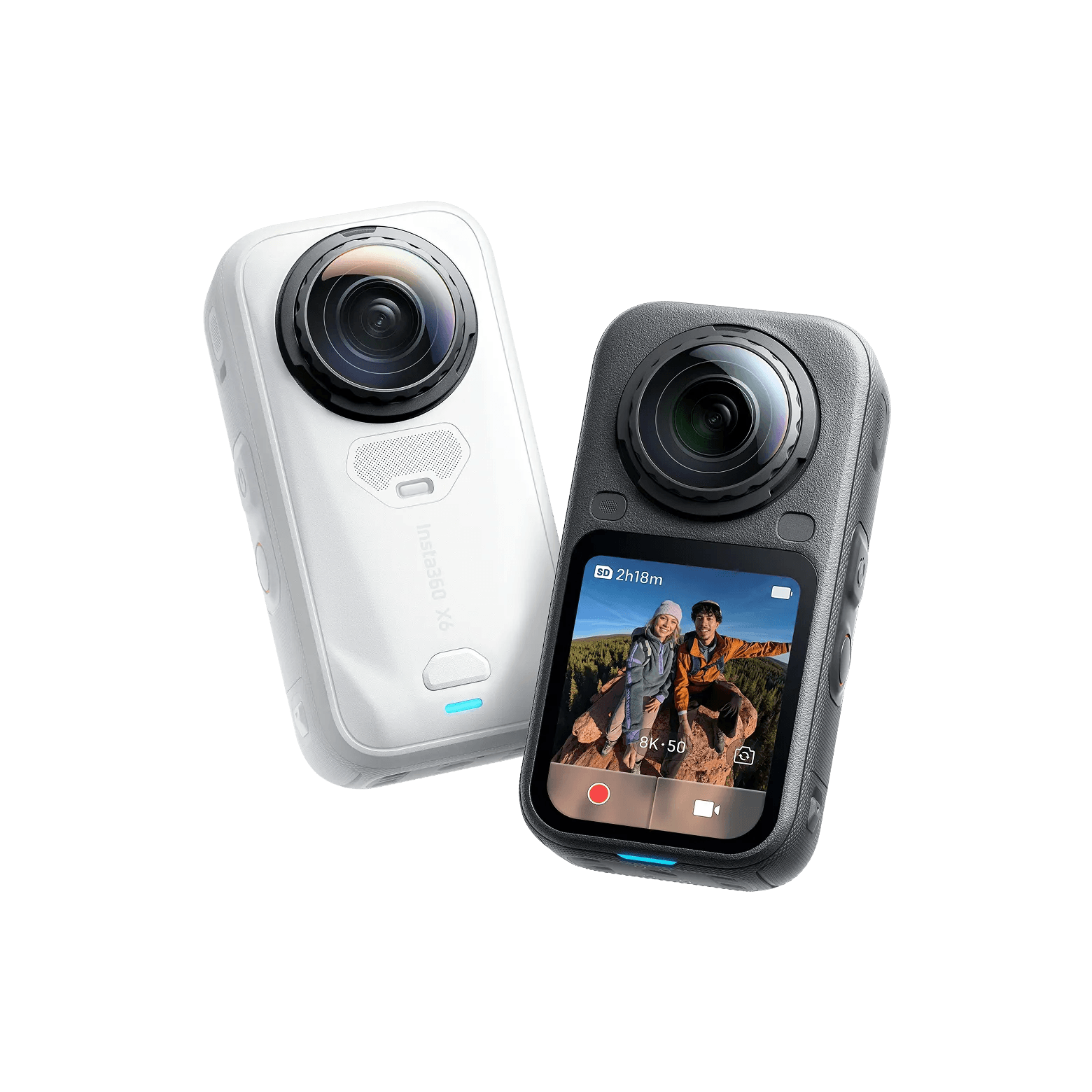
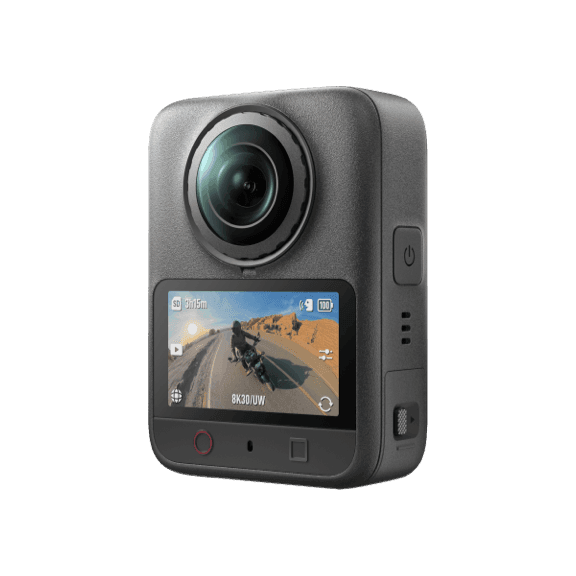
| Specification | Insta360 X6 | DJI Osmo 360 II |
|---|---|---|
 |
 |
|
| Sensor | 1/1.1-inch Sony | 1/1.1-inch CMOS |
| Aperture | f/2.0 | f/1.9 |
| 360° Video | 8K / 50fps | 8K / 60fps |
| Single-Lens Video | 5K / 60fps 4K / 120fps | 4K / 120fps |
| 360° Slow Motion | 4K / 100fps | 4K / 240fps |
| Photo Resolution | 120MP | 120MP |
| Dynamic Range | 14.5 stops | 14.5 stops |
| 10-Bit Color | I-Log + native Dolby Vision | D-Log M |
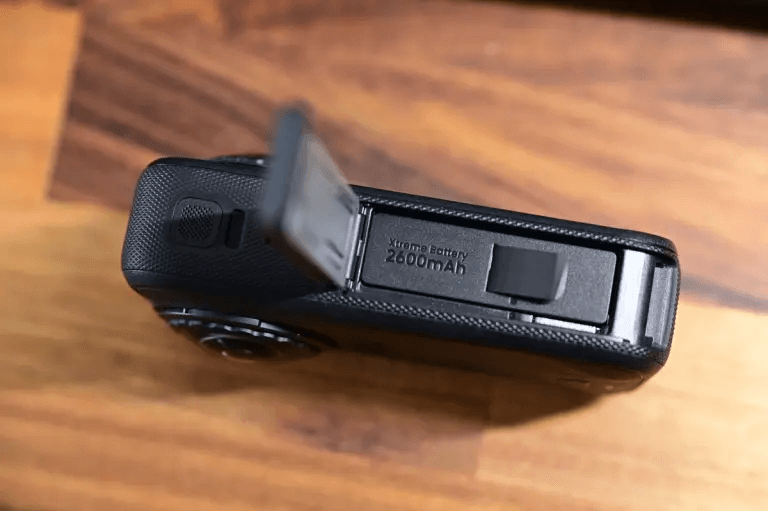
| Battery Capacity | 2600mAh | 2150mAh |
| Battery Life (8K 30fps) | Rated: approx. 140 minutesTested: 160 minutes | Rated: approx. 100 minutesTested: 88 minutes |
| Thermal Shutdown | None at 30°C | Stopped after 67 minutes at 25°C |
| Waterproofing | 20m | 10m |
| Built-In Storage | 64GB (47GB usable) | 128GB (105GB usable) |
| Weight | 196.5g | 183g |
| Screen | 2.32-inch OLED | 2-inch touchscreen |
| Fast Charging | 80% in 22 minutes | 80% in 22 minutes |
| Standout Features | AI automatic editing, 3D reconstruction, head-tracked POV, gimbal mode | NFC tap-to-connect, 4K 240fps high-frame-rate recording |
Image Quality: Is 8K 60fps Better Than 8K 50fps?
The Insta360 X6 offers 8K 50fps, Dolby Vision, 120MP photos, and I-Log. The DJI Osmo 360 II reaches 8K 60fps, giving fast action smoother motion and more flexibility for slow playback.
Higher frame rates don't guarantee better images. Stitching, lenses, dynamic range, bitrate, and export settings all matter. At 60fps, limited light can also mean noisier footage.
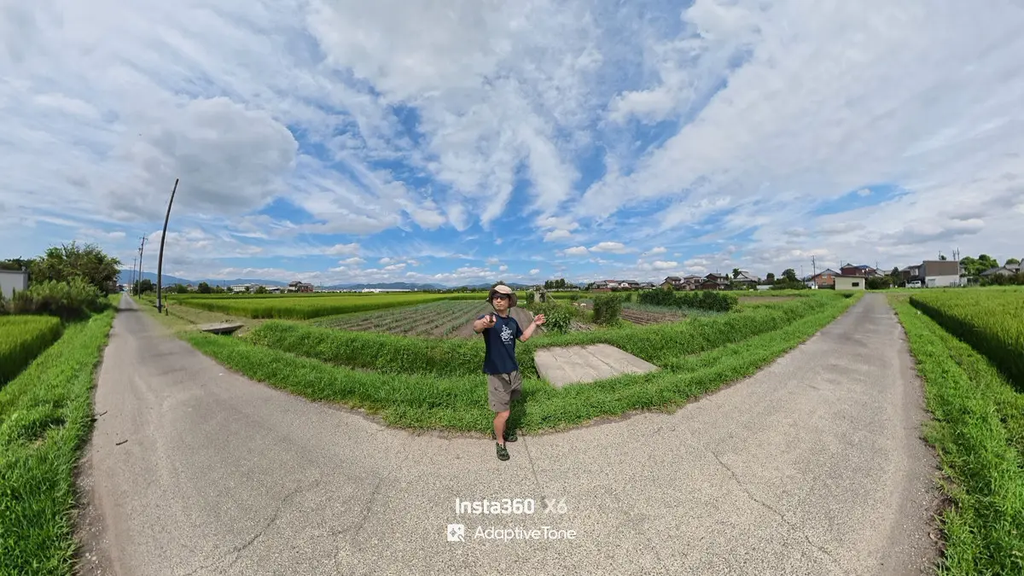
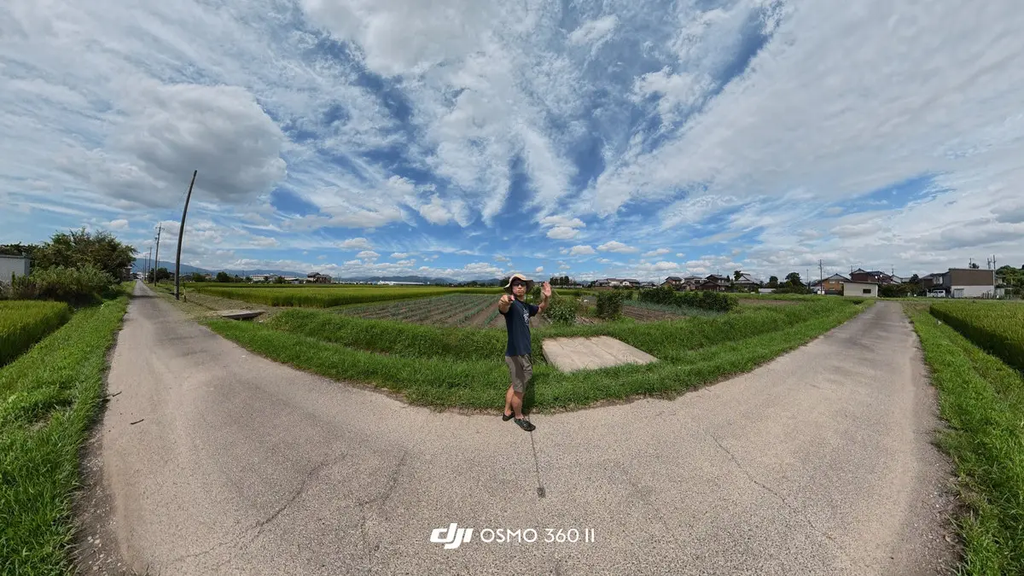
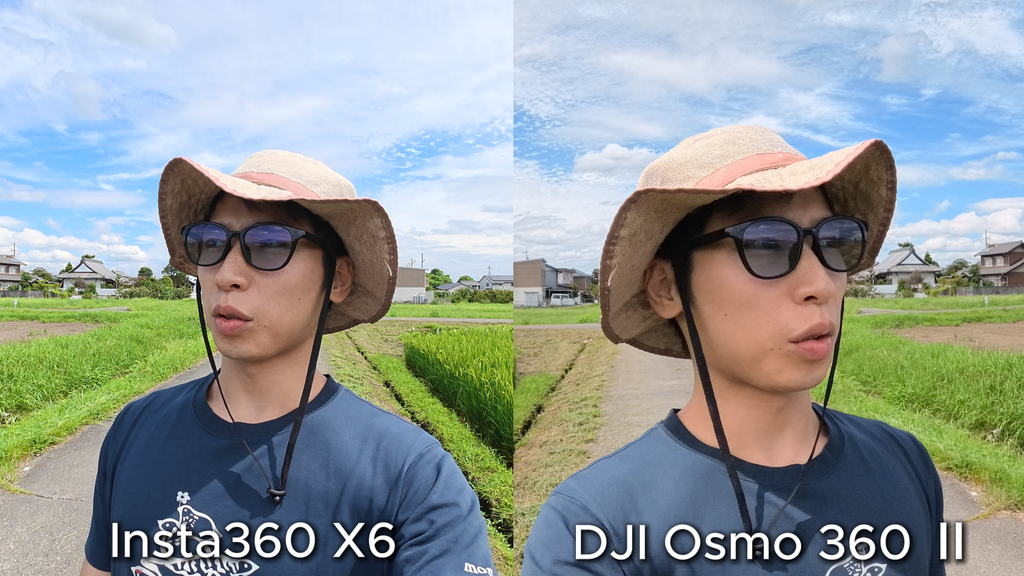
DJI's colors looked closer to the scene, while I preferred the X6's brighter, more atmospheric output. Its Dolby Vision footage showed pleasing highlight and shadow detail.
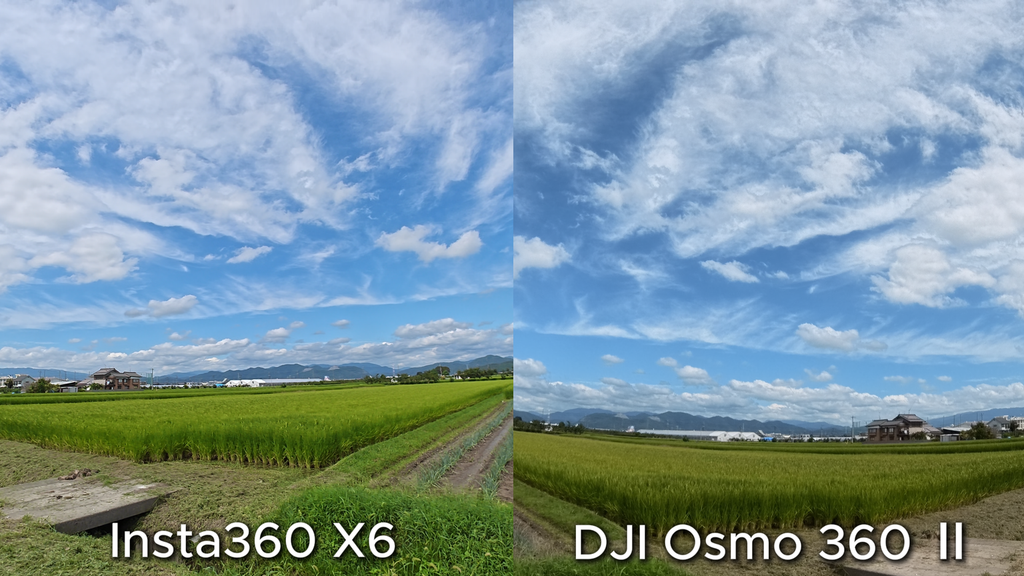
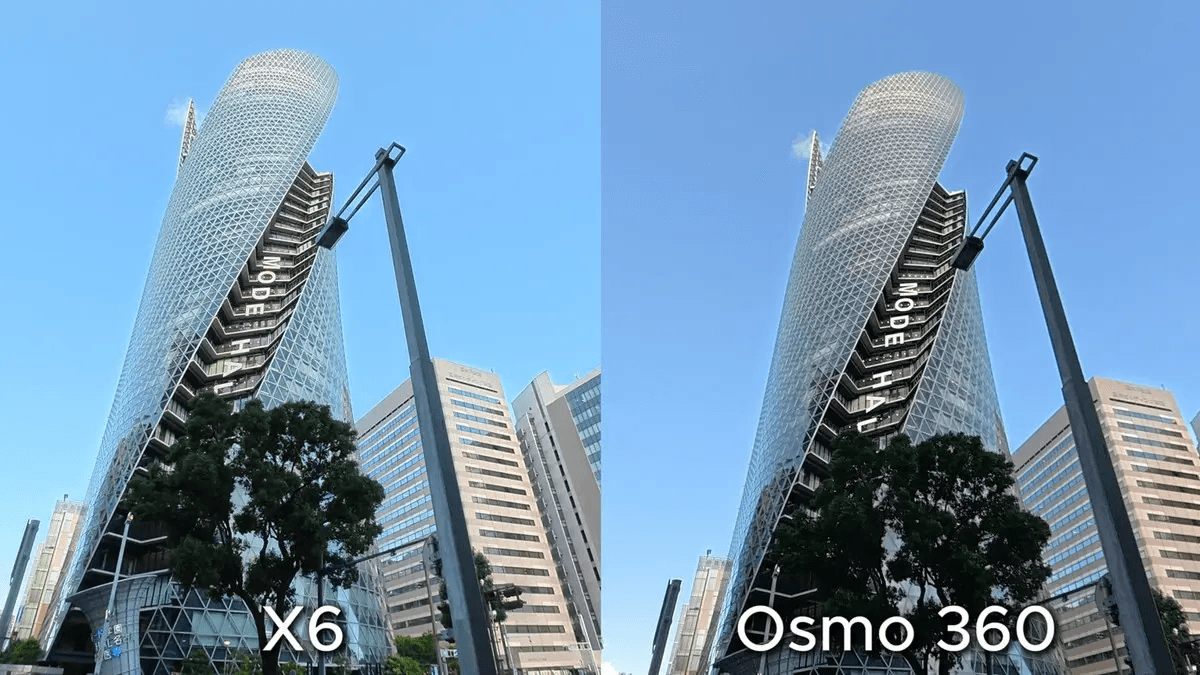
The X6 also shoots 5K 60fps in single-lens mode, versus DJI's 4K. For low light, the DJI Osmo 360 II uses AI SuperNight 2.0, while the Insta360 X6 combines three 4nm AI chips with HDR night processing. Results were close: the DJI Osmo 360 II looked brighter but showed more shadow noise.
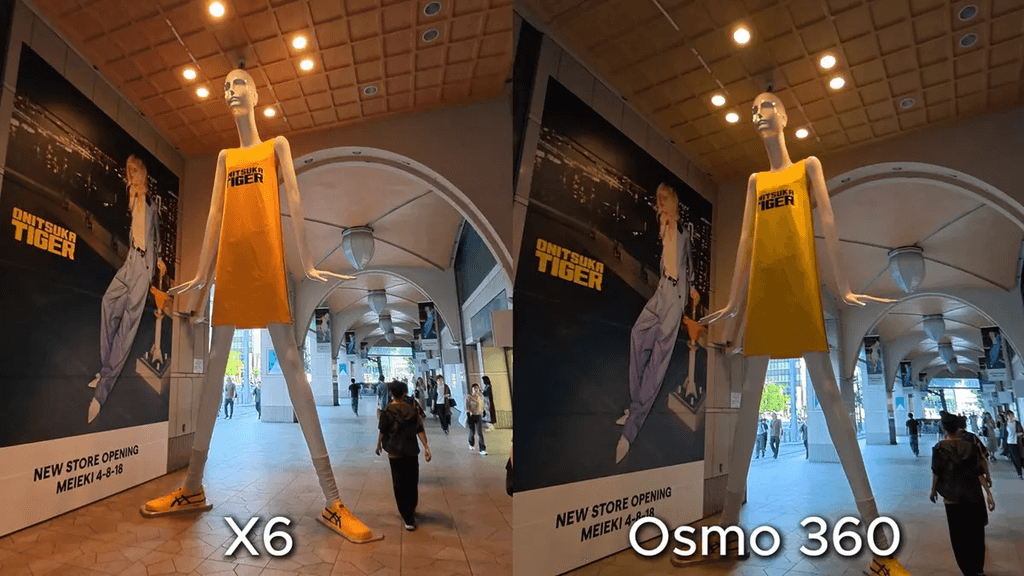
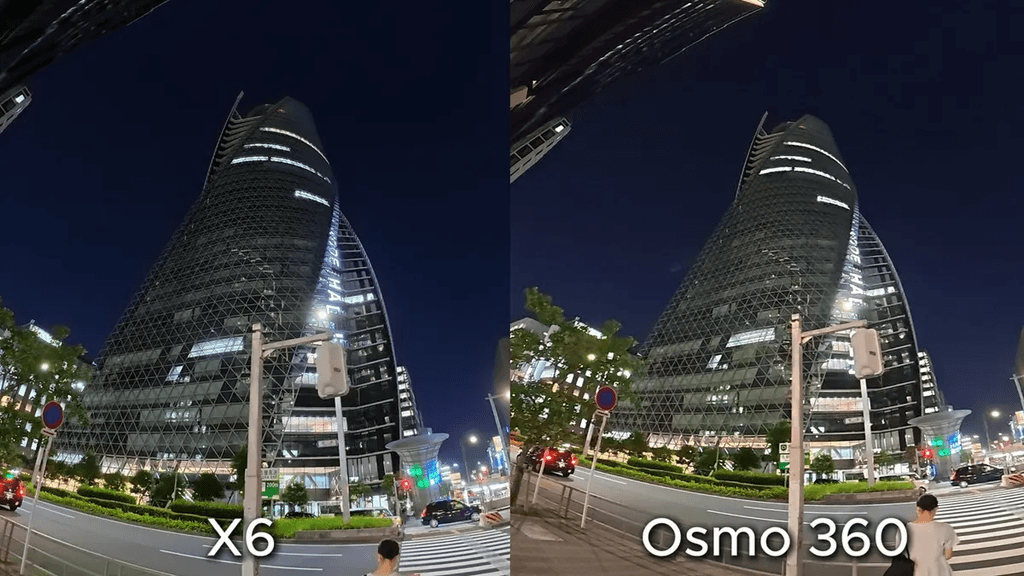
The X6's Sony Sensor Brings a Different Color Look
Both use 1/1.1-inch sensors; the X6's are Sony-made.
Compared with the X4 and X5's punchier colors, the X6 has a more restrained, GoPro-like look. Existing Insta360 users may find it less vivid at first.
The Osmo 360 II retains DJI's familiar color style. Which look is better comes down to taste.
360 Video Image Quality Comparison
Fine Detail Comparison
4K Single-Lens Image Quality ↓
120MP Photo Detail ↓
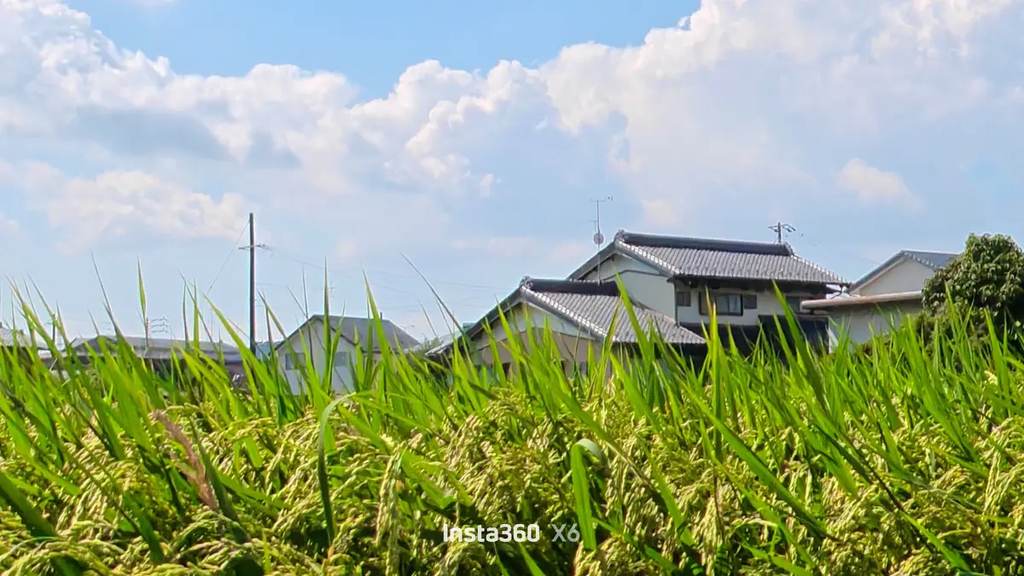
The X6 resolved slightly more detail in these 120MP crops, but the difference was too small to call a clear winner.
Osmo 360 II: 4K 240fps and AI Frame Interpolation
The Osmo 360 II shoots 4K 240fps, and DJI claims up to 64× slow motion with AI frame interpolation. It's impressive for specialized action shots, though I'd rarely use the full effect.
More concerning: 8K 60fps overheated after about 20 minutes in my test. That limits the appeal of its higher frame rate for extended action recording.
Design and Handling
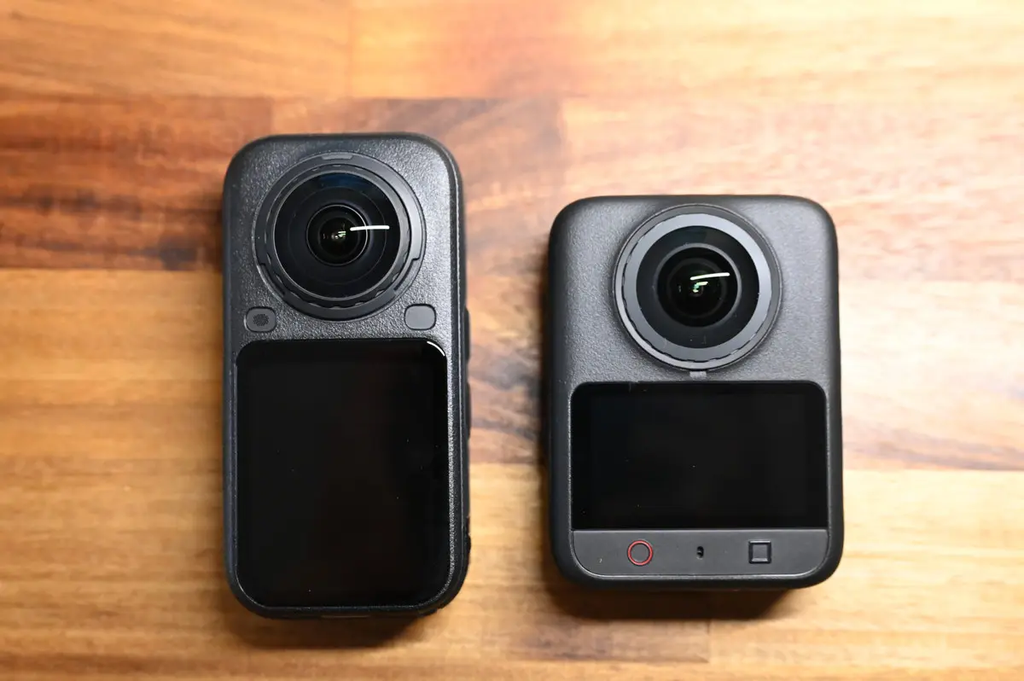
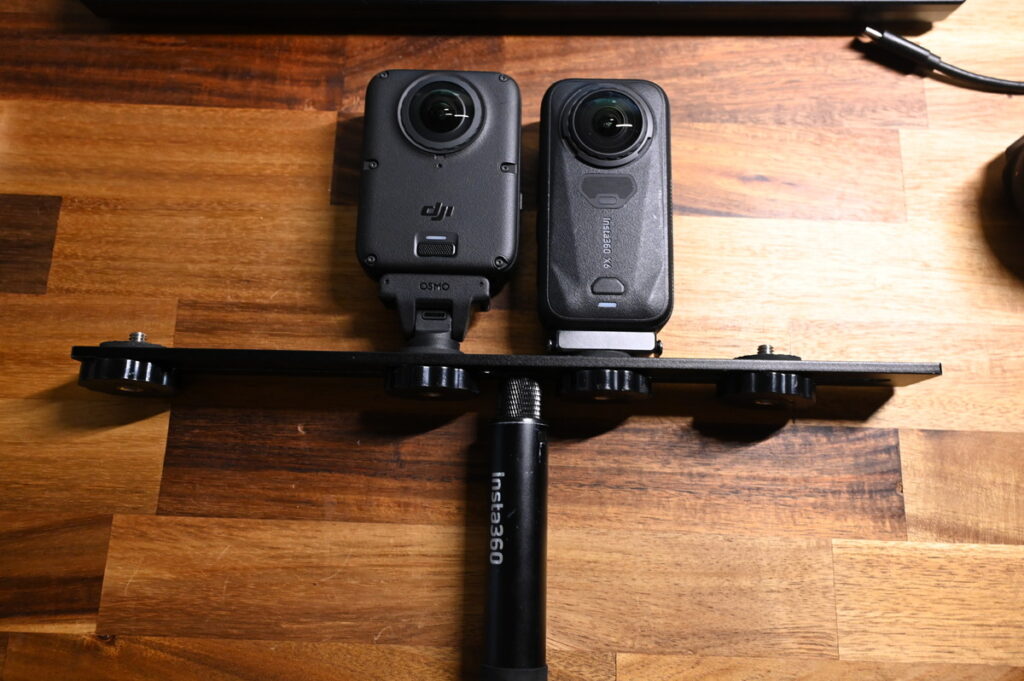
The Insta360 X6 is taller and slimmer, making one-handed shooting easier. DJI's shorter, wider body is harder to grip without getting fingers near a lens.
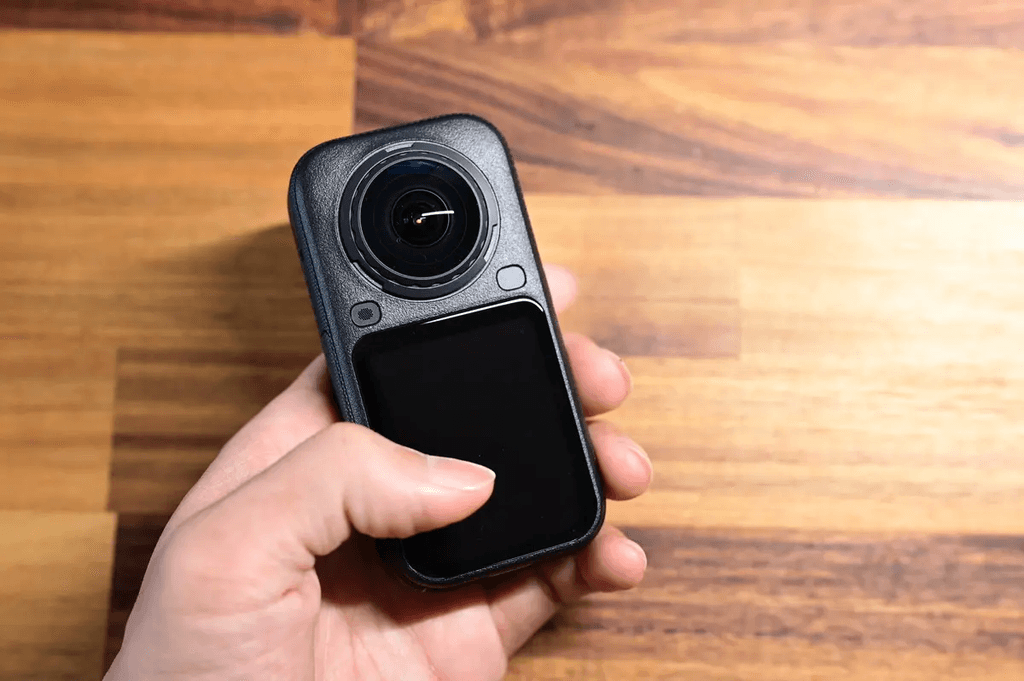
Overall size is similar, but I found the X6's grip and touchscreen easier to use, particularly with smaller hands.
Battery Life: Real-World Tests
Rated 8K 30fps battery life is 140 minutes for the X6 and 100 minutes for DJI. Here are my two runs with each camera:
| Test | Insta360 X6 | DJI Osmo 360 II |
|---|---|---|
| Rated Battery Life (8K 30fps) | 140 minutes | 100 minutes |
| First Test | 160 minutes | 88 minutes 14 seconds |
| Second Test | 156 minutes | 86 minutes |
| Difference from Rated Figure | Approx. 14% longer | Approx. 12% shorter |
- The X6 recorded for more than 10% longer than its rated figure, while the Osmo 360 II ran for more than 10% less than its rated figure
- That works out to roughly 1.81× the battery life for the X6, rather than the 1.4× difference suggested by the spec sheet
- For all-day travel filming or event coverage, those extra 70-plus minutes mean more footage and potentially one fewer battery change
Overheating: The Osmo 360 II Shut Down
| Test | Insta360 X6 | DJI Osmo 360 II |
|---|---|---|
| Screen Limitation | None at 30°C | After approx. 20 minutes at 25°C |
| Thermal Shutdown | None at 30°C | Stopped after 67 minutes at 25°C |
| Recording While Charging | None during more than 7 hours of continuous recording | Overheating after approx. 20 minutes at 8K 30fps |
- After about 20 minutes, the first symptom appeared: the screen turned off
- At 67 minutes, recording stopped because of overheating
These results were recorded with the camera stationary at 25°C. Temperature, airflow, and shooting conditions can change the outcome.
The X6 recorded for more than seven hours while charging without overheating in my test. That makes the X6 my preference for long rides and extended shoots, though other conditions may produce different results.
Weight and Portability: When Does a 13g Difference Matter?
The DJI Osmo 360 II weighs 183g versus 196.5g for the Insta360 X6 . That 13.5g saving is barely noticeable on a selfie stick but matters more for helmet-mounted shooting.
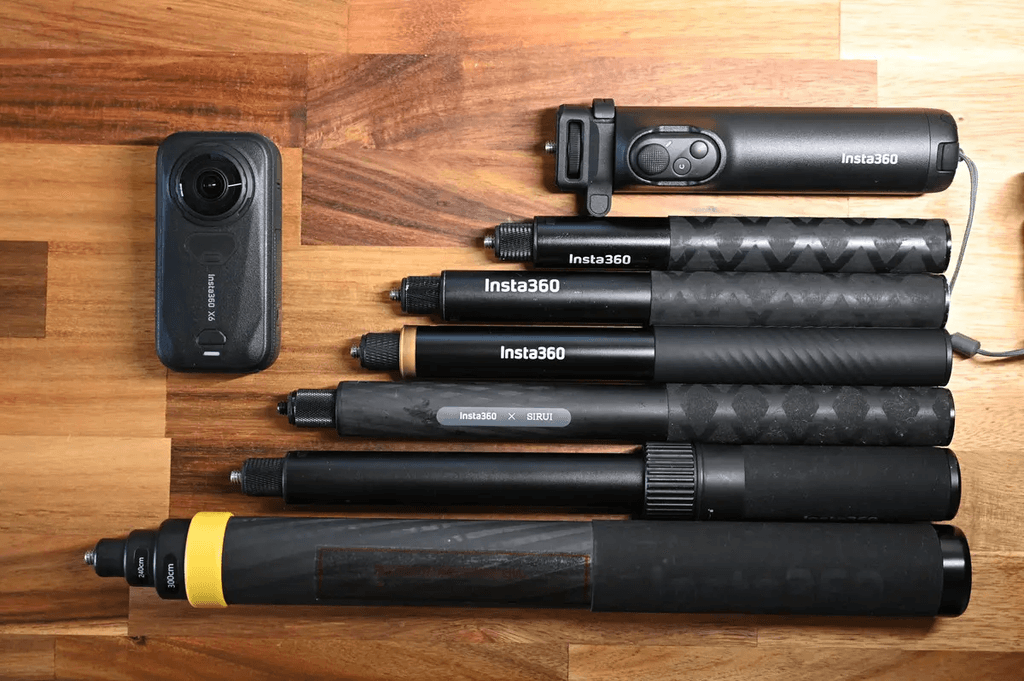
Both measured weights were within 1g of their listed figures.
Built-In Storage
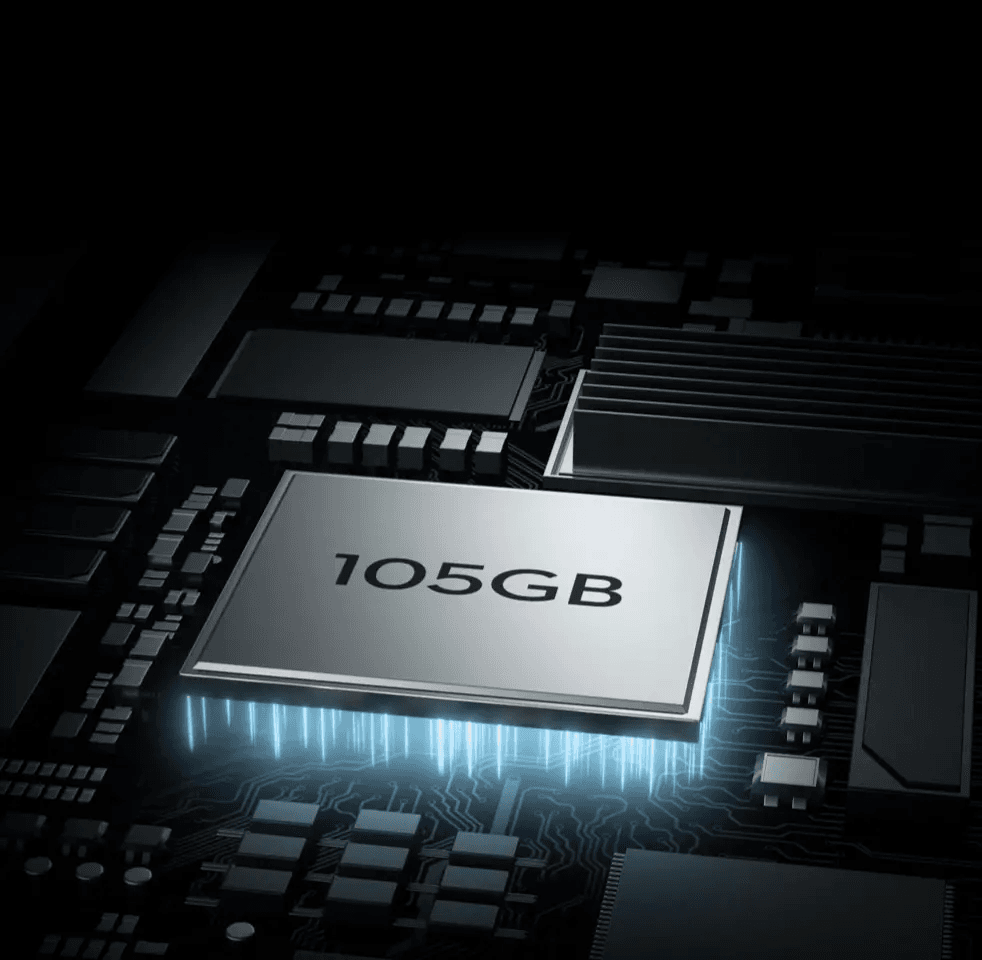
The DJI Osmo 360 II provides 105GB of usable storage, versus 47GB on the Insta360 X6 . At my test settings, the extra 58GB holds roughly one more hour of 8K footage.
| Test | Insta360 X6 | DJI Osmo 360 II |
|---|---|---|
| Usable Built-In Storage | 47GB | 105GB |
| Storage Used per 10 Minutes | 9.2GB | 9.2GB |
Both used about 9.2GB per 10 minutes in this test. For regular shooting, I'd use a compatible 256GB or larger microSD card and keep internal storage as a backup.
Microphones and Audio: A Key Detail for Motorcycle Riders
| Test | Insta360 X6 | DJI Osmo 360 II |
|---|---|---|
| Microphone Wind Protection | Front + omnidirectional | Front |
| Audio Modes | Auto / wind reduction / voice enhancement / stereo / 360° audio | Auto / engine sound enhancement |
This comes down partly to personal preference. Both cameras have good microphones.
The X6's Engine Sound Enhancement Mode
With the X6's engine sound enhancement enabled, my test captured clear engine audio with no audible wind noise, even with wind blowing directly at the camera. It's a useful feature for motorcycle riders.
Editing and Apps: Quick Sharing vs. Hands-On Post-Production
The Insta360 X6 favors quick phone edits and AI-generated videos. The DJI Osmo 360 II offers NFC connectivity and a DaVinci Resolve plugin for hands-on desktop editing.
App Test: Tracking Took Five to Six Times Longer
| Test | Insta360 X6 | DJI Osmo 360 II |
|---|---|---|
| App Stability | Stable | Somewhat inconsistent |
| Responsiveness | Snappy | Sluggish |
| One-Tap Tracking (25-Second Clip) | 5 seconds | 31 seconds |
| Tracking Processing Time per Second of Footage | Under 1 second | Approx. 5 seconds |
| Automatic Editing | Fully automatic | — |
Tracking a 25-second clip took 5 seconds in Insta360's app versus 31 seconds in DJI's. DJI's footage was already downloaded to my phone, and both used reduced-quality, high-speed editing modes. These results reflect that setup.
AI Automatic Editing
I gave each app five matching walking scenes, generated one edit using the first template, and made no manual adjustments.
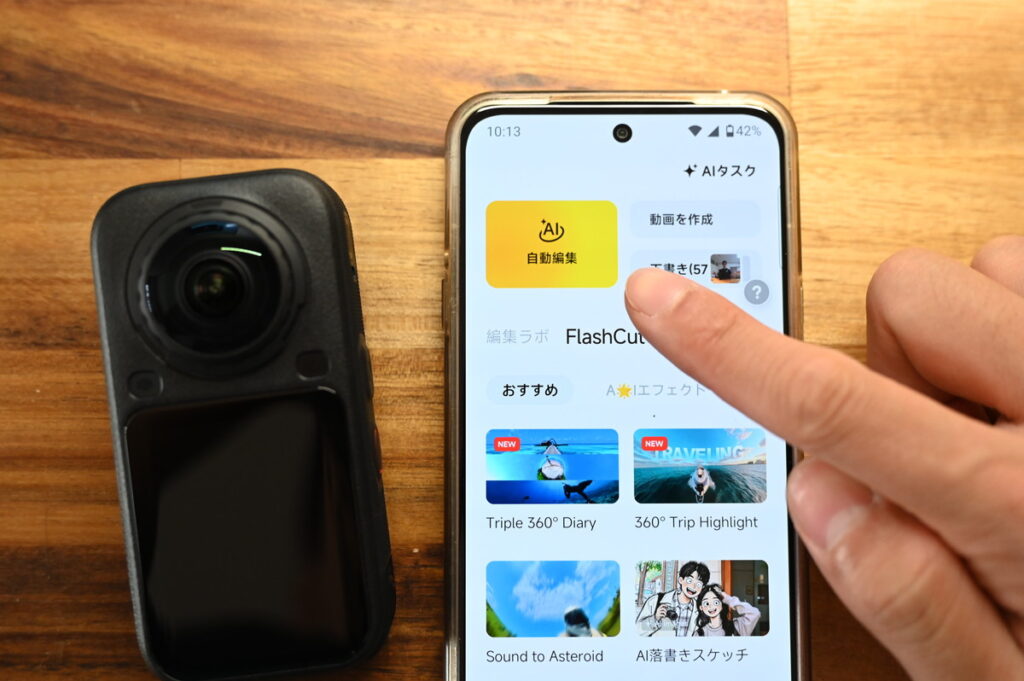
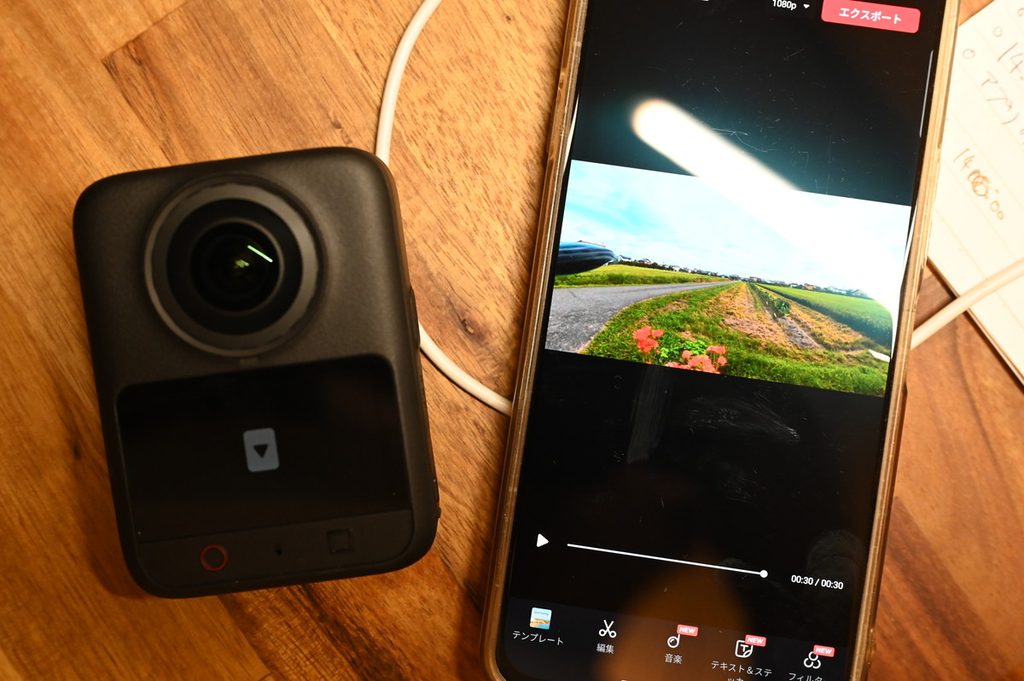
The X6 selected varied views with better pacing and transitions. DJI repeated similar framing across the clips. Here are the exports ↓
I also tried vertical videos for Stories and Reels. The result was similar ↓
The vertical edits showed the same pattern: the X6's was more engaging, while DJI's felt repetitive.
I'd happily use the X6's automatic edits; DJI's still needed work. For beginners who want a finished video without learning 360 reframing, this is a strong reason to choose the X6.
The X6's Fully Automatic Video Creation
Insta360 X6‘s AI Director creates edits in the background while charging with sufficient battery, reducing time spent waiting in the app.
After a 30-minute bike ride to a store, I plugged the camera in. A finished video was ready the next morning, with no manual shot selection or framing. Here's the result ↓
For quick phone edits, I'd choose Insta360. DJI makes more sense if you plan to work manually in DaVinci Resolve.
Quick sharing and phone editing 👉 Insta360 X6
Manual exposure and color work in DaVinci Resolve 👉 DJI Osmo 360 II
X6-Exclusive Features: POV, Gimbal Mode, and Spatial Capture
The X6 adds three creative options beyond standard 360 recording:
| Feature | Insta360 X6 | DJI Osmo 360 II |
|---|---|---|
| POV Shooting | Head-tracked view | Forward-facing only |
| Gimbal Function | ✓ | — |
| Pet Tracking | ✓ | — |
| Spatial Capture | ✓ | — |
POV Mode
The POV Tracker lets the X6 frame the direction you're looking in real time. The camera doesn't physically turn; it selects that view from its 360 capture.
Gimbal Mode
A joystick-equipped selfie stick lets you steer the view like a gimbal camera. Enable tracking to keep the framing on your subject.
The controls feel similar to the Insta360 Flow 2 Pro, giving the X6 another useful shooting mode.
Spatial Capture and 3D Reconstruction
Spatial capture is aimed more at professional 3D and mapping workflows than everyday filming.
- 360° drone surveying
- Architecture and property walkthroughs
- VR and gaming
- Disaster-site surveys
Prices and Bundles
Compare the complete kit, not just the camera. Add the batteries, mounts, charging hub, and warranty coverage you'd actually buy before deciding whether a bundle offers better value.
DJI Osmo 360 II Prices
| Bundle | Price (USD) |
|---|---|
| Standard Combo | $571 |
| Essential Combo | $659 |
| Limitless Riding Combo | $606 |
| Adventure Combo | $678 |
| Diving Combo | $724 |
| Motorcycle Multi-POV Combo | $733 |
| Road Cycling Rear-POV Combo | $738 |
| Road Cycling POV Combo | $655 |
| Neck Mount Combo | $607 |
| Skiing Multi-Angle Combo | $666 |
| Vortex Combo | $698 |
Insta360 X6 Prices
| Bundle | Price (USD) |
|---|---|
| Standard Bundle | $699.99 |
| Essentials Bundle | $799.99 |
| Travel Bundle | $749.99 |
| Motorcycle Multiview Bundle | $794.99 |
| Invisible Dive Bundle | $929.99 |
| Get-Set Bundle | $729.99 |
| Road Cycling Bundle (Integrated) | $844.99 |
| Road Cycling Bundle (Independent) | $844.99 |
| Snowboard Bundle | $754.99 |
| Creator Bundle | $839.99 |
| Car Bundle | $779.99 |
| Ski Bundle | $794.99 |
| POV Bundle | $819.99 |
Should You Upgrade Your Current Camera?
Upgrading from the X4 or X5
For X5 owners, I'd upgrade to the X6 for long-recording reliability and better automatic edits, rather than image quality alone.
Check sample footage first: the X6's more restrained colors may look less vivid than your X5.
On a Budget? I'd Pick the X4 Air Over the Osmo 360 II
If budget matters more than flagship specs, consider the Insta360 X4 Air:
- Battery life holds up well
- Smaller and lighter body
- Replaceable lenses, too
- Access to the same responsive, approachable Insta360 editing app
Its biggest appeal to me is the same approachable Insta360 editing workflow.
DJI saves US$128.99 over the X6, but its shorter battery life, heat limits, and slower app make that saving less attractive to me.
Frequently Asked Questions
Is There a Big Image Quality Difference Between the Insta360 X6 and DJI Osmo 360 II?
Does the DJI Osmo 360 II Really Overheat?
How Long Does the Insta360 X6 Battery Last in Real Use?
Does 47GB vs. 105GB of Built-In Storage Make a Big Difference?
On a Tight Budget, Should I Buy the Osmo 360 II or X4 Air?
Is It Worth Upgrading from the X5 to the X6?
Insta360 X6 vs DJI Osmo 360 II: Which Should You Buy?
At US$571, the DJI Osmo 360 II offers 8K 60fps, more storage, and a lighter body. Those advantages matter most if you specifically need higher frame rates or a lighter helmet setup.
The Insta360 X6 costs US$699.99, or US$128.99 more. In my tests, it delivered about 1.81× the battery life, faster tracking, and more usable AI edits. Those benefits mattered more to me than DJI's headline specs.
I'd buy the X6 for long shoots and phone editing, or consider the X4 Air to spend less. Choose DJI if its slow-motion modes, Resolve workflow, or existing accessories better fit your needs.
Also consider file handling, lens replacement, and accessory availability. They matter long after the spec comparison.
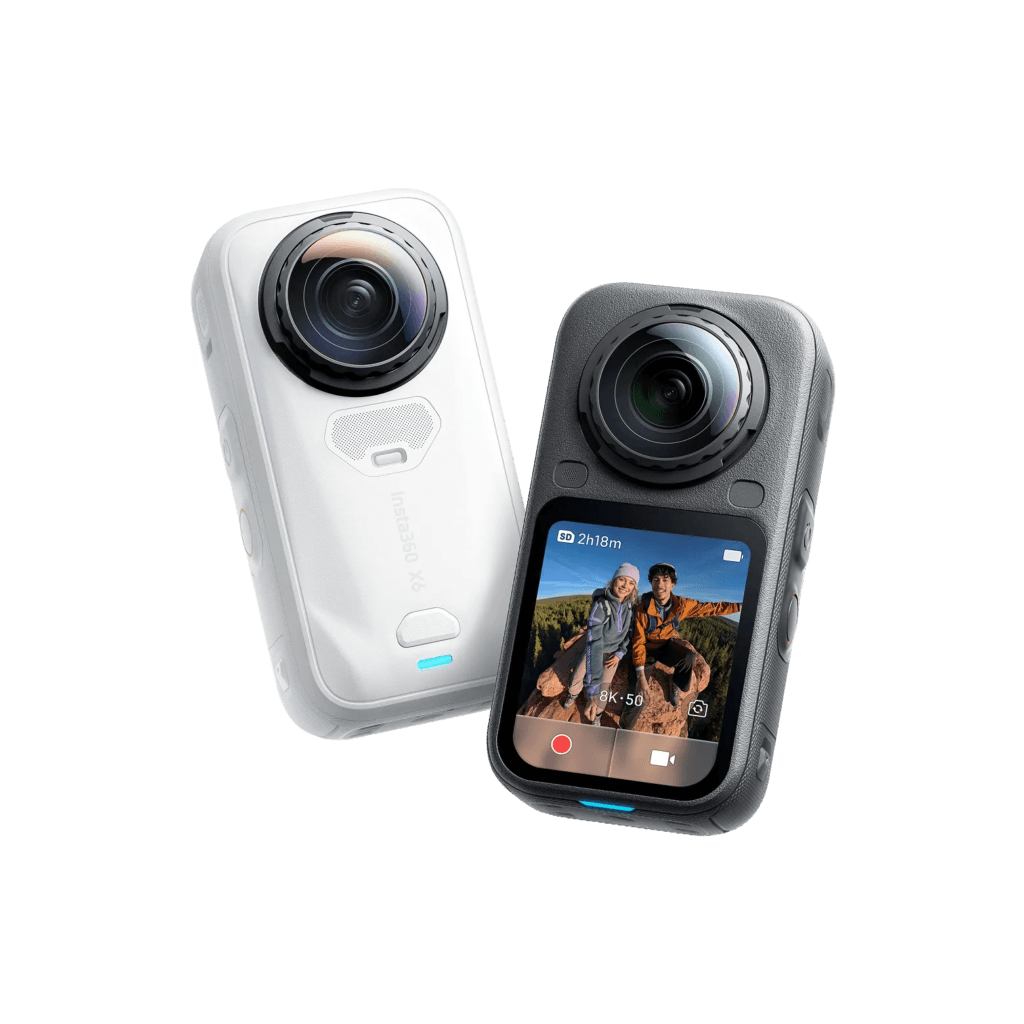
Insta360 X6
Insta360's flagship 8K 360 camera features 1/1.1-inch Sony sensors, 160 minutes of battery life without thermal shutdown in my test, and fully automatic AI editing. It also offers POV and gimbal-style shooting modes.
DJI Osmo 360 II
DJI's next-generation 360 camera combines dual 1-inch-class sensors with native 8K 60fps capture for smooth, expansive footage in every direction.