If you're shopping for a pocket vlogging camera with a 1-inch sensor and a three-axis gimbal, you've probably narrowed it down to two options: the Insta360 Luna Ultra, Insta360's first pocket gimbal camera, and the DJI Osmo Pocket 4P, which DJI calls its most powerful Pocket camera yet.
Both cameras offer large sensors, optical zoom, and gimbal stabilization, making them direct competitors on paper. But they take different approaches: one is a flagship vlogging camera packed with 8K video and Leica color profiles; the other promises 17 stops of dynamic range and a cinematic look in a pocket-size gimbal camera.
In this Insta360 Luna Ultra vs DJI Osmo Pocket 4P comparison, I'll walk you through specs, image quality, zoom, stabilization, battery life, and price in plain English, then help you decide which pocket gimbal camera to buy in 2026.
Insta360 Luna Ultra vs DJI Osmo Pocket 4P: Specs Compared
Let's start with the key specs side by side:
| Feature | Insta360 Luna Ultra | DJI Osmo Pocket 4P |
|---|---|---|
| Camera Overview | ||
| Positioning | Flagship dual-lens pocket gimbal camera with modular design, AI, and Leica colors | Flagship dual-lens pocket gimbal camera focused on proven stabilization and image quality |
| Imaging Performance | ||
| Sensor | Main wide-angle: 1-inch CMOS Telephoto: 1/1.3-inch CMOS |
Main wide-angle: 1-inch CMOS Medium telephoto: 1/1.28-inch CMOS |
| Lens / Aperture | Wide-angle: 20mm f/1.8 prime Telephoto: 70mm f/2.0 prime Co-engineered Leica Summicron optics |
Wide-angle: approx. 20mm f/2.0 prime Medium telephoto: approx. 60mm f/1.8 prime |
| Optical Zoom | Up to 6× lossless optical zoom; 1–12× hybrid zoom overall ↑ Seamless lens switching | Native medium telephoto lens plus lossless crop zoom; 1–12× hybrid digital zoom overall |
| Photo Resolution | Main camera: 37MP Panorama mode: up to 200MP |
Main camera: approx. 37MP |
| Video Specs | 8K/24fps Dolby Vision, 4K/120fps, 10-bit i-Log | 4K/120fps, 4K/240fps slow motion 10-bit D-Log 2, 17 stops of dynamic range |
| AI and Tracking | ||
| Tracking System | Triple AI chips; DeepTrack 3.0 with multiple-subject tracking and occlusion resistance Ear-worn head-tracking module: film where you look Exclusive feature |
ActiveTrack 6.0 Face / body / pet tracking |
| Body Design | ||
| Screen | Detachable 2-inch OLED screen that doubles as a wireless remote Magnetic modular design Exclusive feature |
Attached 2.5-inch OLED rotating screen; remote control through the phone app, rather than a detachable remote screen |
| Stabilization | Three-axis mechanical gimbal stabilization | Three-axis mechanical gimbal stabilization |
| Weight | 233g | Approx. 230g |
| Hardware | ||
| Built-In Storage | 47 GB | 107GB built in ↑ Advantage |
| Audio Recording | 32-bit float recording support for greater protection against clipping↑ Upgraded spec | Four-microphone array |
| Battery Life | 240 minutes ↑ Advantage | 210 minutes |
| Best Uses | ||
| Best For | Travel, outdoor adventures, head-tracked POV footage, wide-to-telephoto zoom, modular remote control, and Leica color fans | Professional vlogging, cinematic footage, precise manual exposure, and detailed color grading |
The spec sheet makes it clear: the Luna Ultra has the edge in 8K recording, zoom range, its detachable screen, and battery life.
Osmo Pocket 4P counters with a slightly lighter body, 4K 240fps super slow motion, and a bright f/1.8 medium telephoto lens.
In practice, though, the gap between these cameras isn't as large as the specs suggest.
|
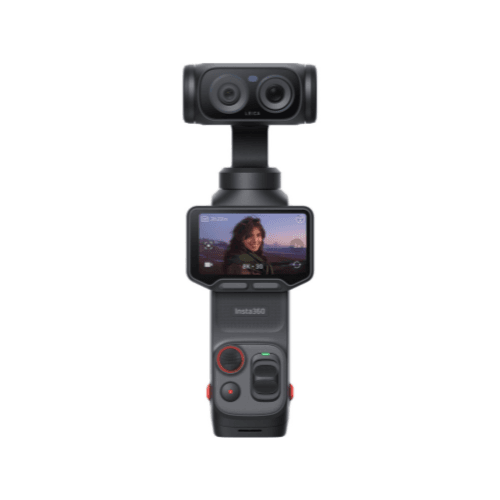
Insta360 Luna Ultra
Flagship 8K Pocket Gimbal Camera
|
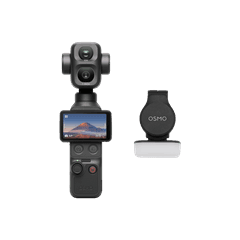
DJI Osmo Pocket 4P
The Latest Osmo Pocket Camera
|
|
|---|---|---|
 |
 |
|
| 10-Bit Log Video | ||
| HDR Video | ||
| Panorama Shooting | ||
| 360° Panoramas | ||
| Loop Recording | ||
| Slow Shutter | ||
| Image Rotation (Roll Compensation) | ||
| Detachable Screen | ||
| Lens Cover | ||
| Subject Tracking | ||
| Gesture Control |
Video Image Quality Compared
Let's let the footage speak for itself. Here's how the two cameras look in real-world shooting ↓
Telephoto Lens: The Osmo Pocket 4P Looks Better
When I filmed close-ups of white chrysanthemums, the Osmo Pocket 4P produced a noticeably stronger sense of depth in the background.

I saw the same thing with hydrangeas: the Osmo Pocket 4P produced more layered background blur and a more atmospheric look.

Main Wide-Angle Lens: The Luna Ultra Looks Better
Switching to the standard 20mm wide-angle view, the Luna Ultra produced cleaner, more attractive footage. The

Osmo Pocket 4P showed slightly jagged, rough edges around blurred backgrounds. This is where the Luna Ultra's wider aperture on the main lens gives it a hardware advantage.

For everyday vlogging, the main wide-angle lens is usually the more useful option.
Photo Image Quality Compared
Next, let's compare still photos from both cameras.
Main Wide-Angle Lens (20mm)
At the 20mm-equivalent wide-angle setting, the colors straight out of the cameras look fairly similar. Personally, I prefer the Luna Ultra for its out-of-camera colors.
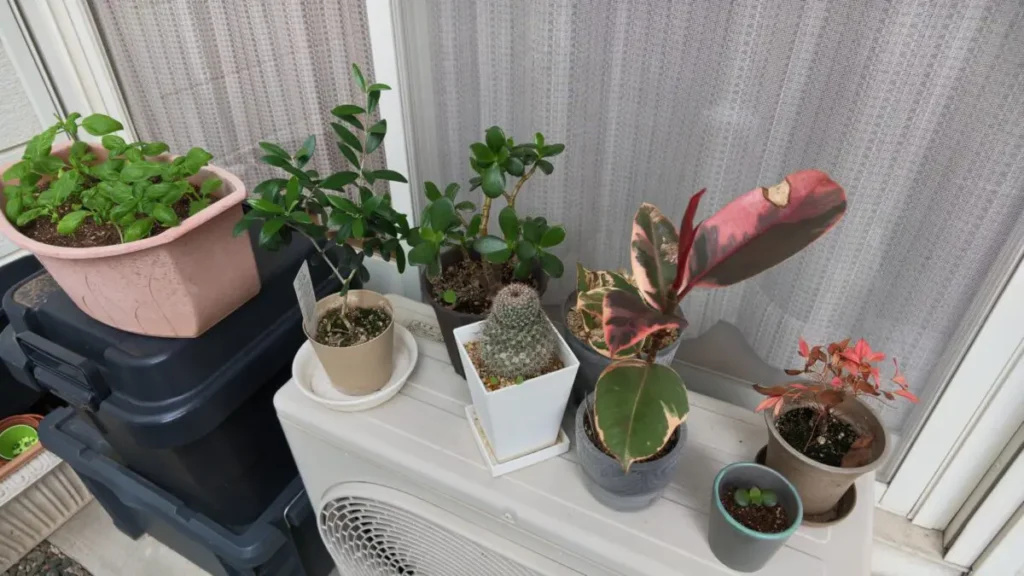
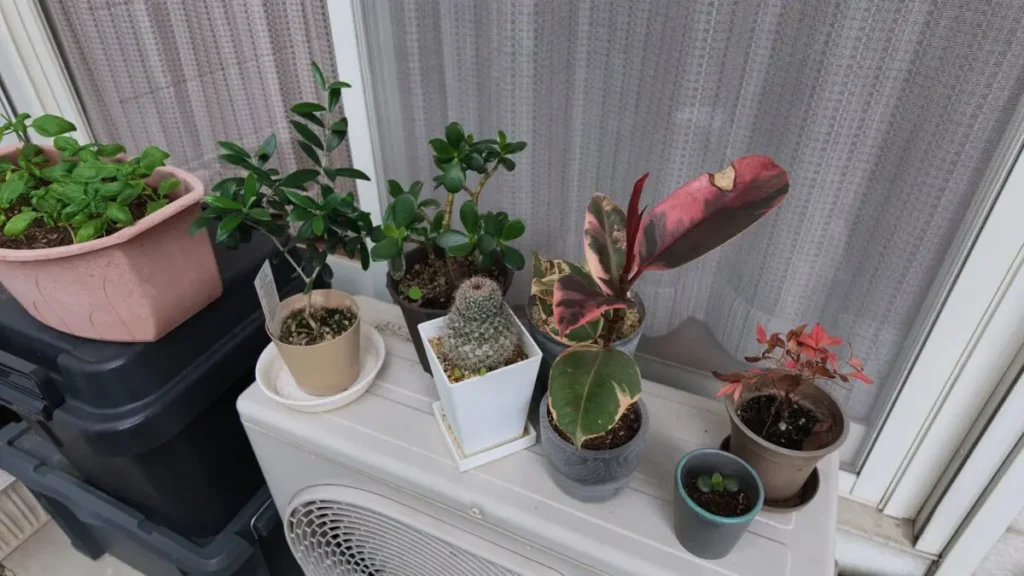
Telephoto Lens (60mm)
The colors differ slightly, and the Osmo Pocket 4P gives the background a stronger sense of depth. Looking closely, my preference is the same as with video: I find the Luna Ultra's main lens easier to get good results with, while the Osmo Pocket 4P is stronger at telephoto. Both produce high-quality images, though, so the overall difference isn't dramatic.


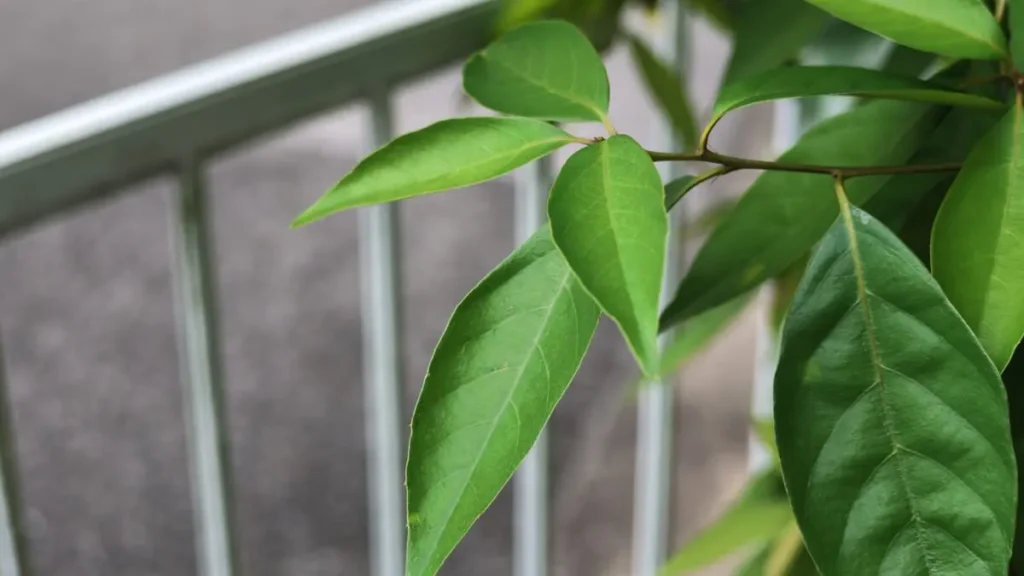
Close-Up Focusing
In use, I noticed a small difference in the cameras' minimum focusing distances.
Testing them at the same distance, I found the Luna Ultra could focus closer. I took the comparison photos up close at 120mm, pushing image quality to its limit. The results make it clear that the Luna Ultra is better suited to close-up shooting than the Osmo Pocket 4P.


Subtle Color Differences
Occasionally, the cameras produce slightly different color temperatures in both photos and video. Unless you're using a film simulation or recording in Log, each camera processes the scene in real time to create its own out-of-camera colors. A slight color shift is normal, and neither camera is necessarily better here. The Osmo Pocket 4P does tend to lean a little cooler and bluer, though.

How Noticeable Is the Switch Between Lenses?
The DJI Osmo Pocket 4P has a very noticeable visual jump when it switches lenses mid-zoom.The main reason is the difference in aperture between the two lenses. The wide-angle lens produces less background blur, while the telephoto lens produces stronger bokeh. That sudden change in blur makes the transition look abrupt.
Design, Handling, and Controls
Design
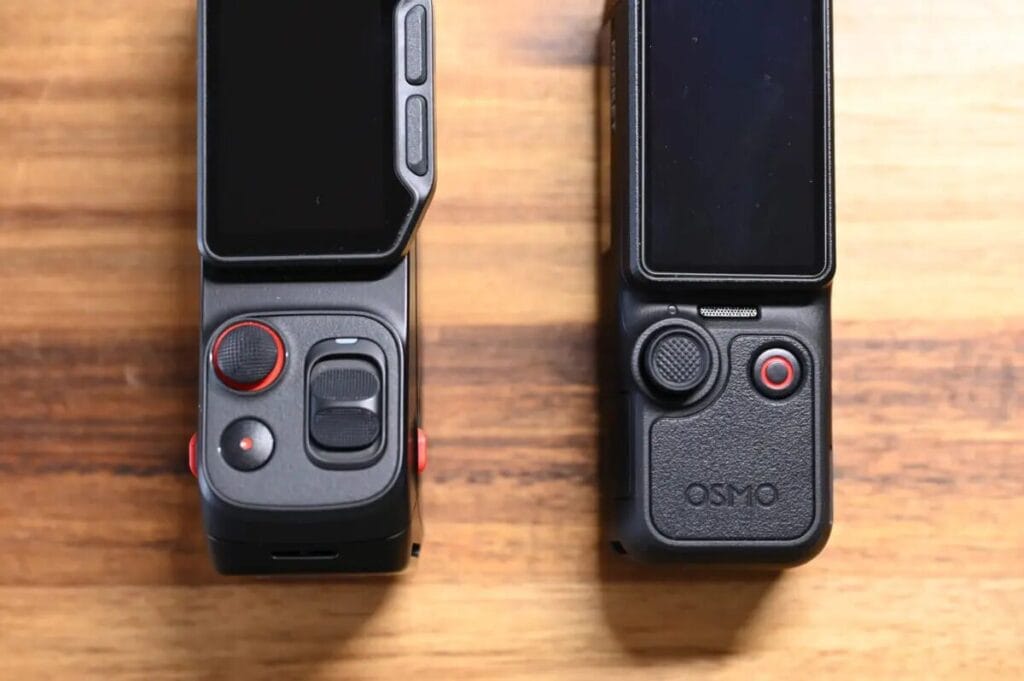
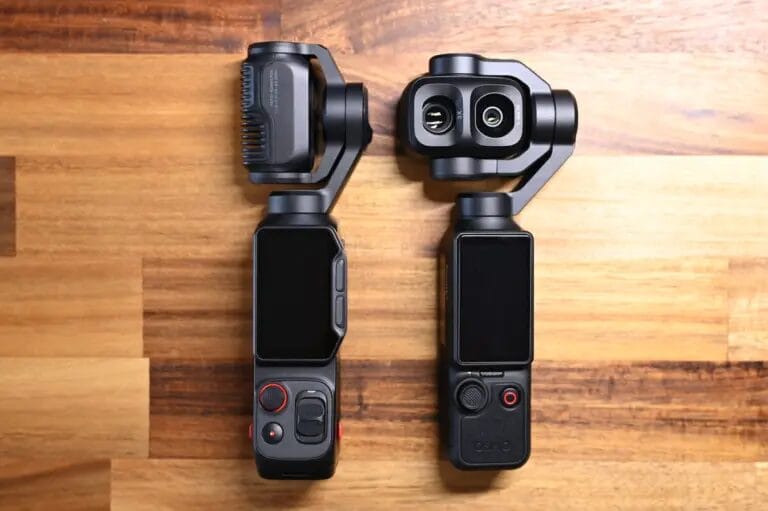
Luna Ultra has a friendly, almost humanlike robot design, while the Osmo Pocket 4P has a cooler, more impersonal tech look.
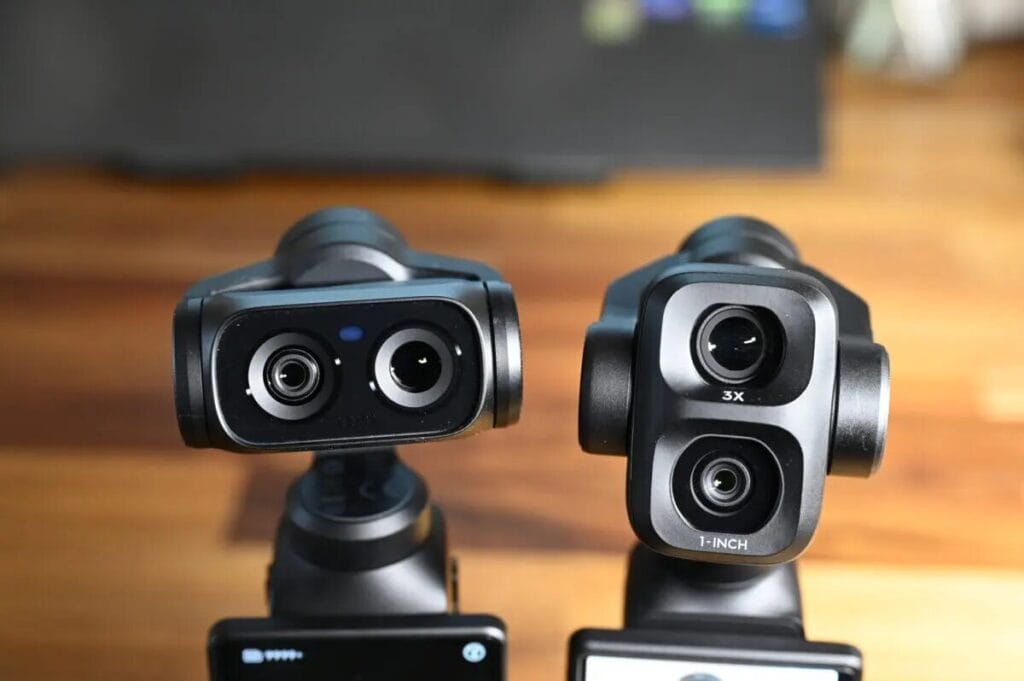
Size and Weight
They're almost identical in overall size. On my scale, the Luna Ultra weighed 229.2g and the Osmo Pocket 4P weighed 231.3g, a difference of only about 2g.
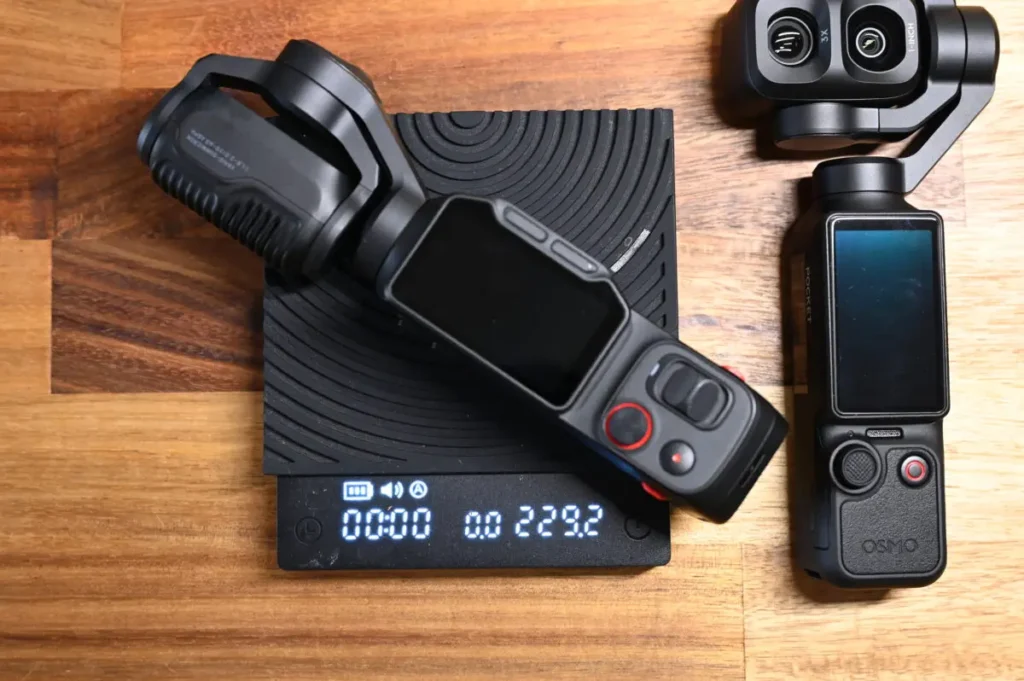
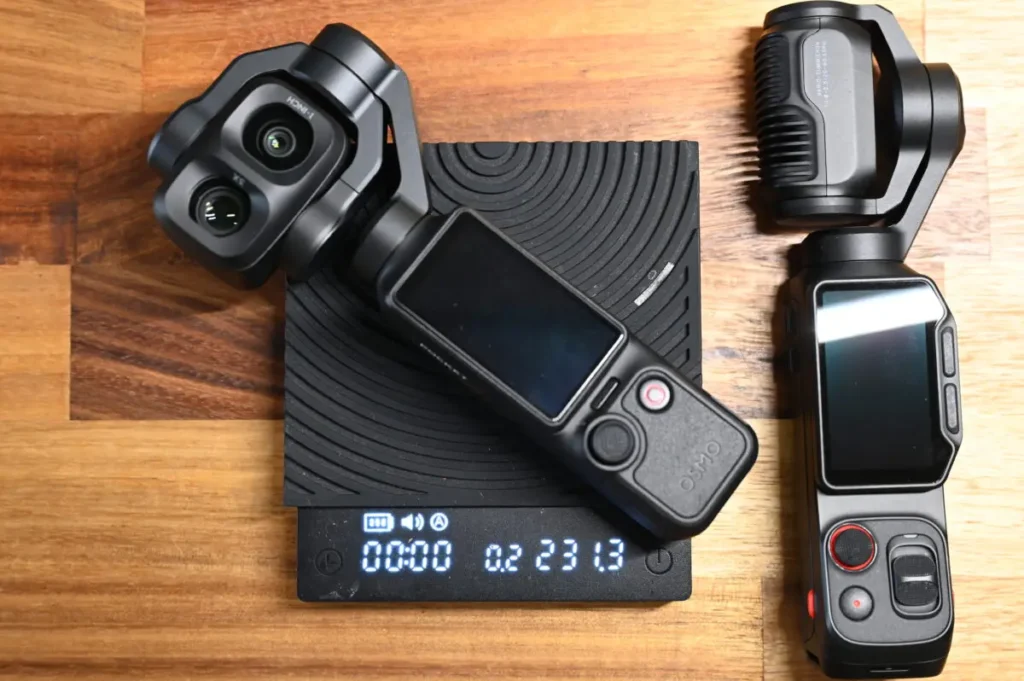
Their weight distribution is quite different, though. The Luna Ultra carries more of its weight in the main body, while the Osmo Pocket 4P has a larger camera module. In the hand, the Luna Ultra feels lighter and easier to handle. The body thickness and how far the camera module protrudes make a difference in balance.
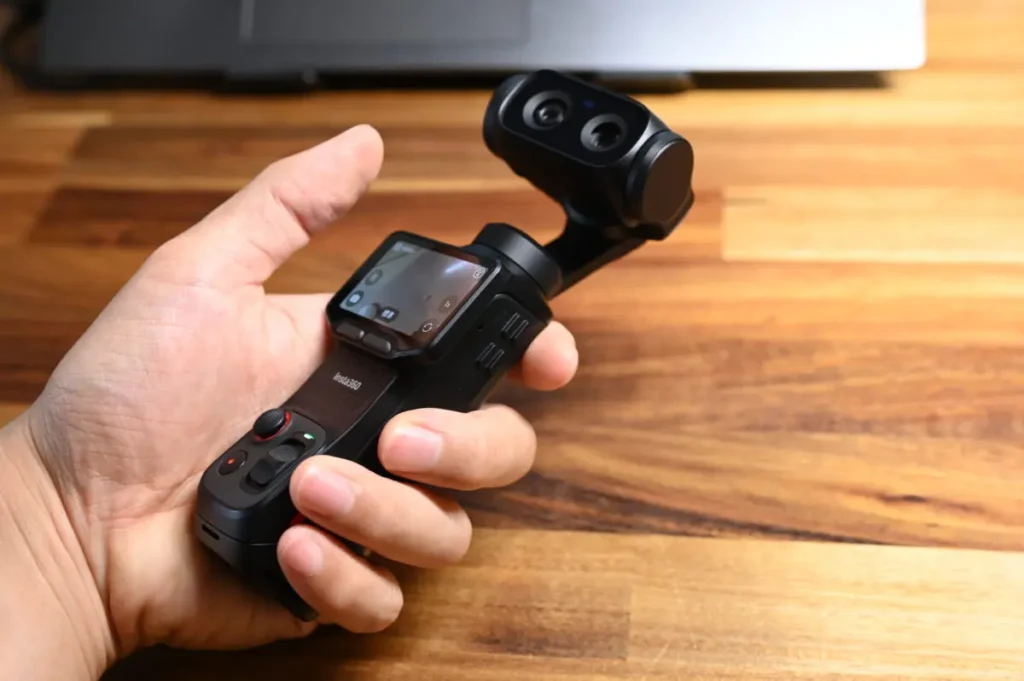
To me, the Luna Ultra's contours also seem better suited to a woman's grip. One other detail: the Osmo Pocket 4P has a lens cover you can remove entirely.
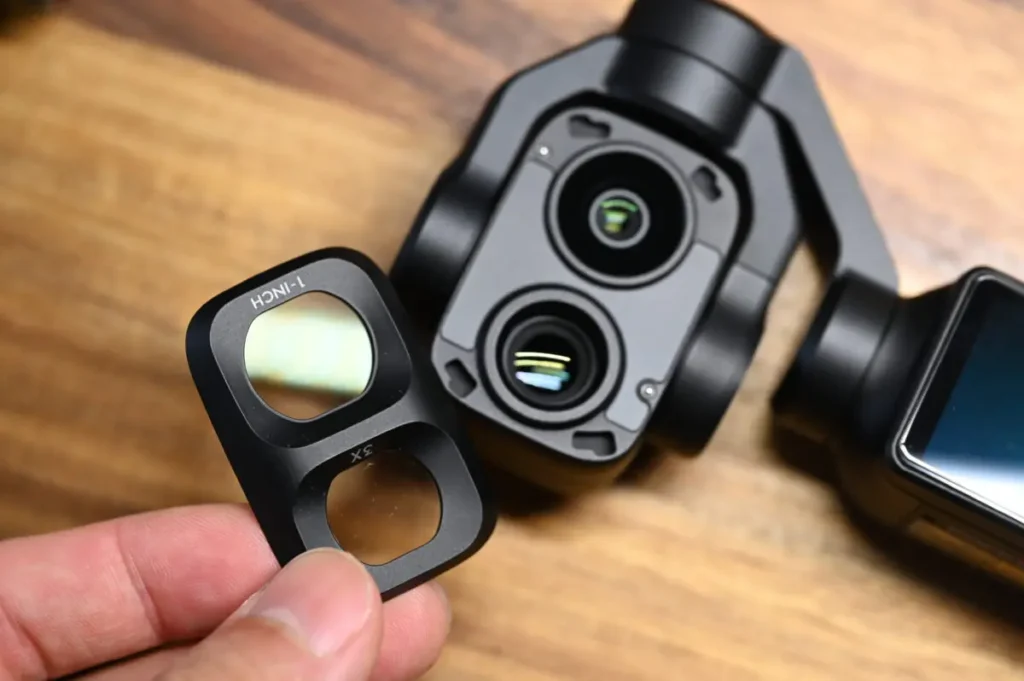
Everyday Controls
The Luna Ultra has a dedicated zoom lever, while the Osmo Pocket 4P has no physical zoom wheel.
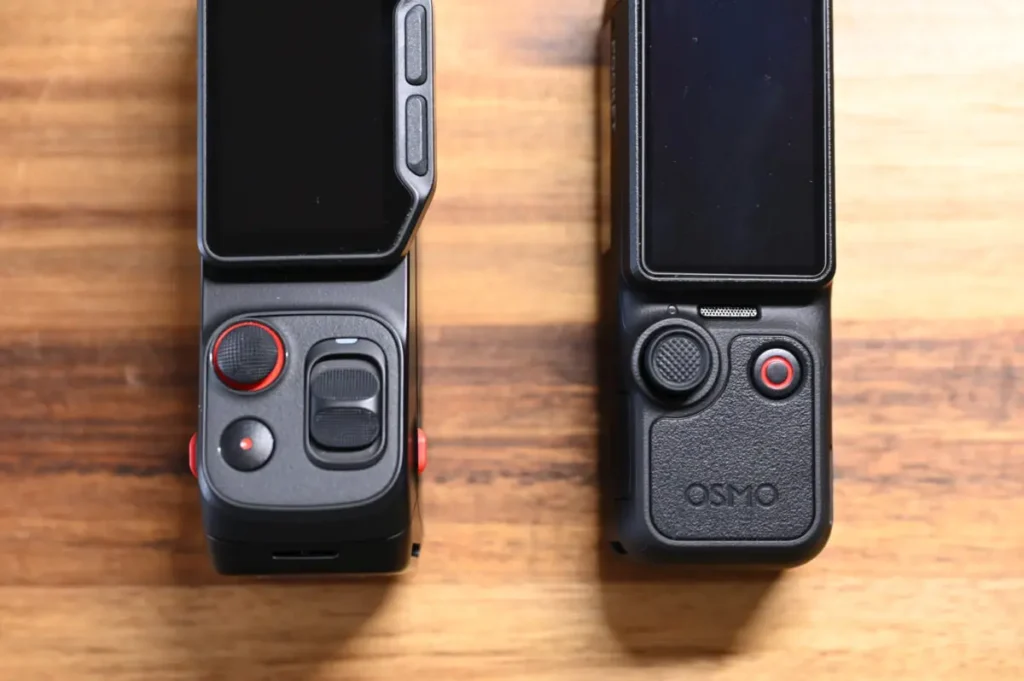
To make up for that, the Osmo Pocket 4P lets you use its on-screen settings after startup to customize the button's long-press action, so you can zoom by holding the button. On the Osmo Pocket 4, you have to switch between gimbal and zoom modes on the screen before using the joystick, which takes more steps. This small change makes the 4P much easier to use.
Luna Ultra gives you a dedicated physical zoom control, making the process more intuitive.
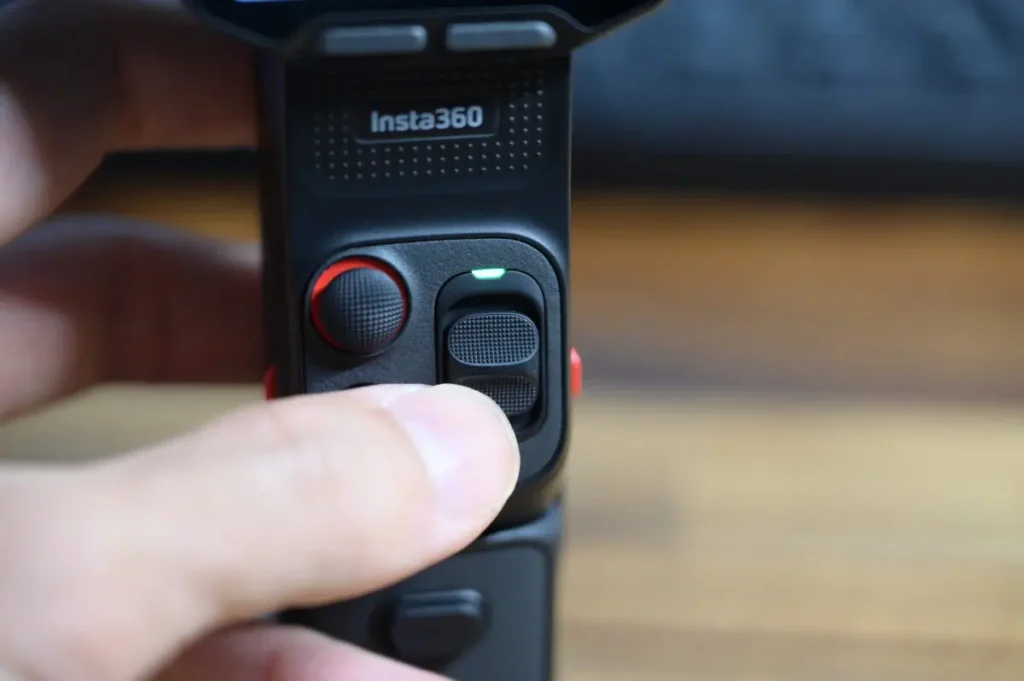
Detachable Screen
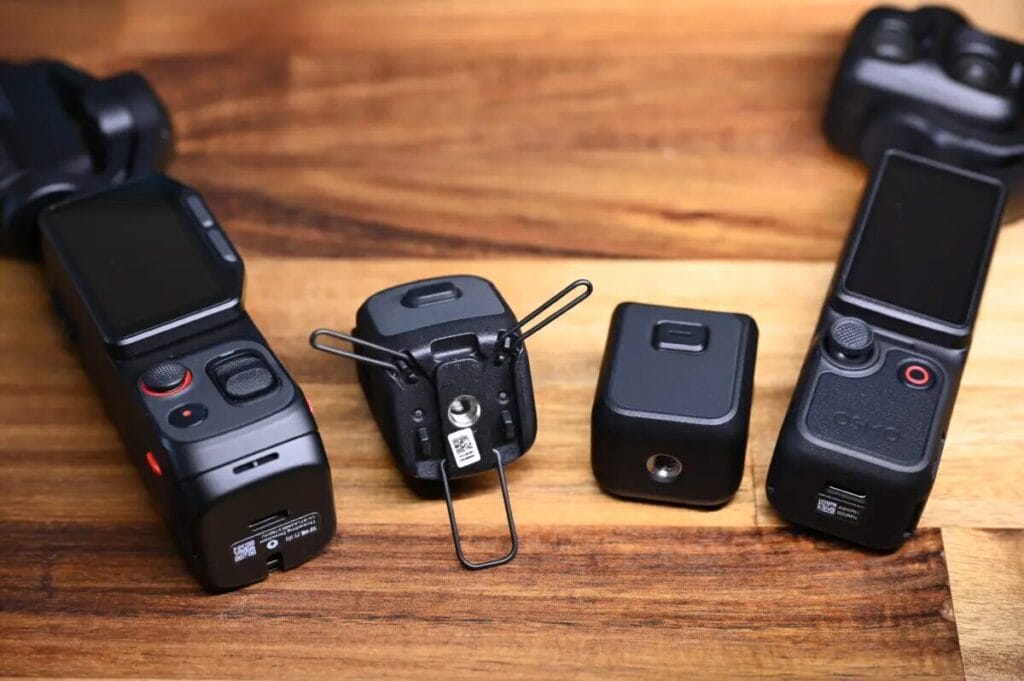
Luna Ultra stands out for its detachable screen. The Osmo Pocket 4P uses the Osmo Frame Tap remote for similar remote-control functionality. This accessory is included in the US$699 Vlog Combo, which still costs US$70.99 less than the Luna Ultra Standard Bundle at US$769.99.
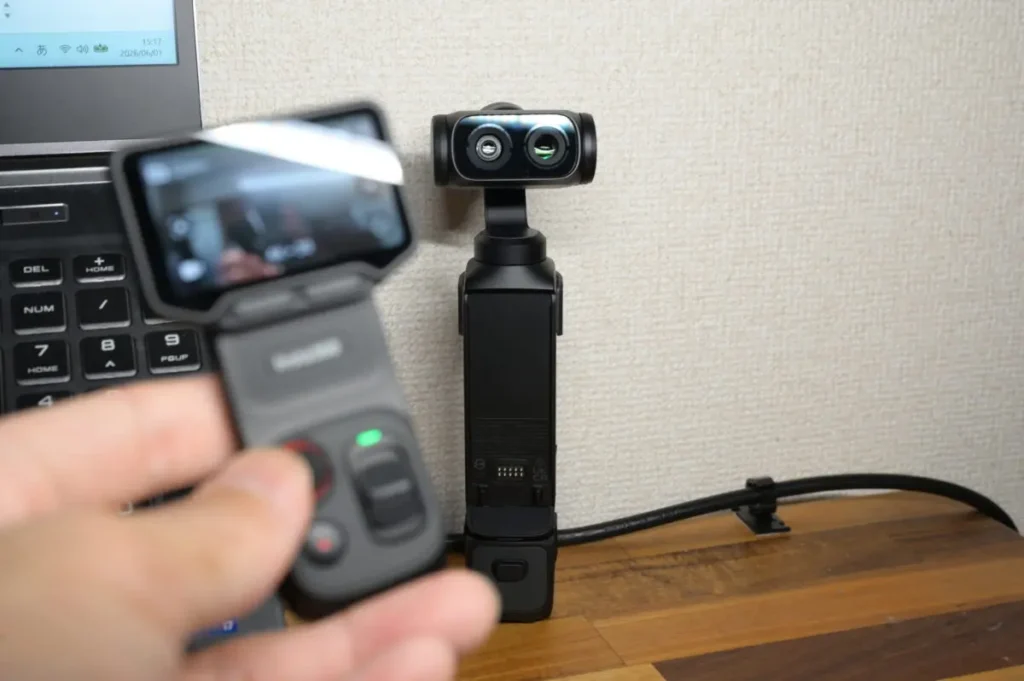
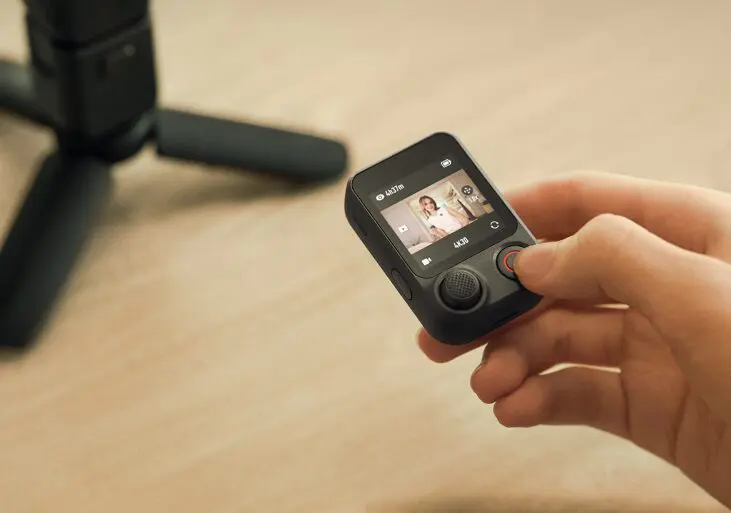
The detachable screen alone doesn't tell the whole story. Think about whether you enjoy a modular design or prefer having everything stored together in one compact setup. If the Luna Ultra's approach appeals to you, the Luna Ultra is well worth considering.
The Luna Ultra Has a Built-In Mini Tripod
Both cameras come with a handheld grip, but the Luna Ultra's grip has a mini tripod built in, so you don't have to carry a separate one.
Filters and Color Profiles Compared
The Luna Ultra Offers More Filters
I love Luna Ultra‘s combination of photo frames and film filters for images straight out of the camera. The Osmo Pocket 4P can't apply filters directly in still-photo mode.
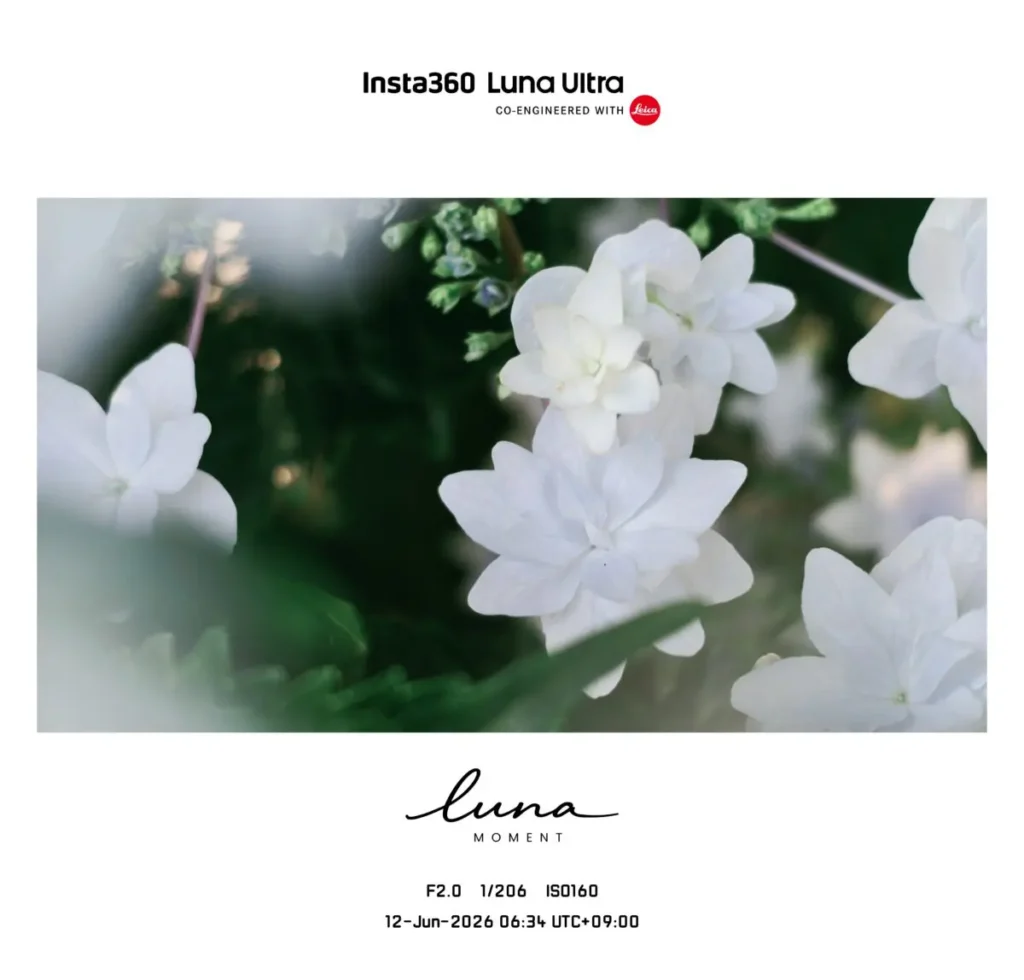

Filter Selection
Luna Ultra has nine built-in filters, compared with six on the Osmo Pocket 4P. Several have similar looks despite different names. Roughly five pairs produce comparable colors:
CC Film = CC Film
NC Film = NC Film
Cinematic = Animation
Soft Pastel = Fresh Tone
Leica Natural = Warm Tone
Osmo Pocket 4/4P Exclusive Filter: Retro
As the name suggests, it creates a vintage, aged look. The change is pronounced: warmer colors and the faded texture of an old photograph give it a strong nostalgic feel.
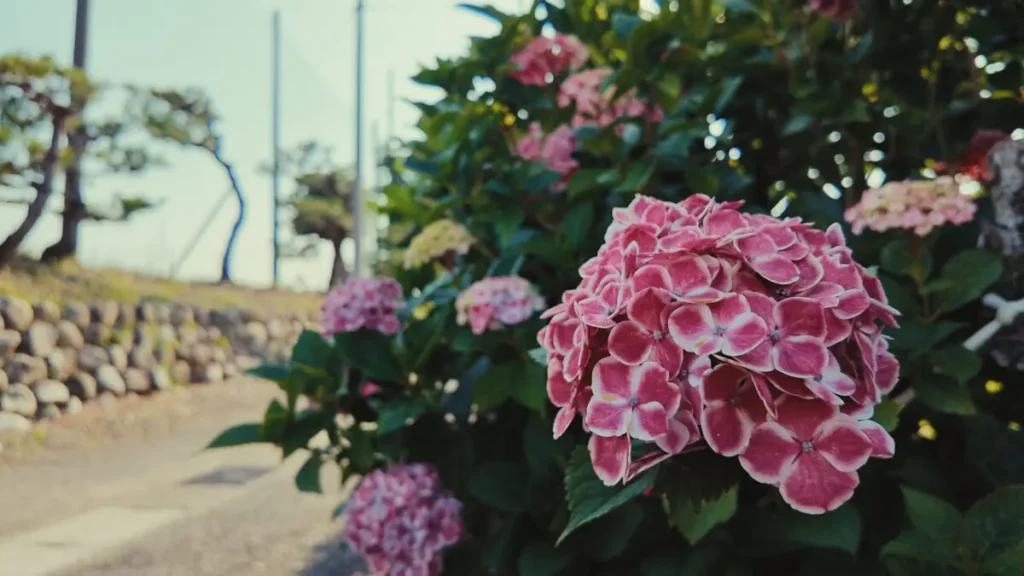
Negative Film Filter: Luna Ultra Exclusive
Next are the filters available exclusively on the Luna Ultra.
Negative film is the familiar film stock used in traditional film cameras. This filter recreates that vintage film look, along the lines of Fujifilm's Classic Negative mode, making it easy to capture moody images that suggest a story. It's both useful and fun to experiment with.

Positive Film Filter: Luna Ultra Exclusive
Positive, or slide, film is the premium professional film stock that contrasts with negative film.
Its colors have a special appeal for film enthusiasts. I used this mode to photograph hydrangeas, and the Luna Ultra beautifully preserved the delicate transitions from white to pink and from pink to purple. It avoids the oversaturation and harsh contrast that some filters introduce. The colors look refined without being overpowering, making it my most-used Luna Ultra filter. The Osmo Pocket 4P doesn't offer an equivalent, which is a shame.


Leica Classic: Luna Ultra Exclusive
The Leica Classic filter has a rich, nostalgic character, and it's another favorite of mine. Saturation is reduced slightly and contrast is increased. Lightly overexposed white highlights look soft, while deeper blacks add weight and dimension to the image.
-1024x576.webp)

It serves a similar purpose to the Osmo Pocket 4P Retro filter, but the Osmo Pocket 4P's version tends to cast a yellow-brown tint over the whole image. The Luna Ultra Leica Classic profile preserves the original colors while adding a subtler vintage treatment. I prefer its overall look.


Leica Vivid: Luna Ultra Exclusive
This filter looks especially good in colorful scenes, making it a great fit for capturing trips abroad.


Real-World Testing: Startup, Resolution, and Heat
Startup Time
Both cameras take about 1–2 seconds to wake up, with almost no noticeable difference.
Resolution and Video Quality
| Model | Maximum Resolution | Video Quality |
|---|---|---|
| Luna Ultra | Up to 8K / 4K | 4K 120fps、1080P 240fps |
| Osmo Pocket 4P | Up to 4K | 4K 240fps |
Insta360 Luna Ultra supports ultra-high-resolution 8K recording, while the DJI Osmo Pocket 4P emphasizes 4K 240fps super slow motion. In my everyday use, though, the Insta360 Luna Ultra's 4K footage already looks good enough. I rarely shoot at 120fps, let alone 240fps for 8× slow motion.
Eight-times slow motion is mostly useful for action footage. For everyday vlogs, 2–4× slow motion is usually plenty, so I wouldn't get too caught up in this part of the spec sheet.
Heat and Overheating
Both camera bodies got hot after more than an hour of regular 4K 60fps recording in my testing, but neither shut down from overheating.
At 8K, the Luna Ultra lasted only 51 minutes before overheating stopped the recording. That suggests a greater risk of thermal shutdown when recording high-bitrate 8K video. The DJI Osmo Pocket 4P takes a more conservative approach with a 4K ceiling to help keep longer recording sessions reliable.
Accessories Compared
Overall, the Luna Ultra has a more thoughtfully developed first-party accessory lineup. The Osmo Pocket 4P focuses on the basics, with fewer creative options. If accessory variety matters to your buying decision, I'd lean toward the Luna Ultra.
POV Head Tracker and Ear Mount
This ear-worn POV accessory makes the gimbal follow your head movements, filming where you look. Fully hands-free shooting makes a huge difference to the experience, which is why this accessory matters so much. Quite a few people buy the Luna Ultra specifically for this setup. For vlogging, it's close to an ideal combination.
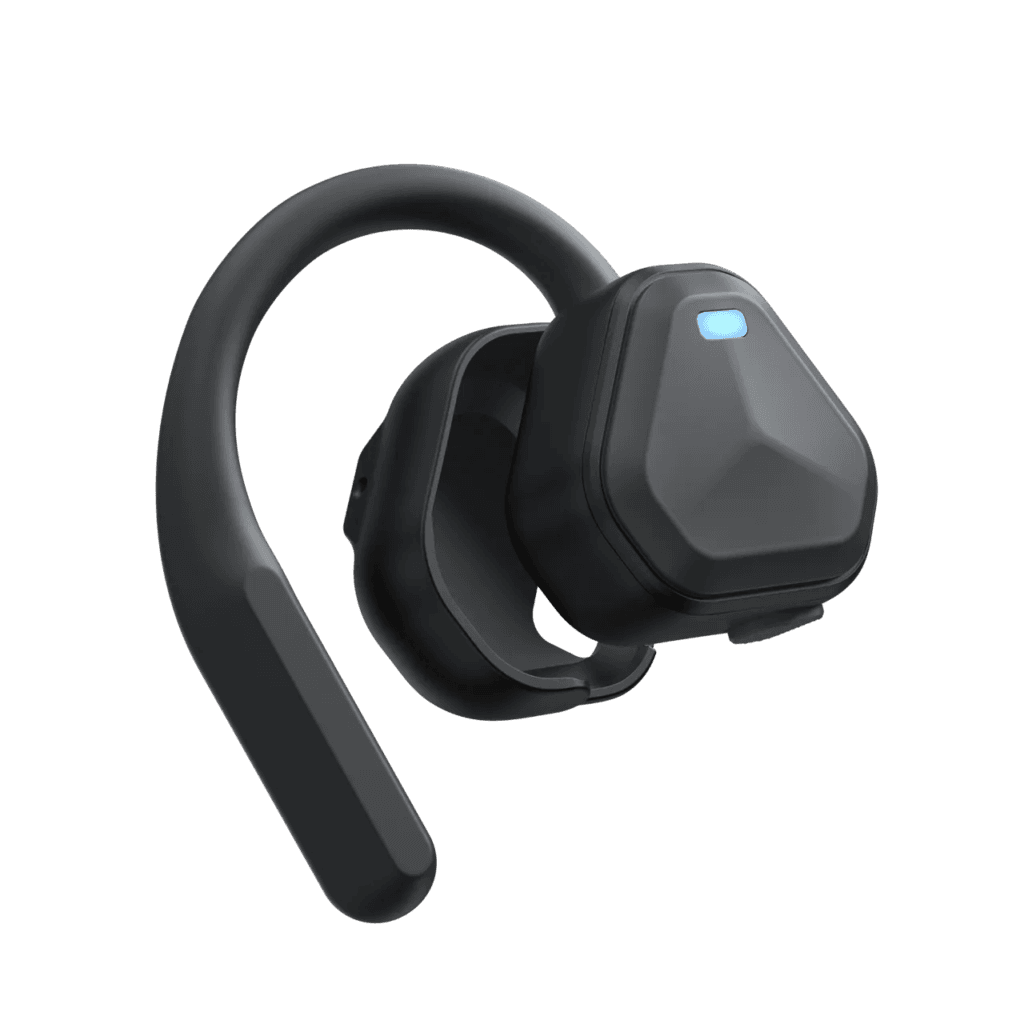
Some even suggest this accessory setup could take sales away from the Insta360 GO Ultra.
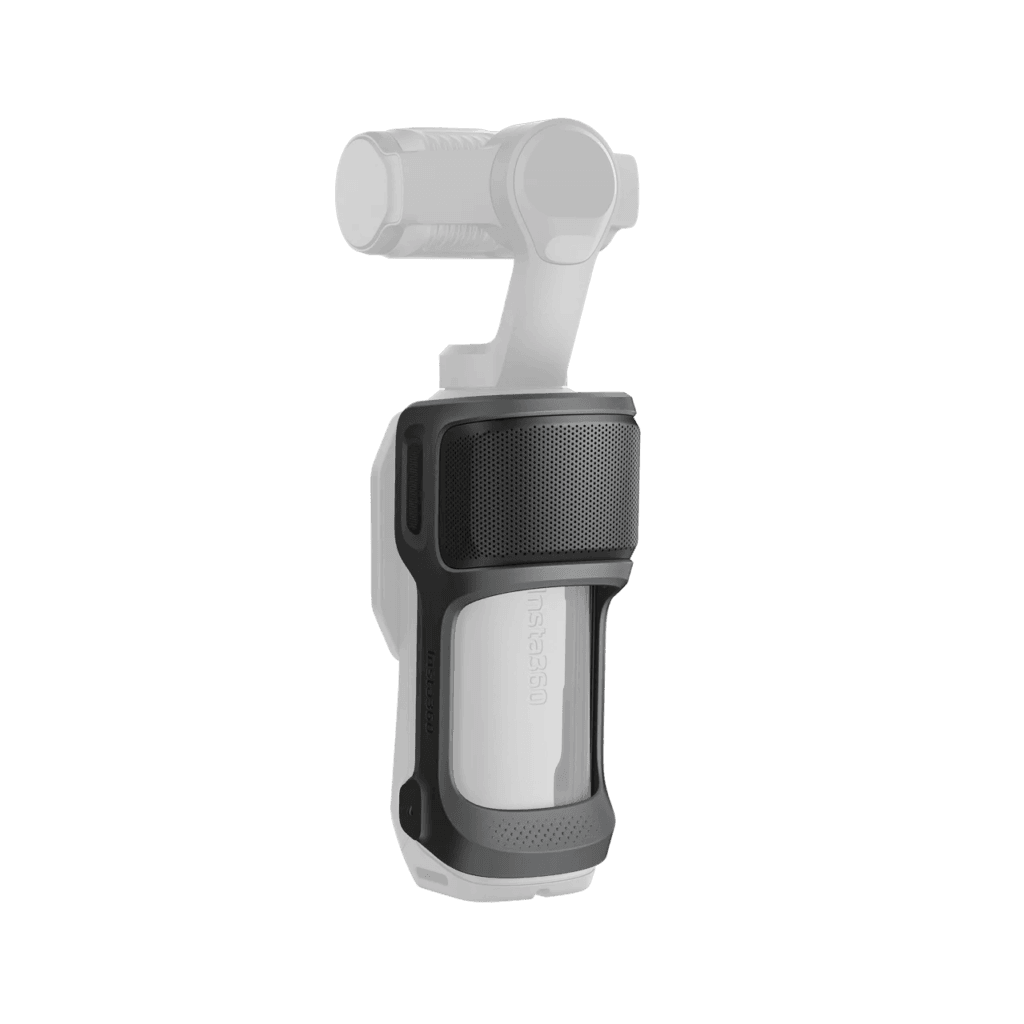
Integrated Sliding Protective Case
Compared with action cameras, pocket gimbal cameras have always been a little less convenient to carry and pull out for a quick shot. The Luna Ultra's thoughtfully designed sliding case solves that problem. It stays integrated with the camera, so you can slide it open and start shooting. It's much more convenient than repeatedly taking the camera out of a bag or attaching and removing clip-on accessories.
Bundles and Pricing Compared
Standard Bundles Compared
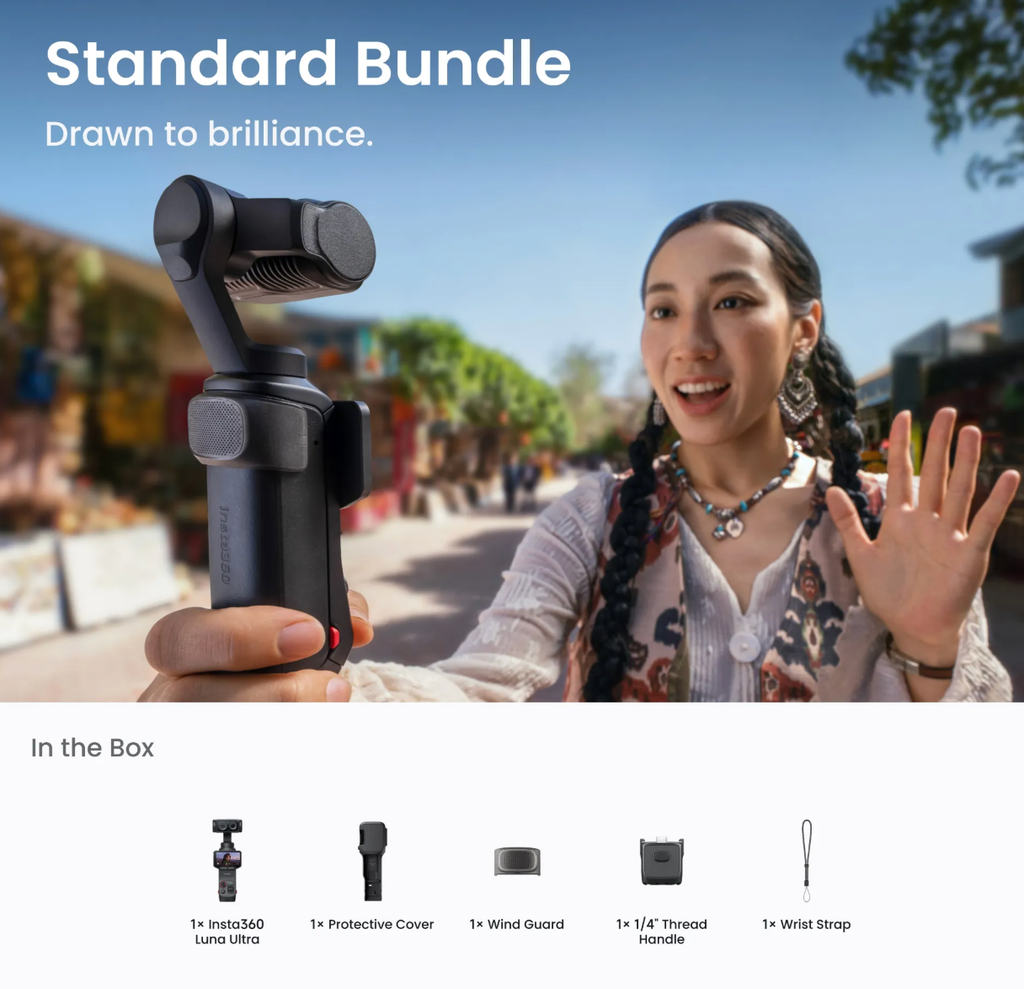
Luna Ultra Standard Bundle
Includes the camera, protective case, windscreen, threaded handle, and safety tether
Osmo Pocket 4P Standard Combo
Includes the camera, fill light, threaded handle, and storage pouch
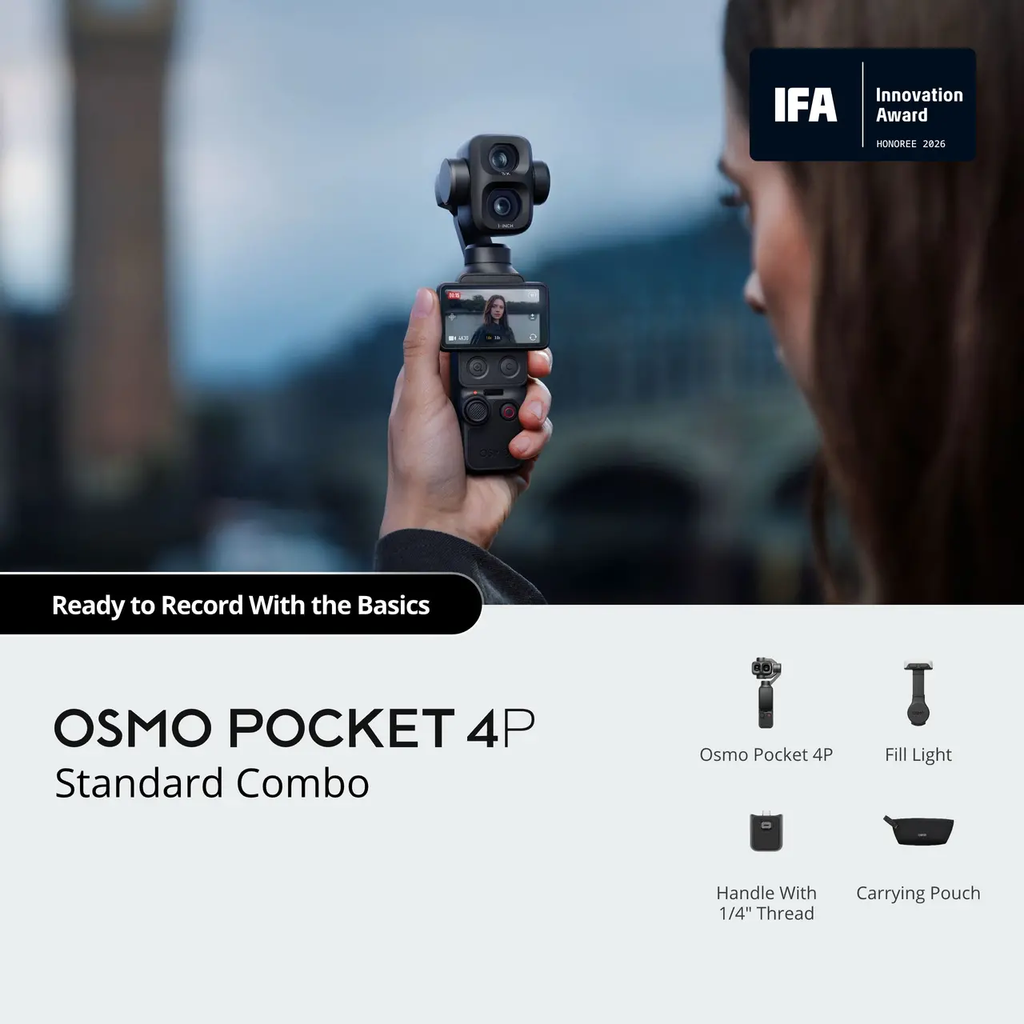
DJI keeps its accessory approach simple, with a threaded handle, filter set, and storage pouch. These types of accessories also work with the Luna Ultra, so the Osmo Pocket 4P clearly isn't trying to stand out by piling on extras. The key differences between the standard bundles are a hard protective case versus a soft pouch, and a microphone windscreen versus a fill light. Choose based on what you'll use.
Vlog Bundles Compared
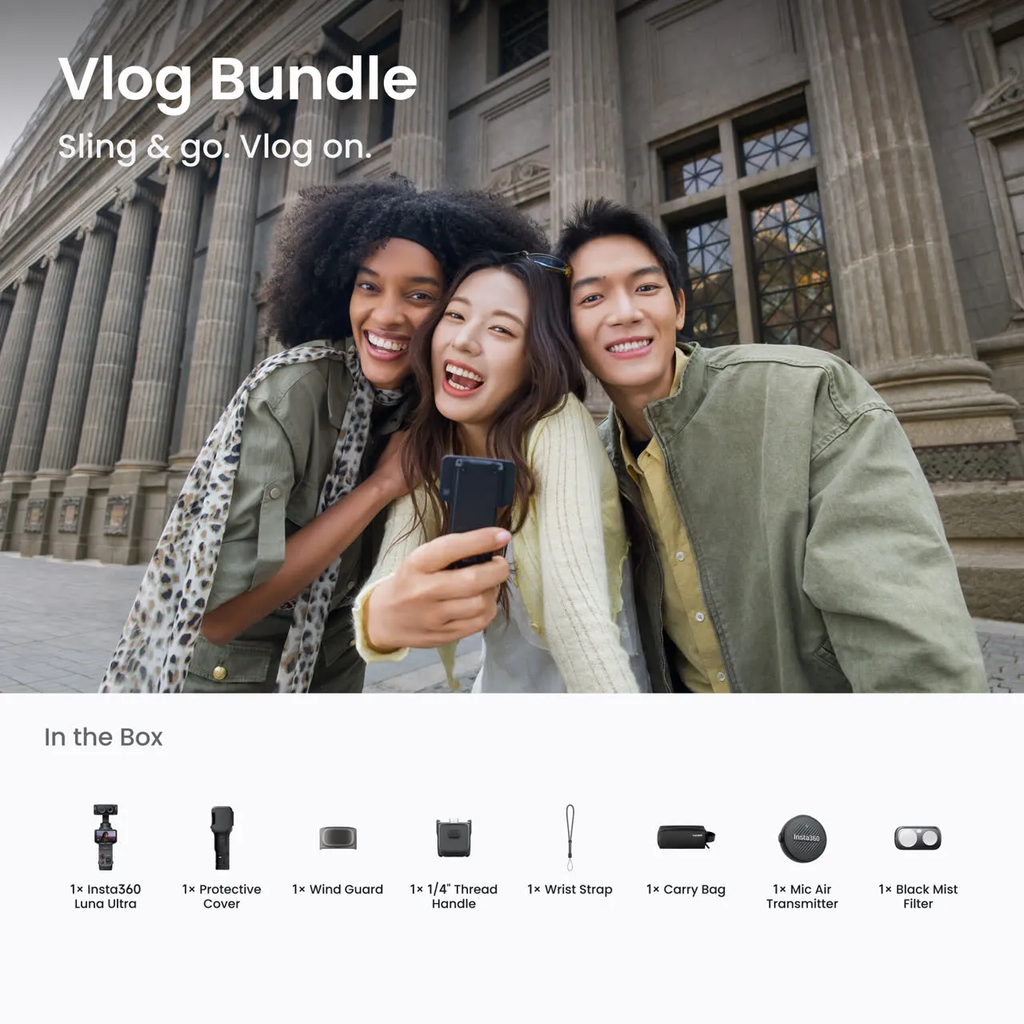
Luna Ultra Vlog Bundle
Includes the camera, protective case, windscreen, threaded handle, safety tether, crossbody strap, Insta360 Mic Air, and black mist filter
Osmo Pocket 4P Vlog Combo
Includes a fill light, DJI Mic Mini 2 transmitter, remote viewfinder, mini tripod, and storage bag
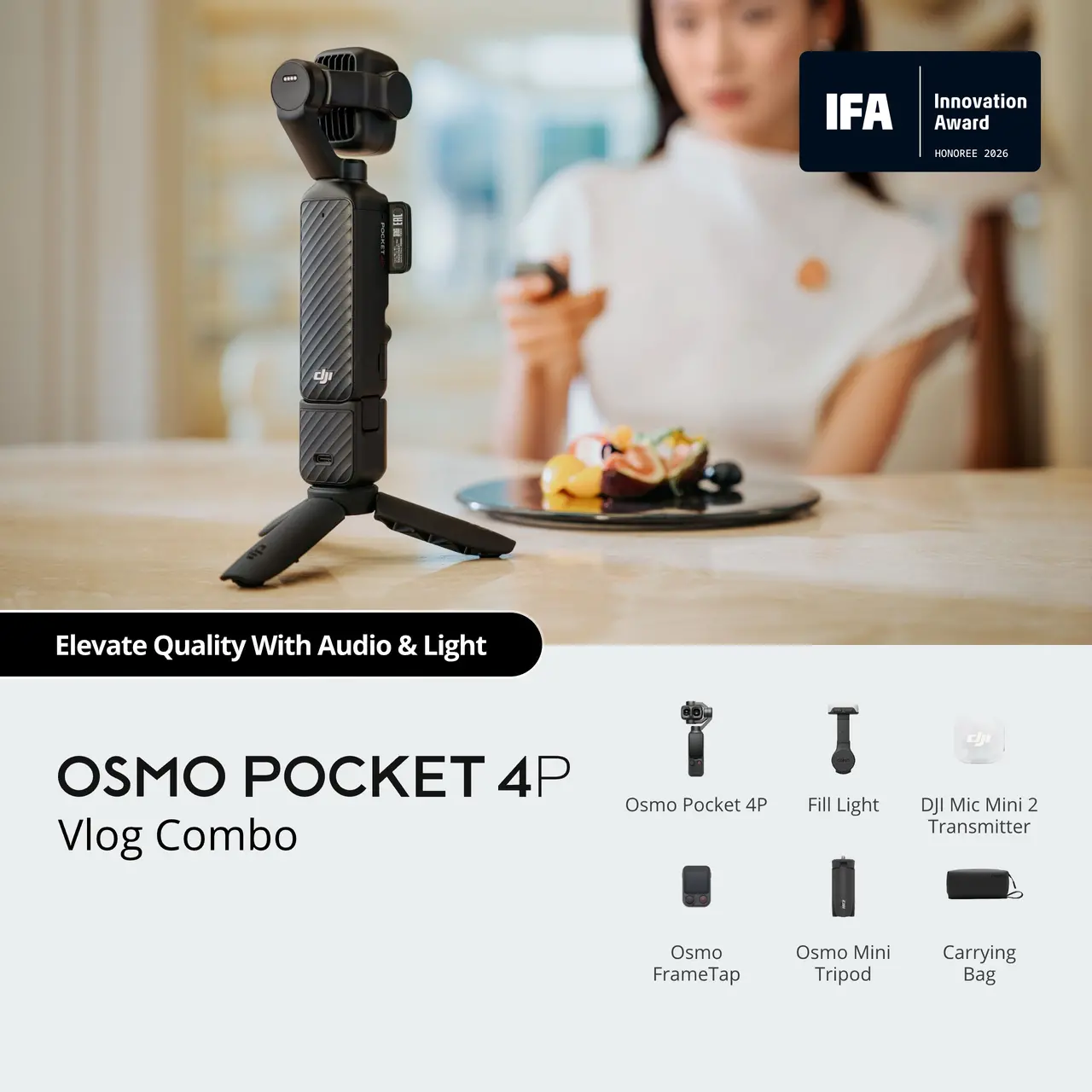
The biggest difference between the Vlog bundles is whether a remote viewfinder is included.
DJI Osmo Pocket 4P: Better Value for Money
Osmo Pocket 4P has one big selling point: price. At US$619 versus US$769.99 for the Luna Ultra, it costs US$150.99 less. The Vlog Combo is also less expensive: US$699 versus US$889.99 for the Luna Ultra Vlog Bundle, a difference of US$190.99.
| Bundle | Insta360 Luna Ultra | DJI Osmo Pocket 4P | Price Difference (Luna − Pocket) |
|---|---|---|---|
| Standard Bundle | US$769.99 | US$619 | +US$150.99 |
| Vlog Bundle | US$889.99 | US$699 | +US$190.99 |
Buying Guide: Which Camera Is Right for You?
Who Should Buy the Insta360 Luna Ultra?
- Beginners who don't want to spend time color grading
- Creators who want flexible, grab-and-go shooting in as many situations as possible
- Anyone who also wants high-quality still photos
Many people see the Luna Ultra as an aggressive flagship packed with specs. I see it as an especially approachable first camera for beginners.
Highlight 1: Plenty of Filters, No Photo Editing Required
The built-in film simulations make it easy to match the mood of a scene and get attractive results straight out of the camera. The biggest benefit is that you don't have to shoot Log or edit RAW files. Applying a look with a tap makes the camera much more approachable for beginners and raises the bar for everyday usability in a pocket gimbal camera.
Highlight 2: A Distinctive Hands-Free POV Experience
The exclusive ear-worn head-tracking mount is a major plus. The GO Ultra also lets you shoot hands-free, but the gimbal camera's photo and video quality is on another level. High image quality, gimbal stabilization, and fully hands-free shooting make a combination that sets the Luna Ultra apart.
Highlight 3: Comfortable Handling and Thoughtful Controls
The integrated sliding case makes the camera much quicker to access, and the tripod is built into the grip. You don't have to carry a separate remote and mini tripod as loose accessories. Everything comes together in one setup. The main drawback is the higher price, but I think the experience justifies it.
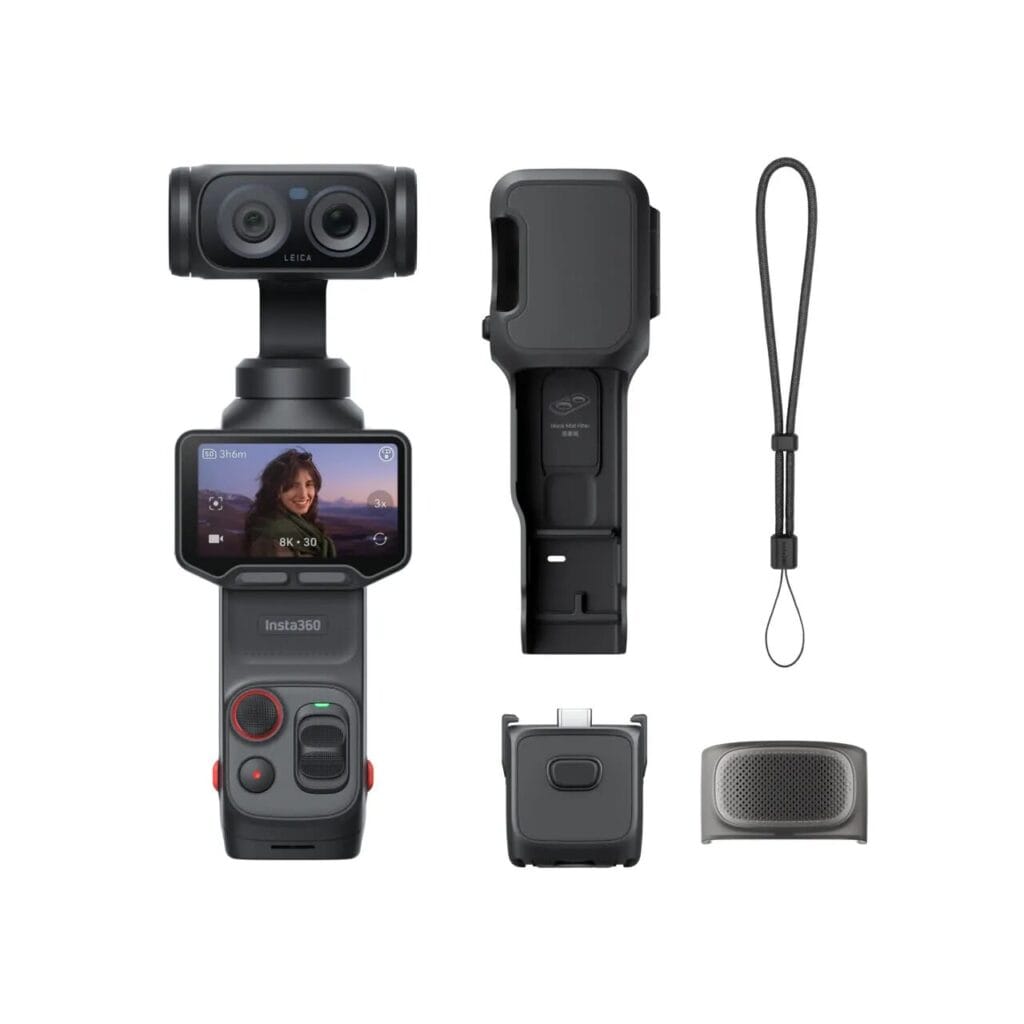
Insta360 Luna Ultra
Price: US$769.99
The Insta360 Luna Ultra flagship pocket gimbal camera combines dual Leica lenses, a triple-chip AI processor, 8K Dolby Vision recording, a detachable wireless remote screen, and four-microphone 32-bit float audio. From travel vlogs and street photography to café visits and distant close-ups, it puts a versatile creative toolkit in your pocket.
Who Should Buy the DJI Osmo Pocket 4P?
It comes down to one thing: a lower price.
The price gap with the Luna Ultra is hard to ignore. The lower cost, combined with the Osmo Pocket series' reputation for reliability over four generations, is enough to make it a worthwhile buy. Stock can be hard to find, though, so shop ahead if you need the DJI Osmo Pocket 4P for an upcoming trip.
The Osmo Pocket 4P doesn't have an overwhelming advantage over the Luna Ultra; roughly 90% of their specs are on par. That's less a reflection of the DJI being underpowered than of Insta360, as the newcomer, packing in features to win market share.
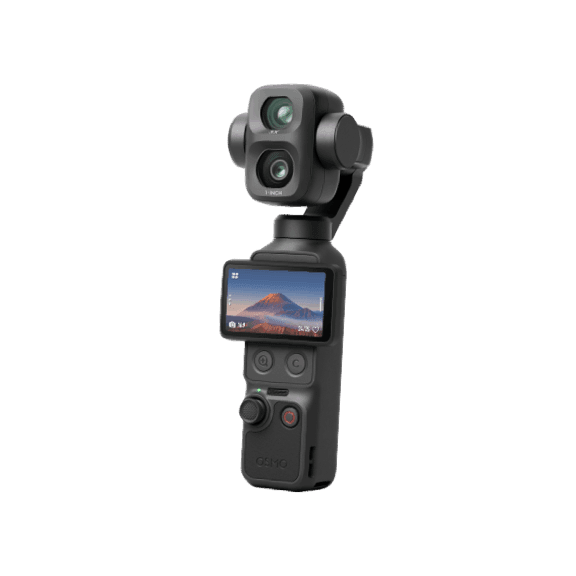
DJI Osmo Pocket 4P
Price: US$619
DJI's flagship dual-lens pocket gimbal camera pairs a 1-inch main camera with a medium telephoto camera, 17 stops of dynamic range, and 4K 240fps slow motion. Three-axis mechanical stabilization and AI tracking round out a compact tool for professional vlogging.
How to Choose Between Them
At US$769.99 for the Luna Ultra and US$619 for the Osmo Pocket 4P, both are premium cameras. Neither is a budget buy, and there isn't a true low-cost substitute.
Choose Based on What You Want to Shoot
Insta360 Luna Ultra
- You want photos with filters applied in-camera
- You want hands-free POV shooting with an ear mount
The dual Leica lenses alone set it apart
DJI Osmo Pocket 4P
- You want the features you need without extras
- You prioritize value for money
- You trust DJI's established platform
Final Verdict: Luna Ultra or Osmo Pocket 4P?
Both are excellent pocket gimbal cameras. The decision is whether you're willing to spend US$150.99 more for the Luna Ultra's distinctive features: 8K recording, a detachable screen, ear-worn POV shooting, and film-style photos straight out of the camera. If you want to pull out your camera, apply a filter, and get a great-looking shot without editing, the Luna Ultra is worth the extra money. It's designed to make the process easier.
If you already color grade your footage, have an established editing workflow, or simply have a tighter budget, the Osmo Pocket 4P still gives you plenty. My final take: the Luna Ultra wins on shooting experience and creative options; the Osmo Pocket 4P wins on price and reliability. Decide which matters more to you, and the choice becomes much easier.