Officially unveiled on September 23, 2025, DJI's latest camera is the DJI Osmo Nano. DJI has a wide range of cameras, and the Osmo Nano is the lightest model in its lineup. I bought this mini action camera as soon as it went on sale and have now been using it for more than six months. In this DJI Osmo Nano review, I'll share my real-world experience over that time to help you decide whether it's worth buying.
DJI Osmo Nano Review: My Verdict After Six Months
Overall, the Osmo Nano is an excellent everyday camera for vlogging and capturing your travels.
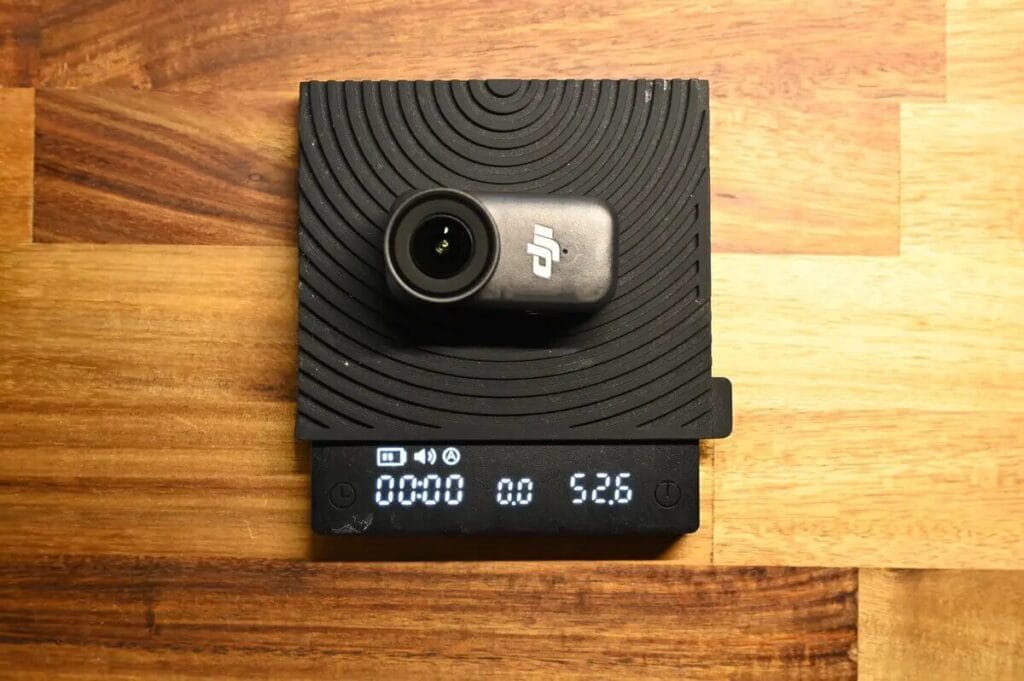
It's incredibly light, and the controls couldn't be simpler: press REC to start recording, then press it again to stop. That's it. Even a complete beginner can get going without reading the manual. For me, that ease of use has always been one of the biggest reasons to choose an action camera, and the Osmo Nano delivers.
DJI Osmo Nano
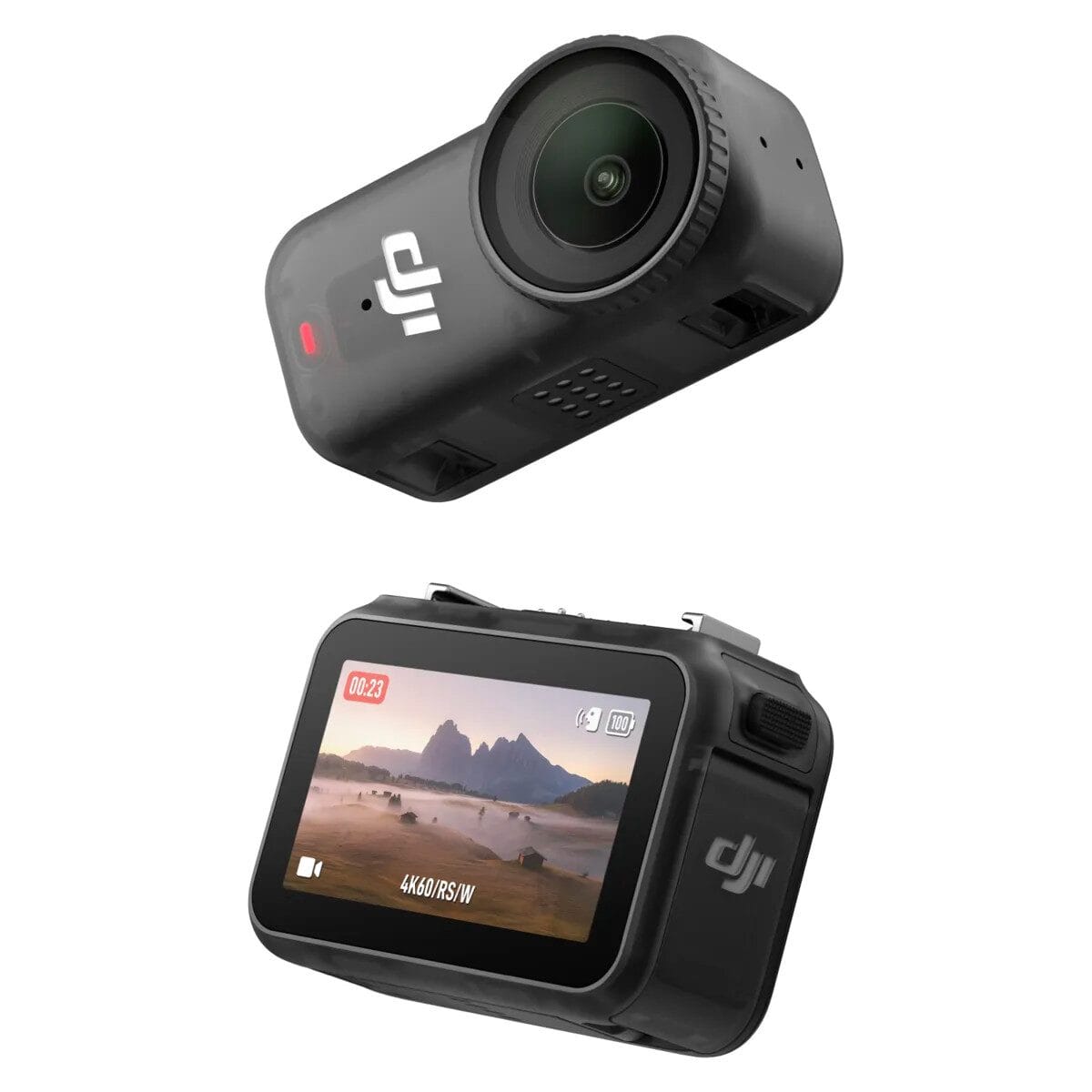
DJI's first mini action camera with a detachable design combines an ultralight 52g body, omnidirectional magnetic mounting, and flagship-level image quality. Capture everyday moments from creative angles without the bulk.
Image Quality: Better Than the Osmo Action 5 Pro
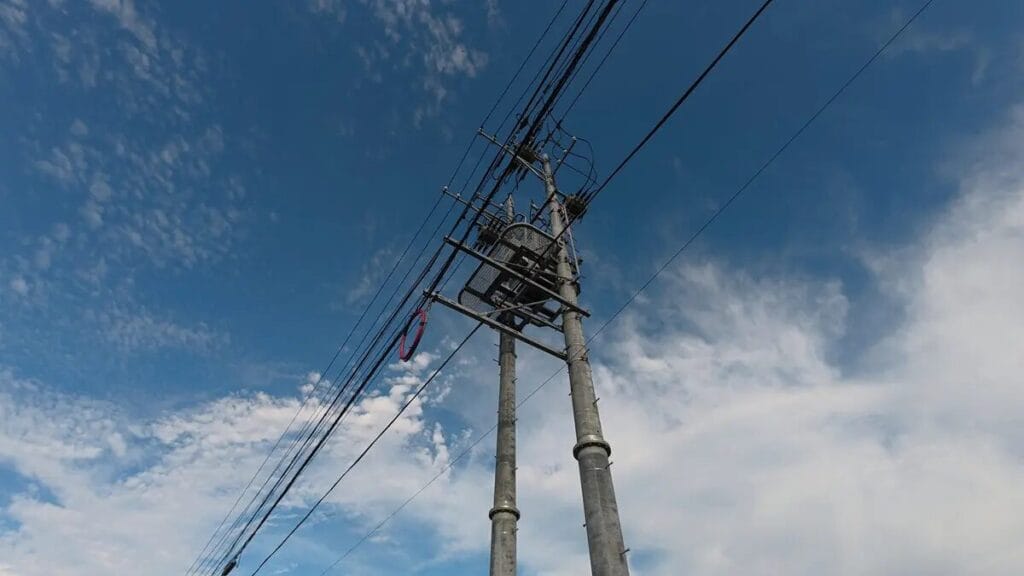
I've had one recurring issue with DJI's older action cameras: no matter what I filmed, the footage looked a little flat and lifeless, especially in the sky. When recommending DJI cameras in the past, I usually focused on affordability and durability. Image quality wasn't something I felt comfortable highlighting.
But the Osmo Nano changed my mind. Skies look noticeably better, and that dull look is largely gone. In my tests, its image quality easily beats the Osmo Action 5 Pro, and it isn't far behind the Insta360 GO Ultra. In my experience, Insta360 tends to put more emphasis on image quality, though its cameras also cost more.

Low-Light Performance: A Major Step Forward
SuperNight mode has improved noticeably, too, recovering far more shadow detail than before. That was a pleasant surprise I wasn't expecting.
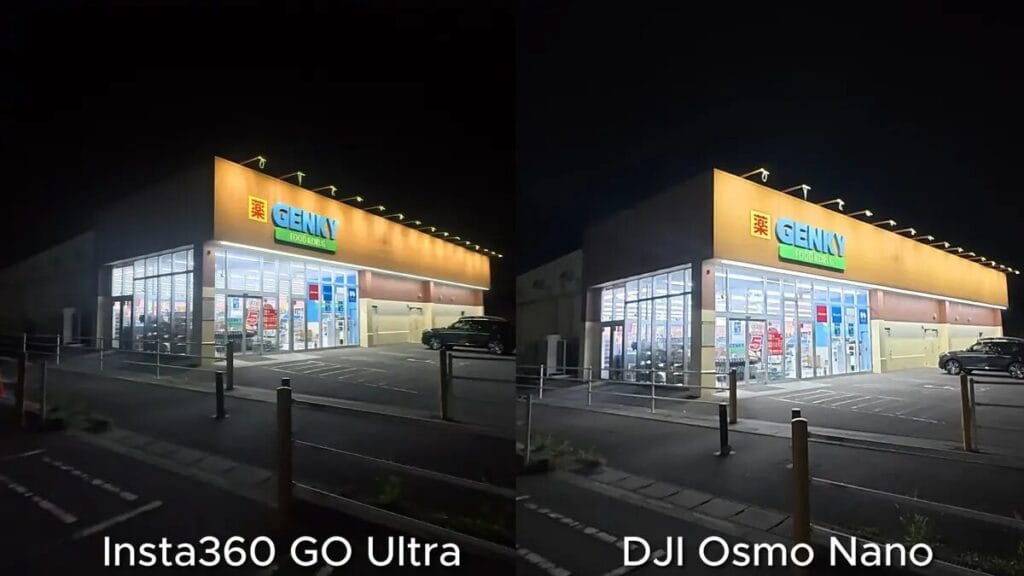
It also holds its own against the GO Ultra, even though I've generally found Insta360 cameras to deliver better night footage.
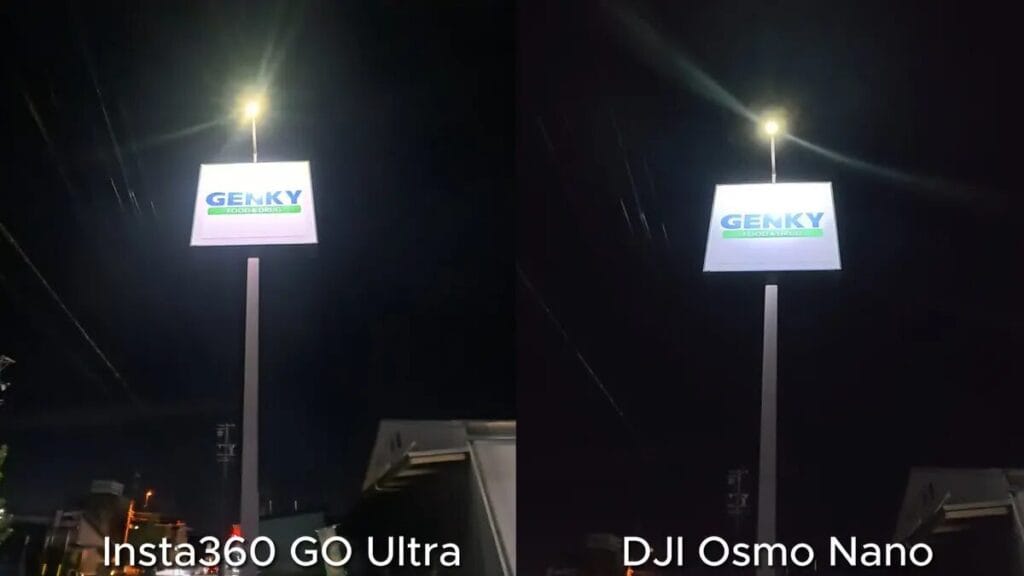
Screen and Everyday Controls
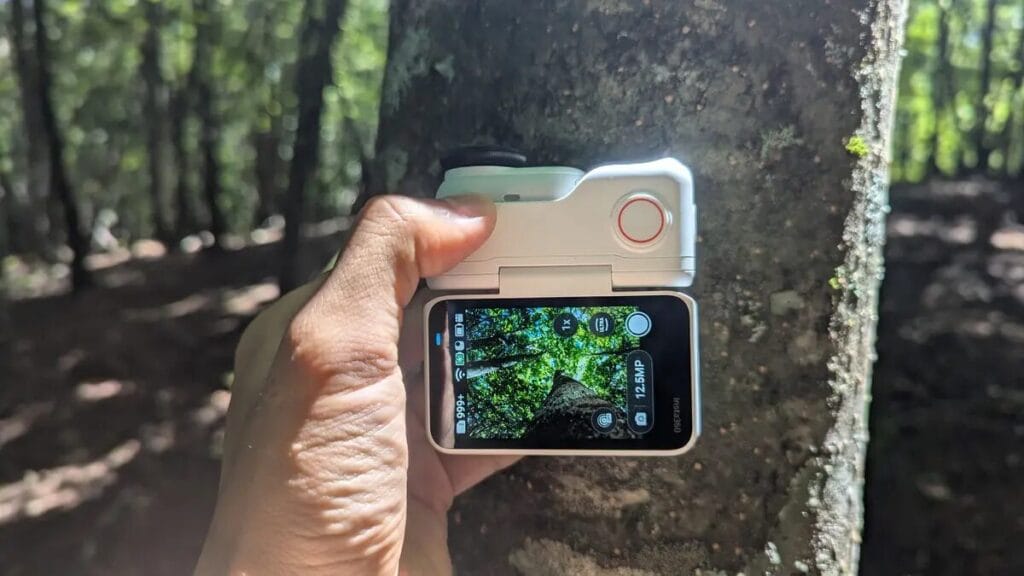
The 1.96-inch screen responds quickly, and the interface feels smooth. Changing settings or checking your framing is quick and easy.
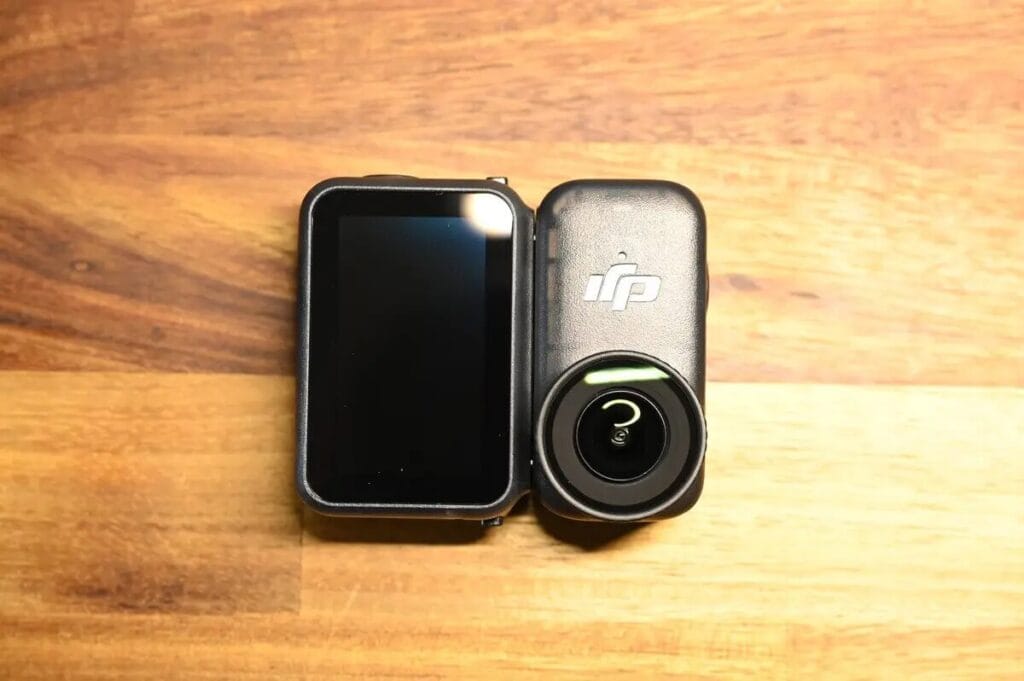
Compared with the Osmo Action 5 Pro, the Osmo Nano has a better magnetic mounting design. The Action 5 Pro's attachment is so tight that removing a tripod can be difficult. I haven't had that problem with the Osmo Nano.
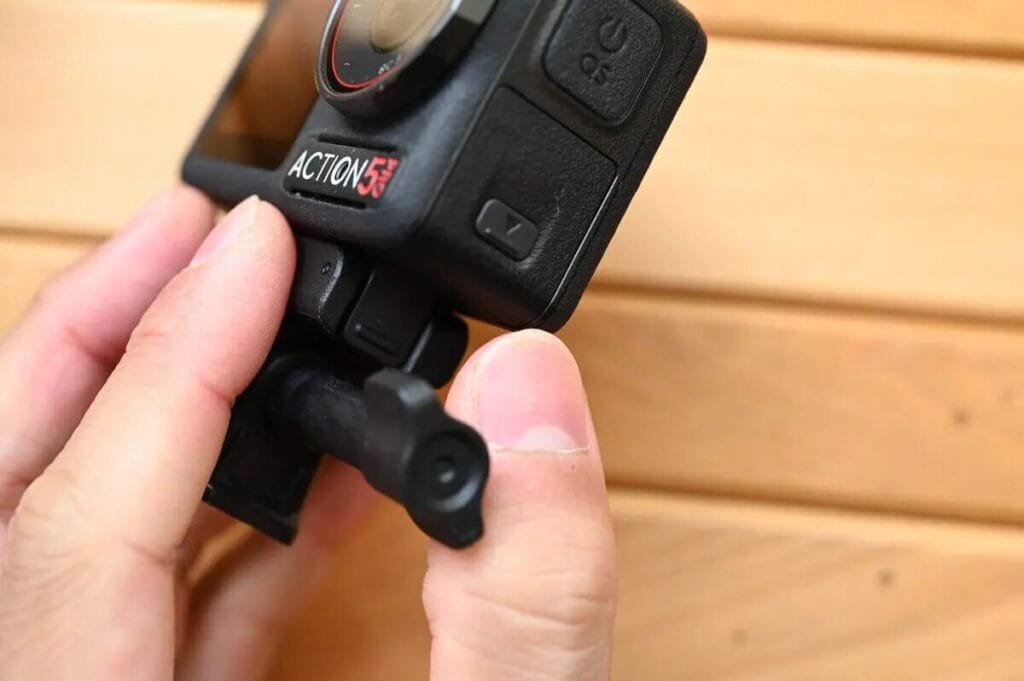
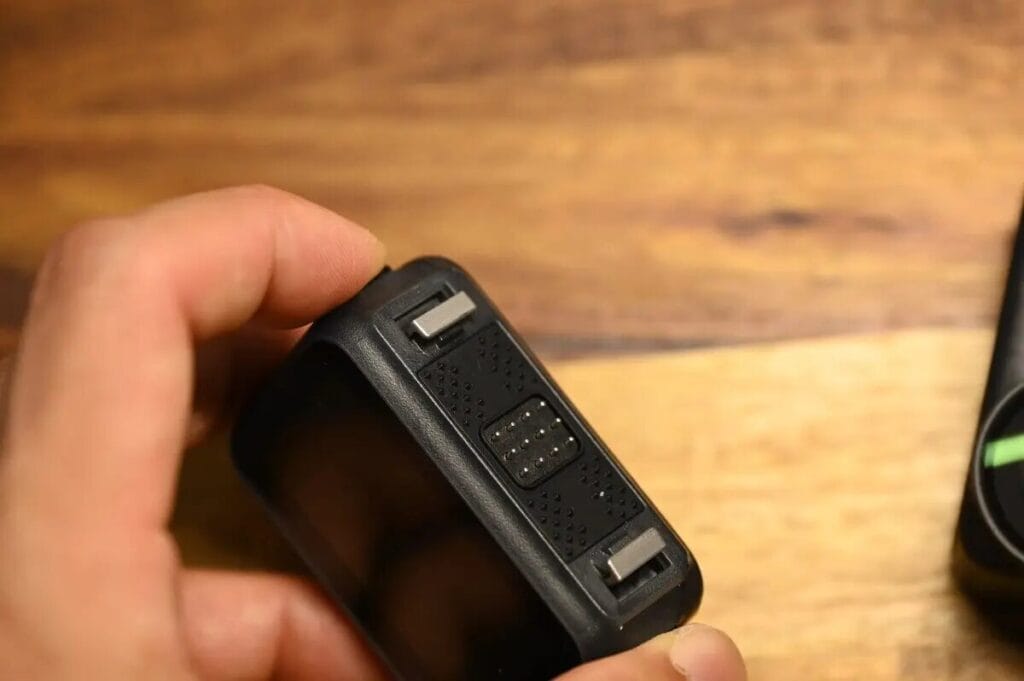
The release buttons on both sides are easy to press. The included accessories also have built-in magnets, so you can attach them directly to surfaces that a magnet will stick to.
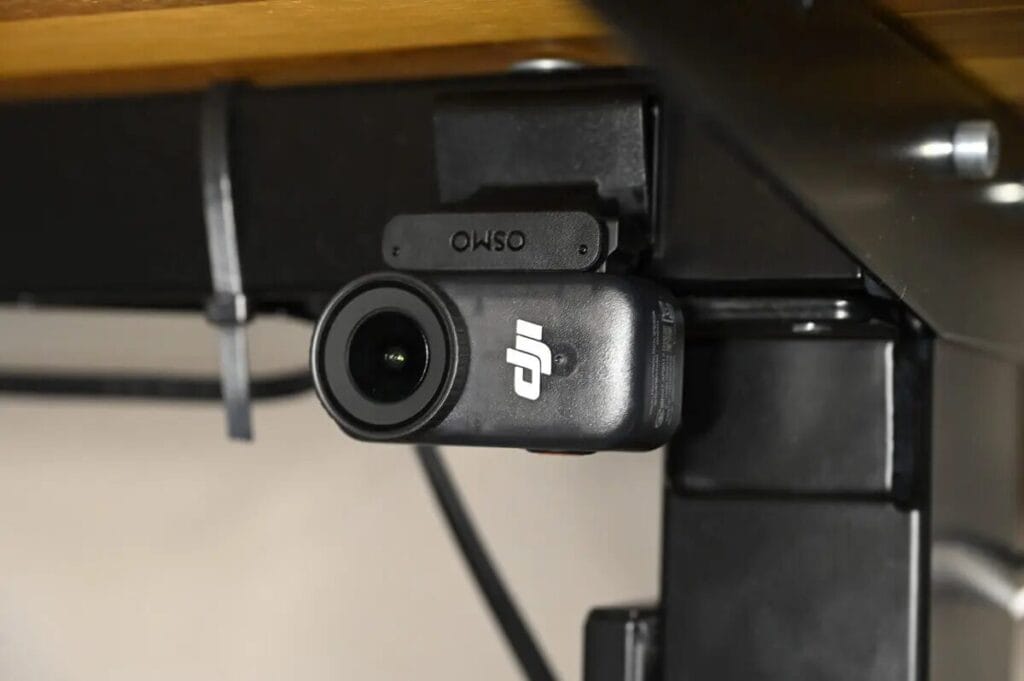
The magnetic mounting system is really well thought out 👍
DJI Osmo Nano
DJI's first mini action camera with a detachable design combines an ultralight 52g body, omnidirectional magnetic mounting, and flagship-level image quality. Capture everyday moments from creative angles without the bulk.
Heat and Reliability During Long Recordings
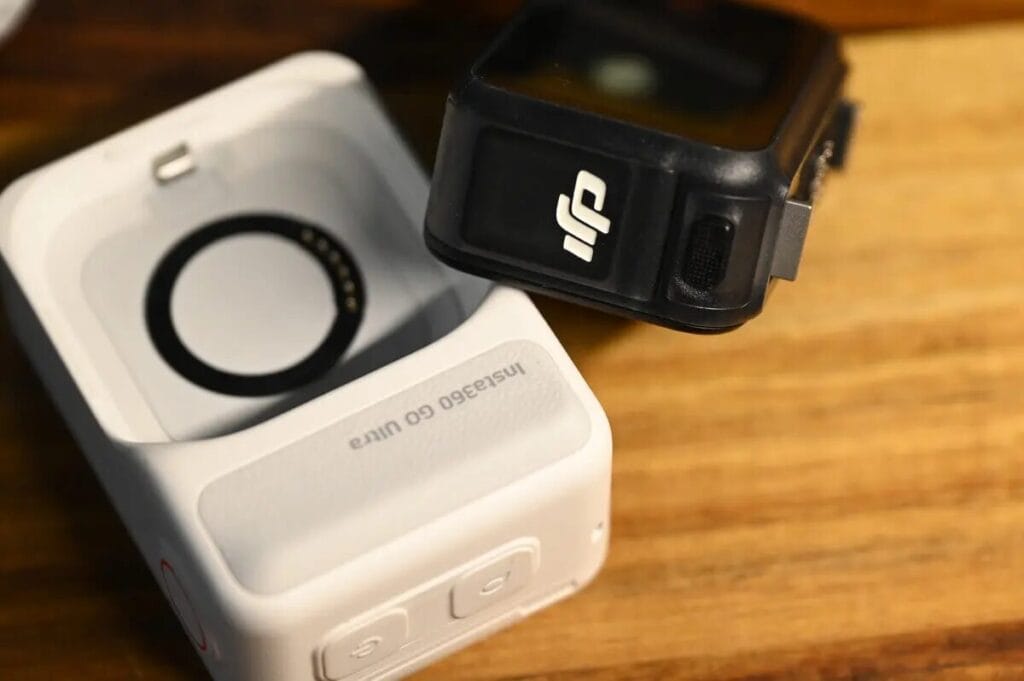
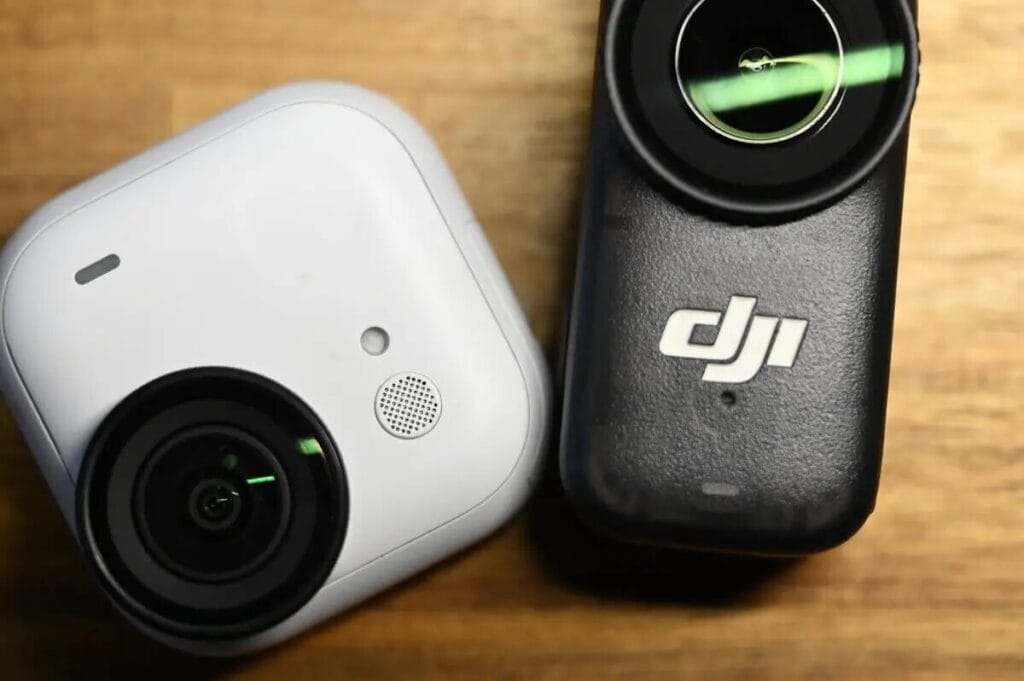
Both the Osmo Nano and GO Ultra get hot during recording sessions lasting more than an hour. In hot conditions, though, the Osmo Nano displays a temperature warning sooner than the GO Ultra, so keep that in mind. The GO Ultra's larger camera body gives it more surface area to dissipate heat, and the Action Pod also helps with cooling. Overall, it handles heat more comfortably.
Editing Flexibility and Shooting Options
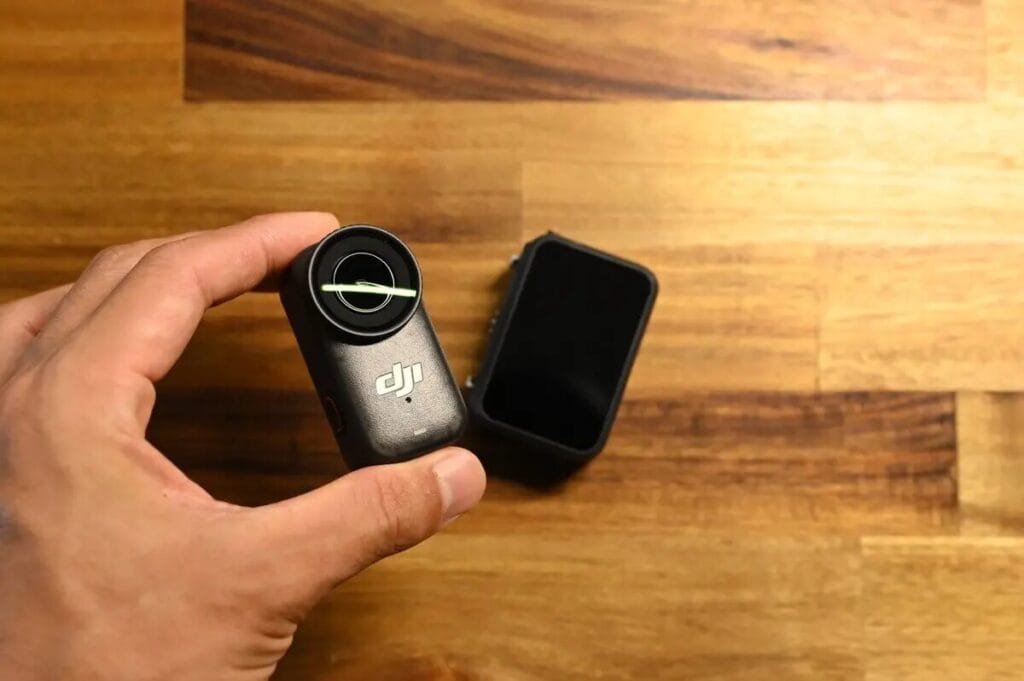
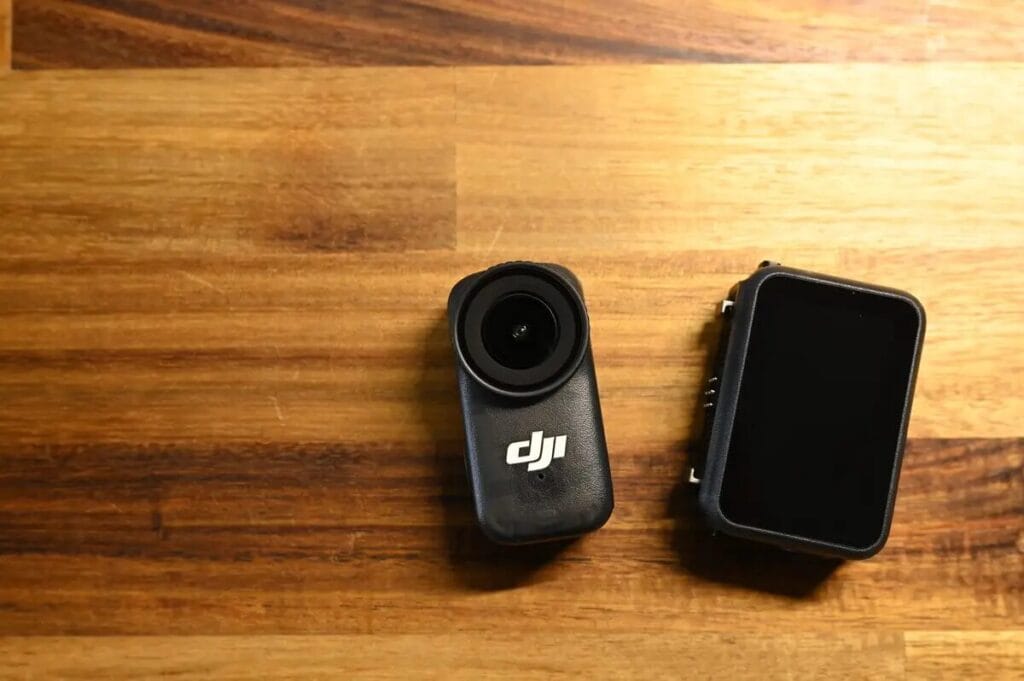
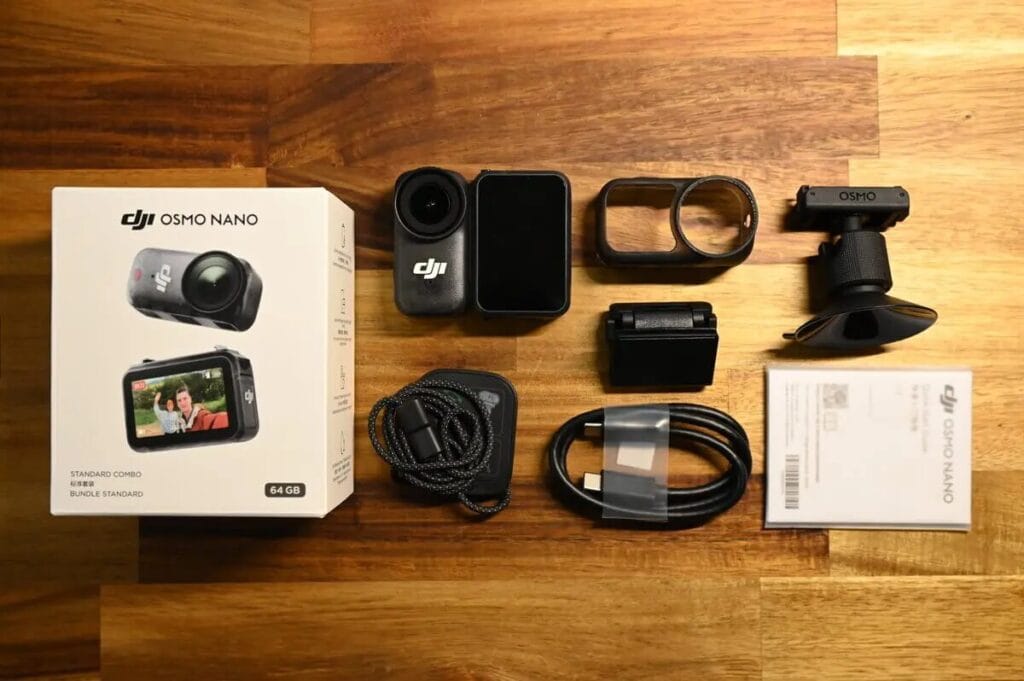
As its name suggests, the Osmo Nano is smaller than a typical DJI camera, and portability is its biggest strength. Its standout feature is that the camera body and screen can be separated. On a conventional camera, the body and screen are usually built into one unit. With the Osmo Nano, you can detach the camera module from the display and use them separately.
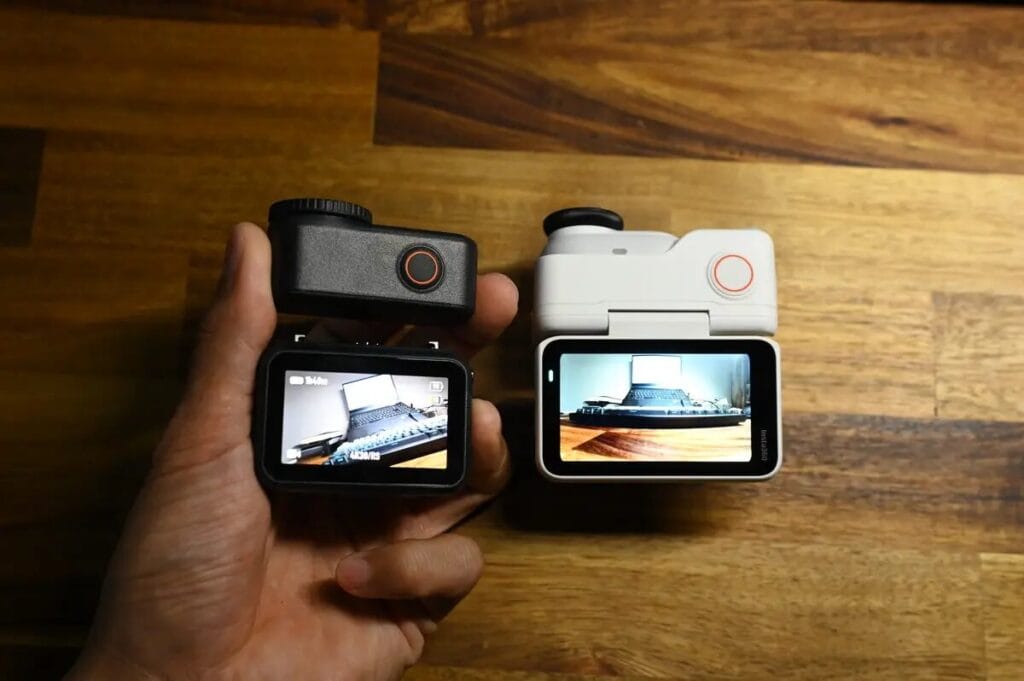
To my eye, footage straight out of the Osmo Nano looks slightly less refined than the GO Ultra's. However, it supports D-Log M, which is an advantage if you edit your footage. You get more flexibility for color grading, making it easier to create a look of your own.
Another feature I appreciate on the Osmo Nano is how intuitive it is to switch between horizontal and vertical shooting. Just flip a switch; there's no need to dig through menus. I increasingly shoot vertical short-form videos alongside horizontal YouTube content, so this has been useful in practice.
Chest Mounting: Appearance and Fit
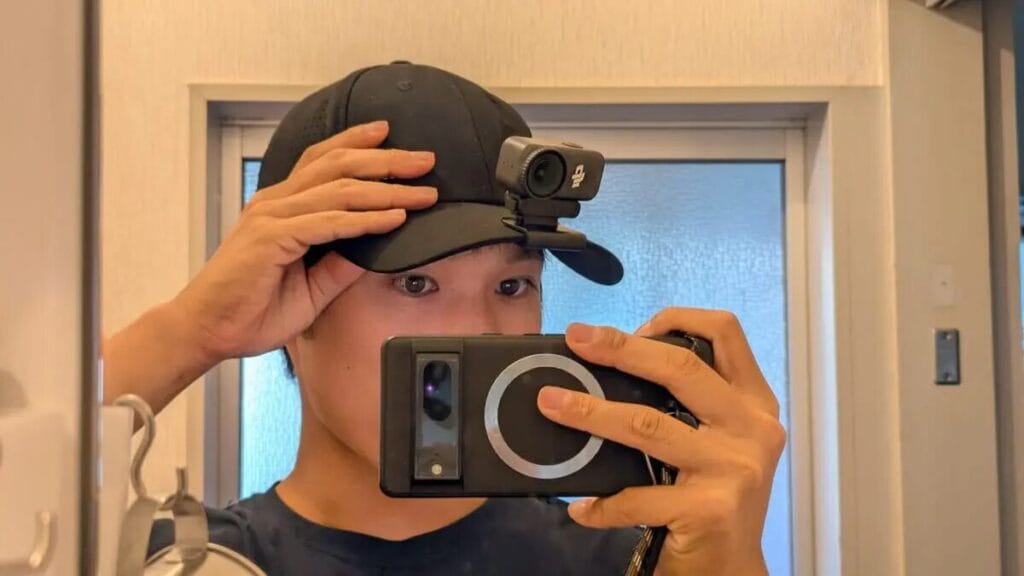
Osmo Nano has white DJI lettering on its body, which makes it more noticeable when worn in a crowd. On the plus side, the magnetic pendant and clip design give you more flexibility to adjust the shooting angle.
Audio Quality and Microphone Support
Osmo Nano supports DJI Mic, but the live preview is unavailable when a microphone is connected. That's inconvenient if you want to monitor your framing while recording audio. By comparison, an update lets the GO Ultra connect to the Insta360 Mic Air while keeping the live preview available on the Action Pod, which is more practical.
The Osmo Nano doesn't have a dedicated audio mode toggle, but its built-in stereo microphones still capture surrounding sounds with good detail. I tested the Osmo Nano and GO Ultra microphones side by side.
Accessories
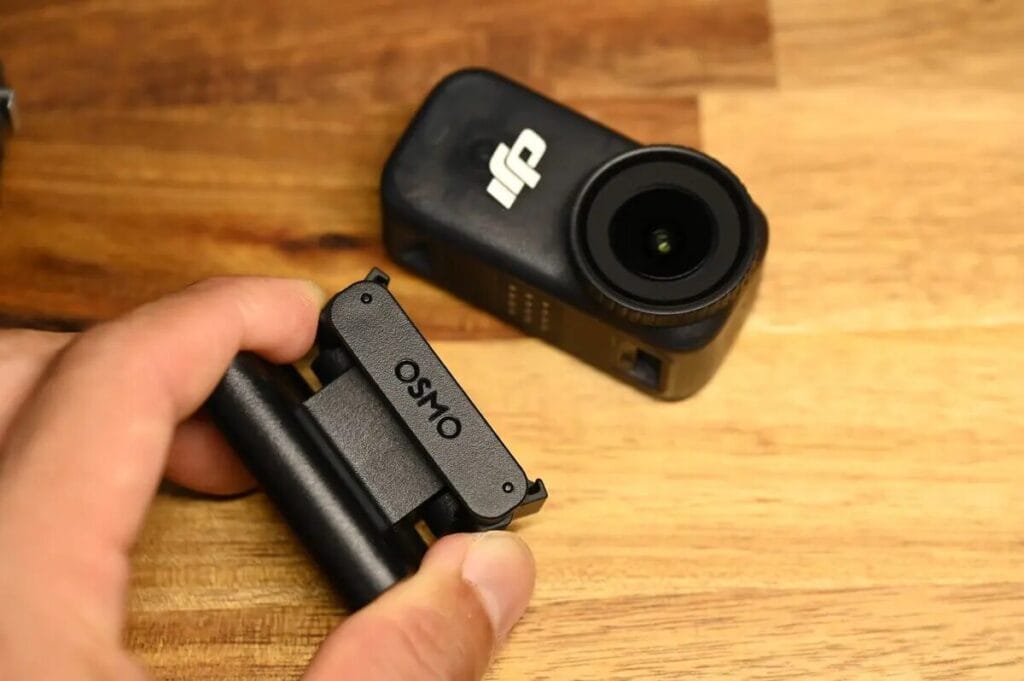
The Osmo Nano shares accessory compatibility with the Osmo Action series, so you can reuse accessories from the Action 5 Pro and Action 4. That's a welcome bonus.
DJI Osmo Nano Pros and Cons
DJI Osmo Nano Pros
8 Reasons to Buy the DJI Osmo Nano
The strengths that stood out in my testing, so you know what to expect before buying.
DJI Osmo Nano Cons
8 DJI Osmo Nano Drawbacks to Know Before Buying
The limitations I noticed in everyday use, for a more balanced buying decision.


DJI Osmo Nano Image Quality
Comparing footage straight out of the camera, the Insta360 GO Ultra has a clearer advantage among these mini action cameras, with detailed clouds and well-defined highlights. The Osmo Nano falls a little short under the same conditions. However, it supports D-Log M and a range of color adjustments. If you edit your footage, that's an advantage: you have more room to color grade and develop your own visual style.
[twenty20 img1=”2900″ img2=”2901″ direction=”horizontal” offset=”0.5″ before=”GO Ultra” after=”Osmo Nano” hover=”true”]
[twenty20 img1=”2903″ img2=”2902″ direction=”horizontal” offset=”0.5″ before=”GO Ultra” after=”Osmo Nano” hover=”true”]
DJI Osmo Nano vs Insta360 GO Ultra
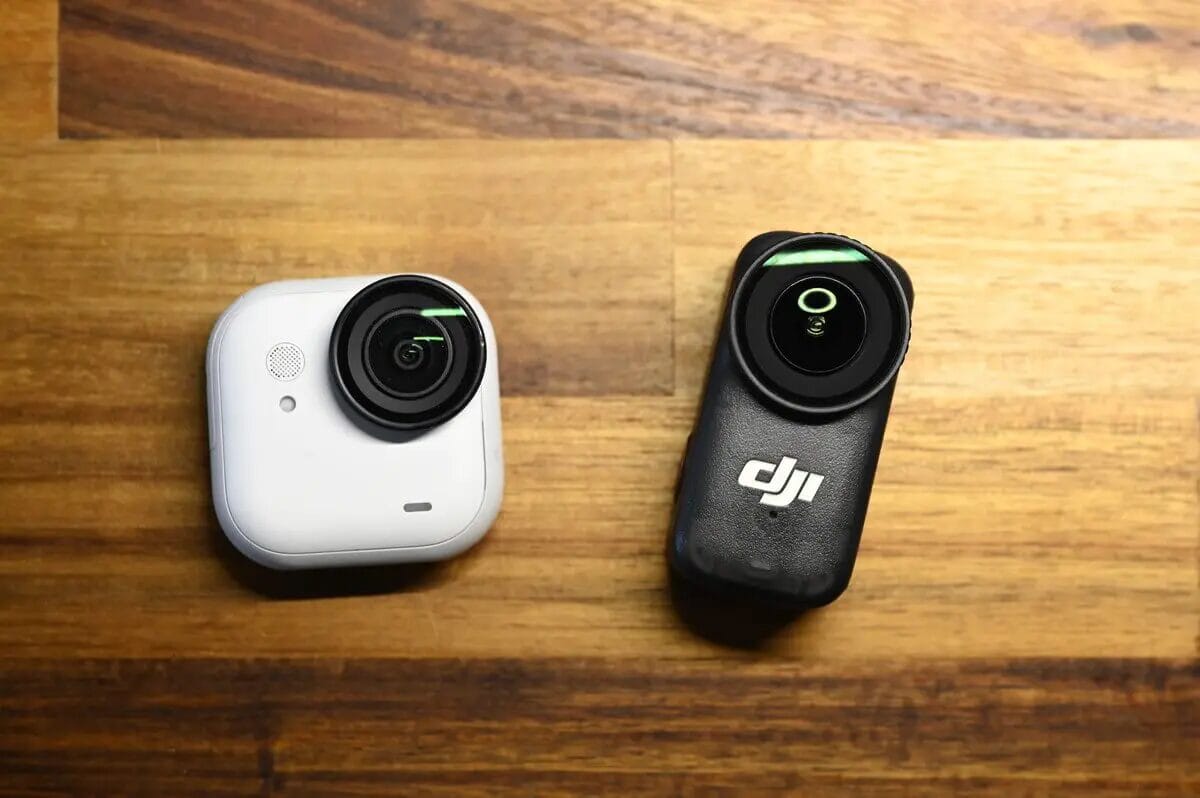
Osmo Nano and GO Ultra are both mini cameras built around portability. But differences in how they feel in the hand, their waterproof ratings, and their shooting options affect everyday use. I'd choose based on where you plan to film and what you want to capture.
My quick take: choose the Osmo Nano if portability and battery life are your priorities. If you care more about image quality and ease of use, and plan to use accessories, the GO Ultra is the better choice.
I bought the Osmo Nano for two main reasons.
1. Shooting Travel Vlogs
I always take an action camera when I travel, whether I'm staying close to home or heading overseas. Image quality still falls short of a mirrorless camera, of course, but an action camera has a huge advantage in portability, simplicity, and the ability to grab it and start filming. The Osmo Nano is easy to carry for solo travel vlogs, and it's just as convenient for capturing memories on family trips without adding bulk.
2. It Costs Less Than the GO Ultra
| Model | Taiwan Price | Hong Kong Price |
|---|---|---|
| DJI Osmo Nano Standard Combo (64GB) | NTD 8,890 | HKD 2,219 |
| Insta360 GO Ultra (Standard Edition) | NTD 12,880 | HKD 2,999 |
Judging by its price, the DJI Osmo Nano seems aimed squarely at the Insta360 GO Ultra. The price gap alone could be enough to settle the decision if you're on the fence. If you want more built-in storage, though, I'd recommend going straight for the Osmo Nano 128GB version so you have less to worry about on longer outings.
Final Verdict: Is the DJI Osmo Nano Worth It?
If your main priority is beautiful footage with the finest possible detail, the Osmo Nano wouldn't be my first recommendation. It's an action camera, and its sensor, dynamic range, and ability to produce shallow depth of field make it difficult to compete with a mirrorless camera.
But if you want a mini camera that's extremely light, easy to use, and ready to shoot for riding, outdoor adventures, and everyday vlogs, or a POV camera for creative first-person shots, the Osmo Nano is a camera I'd happily recommend.
Start with where you'll use it and what you want to film. If those needs line up with its strengths, the Osmo Nano could be the right action camera for you.
DJI Osmo Nano
DJI's first mini action camera with a detachable design combines an ultralight 52g body, omnidirectional magnetic mounting, and flagship-level image quality. Capture everyday moments from creative angles without the bulk.