The Insta360 Luna series is Insta360's first handheld gimbal Vlog camera lineup. Having already established a powerful brand presence in the action camera market with the compact GO series, wide-angle Ace series, and 360° X series, Insta360 had long been absent from the handheld gimbal camera segment — until the Insta360 Luna and Insta360 Luna Ultra emerged.
Can the Insta360 Luna series stage a remarkable comeback in the handheld gimbal Vlog camera space — a market long dominated by DJI? In this article, we cover everything you need to know about the Insta360 Luna: release date, price, full specs, and key highlights.
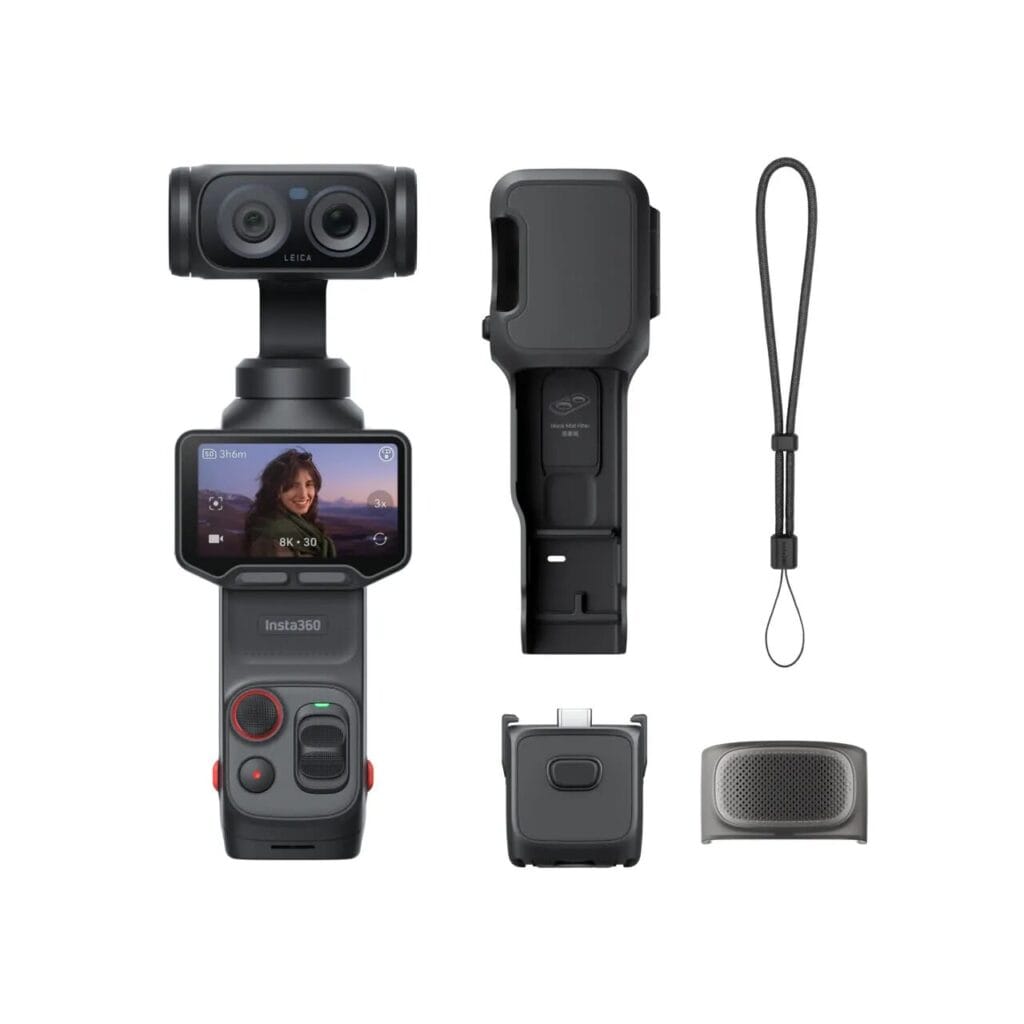
Insta360 Luna Ultra
Standard Bundle $769.99
Leica dual lenses, 8K Dolby Vision, detachable screen, 32-bit float audio — Insta360 Luna Ultra is the pocket gimbal that does it all.
Insta360 Luna Ultra Release Date & Price
Insta360 Luna Ultra Release Date
The Insta360 Luna Ultra officially went on sale on June 10, 2026 at 8:00 PM.
Insta360 Luna Ultra Price
The Insta360 Luna Ultra launched ahead of the standard Luna model, priced at $769.99.
Insta360 Luna Ultra Price: $769.99 (Now Available)
Insta360 Luna Ultra
Standard Bundle $769.99
Leica dual lenses, 8K Dolby Vision, detachable screen, 32-bit float audio — Insta360 Luna Ultra is the pocket gimbal that does it all.
Insta360 Luna Ultra Bundle Prices
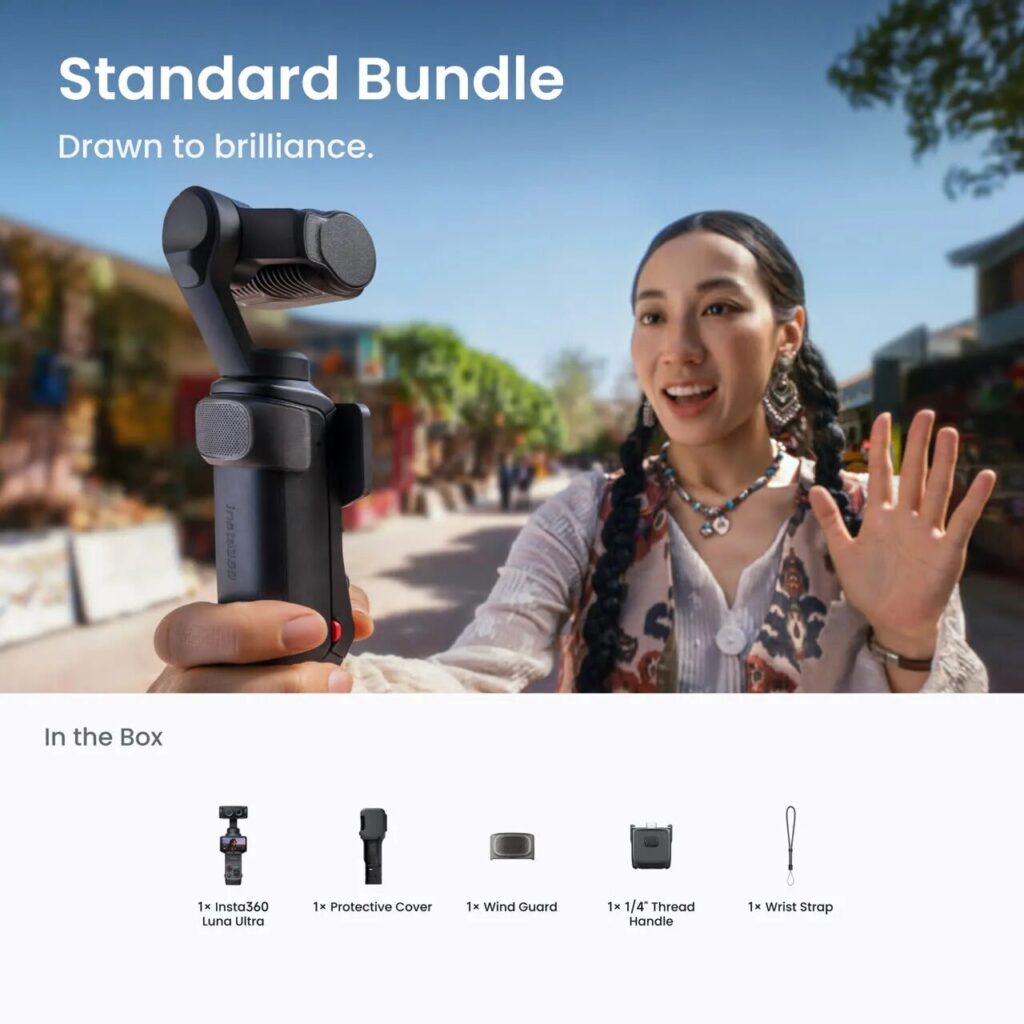
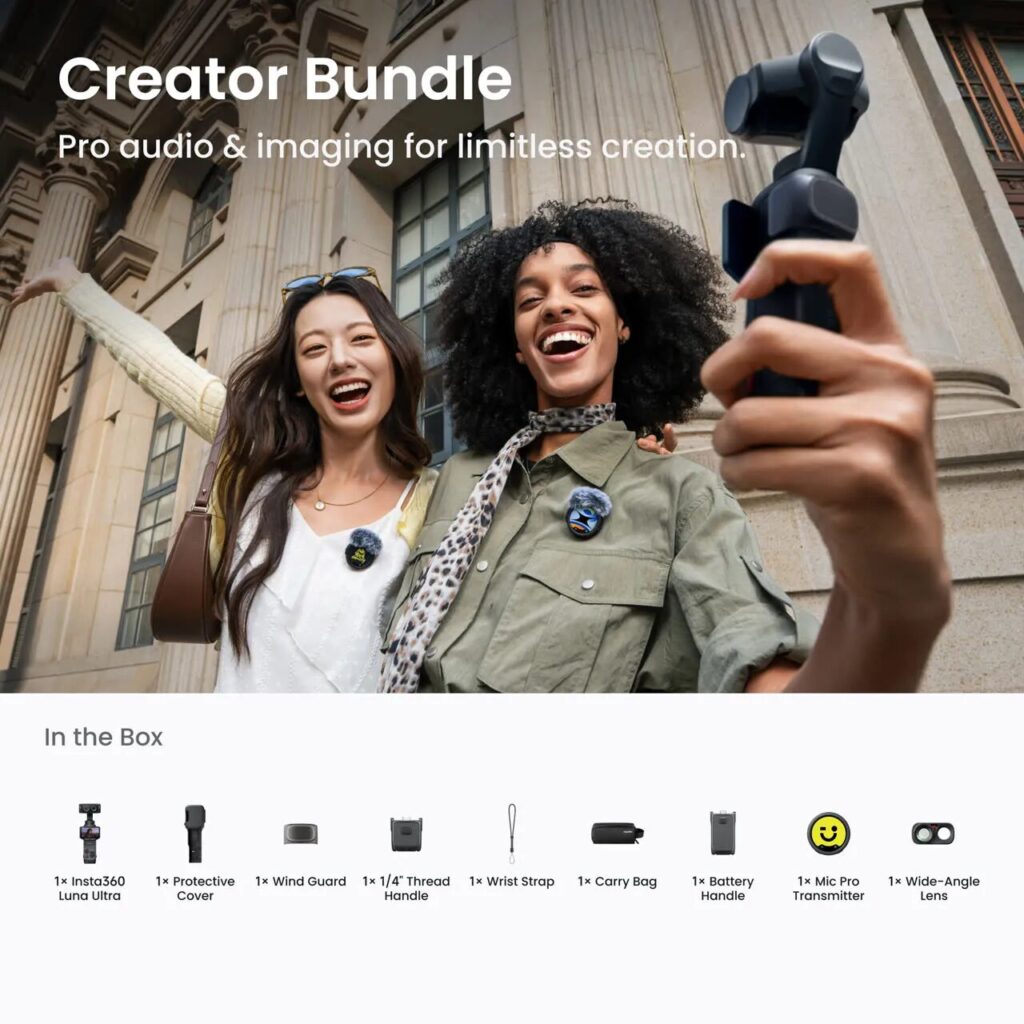
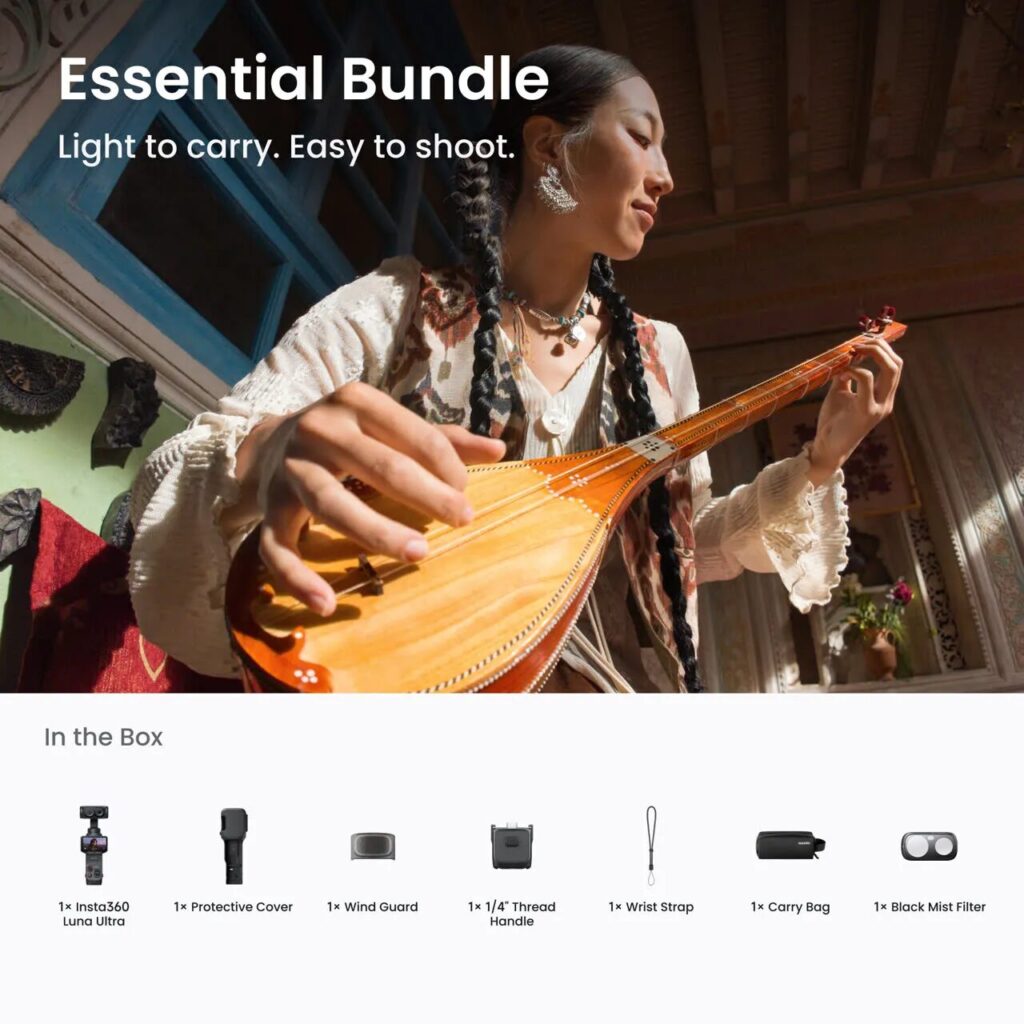
The Insta360 Luna Ultra is available in five bundles, each with a different set of included accessories. My top recommendation is the Creator Bundle — it comes with the brand-new Mic Pro transmitter and a power handle included. For anyone who needs long-duration Vlog recording, this bundle packs in the most essential accessories from the start, making it the best value-for-money choice.
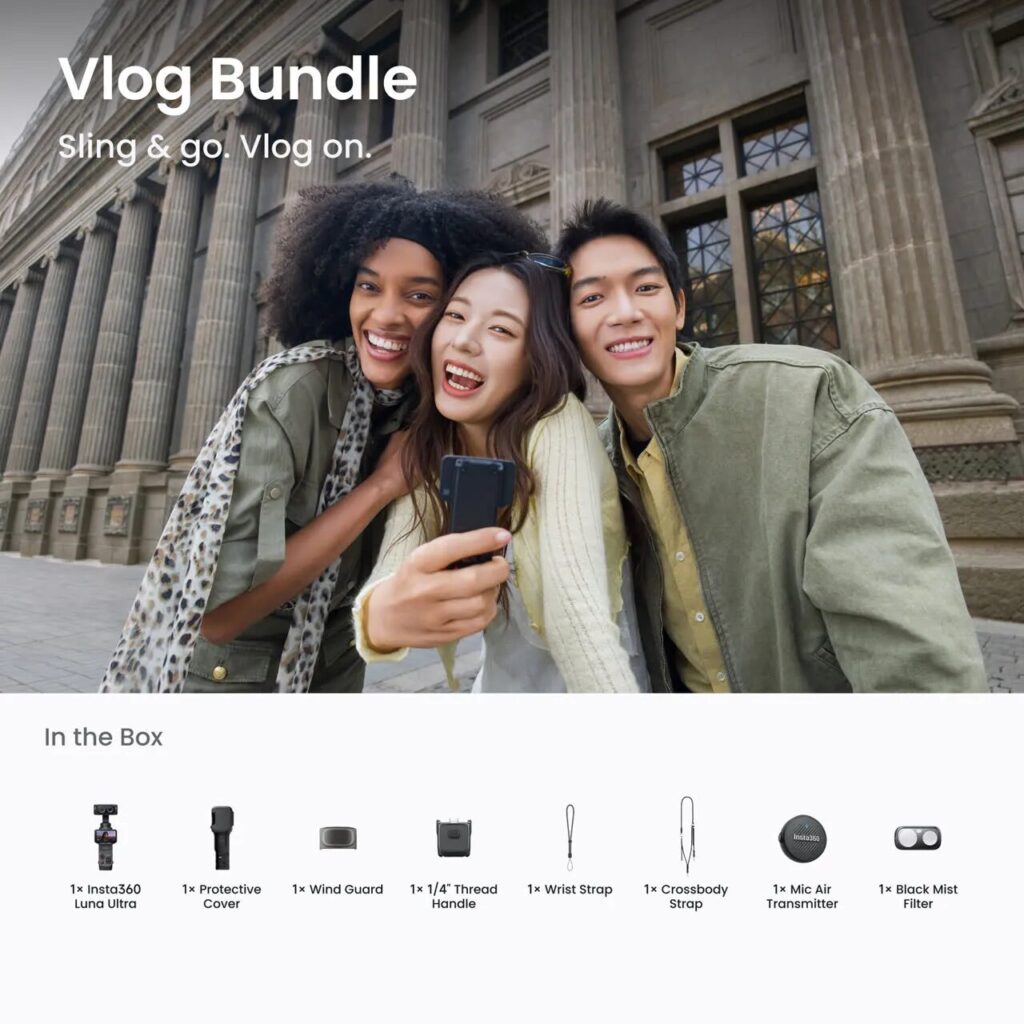
Insta360 Luna Ultra Unboxing
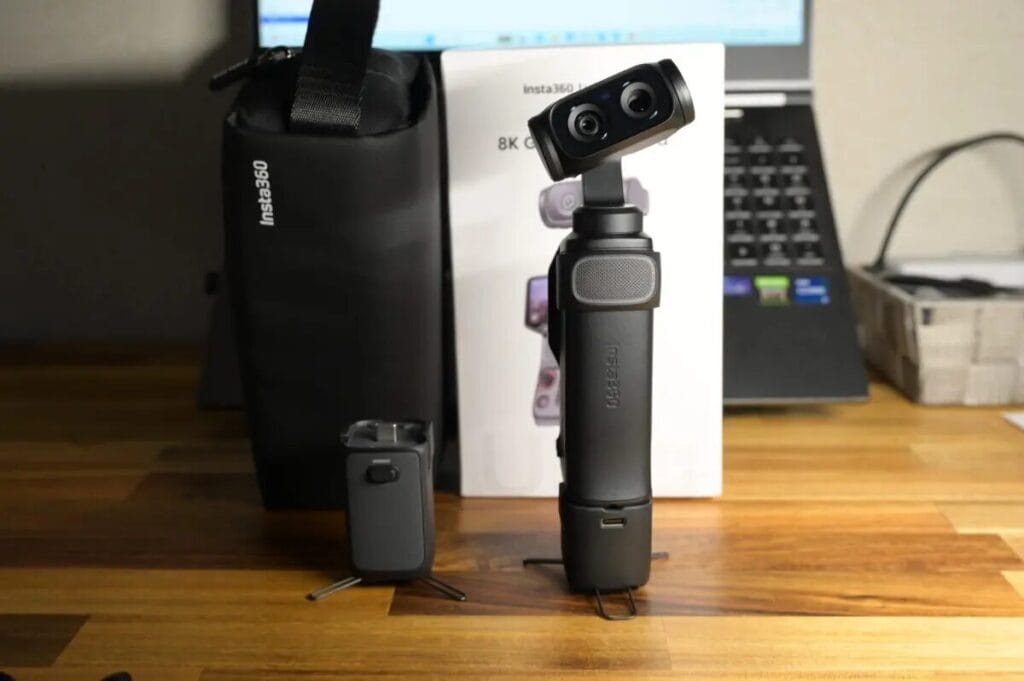
Standard Bundle Unboxing
I picked up the Luna Ultra Creator Bundle, which includes the newly launched Mic Pro and a wide-angle lens.
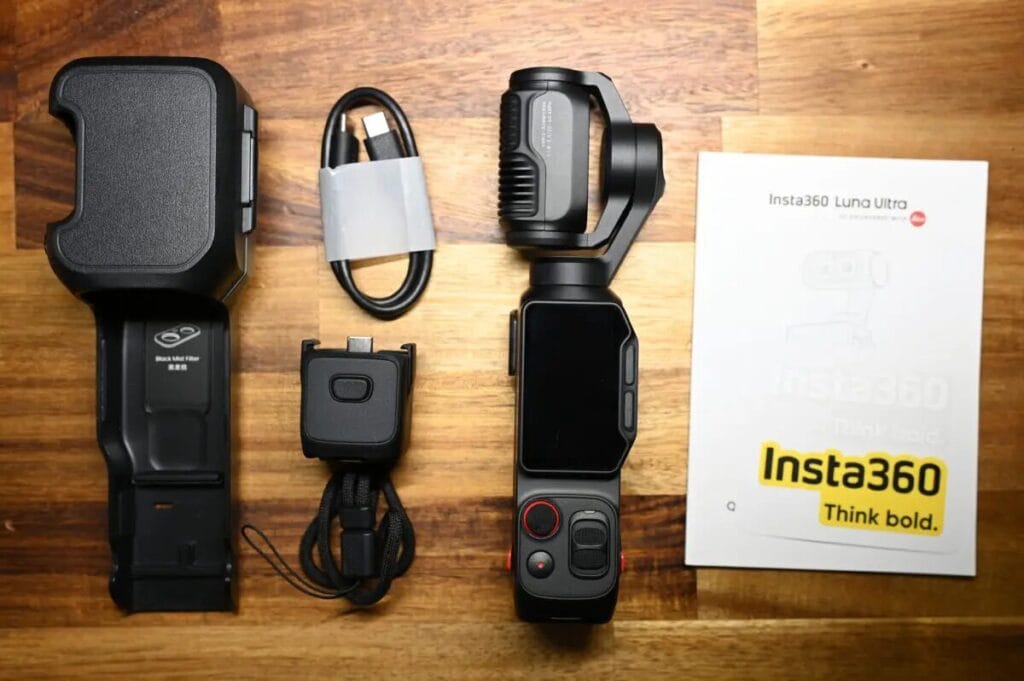
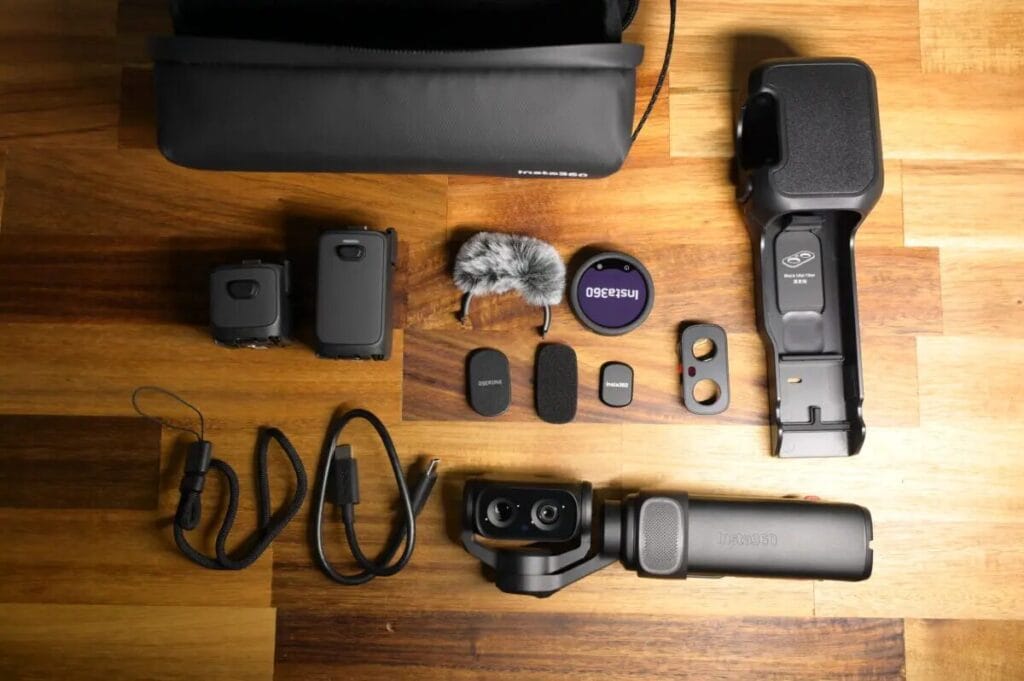
The interface is very intuitive and easy to use right from the first power-on.
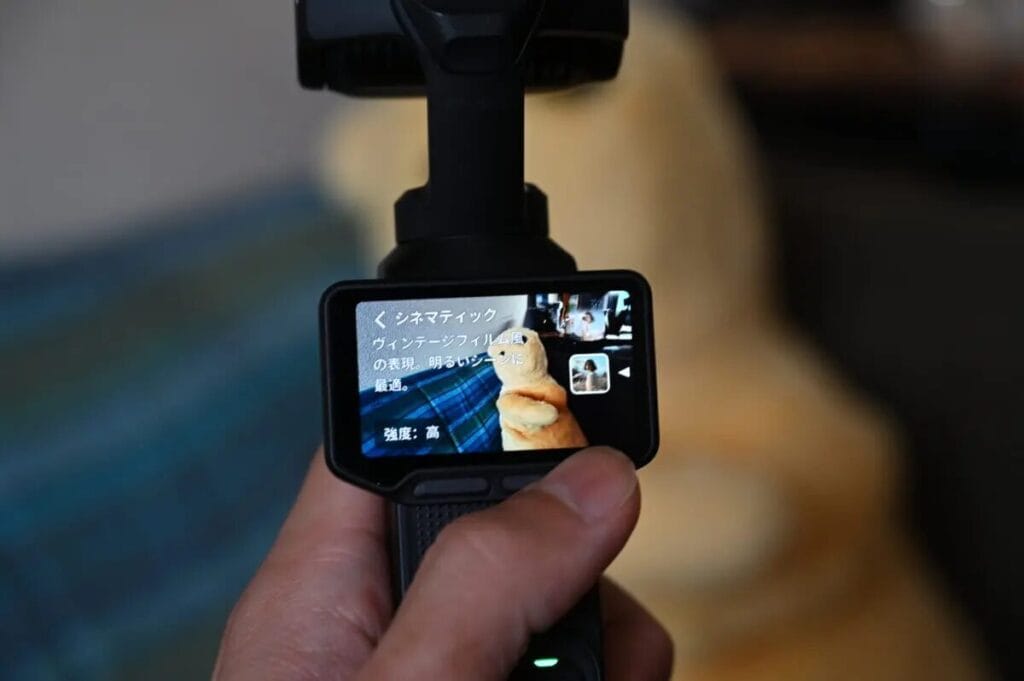
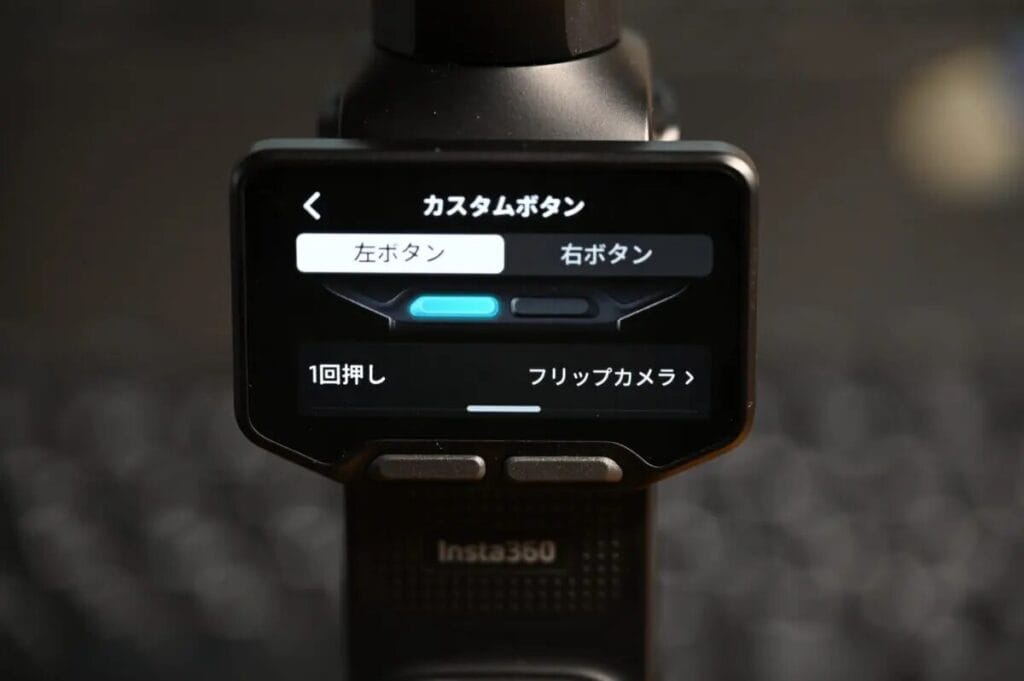
Image Quality & Sensor
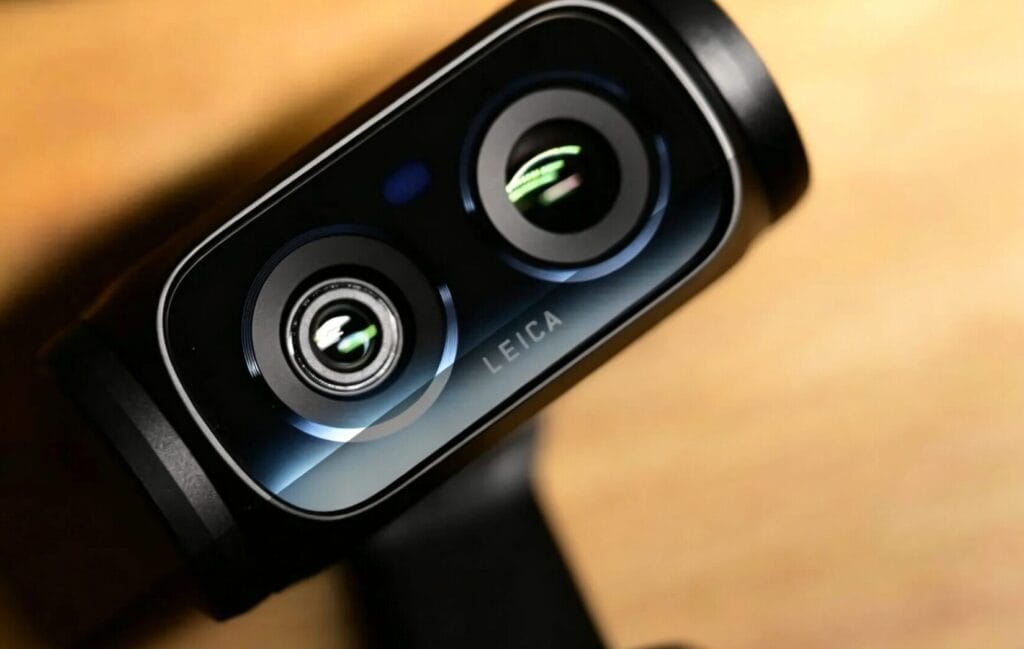
The camera features a 1-inch main wide-angle sensor paired with a 1/1.3-inch telephoto sensor. Compared to action cameras and the Osmo Pocket 4P, this lens combination delivers exceptional close-up capability — the large sensor and lens angle make it effortless to capture stunning portraits and landscapes. Luna Ultra also supports 10-bit video recording, a feature absent from both the Insta360 Ace Pro 2 and X5.
| Spec | Details |
|---|---|
| Main Lens | LEICA SUMMICRON Lens (1-inch sensor) |
| Telephoto Lens | 1/1.3-inch sensor |
| Zoom Range | 1× to 12× zoom |
| Processor | Triple AI Chip (4nm main chip + dual image processing chips) |
| Screen | Touchscreen, detachable display |
| Video Resolution | 8K 30fps / 4K 120fps / 1080P 240fps |
| Photo Resolution | 200MP panorama / 37MP UltraPhoto |
| Log Mode | 10-bit I-Log |
| Battery | 1550mAh |
The addition of a dedicated telephoto lens on the Luna Ultra makes background blur far easier to achieve. The 1-inch + 1/1.3-inch dual-lens pairing is a genuinely great match.


Filters
The Luna Ultra offers the most comprehensive built-in filter selection I've seen in any gimbal camera — a huge advantage for beginners. Whether shooting video or photos, the in-camera filters let you output finished content directly, without spending hours in post-production.






Controls & Ergonomics
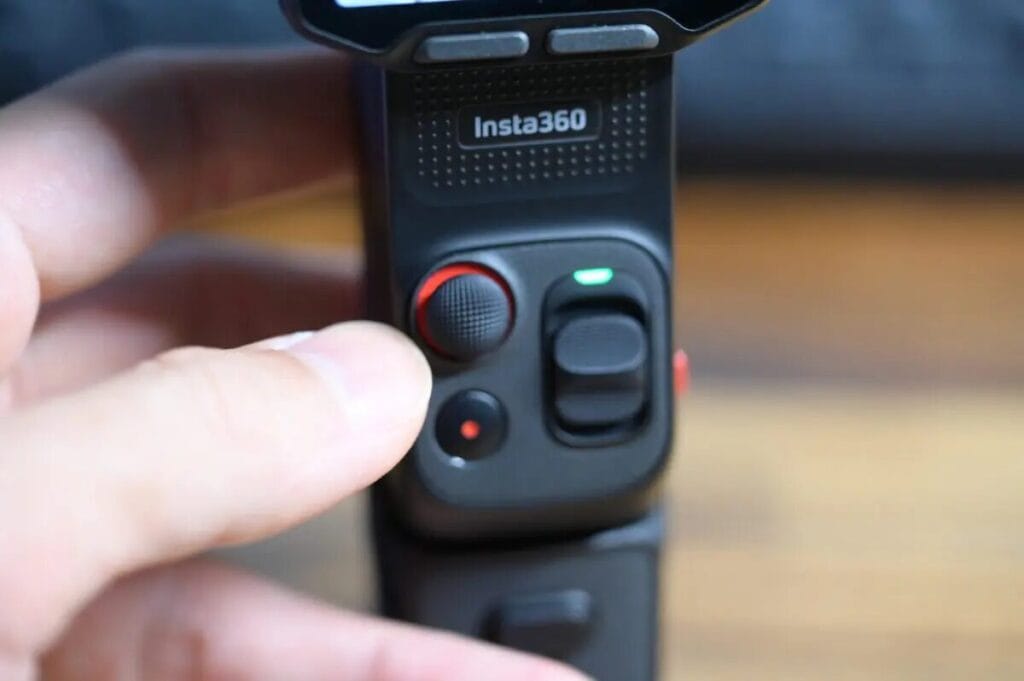
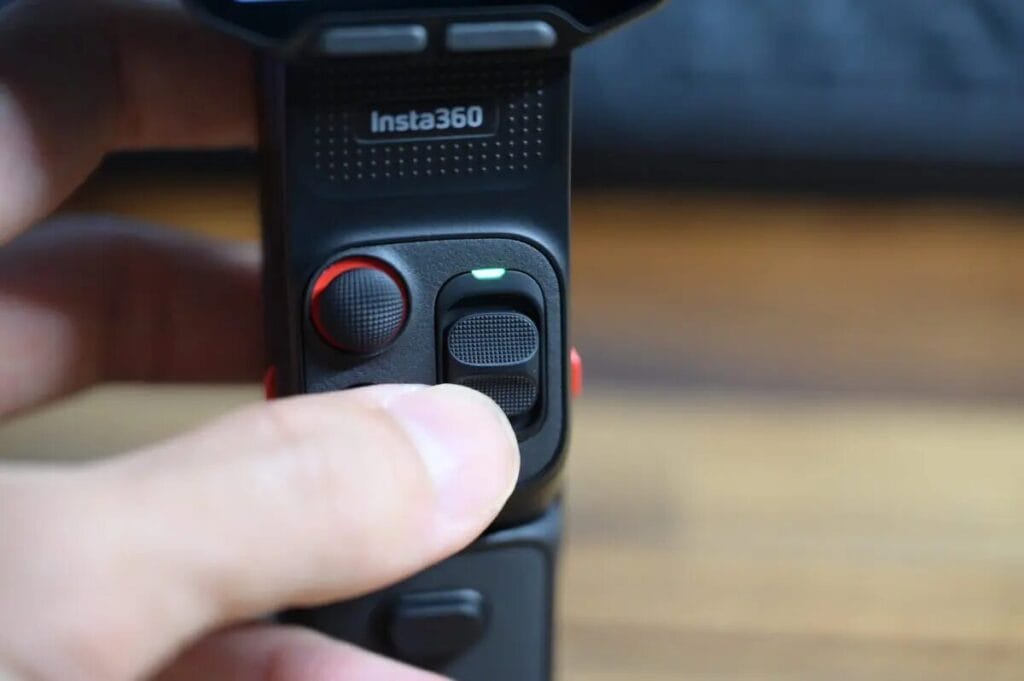
Unlike the Osmo Pocket 4P, the Luna Ultra uses a dedicated zoom rocker — hold and slide continuously to zoom in or out. This is ideal for smooth Vlog zoom pulls, slow telephoto push-ins at concerts, and any shot that benefits from gradual, cinematic focal transitions.
Insta360 Luna Ultra vs Luna: What's the Difference?
Luna Ultra = Standard Luna + dedicated telephoto lens + enhanced low-light performance + detachable remote screen + higher-tier video specs. It steps up from an “everyday Vlog camera” to an “all-round creative powerhouse.”
| Spec | Luna Ultra | Luna (Standard) | Impact |
|---|---|---|---|
| Lens & Sensor | |||
| Lens | Dual: 1″ Leica f/1.8 main (wide) + 1/1.3″ Leica f/2.0 telephoto Dual | Single: 1″ Leica f/2.0 wide-angle | Ultra has true optical telephoto; far superior for portraits and close-ups |
| Zoom | 3× optical → 6× lossless → 12× hybrid ↑Stronger | 3× digital zoom (crop) | Ultra zoom is nearly lossless with a much wider usable focal range |
| Video Specs | |||
| Max Video | 8K/30fps Dolby Vision Dolby 4K/120fps, 1080p/240fps |
8K/30fps (no Dolby) 4K/120fps |
Ultra adds native Dolby Vision output with greater post-production headroom |
| Dynamic Range | 14 stops, 10-bit I-Log ↑Higher | 12 stops, 10-bit I-Log | Ultra retains more highlight/shadow detail in high-contrast scenes |
| AI Chip | Triple AI chip (PureVideo night mode) ↑Upgraded | Dual AI chip | Ultra delivers brighter night shots with less noise |
| Body Design | |||
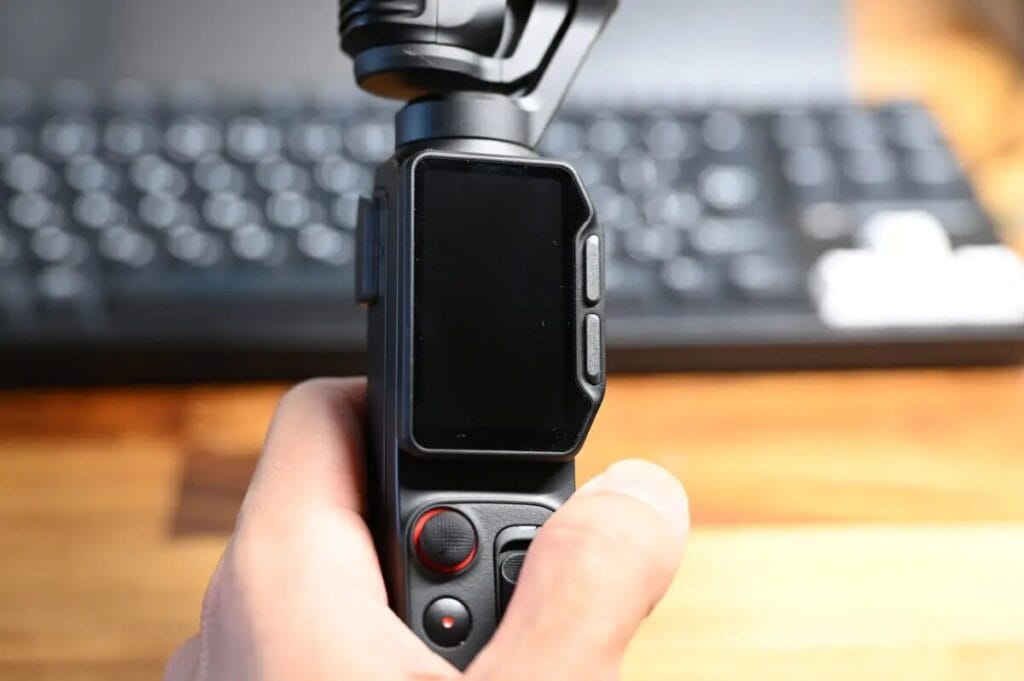
| Screen | 2″ OLED detachable magnetic remote screen Can be used as wireless monitor/controller Supports 20m transmission, built-in mic Exclusive |
Fixed integrated screen, tilt-only Cannot be detached for wireless use |
Ultra enables remote framing, selfie shots, and live streaming — far more versatile |
| Stabilisation | 3-axis gimbal + FlowState stabilisation | 3-axis gimbal + FlowState stabilisation | Identical on both models |
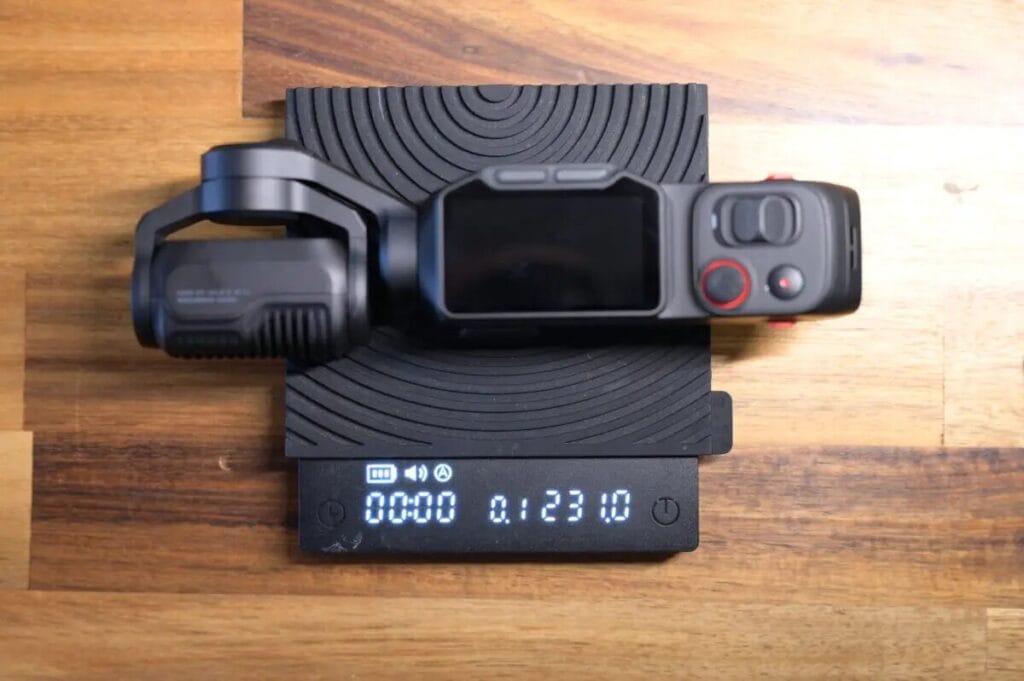
| Weight | Approx. 232g | Approx. 150g Lighter | Ultra is heavier but significantly more capable |
| Battery Life | |||
| Battery | 1550mAh, approx. 4 hours ↑Longer | 1500mAh, approx. 2.5–3 hours | Ultra has noticeably better battery life |
| Price | |||
| Price | HKD $5,690 / TWD $22,990 | Not yet available | Ultra offers a significant feature upgrade |
| Who It's For | |||
| Best For | Creators who need wide-to-telephoto versatility (portraits, telephoto candids, event coverage), have budget for a full-featured setup | Primarily wide-angle shooting (travel, store visits, daily Vlog), mid-range budget, no need for telephoto | Determine whether you need telephoto before choosing a model |
Insta360 Luna Ultra vs DJI Osmo Pocket 4P
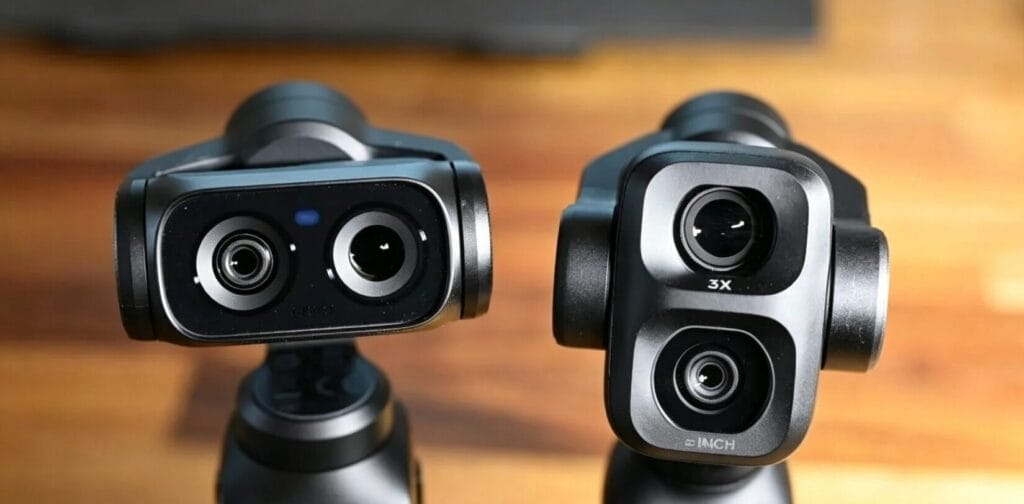
| Spec | Insta360 Luna Ultra | DJI Osmo Pocket 4P |
|---|---|---|
| Product Positioning | ||
| Category | Dual-lens flagship pocket gimbal (modular + AI + Leica colour) | Dual-lens flagship pocket gimbal (proven stabilisation + image quality) |
| Imaging Performance | ||
| Sensor | Main: 1″ CMOS Telephoto: 1/1.3″ CMOS |
Main: 1″ CMOS Mid-tele: 1/1.28″ CMOS |
| Lens / Aperture | Wide: 20mm f/1.8 (fixed) Tele: 70mm f/2.0 (fixed) Leica Summicron co-tuned |
Wide: ~20mm f/2.0 (fixed) Mid-tele: ~60mm f/1.8 (fixed) |
| Optical Zoom | Up to 6× lossless zoom, 1–12× hybrid zoom overall ↑Seamless dual-lens switching | Native mid-tele lens + crop lossless zoom, 1–12× hybrid digital zoom overall |
| Still Resolution | Main: 37MP Panorama: up to 200MP |
Main: ~37MP |
| Video Specs | 8K/24fps Dolby Vision, 4K/240fps, 10-bit i-Log | 4K/120fps, 4K/240fps slow motion 10-bit D-Log 2, 17-stop DR |
| AI & Tracking | ||
| Tracking System | Triple AI chip, DeepTrack 3.0 (multi-subject, occlusion-resistant) POV Head Tracker module: camera follows your gaze Exclusive |
ActiveTrack 6.0 Face / body / pet tracking |
| Body Design | ||
| Screen | 2″ OLED detachable screen (doubles as wireless remote) Modular magnetic design Exclusive |
2.5″ OLED fixed tilt screen (remote via smartphone app; not a standalone wireless controller) |
| Stabilisation | 3-axis mechanical gimbal | 3-axis mechanical gimbal |
| Weight | 233g | ~230g |
| Performance | ||
| Built-in Storage | 47GB | 107GB built-in ↑Advantage |
| Audio | 32-bit float recording (no clipping) ↑Upgraded | Quad-microphone array |
| Battery Life | 240 minutes ↑Advantage | 210 minutes |
| Best Use Cases | ||
| Best For | Travel / adventure / POV head tracking, wide-to-telephoto versatility, modular remote control, Leica colour science | Professional Vlogging, cinematic image quality, manual exposure control, precise colour grading |
Which One Should You Choose?
On paper, the Insta360 Luna Ultra and DJI Osmo Pocket 4P are closely matched. If you want a pocket gimbal camera that covers both wide-angle and telephoto in a single body, the Luna Ultra is currently the most complete option on the market.
The DJI Osmo Pocket 4P excels in portrait rendering, longer real-world shooting endurance (under equivalent 4K conditions, the Osmo Pocket 4P lasts around 2 hours vs. Luna Ultra's ~1.5 hours), and a mature, proven stabilisation system. The Insta360 Luna Ultra, on the other hand, shines in creative freedom and shooting versatility — the modular design enables flexible operation, Leica-tuned out-of-camera colour science, and a rich selection of stylised filters, making it highly appealing to creators who prioritise a distinctive visual aesthetic.
- For everyday Vlogs, travel wide-angle shooting, Leica out-of-camera colour, and minimal post-processing → Luna Ultra
- For hands-on colour grading, more post-production flexibility, tighter budget, or preference for a lighter body → DJI Osmo Pocket 4P
Insta360 Luna Ultra
Standard Bundle $769.99
Leica dual lenses, 8K Dolby Vision, detachable screen, 32-bit float audio — Insta360 Luna Ultra is the pocket gimbal that does it all.
Insta360 Luna Ultra: 4 Key Feature Highlights
Highlight 1: Detachable Modular Design + 6× Lossless Zoom — The Biggest Differentiator
The entire Insta360 Luna series features a unique detachable modular design — a concept reminiscent of the GO Ultra, but extended further into the gimbal camera use case. The screen can be removed and used independently, making third-person perspective shooting effortless without needing an extra assistant or complex accessories.
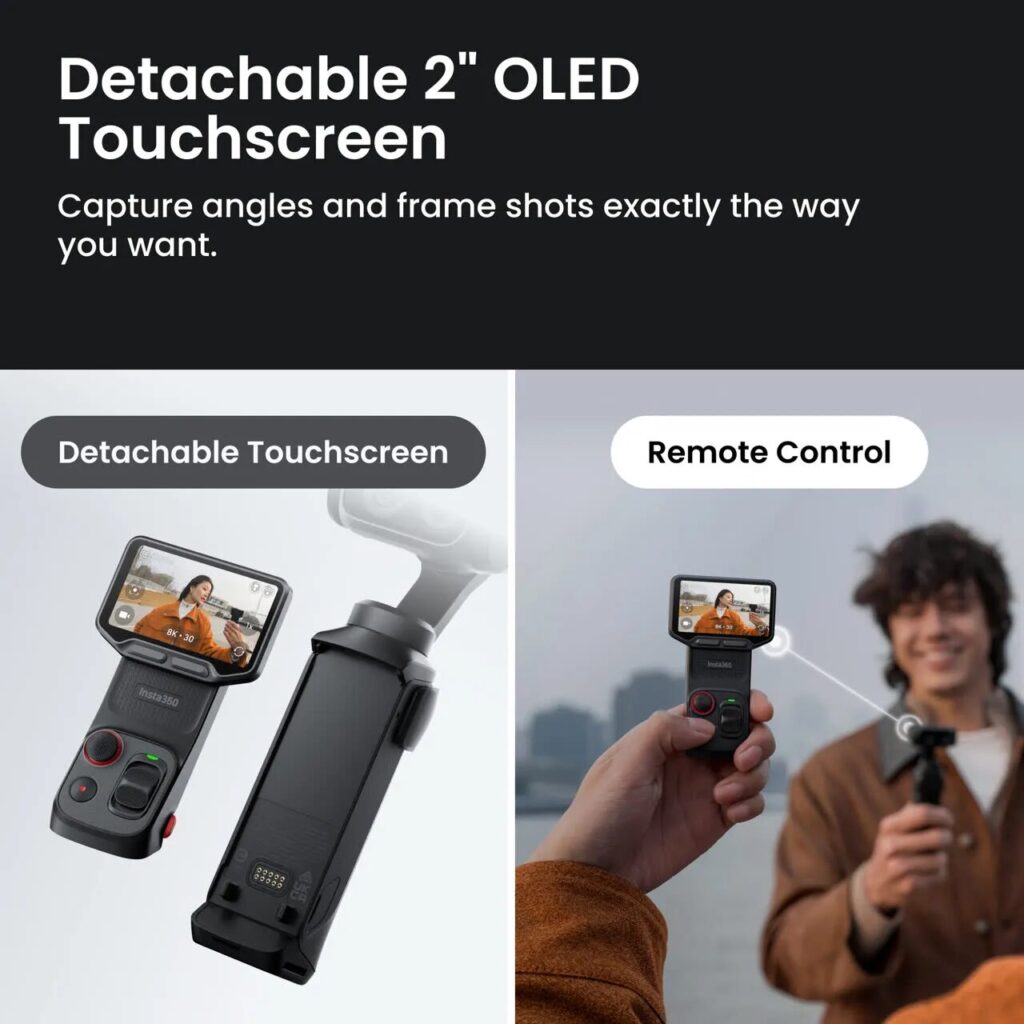
The detached screen supports up to 20-metre wireless transmission and can even remotely control zoom and composition via its joystick — an operational flexibility you simply won't find on any competing camera, making it one of the Luna series' most distinctive advantages. The detachable remote screen also has a built-in microphone, meaning even when it's separated from the camera body, audio recording continues in sync — pushing shooting flexibility even further.
Beyond that, the Insta360 Luna Ultra‘s biggest highlight is undoubtedly its support for up to 6× (120mm) lossless optical zoom — an industry first for handheld gimbal cameras, making the Luna Ultra the world's first model to combine telephoto capability with a detachable modular design.


On the video side, the Insta360 Luna breaks new ground with support for 8K Dolby Vision video, 4K 120fps slow-motion recording, and 10-bit I-Log with 14 stops of dynamic range — leaving ample room for post-production. Whether you're shooting everyday Vlogs or fast-moving action, it handles it all with ease.
Highlight 2: Leica Dual Lenses + Triple AI Chip + 10-bit Colour
Since the Ace Pro, Insta360's collaboration with LEICA has been a mark of quality. The Insta360 Luna Ultra features a Leica Summicron wide-angle primary lens paired with a Leica telephoto lens, delivering groundbreaking 8K/30fps Dolby Vision, 4K/120fps slow-motion video, 3 built-in Leica filters, and 6 cinematic filters. Combined with AI-powered 3-axis mechanical optical stabilisation, it produces smooth footage even during light movement.
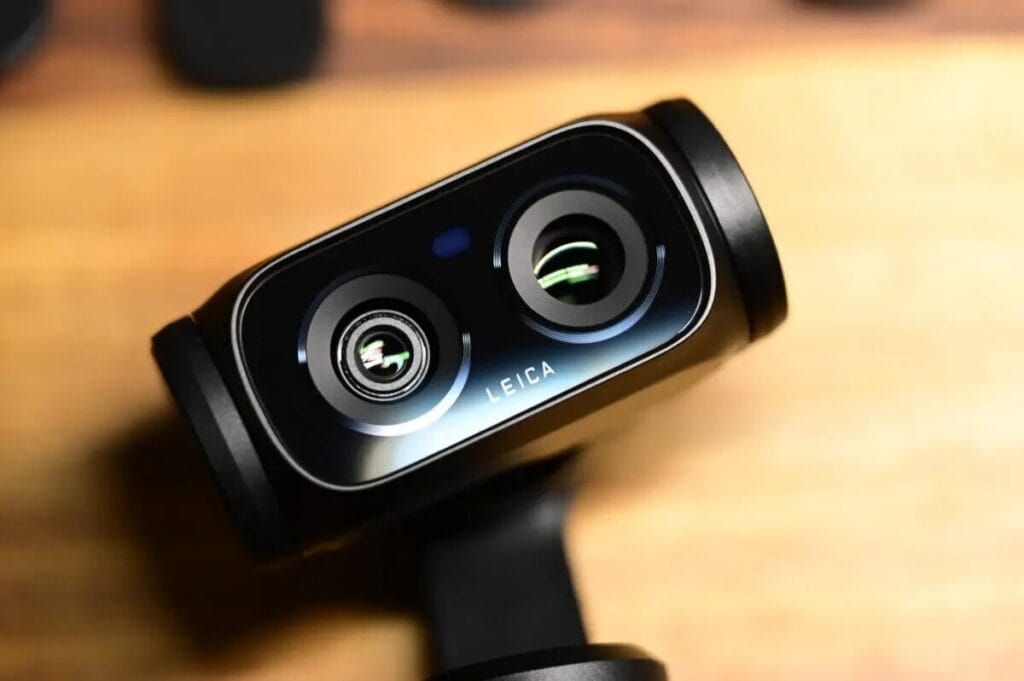
In addition, the Insta360 Luna Ultra houses a Triple AI chip that further optimises low-light video performance. PureVideo supports up to 4K/60fps, making night shooting performance very promising.
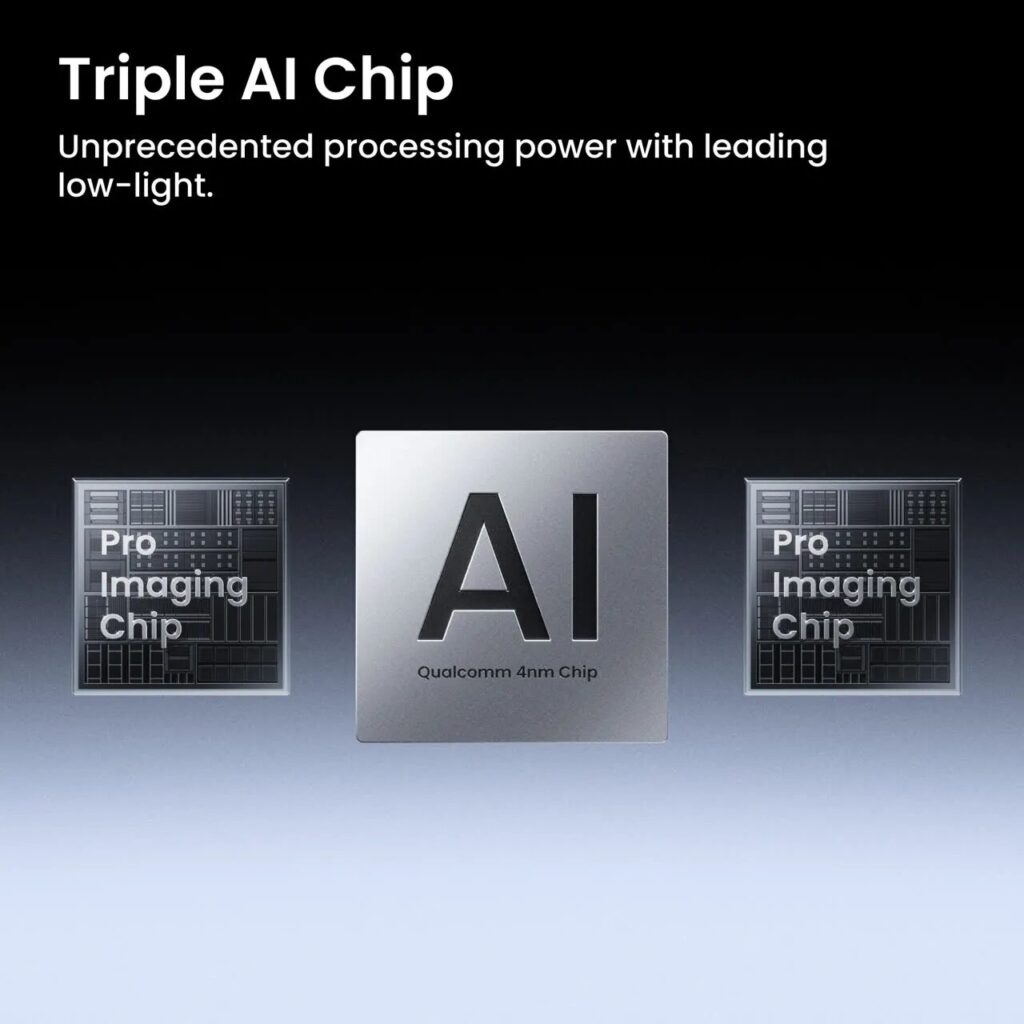
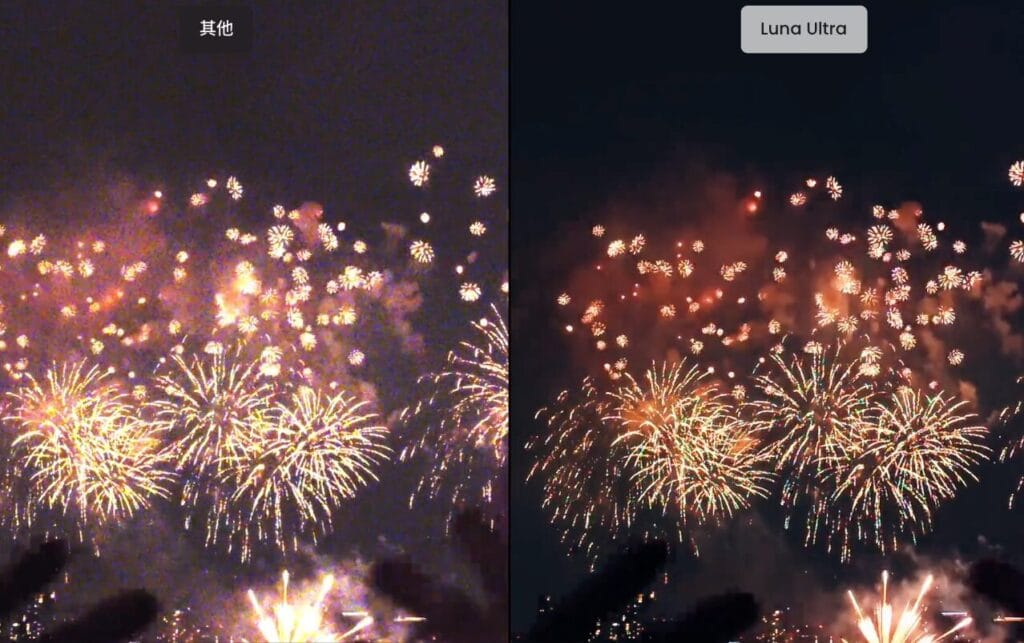
Low-light shooting has always been one of Insta360's strengths — just as the Ace Pro 2 pushed nighttime performance to the top of the wide-angle camera segment, the Insta360 Luna Ultra is expected to do the same for gimbal cameras. If you regularly shoot in low-light environments — think aurora photography or concert videography — the Luna Ultra deserves serious consideration.
Worth highlighting: 10-bit colour will be realised for the first time on the Insta360 Luna Ultra. This is Insta360's first product to support 10-bit capture. Paired with 14-stop dynamic range 10-bit I-Log, it preserves the finest tonal gradations and colour detail in the frame, leaving extensive latitude for professional colour grading. For creators with serious post-production needs, this is a meaningful, tangible upgrade.
The footage from the Luna Ultra has a quality that looks “more beautiful than memory.” Even someone with zero shooting experience can capture images with a cinematic feel.


Highlight 3: White Colourway — Differentiated Design for a Wider Audience
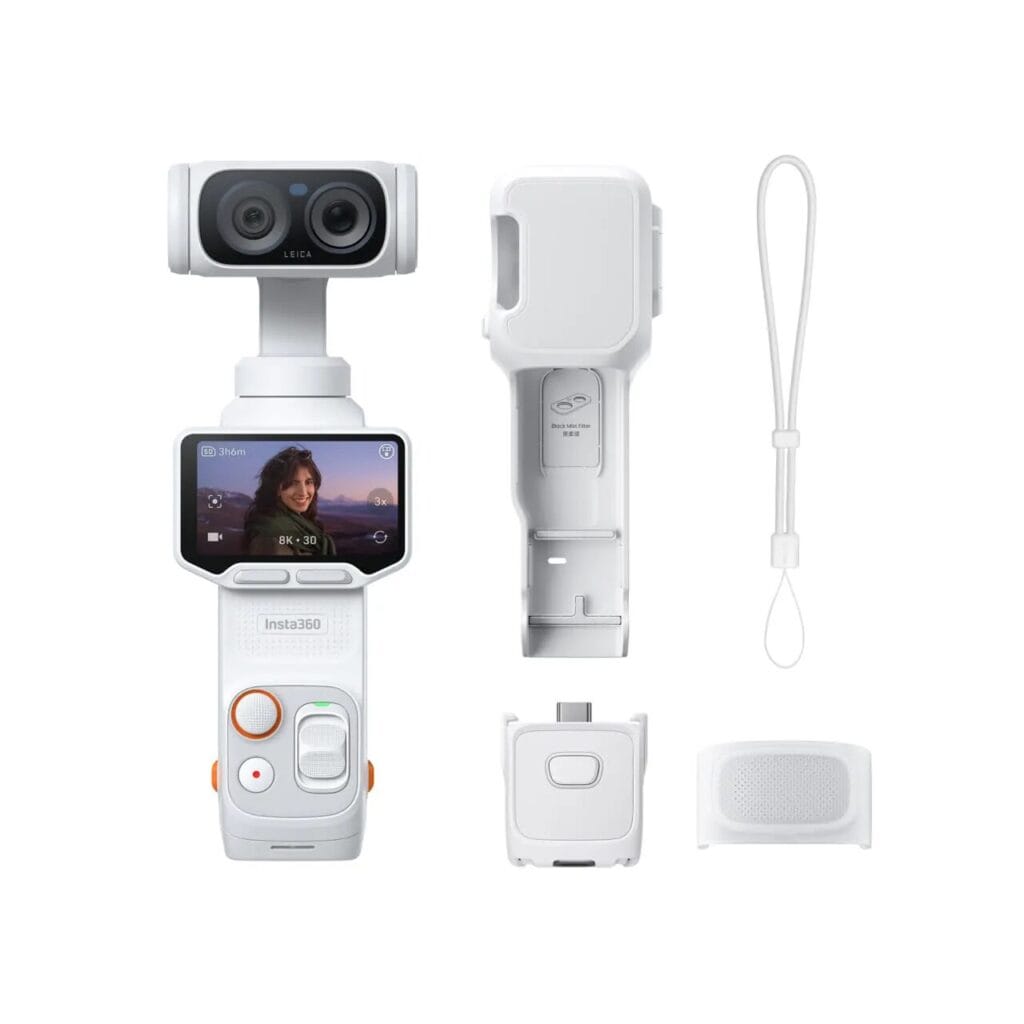
According to publicly available information, the Insta360 Luna Ultra was shown in a white colourway at mainland China retail stores. The all-white body paired with the LEICA logo makes for a strikingly distinctive design. This isn't just about aesthetics — it's also a deliberate marketing strategy. The white version will attract design-conscious buyers who care about how their gear looks. (White colourways typically involve lower manufacturing yield rates and higher production complexity.)
Highlight 4: Complete Accessory Ecosystem + New Mic Pro Support + AI Editing Workflow
The Insta360 Luna Ultra launched with 14 individually purchasable official accessories — nearly double what the Osmo Pocket 4 offered at launch — building a remarkably complete accessory ecosystem from day one.
Beyond the standard gimbal camera accessories like a protective case, wide-angle lens, and power handle, Insta360 has also introduced more creative accessories including a First-Person POV Head Module, a magnetic expansion bracket, and a head-mount — dramatically expanding what's possible with the Luna Ultra. The most exciting of these is the POV Head Tracker — paired with its dedicated head-tracking module, wherever your head turns, the Luna Ultra's lens follows in perfect sync, making immersive first-person perspective footage effortless to capture.

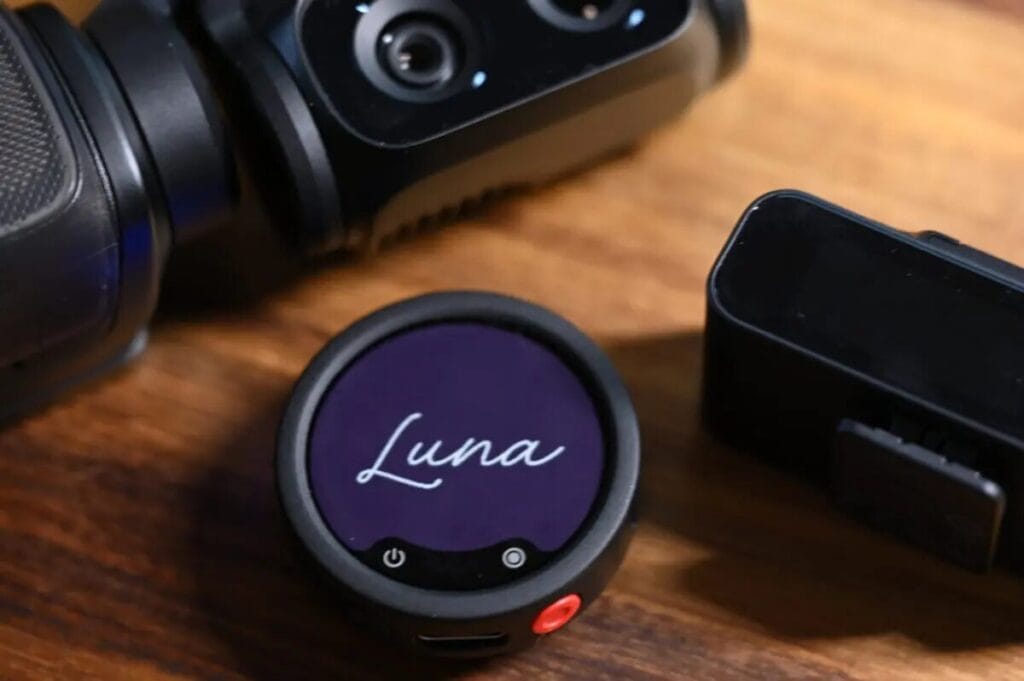
Insta360 also developed the Mic Pro — a wireless lavalier microphone featuring a screen with customisable display content — deeply integrated with the Insta360 Luna series to create a complete Vlog production ecosystem. This accessory is also included directly in the Luna Ultra's Creator Bundle.
For post-production, the Insta360 Luna Ultra supports AI auto-editing — automatically generating BGM, transitions, and colour grading in under 5 minutes, dramatically speeding up the journey from shooting to finished video. Even users with zero editing experience can get polished results quickly. AI-assisted editing has long been an Insta360 strong suit; compared to DJI Mimo, the Insta360 app offers superior ease of use, richer filters, and a smoother editing experience overall.
Insta360 Luna Ultra Drawbacks
The Luna Ultra is not without its weaknesses. At 233g, it is slightly heavier than the Osmo Pocket 4P's 230g. Built-in storage is only 47GB — less than half of the Osmo Pocket 4P's 107GB — which raises the risk of running out of space if you forget to bring an extra memory card.
Who Is the Insta360 Luna Ultra For?
Content Creators & Vloggers
Insta360 Luna Ultra‘s Leica dual lenses and Triple AI chip with auto-editing make solo content creation significantly more efficient. 8K Dolby Vision footage straight out of camera instantly elevates production quality.
Travel Enthusiasts
Insta360 Luna Ultra‘s compact body and detachable remote screen make wide-to-telephoto switching seamless — one camera to handle every shooting scenario on your journey.
Gimbal Camera Beginners
Insta360 Luna Ultra‘s Leica out-of-camera colour and AI one-tap video creation lower the learning curve significantly. With clear quad-microphone audio, you can shoot and share straight away.
Existing Insta360 Ace / GO / X Series Users
Familiar app ecosystem with seamless transition between devices. The Insta360 Luna Ultra brings Triple AI chip processing, 8K Dolby Vision, and a detachable remote screen — the most natural flagship upgrade path.
Japan is practically the perfect filming location for the Luna Ultra — every spontaneous frame carries the rich, atmospheric feel of a Japanese drama series.


Final Verdict: Why the Insta360 Luna Ultra Is Worth Buying
- Prioritise cinematic image quality and fine detail in your footage
- Primarily shoot everyday Vlogs, store visits, travel documentation, and street content
- Want Leica out-of-camera colour science without spending time in post-production
- Want to capture portraits and macro shots with beautiful background blur
- Don't plan to use your camera in harsh weather or near water
From my personal perspective, the Insta360 Luna Ultra — on the strength of Leica dual lenses, Triple AI chip, detachable screen, and 8K Dolby Vision colour alone — is absolutely a gimbal camera worth buying, and a genuinely heartfelt product from Insta360.
After seeing the Insta360 Luna Ultra, the only real move left for DJI Osmo Pocket 4P is probably a price cut. But when you're already spending this much on a gimbal camera, price arguably becomes a secondary concern — what matters most is: can this camera actually deliver footage that satisfies you? Is the operation genuinely intuitive? There's also another perspective worth considering: gimbal cameras are actually competing against mirrorless cameras. Viewed through that lens, whether it's Insta360 or DJI, the Luna Ultra's price tag is anything but “expensive” compared to Sony or Canon mirrorless systems.
The DJI Osmo Pocket 4 standard edition delivered a solid upgrade cycle, but it never truly addressed the gimbal camera segment's longest-standing pain point — the lack of telephoto. The Insta360 Luna Ultra attacks this gap head-on from the very start, making Leica dual lenses its core selling proposition and pairing them with a detachable screen for a genuinely differentiated experience. This is a product strategy executed with real conviction. I'm very much looking forward to continuing hands-on testing of both the Osmo Pocket 4P and the Insta360 Luna series — a full comparative review will be published on this site soon. Stay tuned.
Insta360 Luna Ultra
Standard Bundle $769.99
Leica dual lenses, 8K Dolby Vision, detachable screen, 32-bit float audio — Insta360 Luna Ultra is the pocket gimbal that does it all.