20+ days on the mountain each season. Nearly 10 cameras tested across altitudes above 2,000 meters. Here's what actually works.
Shopping for a ski or snowboard camera seems easy. Then you notice most reviews are written by people who've never taken a wipeout at speed, never watched a battery die at -15°C, never fumbled a selfie stick out of a jacket pocket mid-run.
Every recommendation in this guide comes from slope time, not spec sheets.
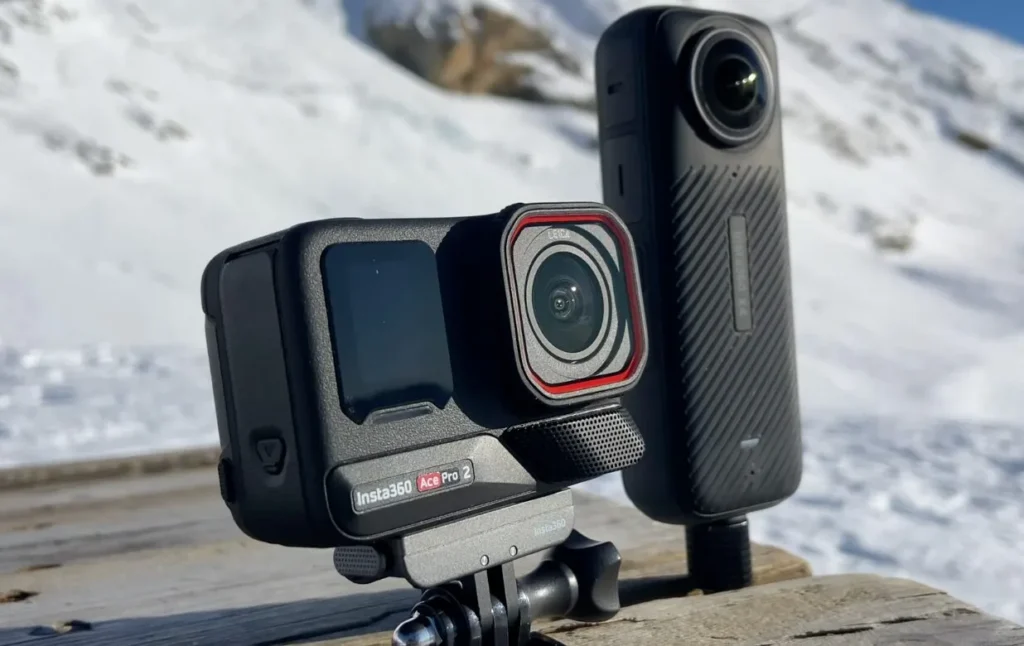
How to Actually Choose the Best Ski or Snowboard Camera
Most buying guides tell you to check resolution and waterproofing. Those are table stakes. They don't decide whether you come home with usable footage.
After years of real mountain testing, here's what genuinely matters:
What Actually Matters on the Slopes
- A 360° camera lets you focus on riding instead of framing
- Lightweight design matters more than specs
- 4K+ resolution is already more than enough in daylight snow
- Reliable waterproofing for snow and meltwater
- Removable lens guards + quick-release mounting for fast angle changes
- Long battery life with cold-weather performance
Why 360° Cameras Are Often the Best Choice for Skiing & Snowboarding
On a chairlift or a groomed run, it's easy to adjust your camera. At speed on a steep line or in the park, it's not.
That's the core advantage of a 360° ski camera: you stop managing the frame and start focusing on riding.
With a traditional wide-angle camera:
- Mounting angle must be precise — a few degrees off ruins the shot
- Vibration and speed can shift the angle mid-run
- Missed framing means missed footage, permanently
With a 360° ski camera:
- Capture everything around you as you ride
- Reframe your shots in editing, after the fact
- The selfie stick disappears automatically — footage looks like a drone follow-cam
This is why experienced riders keep moving to 360° setups. You don't need to be a filmmaker on the mountain. You just need to ride.
Top 360° Camera for 2026
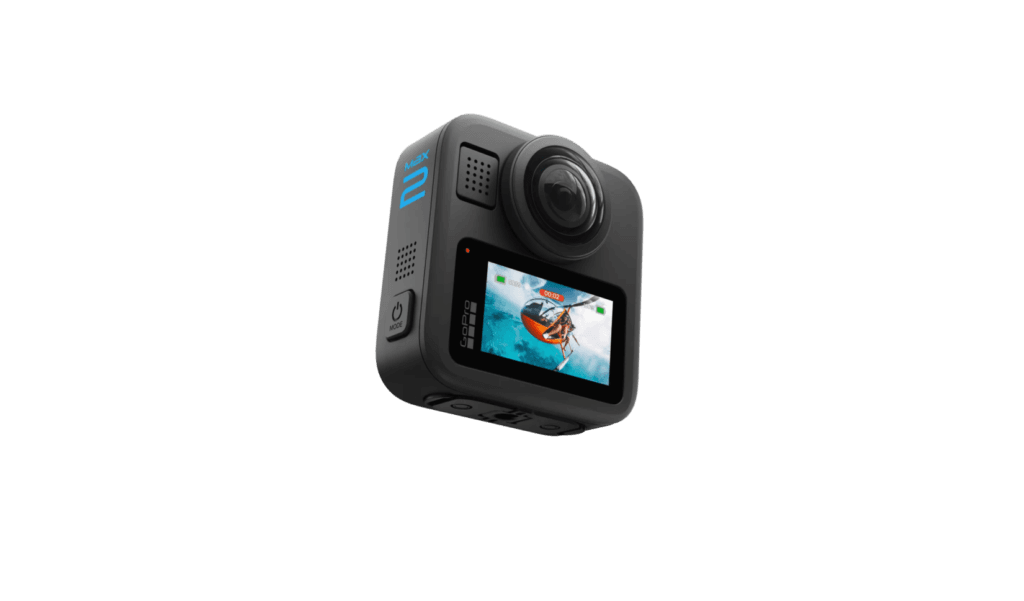
The current 360° market comes down to three brands: Insta360, DJI, and GoPro. Insta360 built the category in the first place, and it still sets the pace.

360° vs. Traditional Wide-Angle on the Mountain
With a 360° camera, you point the selfie stick roughly at yourself and ride. You cannot be out of frame, because the camera captures everything. The stick gets scrubbed out of the footage automatically, so the result looks like a drone follow-cam without the flight permits.
Traditional wide-angle cameras, even flagships like the Ace Pro 2, demand constant attention to framing. A few degrees off and your best trick ends up half out of frame. A 360° camera removes that from your brain entirely, and you get to think about your line instead.
Weight Matters More Than Image Quality for Snow Sports
Here's something almost no buying guide mentions: for snow sports, weight matters more than in almost any other filming scenario.
On a selfie stick, leverage and wind resistance multiply every gram. A 10–30g difference between cameras is something you'll feel in stability and arm fatigue by mid-afternoon.
After years of testing setups, my formula hasn't changed:
Choose the lightest camera you trust + the shortest stick you'll actually carry.
| X4 Air | X5 | Osmo 360 | X4 | X3 | ONE X2 | |
|---|---|---|---|---|---|---|
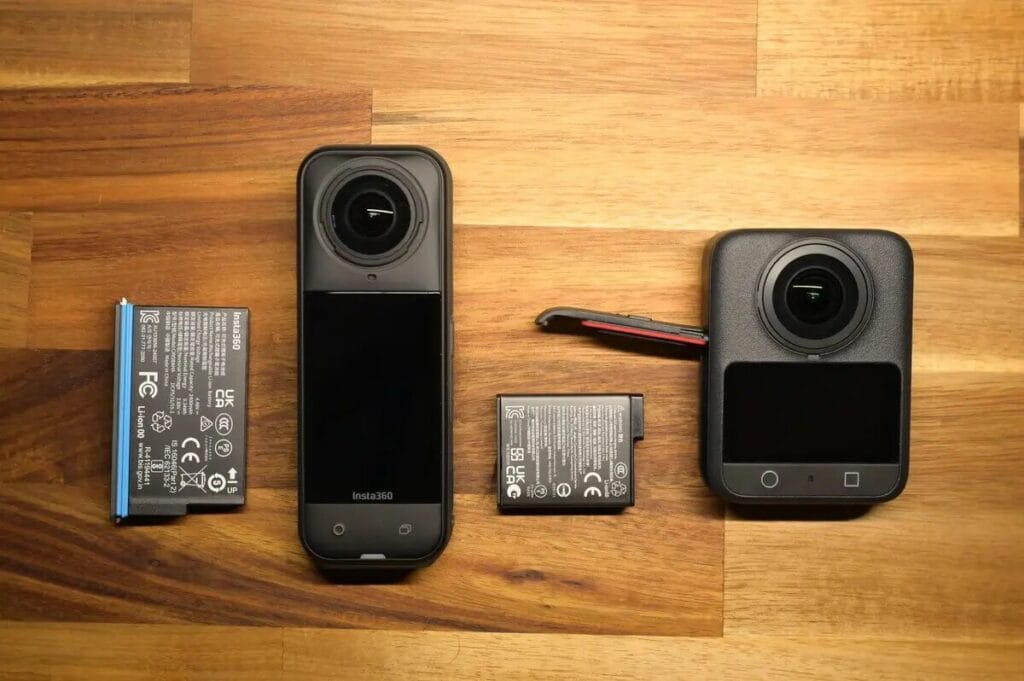
| Weights | 165g | 198g | 183g | 203g | 180g | 149g |
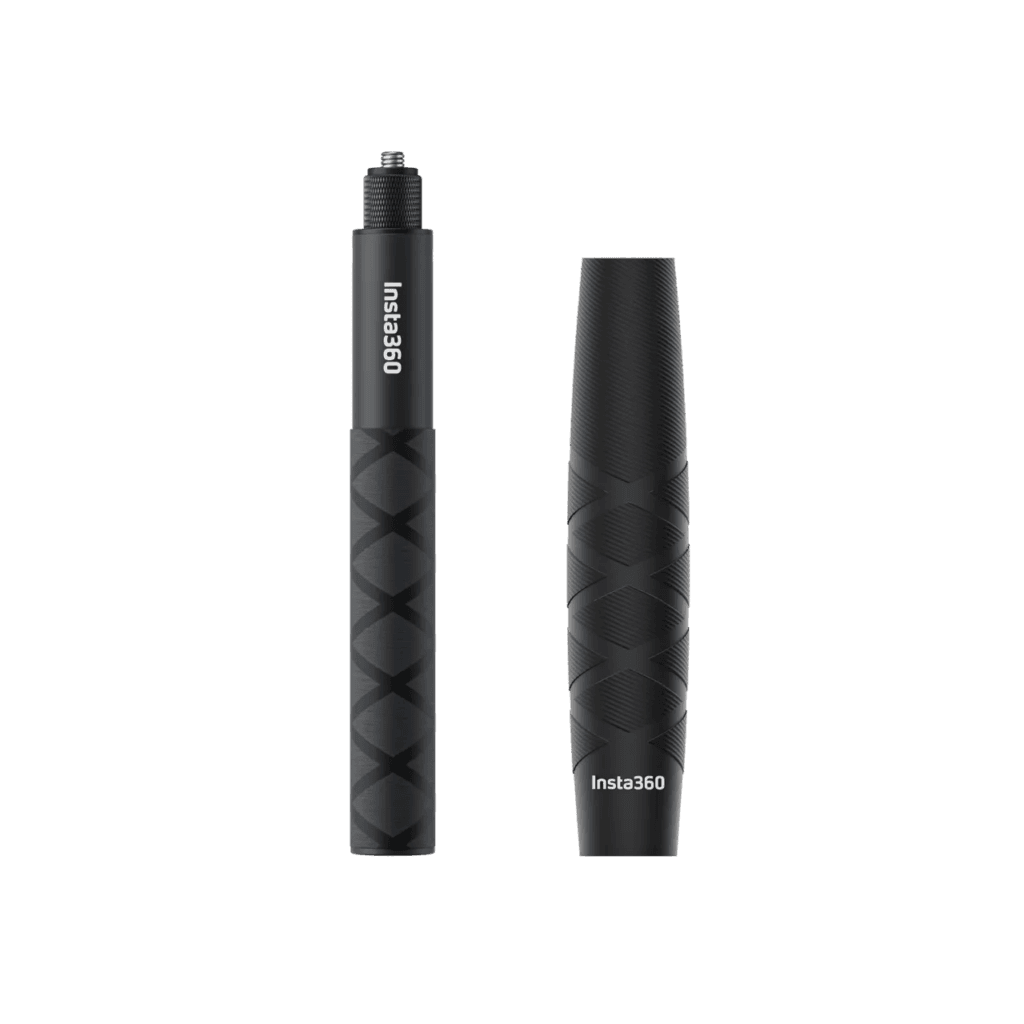
For skiing, I run an 85cm invisible selfie stick. It folds into a jacket pocket, creates minimal torque at speed, and stays easy to control all day.
Selfie Stick Length: 85cm vs. 114cm
Stick length changes your footage more than most riders expect, and the right answer depends on how you ride.
114cm stick — The most cinematic third-person look. The extra length pulls fisheye distortion away from your head and feet, so the mountain looks bigger and more dramatic. Trade-off: it doesn't fit in a jacket pocket or a standard ski pack.
85cm stick — The practical choice for skiing. Fits in most jacket pockets, minimal torque at speed, quick to pull out between runs. For most riders this is the right call.
Rule of thumb: the best selfie stick is the one you can actually reach when the shot is happening. Buried in your pack, it's useless.
For most skiers, the Insta360 X4 Air + 85cm invisible selfie stick is the pairing I'd put in anyone's hands for all-day mountain use.
Snow Conditions Reduce the Need for Extreme Image Quality
If you mostly ride at resorts, here's a tip that might save you hundreds: stop chasing flagship image quality. In the glare of the slopes, 4K is already plenty. The spec you actually need to watch is weight.
Sounds backwards, but high-altitude snow is nature's best softbox. That flat, bright resort light is so clean it makes almost any sensor look good.
Forest shadows and sunsets are hard on sensors. Ski footage is white snow and blue sky, a simple high-key palette. For a camera sensor, that's easy mode.
So instead of paying for image quality you'll rarely see on the slopes, put your money toward cold resistance, weight, and operation you can manage with gloves on.
Cold-Weather Battery: Where the Brands Split
Below -10°C, the gap between camera brands gets ugly.
Insta360 & DJI flagships are rated to -20°C (-4°F). They're built for high-altitude backcountry conditions and keep recording through sustained cold. Both fast-charge too: a 15–20 minute stop at a rest station tops you up and puts you back on the mountain.
GoPro only officially supports down to -10°C (14°F), even with the Enduro low-temperature battery. In Hokkaido, the Alps, or the Rockies in January, that's not enough. Sudden shutdowns and rapid battery drain are real risks.
My minimum benchmark for a serious ski camera: 60 minutes of continuous recording at -20°C. Insta360 and DJI hit it. GoPro doesn't, not reliably.
Lens Protection: Why a Replaceable Guard Matters
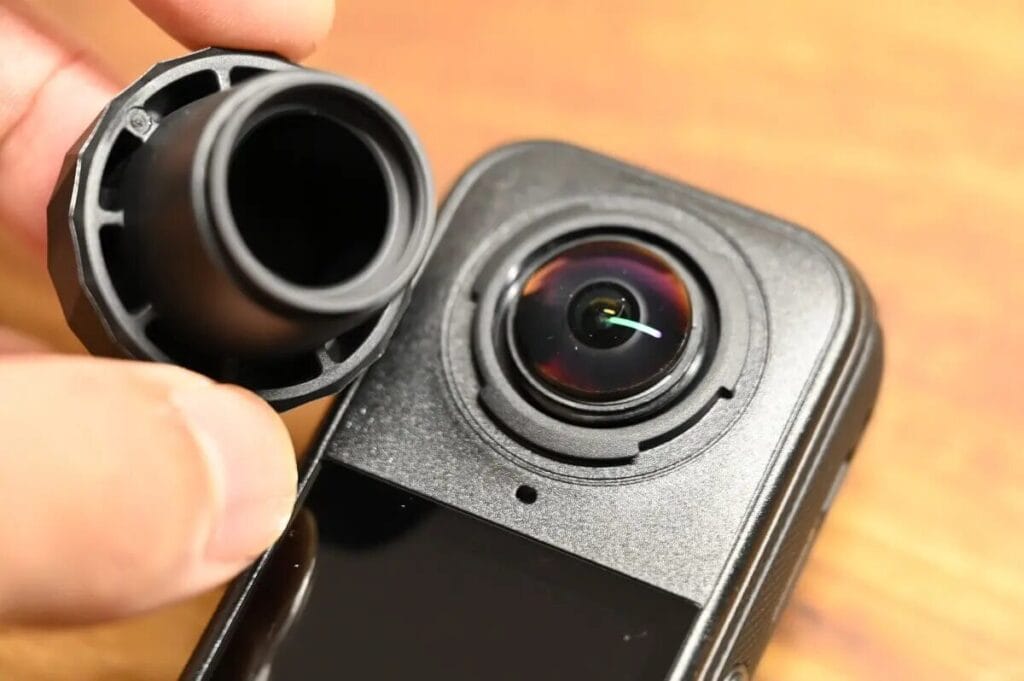
Carve at speed or hit park features, and your camera takes hits. One wipeout or a brush against icy crust can scratch the lens. On a fixed-lens camera, even a minor scuff means an expensive professional repair and a camera sitting dead in your bag for the rest of the trip.
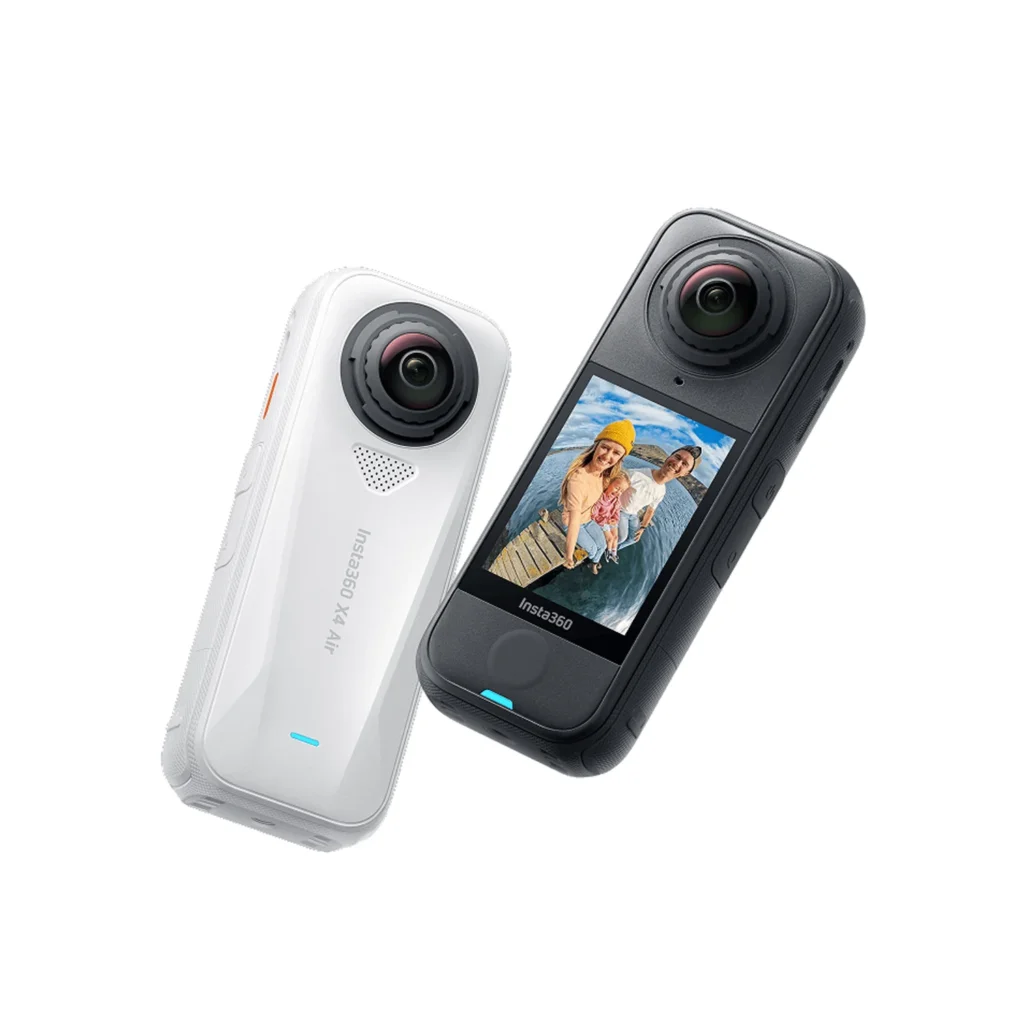
This is where the Insta360 X4 Air gets it right. The lens protector pops off and swaps out in seconds. I've been there, scratching a lens mid-trip is heartbreaking. With a removable guard, a scratch doesn't end your shoot. You snap on a new protector and keep riding. For aggressive skiers, that's the difference between a ruined trip and a five-second fix.
Best Ski & Snowboard Cameras 2026: Top 5 Picks
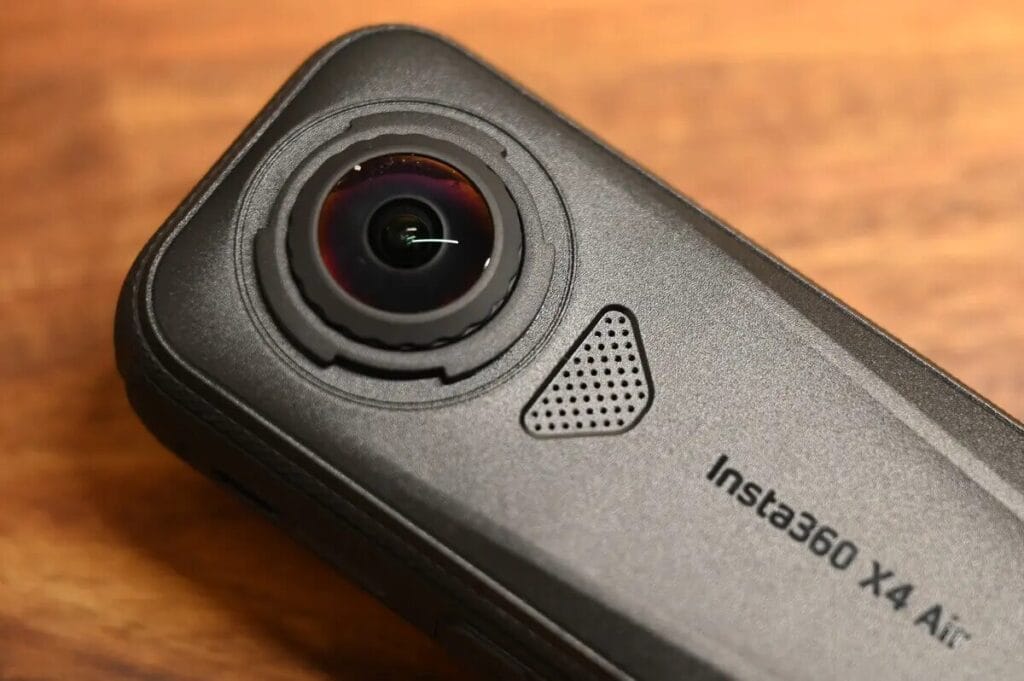
Insta360 X4 Air — Best Overall Ski & Snowboard Camera
If you want one camera that balances performance, weight, and usability on an actual mountain, the Insta360 X4 Air is the smartest buy for most riders right now.
The dual-lens 360 design lets you shoot first and frame later, so you spend the run riding, not adjusting angles. At 165g, it's the lightest current 360° camera, which your arms will notice on the stick by hour three.
- 33g lighter than Insta360 X5
- 23g lighter than DJI Osmo 360
It also brings AI auto-tracking, a −20°C cold-resistant battery, and the replaceable lens design. In real mountain conditions, that combo is hard to beat.
Unless you specifically need extreme slow motion or night performance, the X4 Air is the best balance of portability, image quality, and usability for snow sports.
- 360° dual-lens capture
- 165g body— the lightest option in the 360° category
- -20°C cold-resistant battery
- Replaceable lens design
- AI tracking
- Invisible Selfie Stick compatibility
- Doesn't support the extreme slow-motion frame rates of the Insta360 X5 or DJI Osmo 360
- Night and low-light performance is weaker than the Insta360 X5
For 90% of skiers and snowboarders, the X4 Air is the one to get, unless you need ultra-slow-motion for trick analysis or shoot low light often.
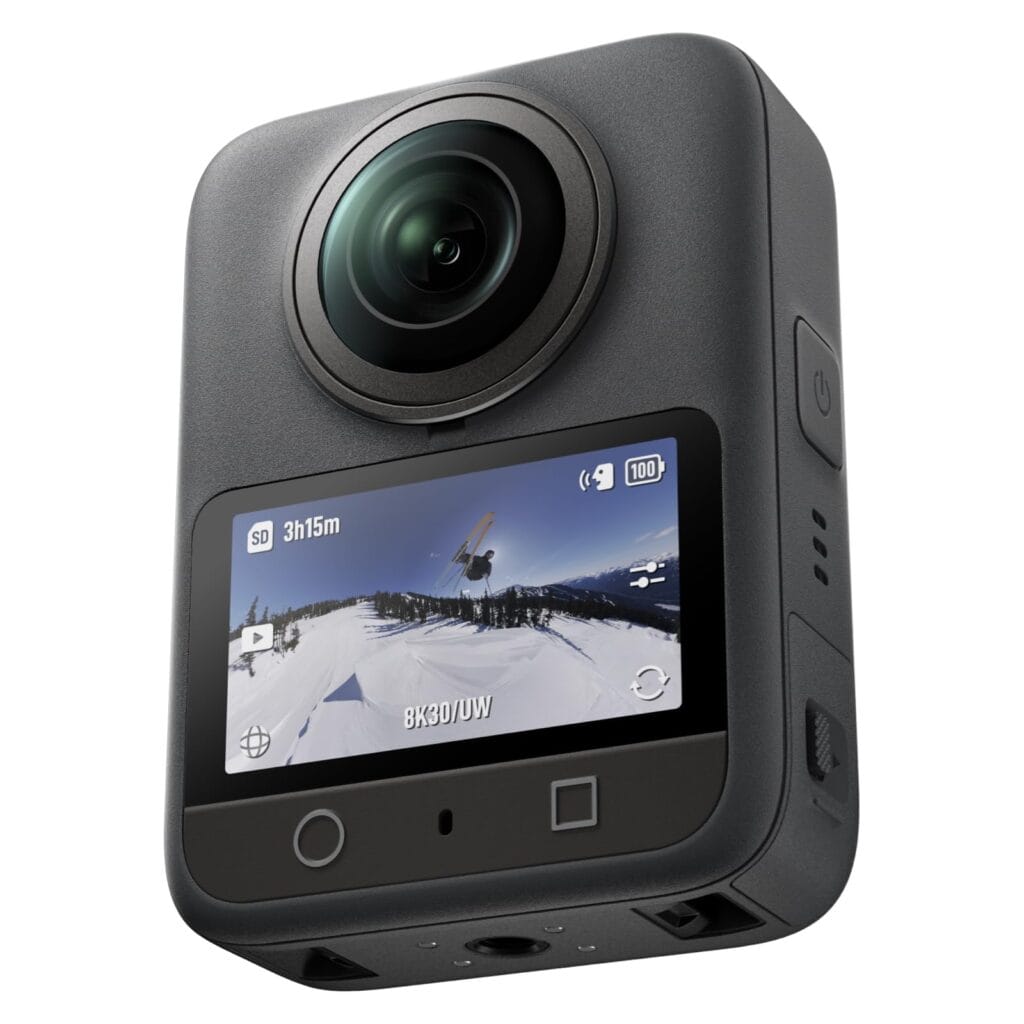
DJI Osmo 360 — Best for Low-Light & Slow-Motion Analysis
If you ride low light, shoot dawn patrol, or want high frame rates for trick analysis, the Osmo 360 beats the X4 Air in both.
At 183g, it's meaningfully lighter than the X5 and close enough to the X4 Air that you won't feel the difference mid-run. The built-in 105GB storage is a quiet luxury: forget your SD card in the lodge and you can still record a full day.
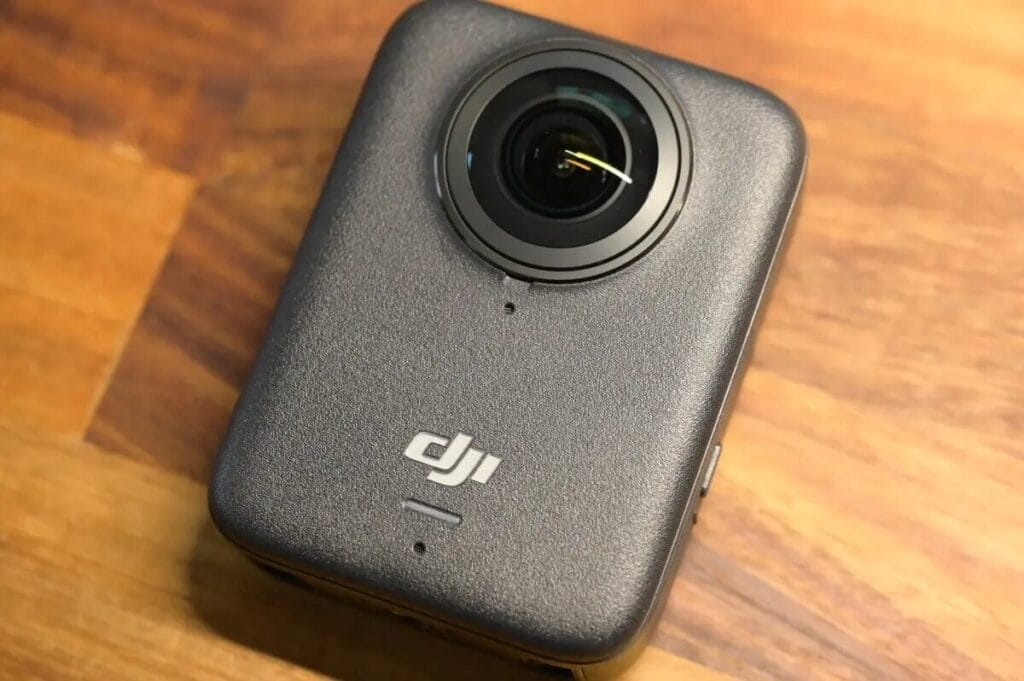
- Superior night and low-light performance — clearer footage at dusk or in shadowed tree runs
- Higher frame rates: ideal for slow-motion trick analysis and action replay
- 105GB built-in storage
No replaceable lens design — minor scratches require repair, not a field swap
Insta360 X5 — Best Image Quality
If image quality comes first, the X5 is the best ski camera you can buy. Its AI Tri-Core Imaging System delivers sharper detail and better dynamic range than the X4 Air or Osmo 360, including the nasty high-contrast light you get on bright snow.
Honest caveat: 360° flexibility still comes at a cost. Cropped 16:9 footage can't always match the raw detail of a native wide-angle camera. But within the 360° world, nothing else touches the X5's image.
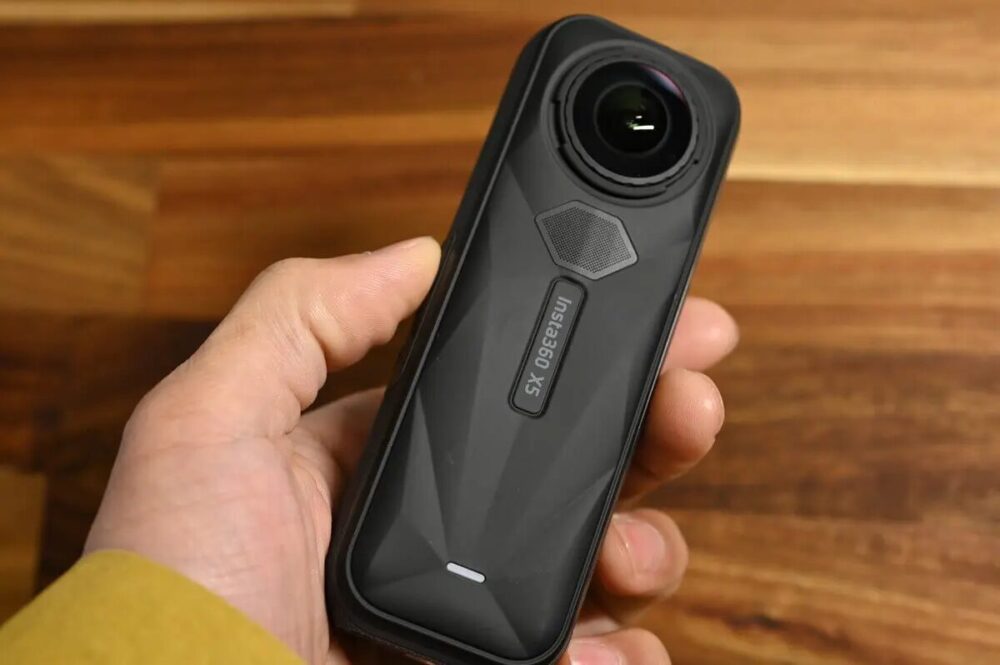
- Top-Tier Image Quality: Outstanding detail and dynamic range in bright snow and backlit scenes.
- 4K 120fps Slow Motion: Perfect for tricks, spins, and fast action with smooth playback.
- Replaceable Lens Design: Easy to swap lenses after scratches or impacts.
- Flagship Performance: For riders who want the highest-quality footage, period.
At 198g, noticeably heavier than the X4 Air; arm fatigue becomes real on long selfie stick sessions
The pick for riders who put footage quality above everything, especially cinematic edits, professional content, or detailed athletic analysis.
Two more picks, both wide-angle. Where a wide-angle camera wins is versatility, it's not limited to snow sports. If you want one camera for skiing, hiking, and road cycling, a wide-angle action cam is the better all-around bet.
DJI Osmo Action 6— Best Wide-Angle Camera for Skiing
Not every rider wants a 360° setup. If you need one camera for skiing, hiking, road cycling, and everyday use, a wide-angle action cam makes more sense than committing to a 360° system.
The Osmo Action 6 is the best wide-angle ski camera of 2026. The -20°C cold-resistant battery runs up to 4 hours, and 80% charge in 22 minutes means one lodge break puts you back near full. The optional 182° ultra-wide lens pulls your arms, skis, and the whole mountain into a single immersive frame.
- Excellent Stabilization
- Up to 4 hours battery life
- Ultra-Wide Perspective
No 360° flexibility — what you capture is what you get
The pick for riders who want one camera for multiple sports and prefer the simplicity of a traditional wide-angle setup.
Insta360 Ace Pro 2— Best for Versatility & Vlogging
The Ace Pro 2 isn't a dedicated ski camera. It's an all-rounder that happens to be very good on the mountain. If you want one camera for skiing, daily vlogging, and content creation, this is the pick.
- Flip Screen: Makes framing effortless for talking shots and self-recording.
- Dual-Purpose Design: Works as both a vlog camera and a powerful action cam for helmets, chest mounts, or ski setups.
- 8K Image Quality: Ultra-detailed footage with rich color and strong dynamic range.
- No 360° capture — framing must be precise
- Battery life is shorter than the Osmo Action 6 at continuous high-bitrate recording
Essential Accessories for Ski & Snowboard Cameras
The camera gets the shot. The accessories decide which shots are even possible.
Third Person Shooting
Your Personal Pocket “Cameraman”
Four Insta360 accessories that position your camera perfectly and create cinematic third-person shots.
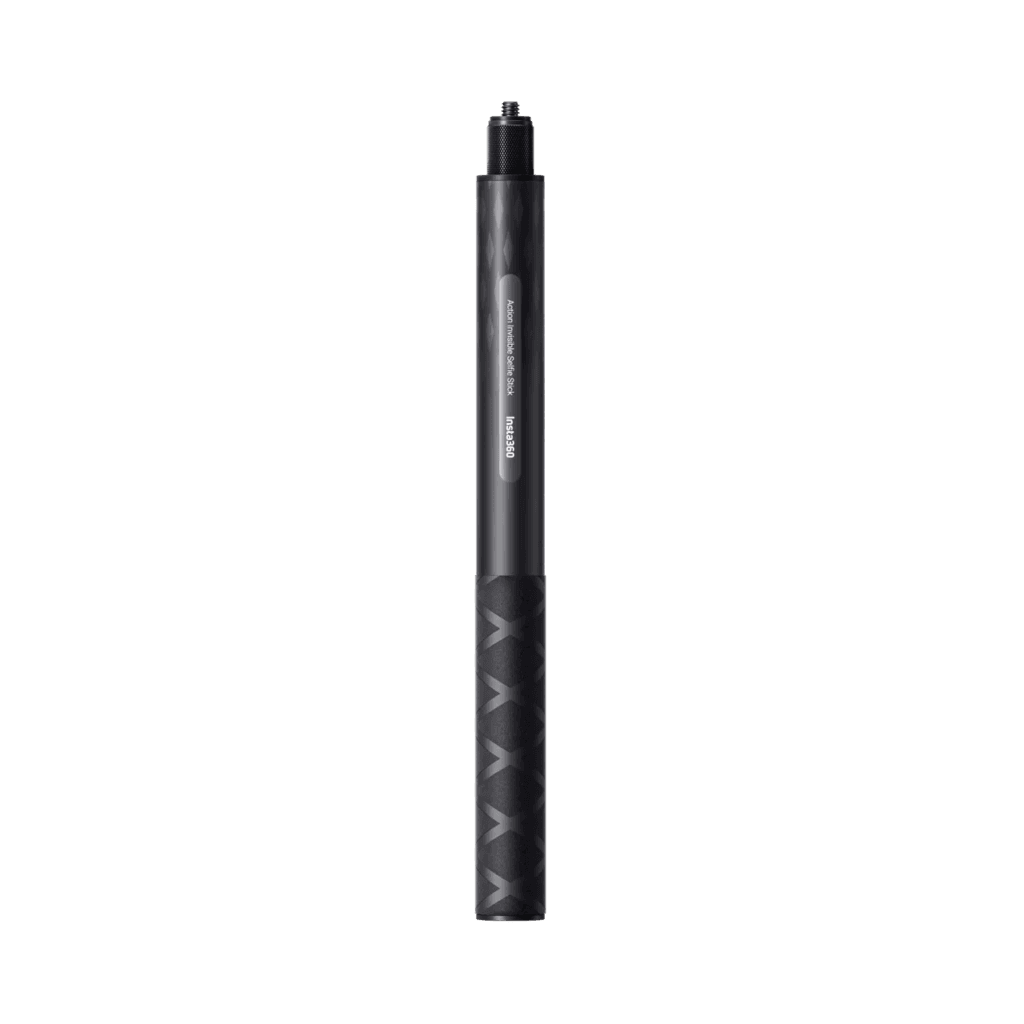
Action Invisible Selfie Stick→
Carbon fiber, so it's lighter and stiffer than the standard stick.
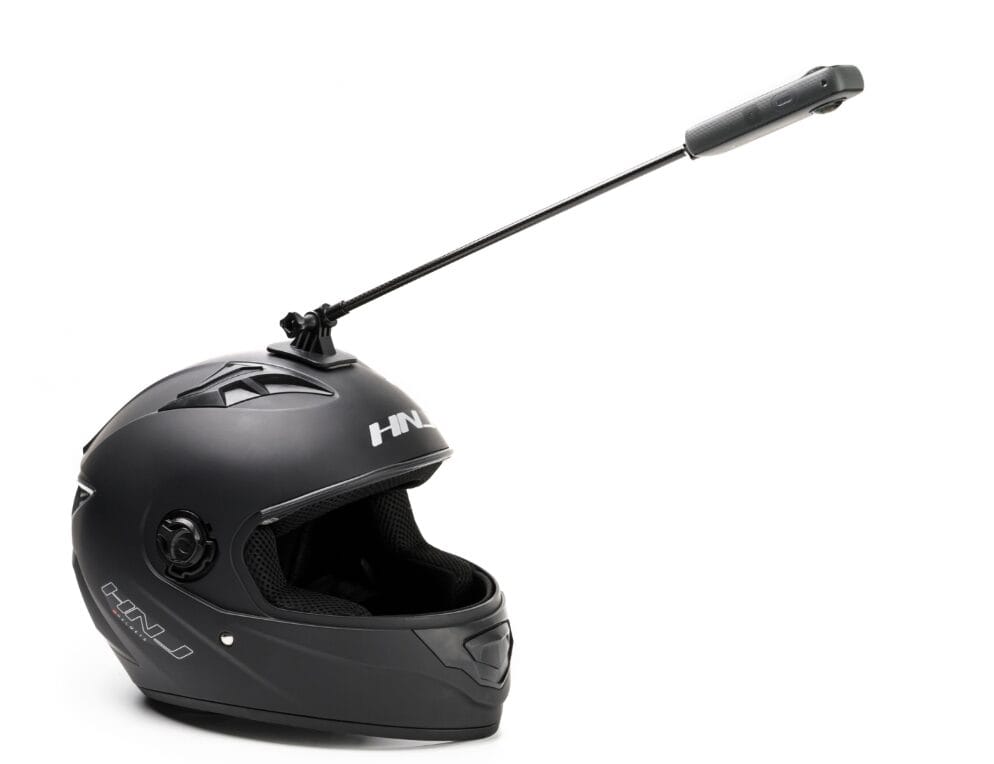
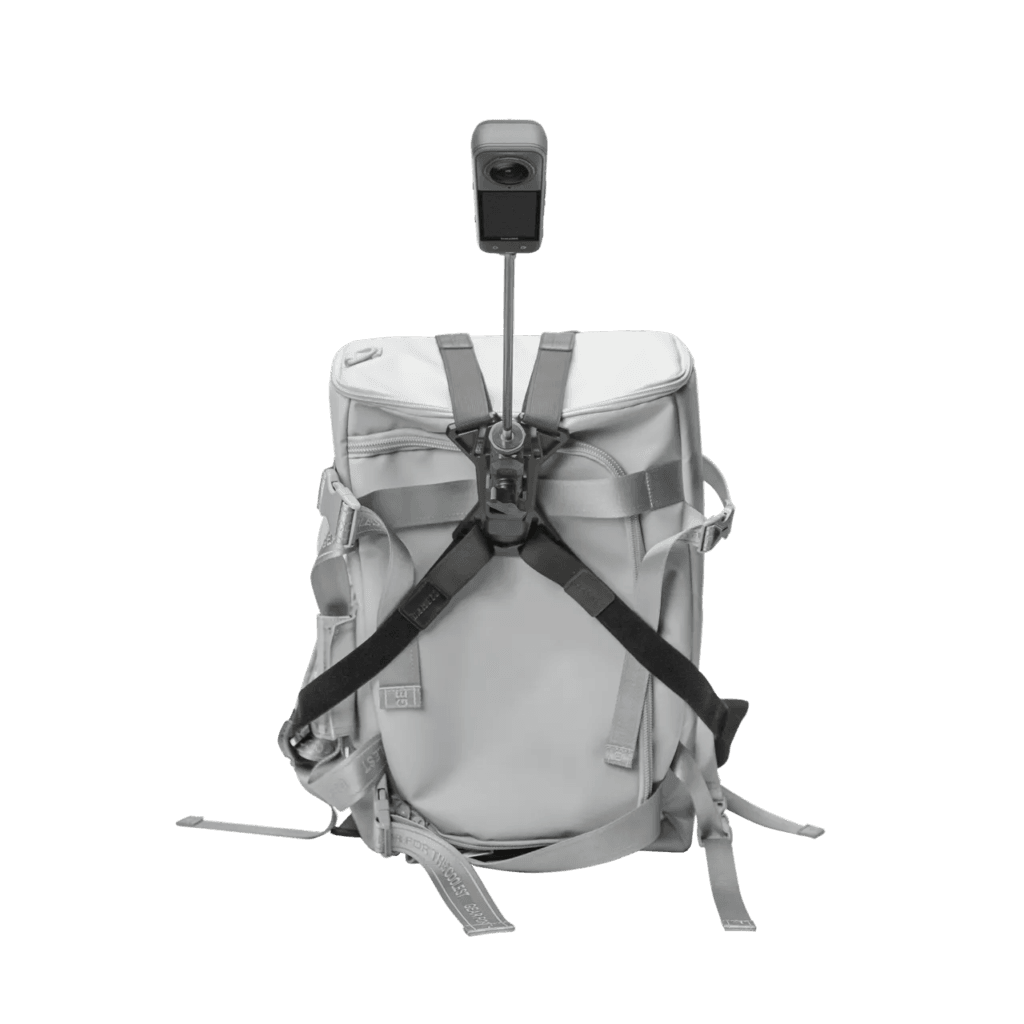
Helmet POV
Helmet POV
A flexible adhesive mount that securely attaches your camera to your helmet for effortless first-person perspective footage.
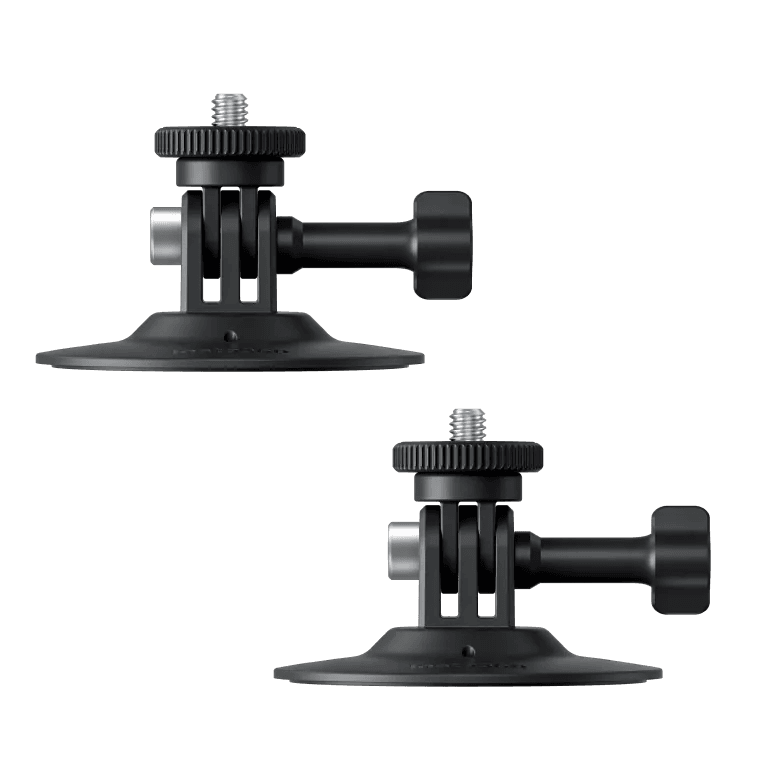
Sticks to curved helmet shells and peels off clean, no residue.
Chest POV
Chest POV
Two chest-mounted accessories that secure your camera at chest level for stable first-person footage.
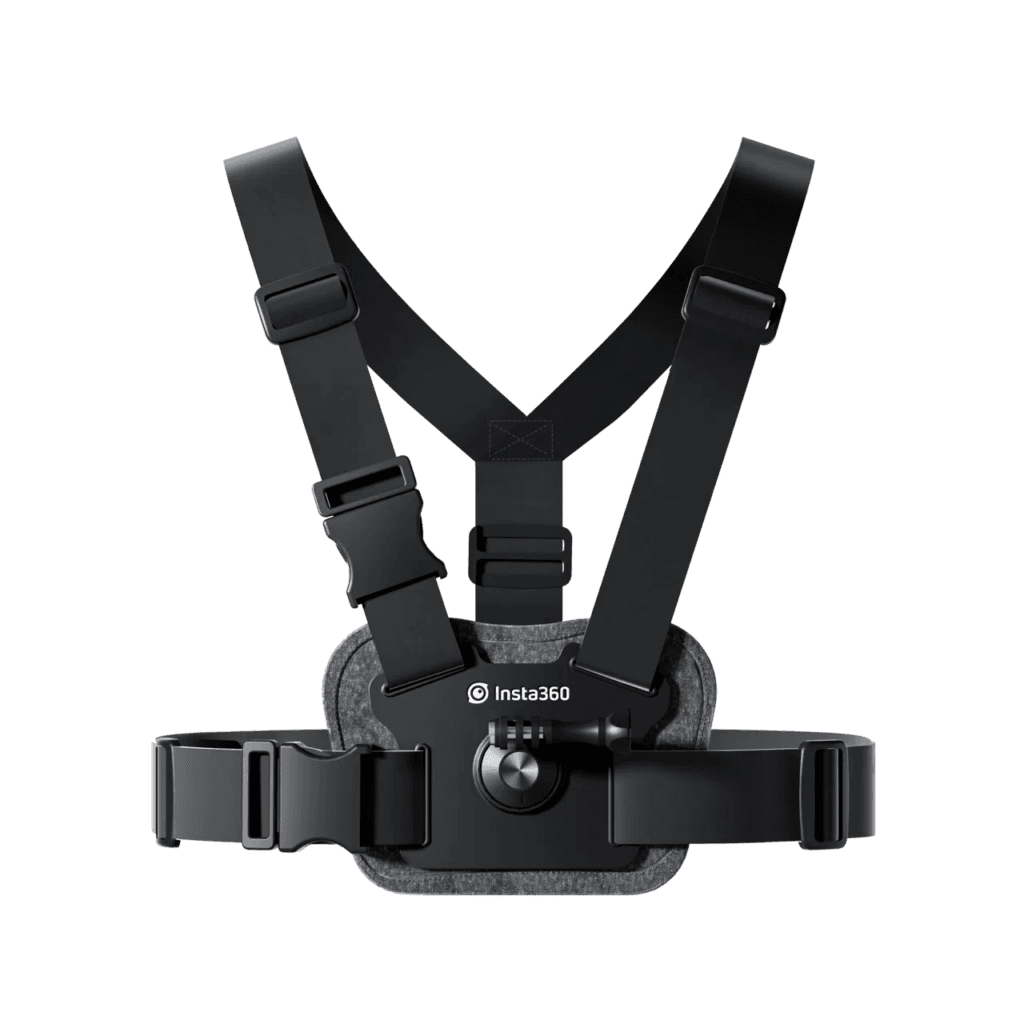
Universal strap that fits most Insta360 cameras, comfortable enough to wear all day.
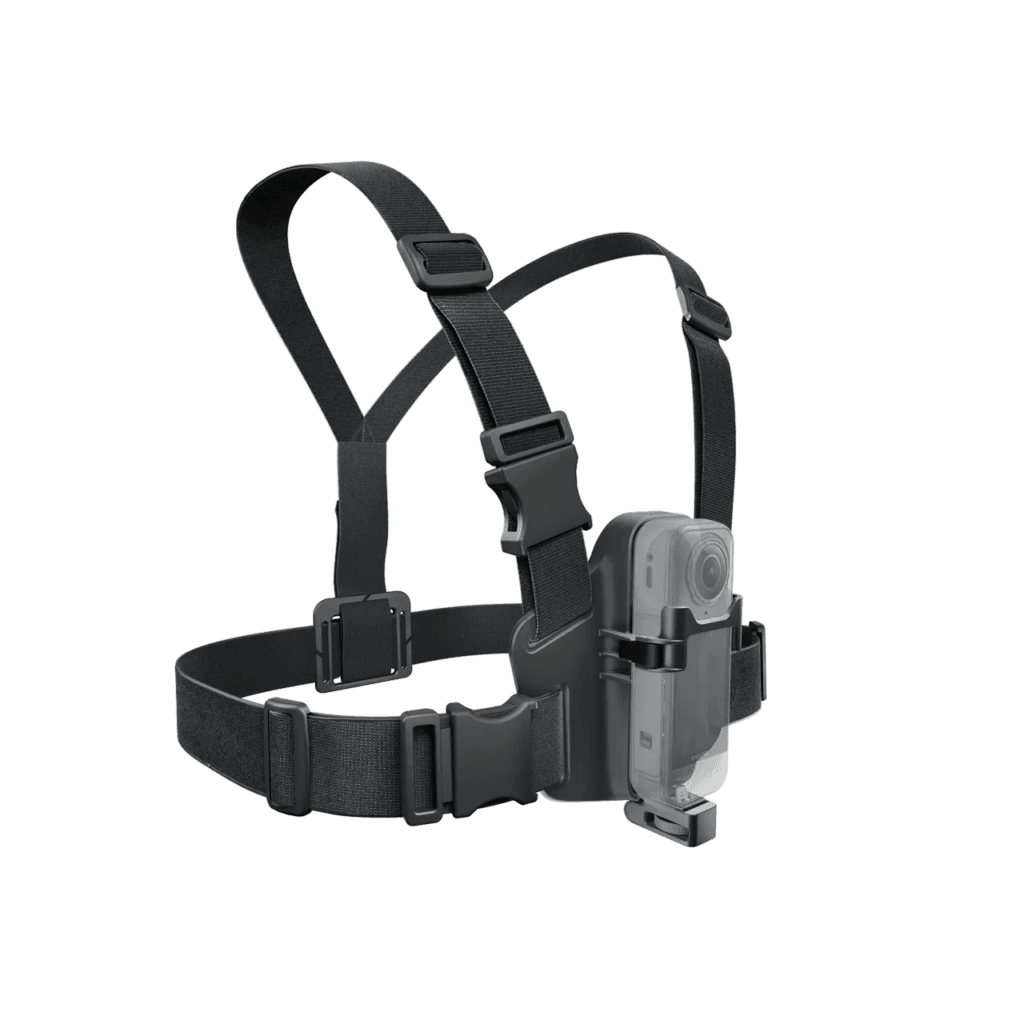
X5-only. Sits higher than the strap, closer to eye level, for a more immersive POV.
Protection & Expansion
All-in-One Protection & Expansion Accessories
From anti-drop straps to vertical and horizontal mounting solutions, make your camera more secure and versatile.
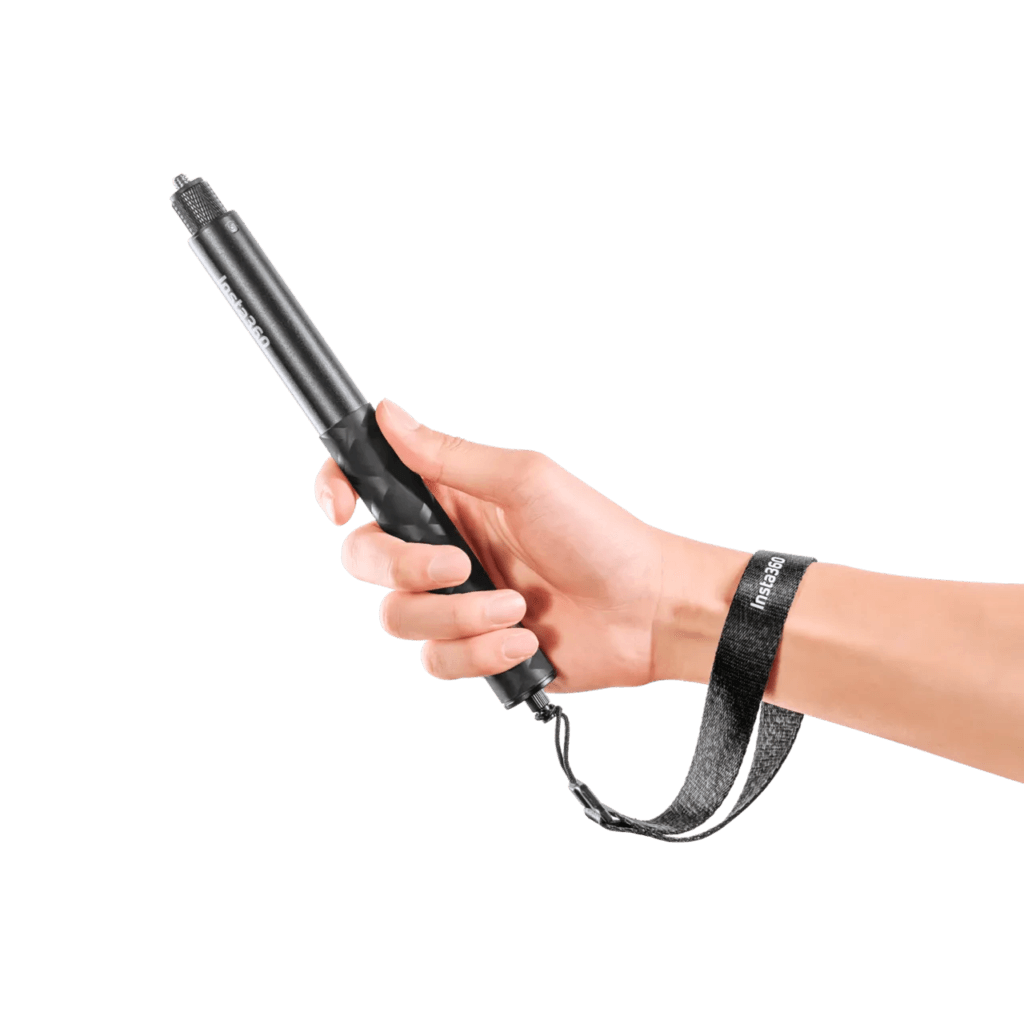
Leashes the stick to your wrist, because snow swallows dropped gear.
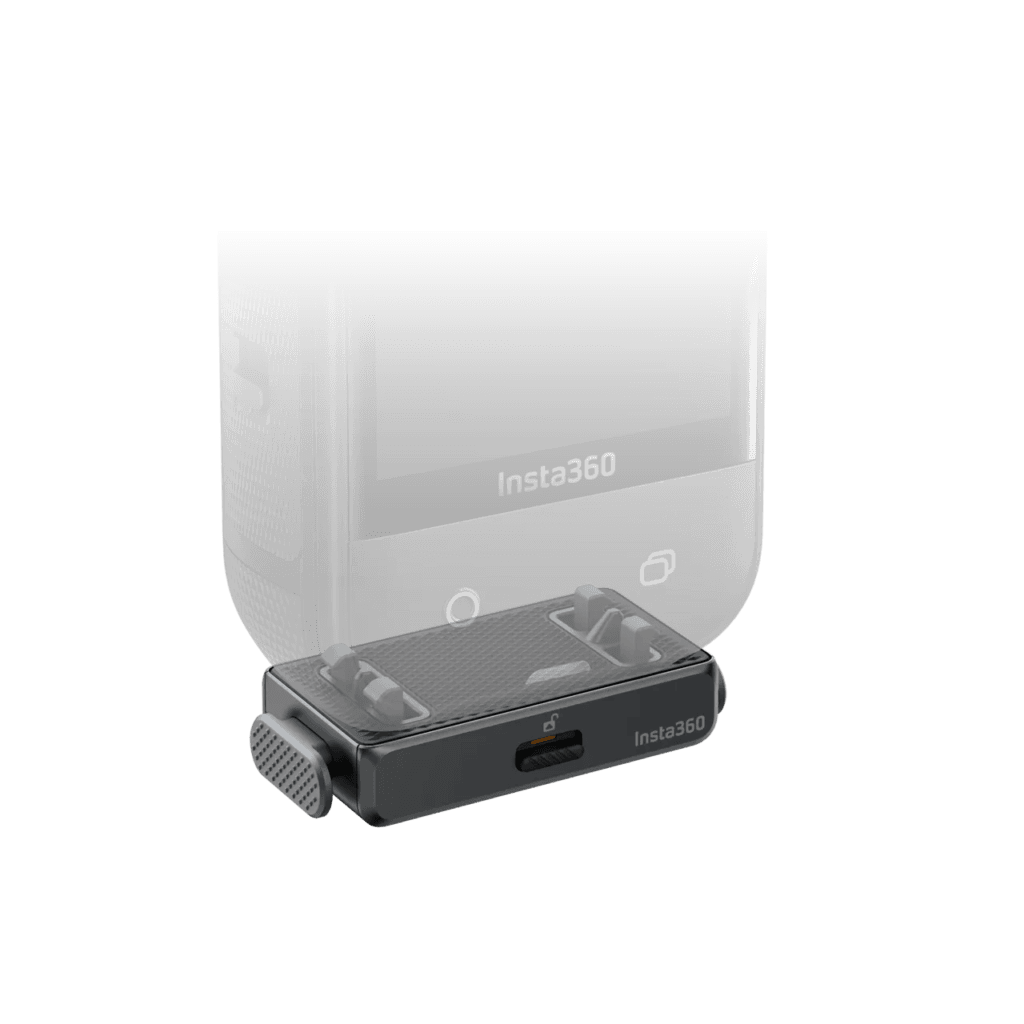
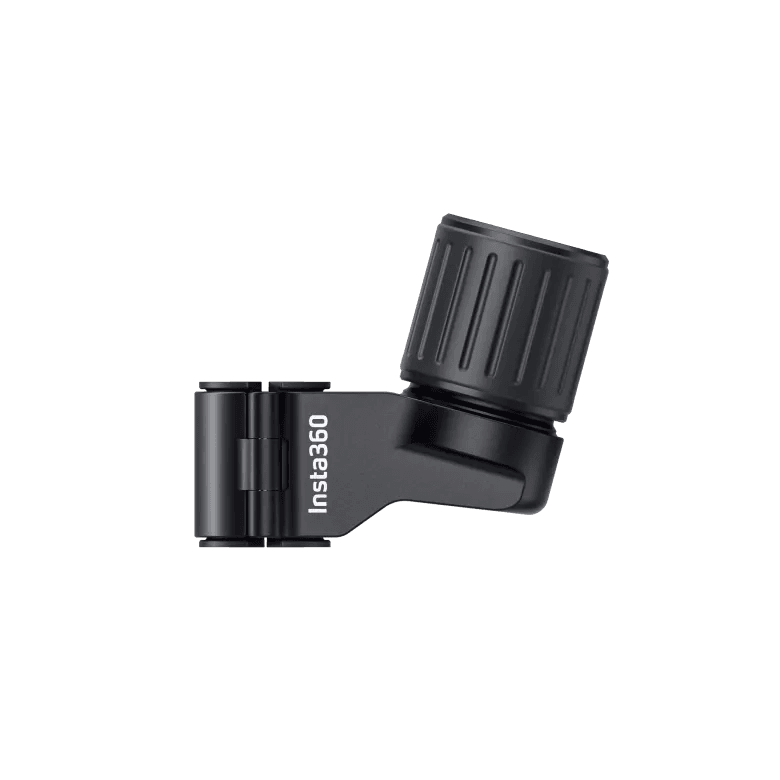
X5/X4 Air Quick Release Mount→
Snaps the camera on low and tight for a steadier stick.
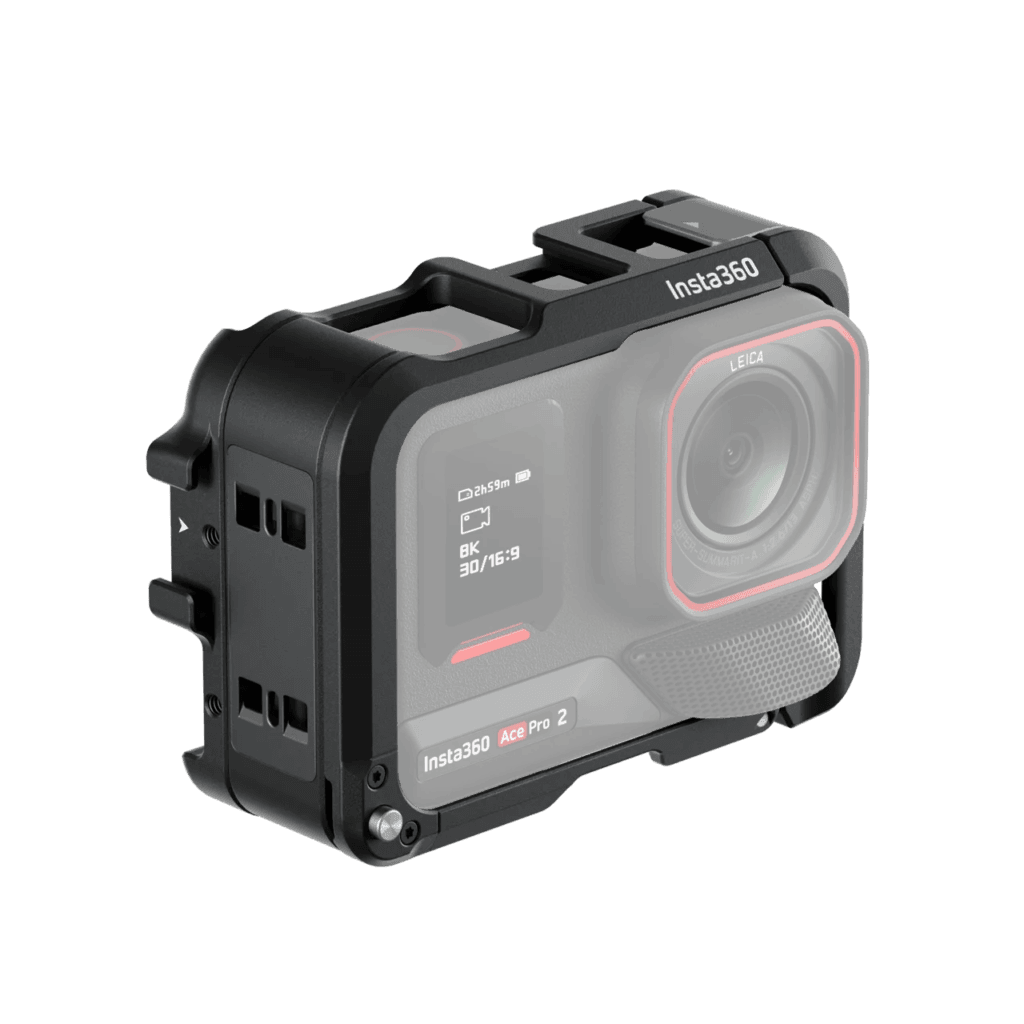
Armor for the body, plus vertical and horizontal mounting in one frame.
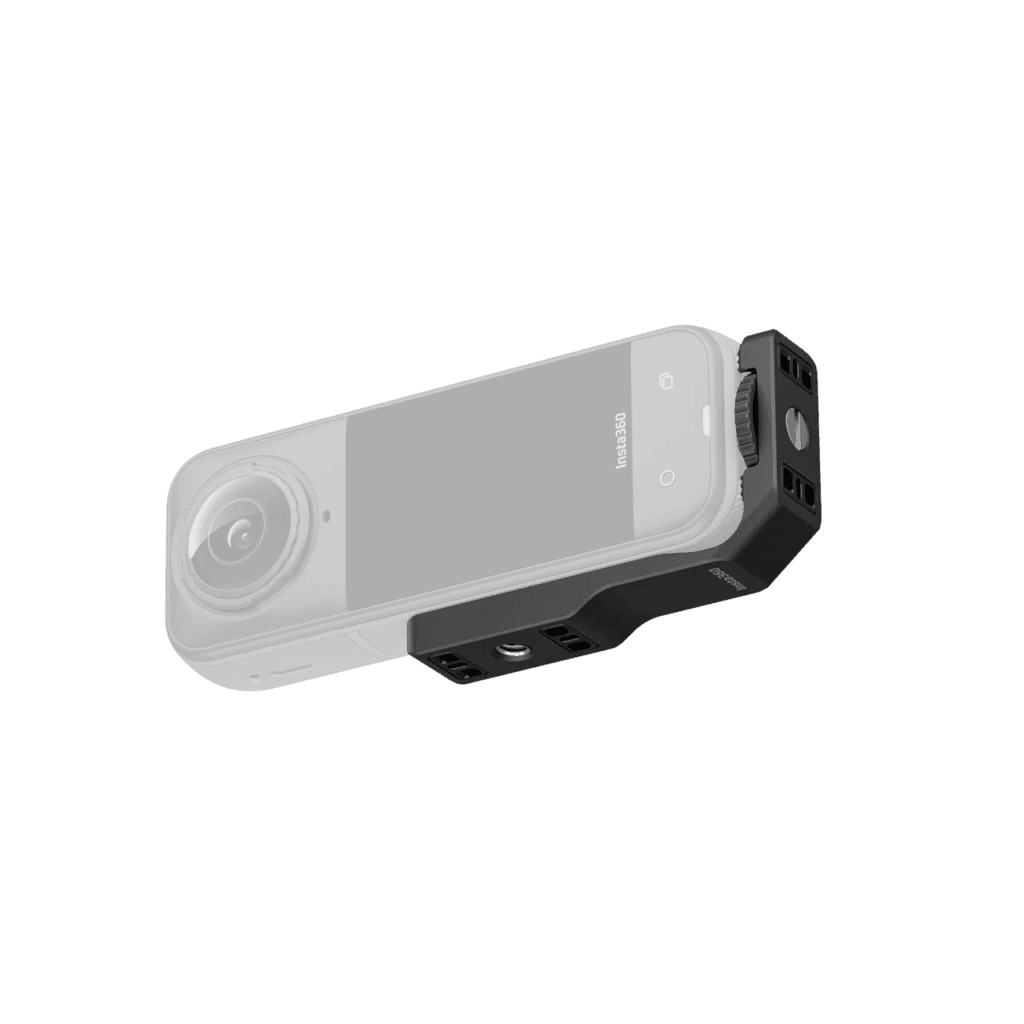
X5/X4 Air Vertical & Horizontal Mount→
Flips between vertical and horizontal mounting in seconds.
Final Verdict: Which Ski & Snowboard Camera Is Right for You?
Choose the Right Camera for Your Needs
5 common skiing scenarios and the best action cameras for each use case.
The best ski camera isn't the one with the most impressive spec sheet. It's the one you'll actually use, light enough to carry, reliable enough to trust at -20°C, and smart enough to capture the shot while you focus on the run.
Mount up, drop in, and let the lens do the work.