


As a long-time GoPro action camera user, starting with the GoPro HERO6, GoPro was the first action camera I ever owned. Without GoPro, I wouldn't have had the passion and enthusiasm to explore action cameras.But in 2026, I made a decision—to no longer recommend GoPro action cameras.
My feelings towards GoPro are actually quite complex. On one hand, I still appreciate the imaging style and brand spirit that the HERO series has accumulated over the years; on the other hand, Insta360 and DJI have made such rapid and comprehensive progress in recent years that whenever I recommend an action camera, I have to ask myself: what are the remaining reasons why people "can't live without" GoPro?
I found that there were more reasons not to recommend GoPro than reasons to recommend it.
Therefore, this review is not an emotional farewell, but a rational analysis from the perspective of a GoPro user and reviewer. Through this review, I will fully explain why, as a creator who has used GoPro action cameras for many years, I have now chosen not to recommend them, and what shortcomings of GoPro you should understand before considering purchasing one. If you are considering buying an action camera, I hope this article can serve as a reference.
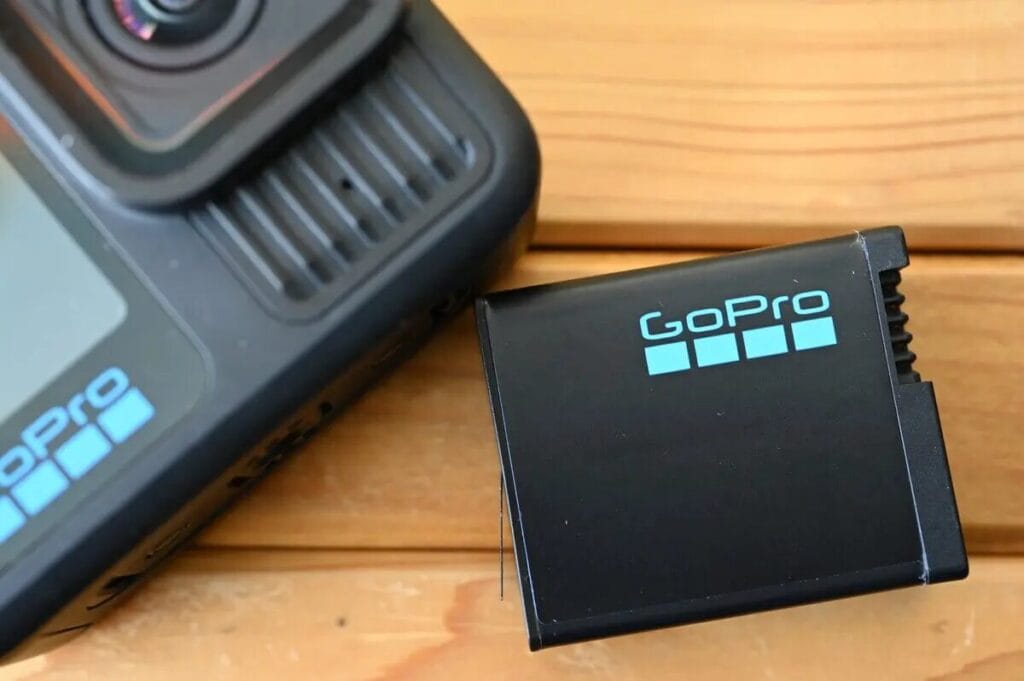
First of all, I would like to thank GoPro.
Although I will delve into seven different points to explain why GoPro is not worth recommending, it would be unfair and a one-sided discussion if I did not objectively explain the advantages that GoPro's action cameras still possess before officially starting the review.
GoPro's long-standing dominance in the action camera market is not without reason; and it is precisely because it has done many things right that we need to rationally examine why it has gradually lost its competitiveness.
High cost-performance ratio
Actually, GoPro is inexpensive.
While Insta360 and DJI action cameras excel in performance, GoPro's current advantage lies in its affordability. For example, the latest GoPro HERO13 Black can be purchased for under NT$20,000 or HK$3,000. In comparison, comparable Insta360 and DJI action cameras, even with accessories, are actually more expensive.
Resale value, secondhand value preservation
The advantage of "resale value" actually applies to all action cameras and even SLR cameras, but GoPro's resale value is significantly higher than that of cheap and inferior similar products.
Ultimately, GoPro's stable market demand and sales volume are due to its perfect balance between price and performance. In other words, even if you want to resell a GoPro action camera, you won't lose too much money.
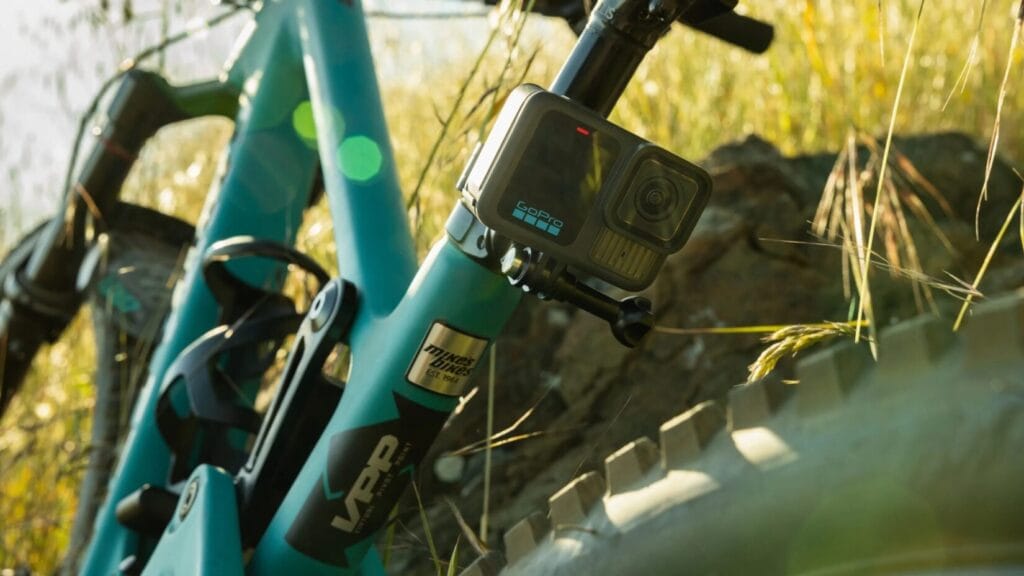
Sports attributes
The birth of GoPro originated from a founder who loved surfing – the brand was born out of the desire to record his surfing moments.
This is why GoPro's performance configuration and camera structure design have been closely aligned with sports scenarios since the brand's inception. Videos shot with GoPro on YouTube and Instagram also have a stronger "sports attribute" than those from similar brands. For extreme sports enthusiasts, it was once the first choice; before 2023, it was almost universally acknowledged that "GoPro = action camera." However, unexpectedly, just three years later in 2026, GoPro's action camera revenue had fallen below that of Insta360 and DJI, and its position as a market leader was no longer secure.

7 Reasons I No Longer Recommend Using GoPro
Having discussed the advantages of GoPro, let's delve into its drawbacks. If you're considering buying a GoPro action camera, this section is crucial, so please read to the end.
- The image quality gap between Insta360 and DJI action cameras is widening.
- The controls are not user-friendly for beginners.
- Insufficient battery capacity, prone to overheating
- GoPro is no longer as serious about product development as it used to be.
- Many of its features are only suitable for extreme sports.
- It cannot be post-edited on a smartphone, and is not suitable for people who do not want to create videos.
- Image distortion problem
The image quality is significantly worse than that of Insta360 and DJI action cameras.
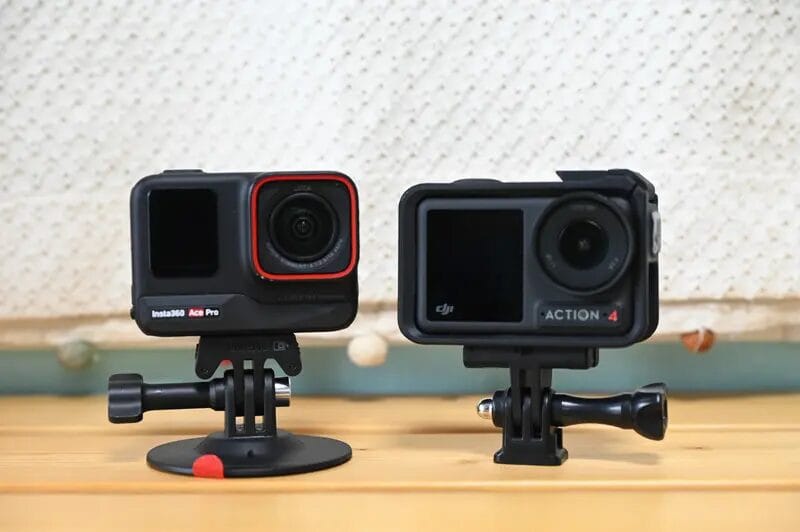
The most important reason I no longer recommend GoPro is that the image quality of GoPro action cameras can no longer catch up with Insta360 and DJI. In fact, the gap is widening. Especially after the Insta360 Ace Pro was upgraded to the second generation, it directly achieved 8K recording for action cameras, and the image quality far surpasses that of the GoPro HERO series.
Due to the relatively small size of its image sensor, GoPro cameras struggle to perform well in low-light or indoor shooting environments.The image is prone to producing a lot of noise.Image quality will also decline significantly. Even with adjustments and optimizations such as lowering the frame rate and increasing ISO, the final image quality still cannot compare to the new action cameras from Insta360 and DJI.It is not suitable for shooting night scenes, indoor activities, or other dimly lit scenes.Based on the following three key points, GoPro has clearly lost out to Insta360 and DJI.

- Lens: Improved resolution results in clean, clear images with sharp details.
- Image sensor: The larger the area, the better. This allows the camera to capture more light, ensuring excellent detail in both bright and dark areas, resulting in a superb dynamic range.
- Video processing speed: Equipped with efficient real-time image correction capabilities to ensure distortion-free footage and deliver a more realistic visual effect.
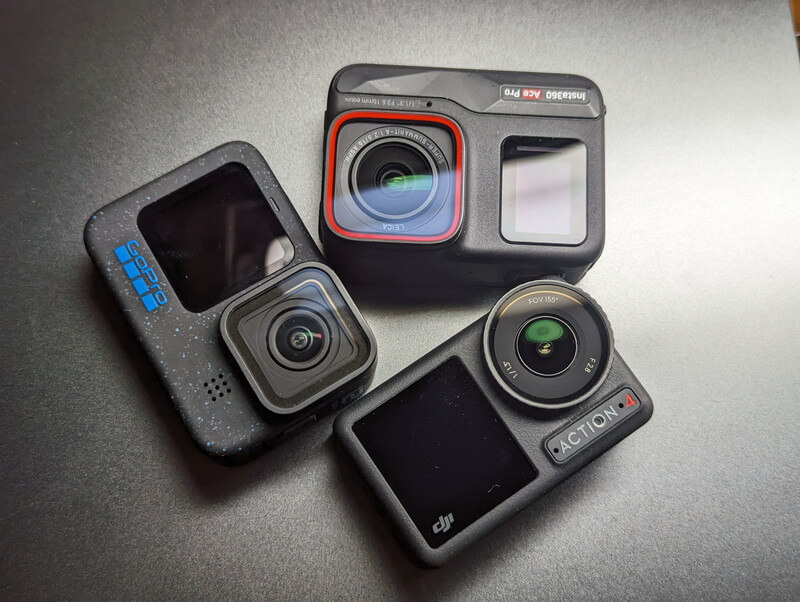
My hands-on comparison of GoPro HERO 13, Ace Pro 2, and DJI Osmo Action 5 Pro ⬇️
It cannot be post-edited on a smartphone, and is not suitable for people who do not want to create videos.
After filming, the next step is post-production.
When using a GoPro, I record long takes that are several tens of minutes long. It's completely different from taking photos with a mobile phone. With a mobile phone, you can just turn the lens around and take a picture to remember the moment. But with an action camera, you can transfer the recorded video to a smartphone or PC, cut out the unnecessary parts, do some post-production work, and finally turn it into a super creative video with great ideas.
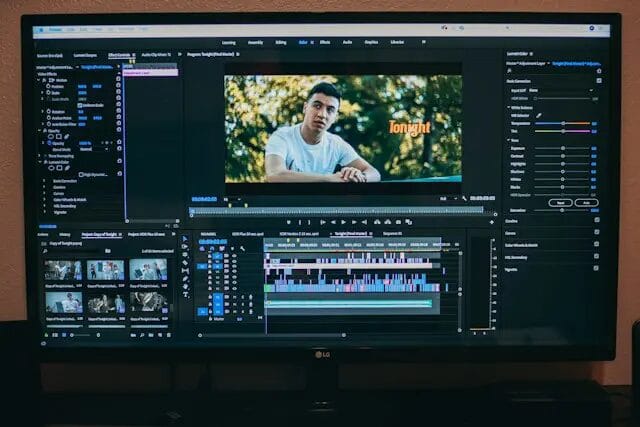
However, with the widespread development of smartphones and video editing apps, the era of "relying on high-performance computers for video editing" is long gone.Processing GoPro footage on a PC is actually more cumbersome and troublesome.
GoPro's built-in "GoPro Quick" app offers a rather mediocre user experience compared to similar apps from Insta360. While Quik's automatic editing function can quickly generate short videos, it has higher requirements for the quality of the footage—if the video quality is poor, the content is cluttered, or the shooting angle is monotonous, the automatically generated video is basically unusable.
In addition, when processing high-resolution videos or massive amounts of footage, GoPro Quik frequently experiences stuttering, crashes, or slow loading, especially on mid-to-low-end phones or devices with limited storage space. This not only severely impacts the post-production editing experience but also carries the risk of operational interruptions and data loss.
In contrast, the official apps of Insta360 and DJI offer a more stable experience with virtually no similar issues. In particular, the Insta360 app is extremely practical; I frequently use its "AI Highlight Assistant + One-Click Editing" function. I even often import videos shot with my GoPro into this software for post-processing.
The controls are not user-friendly for beginners.
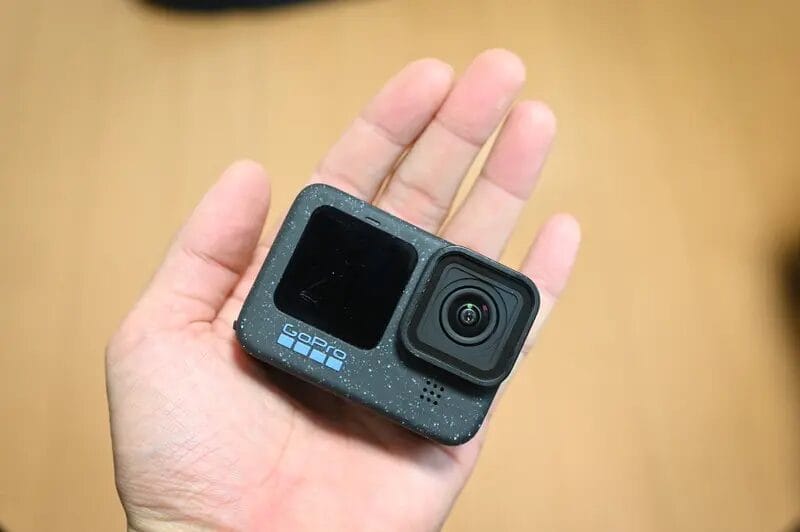
Nowadays, action cameras from Insta360 and DJI fully support convenient operations such as voice control and gesture shooting. In contrast, GoPro still relies solely on physical buttons for operation. In addition, the screen size is relatively small, and although the operation interface follows a simple approach, the function layout lacks intuitiveness, resulting in a significant reduction in the overall operating experience.
Insufficient battery capacity, prone to overheating
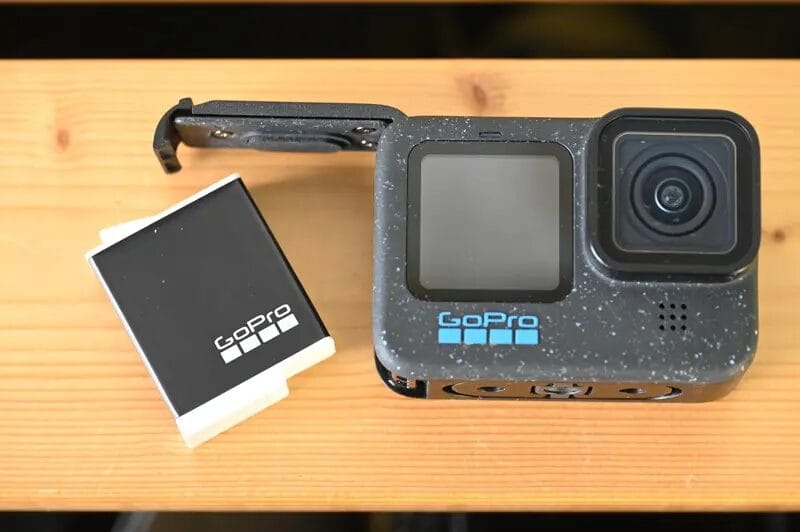
When recording continuously at 5.3K high resolution or frequently switching between functions, the GoPro HERO 13 is prone to overheating, affecting the shooting experience. Although the battery life of the new generation HERO has improved, it is still necessary to carry a spare battery or external power supply for long shooting sessions, which greatly reduces the convenience for long-term outdoor shooting or travel photography.
GoPro is no longer as serious about product development as it used to be.
Although GoPro has always been the leader in action cameras, its performance has been declining.
Not only is GoPro's stock performance lackluster, but the newly released MAX 2 has also failed to garner positive reviews. These issues have cast a shadow over GoPro's future. The dual pressures of poor company performance and low stock price often lead to the loss of top R&D talent and insufficient R&D funding, significantly reducing the likelihood of GoPro achieving a business recovery.
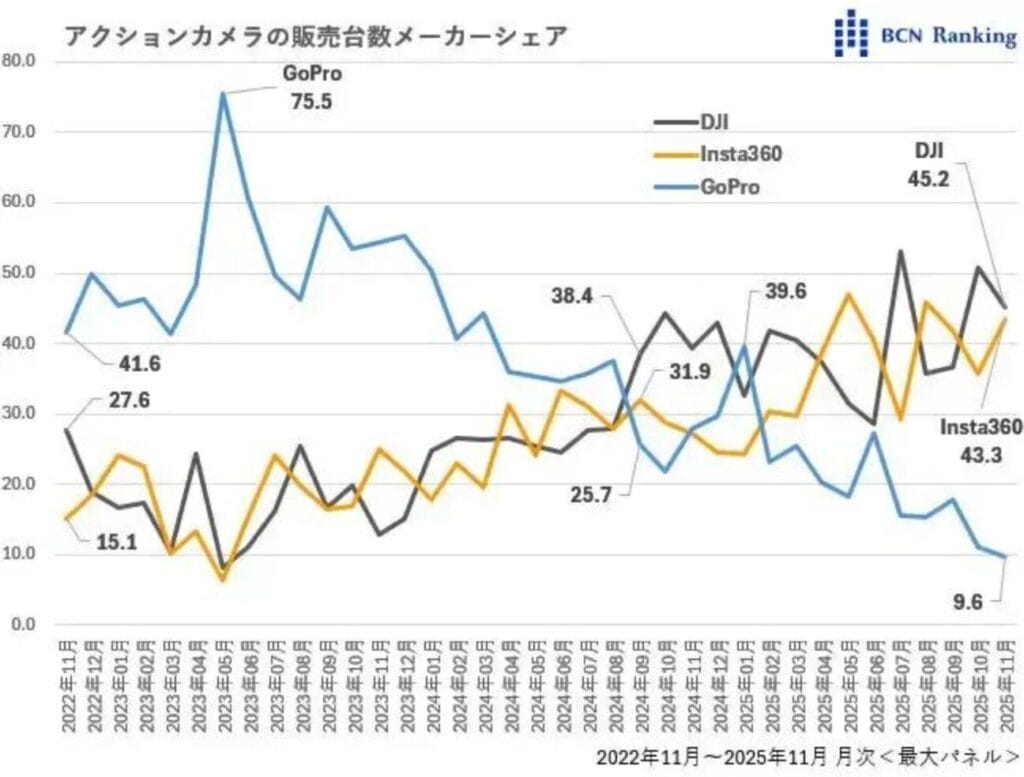
In 2023, GoPro was the first action camera that came to mind. In May 2023, its market share surged to 75.51%, dominating the market. However, fortunes changed. Starting in September 2025, GoPro's reign was completely overtaken – not only was it dethroned by DJI, but it was also surpassed by Insta360, dropping to third place.
In fact, GoPro's development had been fraught with problems for some time, with the most critical turning point occurring in 2016. At that time, GoPro began its foray into the drone business, but ultimately suffered a major setback, withdrawing from the market in less than two years. This failure not only prevented GoPro from recouping its R&D investments, but also led to a slower product update pace after the release of the GoPro HERO11 Black in 2022, allowing camera manufacturers like DJI and Insta360 to eventually overtake them.
Many of its features are only suitable for extreme sports.
The birth of GoPro has a fascinating story – it originated from a surfing enthusiast's desire to capture his coolest moments. Because of this, GoPro has always focused on extreme action scenes; it's almost fair to say that without shooting dynamic footage, it struggles to realize its core strengths.
Skiing, cycling, motorcycling, skateboarding, diving, mountaineering… Do you also love these outdoor sports? I bought my first GoPro precisely because of my passion for various outdoor activities. After browsing the cool extreme sports videos on GoPro's official Instagram and YouTube channels, I didn't hesitate to buy it, hoping to use it to record my own sporting moments. Admittedly, GoPro action cameras do have impressive features, such as up to 13x slow-motion recording;After I actually got my hands on it, I realized that I had never actually used many of its features.
On the contrary, when skiing, I prioritize Insta360 X5 and DJI Osmo 360 to shoot panoramic videos, and for daily vlog shooting, I switch to GO 3S or GO Ultra. For diving, I directly use Ace Pro 2. It is obvious that the selection of action cameras that can replace GoPro is becoming more and more abundant.
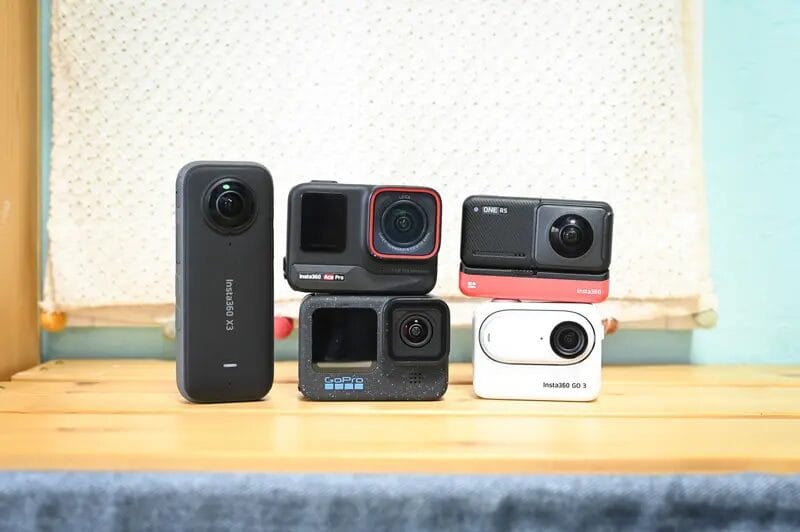
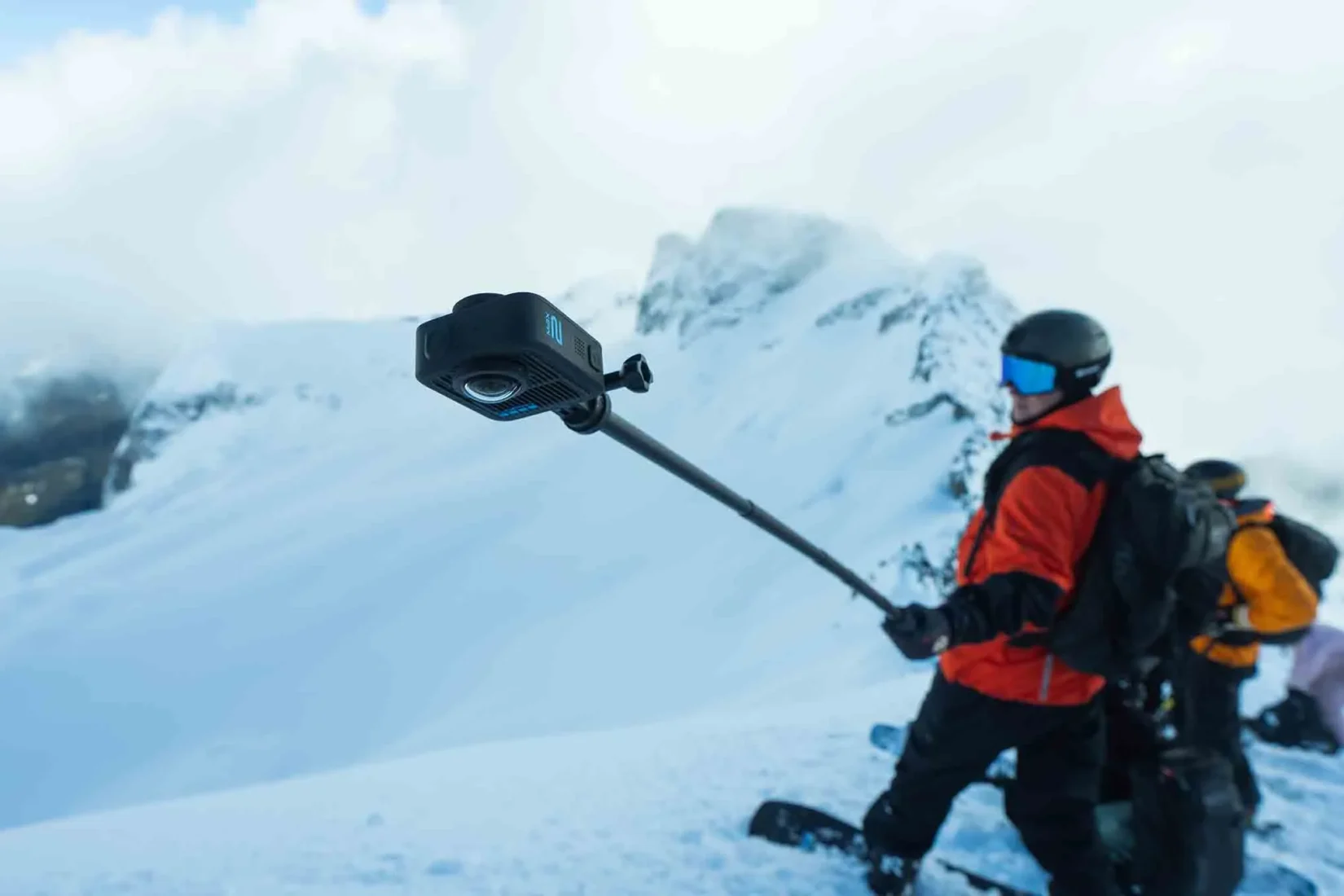

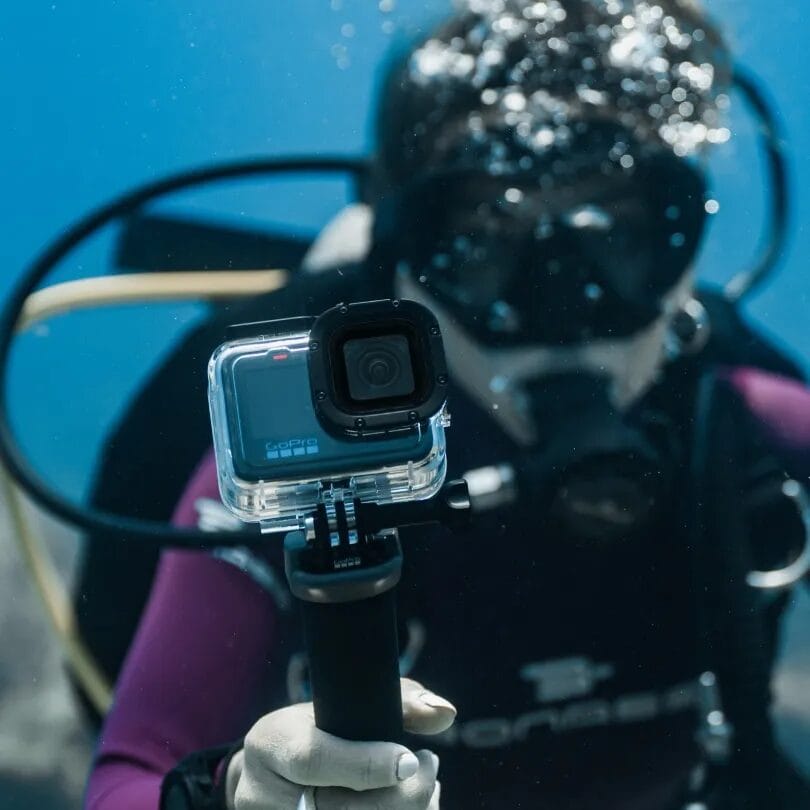
Photo problem
While GoPro's ultra-wide-angle lens is great for shooting large scenes with its incredibly wide field of view, its drawbacks are also quite obvious— It's difficult to highlight the main subject in a picture. For example, when shooting a close-up portrait, the person looks small and lacks detail.In addition, it has a fixed focus design, so it is impossible to achieve the effect of blurry background and prominent subject, which greatly reduces creative flexibility.
As for its photography capabilities, to be honest, GoPro is really mediocre, far inferior to its competitors, smartphones, and professional cameras. Exposure and focus are practically unadjustable; even the flagship model lacks time-lapse photography and night mode. In conclusion, GoPro is better suited for shooting action videos; its photography features feel more like a filler.
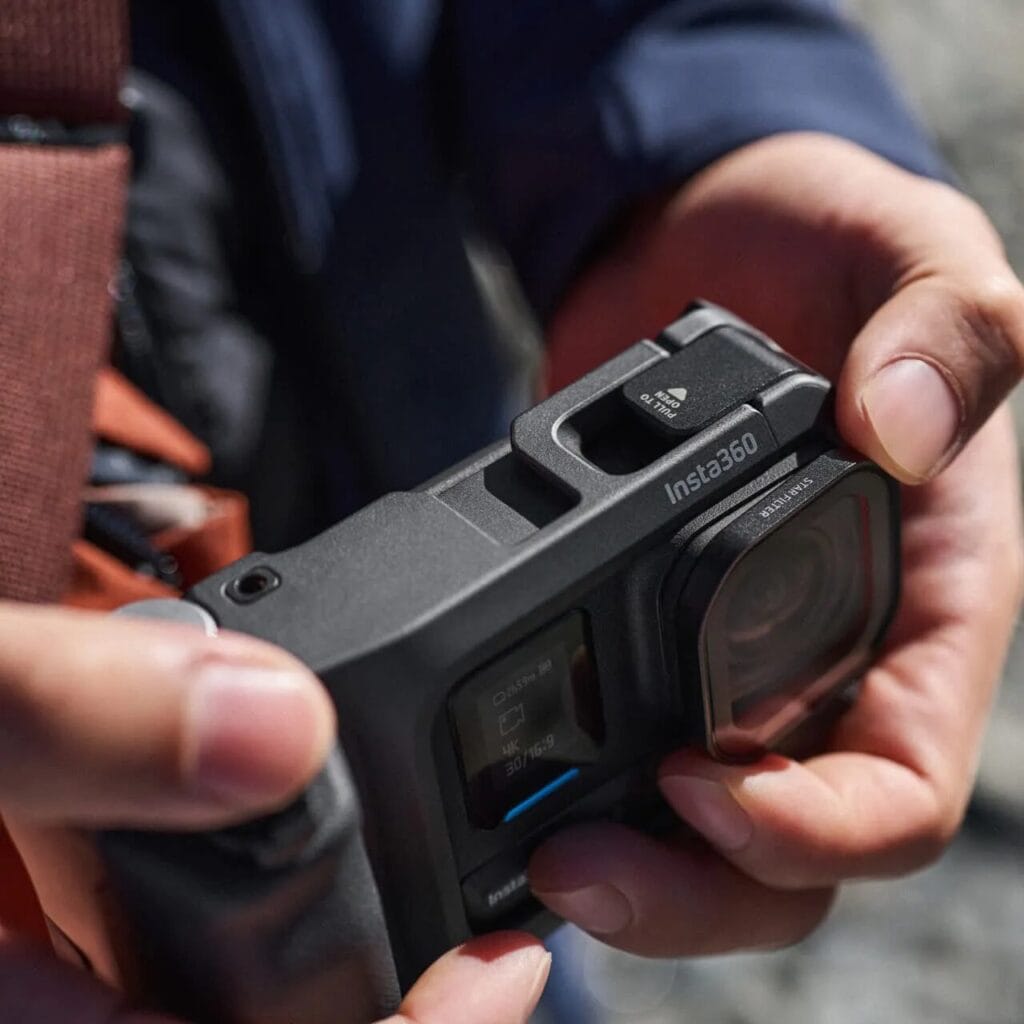
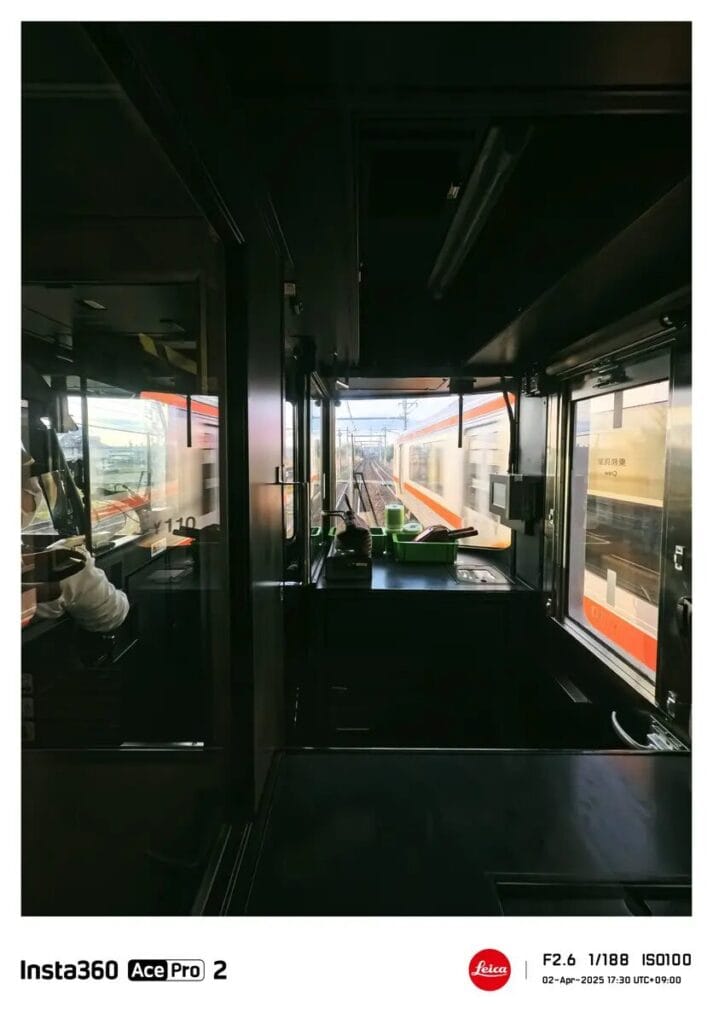
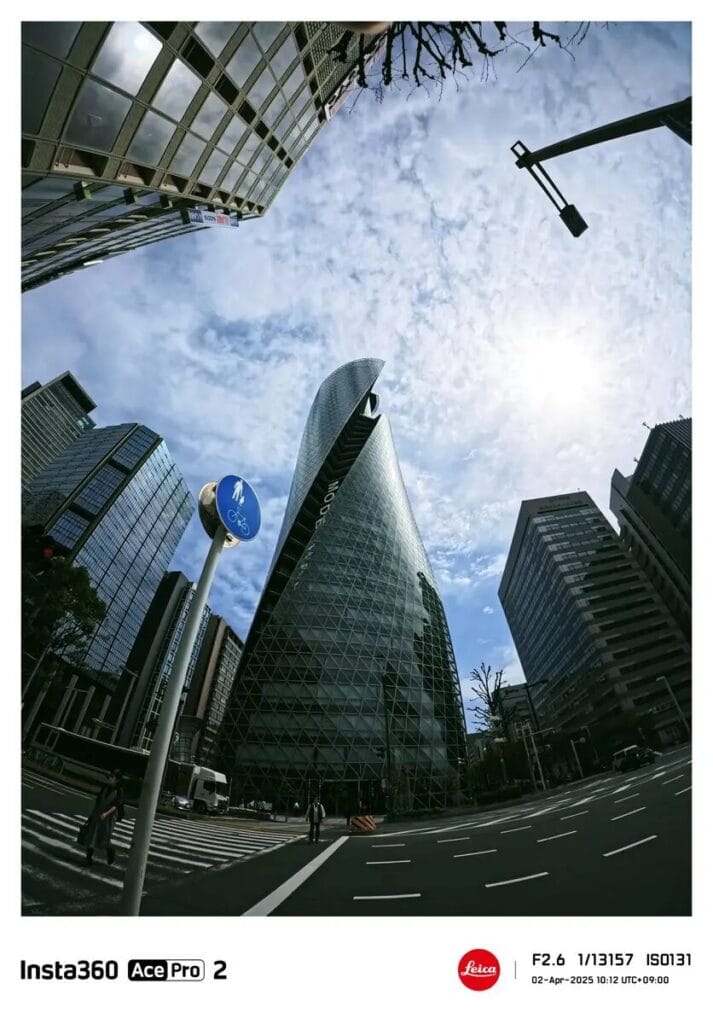
On the contrary, since Insta360 Ace Pro 2 roll outXplorer Kit 1.0After that, this camera became my main camera for street photography—this was also the first time I was so fascinated by the still photography function of an action camera. With the exclusive accessories of the street photography kit, the camera, which was originally designed for action video recording, was transformed into a street photography artifact; with the help of the kit's grip, not only can lossless zoom and exposure parameter adjustment be achieved, but also shooting modes can be quickly switched.
If GoPro isn't recommended, what would be a good alternative?
GoPro's main flagship models are the GoPro Max 2 360-degree panoramic camera and the GoPro HERO 13 wide-angle action camera. In my opinion, there are now many similar high-quality products on the market that can completely replace these two models.
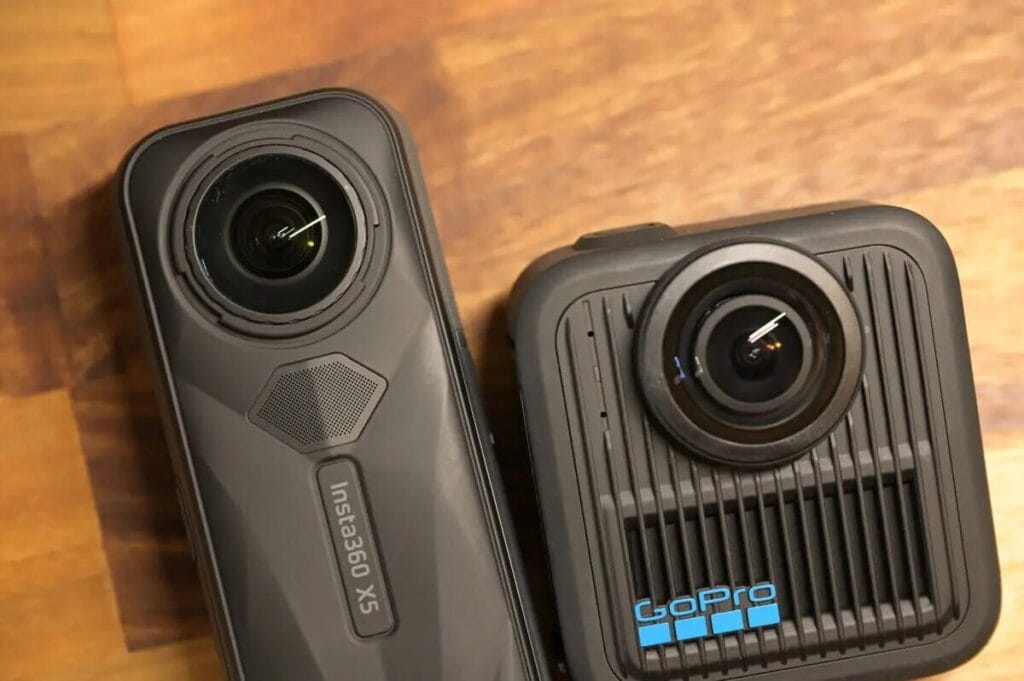
GoPro Max vs Insta360 X5
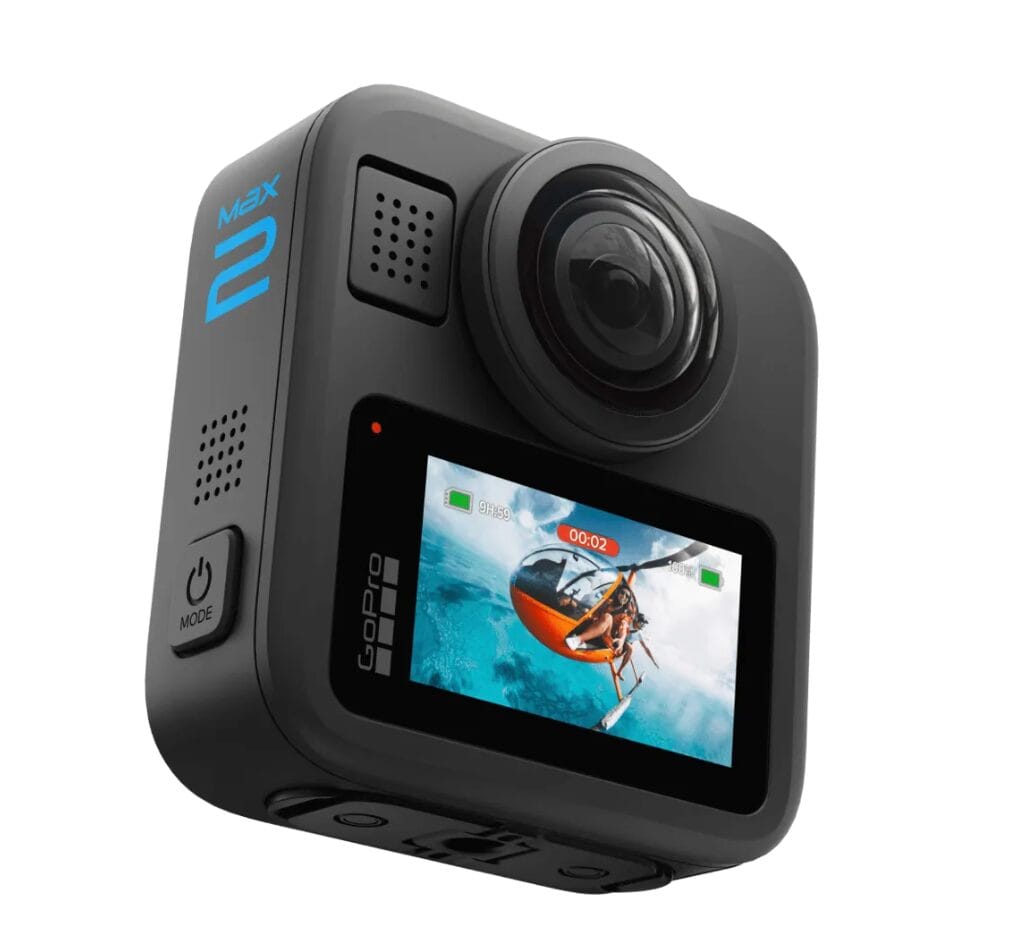
The Insta360 X5 surpasses the GoPro Max 2 in 8K panoramic image quality, night shooting performance, richness of shooting modes, battery life, waterproof specifications, post-production experience, and even accessory ecosystem, making it the best-selling 360-degree panoramic action camera on the market today.
| Insta360 X5 | GoPro MAX2 | |
 |  | |
| Release Date | April 2025 | September 2025 |
| Weights | 200g | 195g |
| size | 46.0 x 26.2 x 124.5mm | 64.0 x 48.7 x 69.7mm |
| shape | Rectangular | square |
| Battery Capacity | 2400mAh | 1960mAh |
| Battery Life | 88 minutes (8K 30fps) 135 minutes (5.7K 30fps) | 90 – 100 minutes (specific time not announced) |
| Quick Charge | 20-minute fast charge 80% | ❌ |
| External SD memory card | Maximum support 1TB | Maximum 1TB |
| screen | 2.5-inch Corning® Gorilla® Glass Screen | Material not disclosed |
| Waterproofing | 15m | 5m |
| Operating Temperature | -20℃ to 40℃ | -10℃ to 35℃ |
| Stop recording | ✅ | ❌ |
| Gesture Control | ✅ | ❌ |
| Voice control | ✅ | ❌ |
| Twist the selfie stick to start recording | ✅ | ❌ |
| Interchangeable lenses | ✅ | ❌ |
| Image sensor + chip | Dual 1/1.28″ image sensor 2× Image Chips 1× 5nm AI chip | 1/2.3” image sensor |
| F-value | F2.0 | F1.8 |
| ISO | 100-6400 | Not announced |
| Dynamic range | 13.5 stops | Not announced |
| 360-degree video quality | 8K 30/25/24fps 5.7K+30/25/24fps 5.7K60/50/30/25/24fps 4K120/100/60/50/30/25/24fps | 8K 30/25/24fps 5.6K60/50/30/25/24fps 4K100/90/60/50/24fps |
| Time-lapse photography | 11K | 8K |
| Time shift | 8K | 8K |
| take a picture of oneself | ME Mode | ❌ |
| Active HDR | 5.7K | ❌ |
| Night shooting mode | Night mode PureVideo 8K 30/25/24fps | ❌ |
| Single-Camera Recording | 4K 60/50/30/25/24fps | 4K 60/50/30/25/24fps |
| Maximum bit rate | 180Mbps | 120Mbps |
| coloration | Bright (Standard) Standard (Vivid) Flat (gray tone) | Nature Standard (Vivid) Flat (gray tone) |
| Log | I-Log (Low Saturation Mode) 5.7K | GP-Log |
| Bit | 8-bit | 8-bit 10-bit |
| anti-shake | FlowState | Max HyperSmooth |
| External Microphone | ✅ | ✅ |
| Main unit microphone hole | 4 | 6 |
| Wireless microphone connection | 1 | 1 |
| PC post-production software | Insta360 Studio | DaVinci Resolve Plugins |
| Smartphone App | Insta360 APP (Easy for beginners) | GoPro Quik |
| cloud storage | Insta360+ (Free) | GoPro official paid subscription |
| Standard Package Price | USD $ 549.99 HKD $3,699 TWD $14,900 | USD $499.99 HKD approximately 1TP 4T 3,900 TWD Approximately $12,700 |
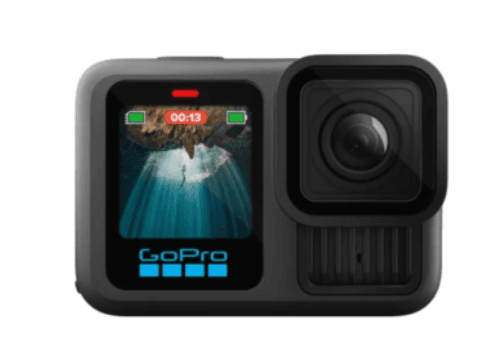
GoPro HERO 13 vs Insta360 Ace Pro 2
GoPro's classic flagship HERO series has been iterated to the 13th generation. Although the outside world expects to launch HERO 14 this year, judging from the actual product capabilities of HERO 13, it is inferior to its competitors in all aspects - it is no match for the 8K image quality of Insta360 Ace Pro 2.
| GoPro HERO 13 Black | Insta360 Ace Pro2 | |
 |  | |
| Release Date | September 2024 | October 2024 |
| Weights | 154g | 177.2g |
| size | 71.8 × 50.8 × 33.6 mm | 71.9 × 52.2 × 38 mm |
| Battery Capacity | 1900mAh | 1800mAh |
| Recording Time | 90 minutes 5.3K30fps | 112 minutes 4K30fps |
| Quick Charge | ❌ | ✅ |
| External SD memory card | Supports up to 1TB of memory | Supports up to 1TB of memory |
| Front screen | 1.4 inches | 0.7 inches |
| Rear screen | 2.27 inches | 2.5-inch flip touchscreen |
| Waterproofing | 10m | 12m |
| Operating Temperature | -10°C~35°C | -20°C to 45°C |
| Shooting control | Voice control | Voice control Gesture Control |
| sensor | 1/1.9“ | 1/1.3″ |
| F-value | F2.5 | F2.6 |
| ISO | 100-6400 | 100-6400 |
| Standard Recording | 5.3K 60fps 4K120fps 900p360fps 720p 400fps | 8K30fps 4K120fps |
| Dynamic HDR | ✅ | ✅ 4K60fps |
| Night Shooting Performance | ❌ | ✅ 4K60fps |
| Maximum bit rate | 120Mbps | 180Mbps |
| Wide angle | HyperView SuperView Wide angle linear Linear wide-angle + horizon lock | ActionView MegaView UltraWide Dewarp FPV |
| FOV | 177° (with external wide-angle lens) | 189° (with external wide-angle lens) |
| Aspect Ratio | 16:9 4:3 8:7 | 2.35:1 16:9 4:3 |
| zoom | Digital Zoom | Clarity Zoom |
| ND filter | ✅ | ✅ |
| coloration | Nature Standard (Vivid) Flat (gray tone) | standard bright Leica Natural Leica Vivid |
| Log | GP-Log | i-Log |
| Bitrate | 8-bit 10-bit | 8-bit |
| Video File | H.265 | H.265 H.264 |
| Underwater Colors | ❌ | Exclusive underwater color scheme: AquaVision 2.0 |
| Image stabilization mode | OFF HyperSooth 6.0 ON HyperSooth 6.0 Boost Level maintenance Horizontal Lock | OFF FlowState low FlowState Standard FlowState High Maintain a horizontal angle of 45 degrees Maintain 360 degrees horizontally |
| Microphone. | 3 | 3 |
| Detachable microphone windscreen | ❌ | ✅ |
| Color | 黑 | Available in black and white |
| Standard Package Price | USD $429.99 Approximately HKD $3,357 Approximately TWD $13,700 | USD $419.99 HKD $3,279 TWD $14,200 |
In conclusion: Where does GoPro's future lie?
In my opinion, GoPro is no longer the top choice for entry-level action cameras. While the Insta360 Ace Pro 2 is positioned as an action camera, its design also prioritizes ease of use in everyday situations, a core advantage that GoPro lacks. Even in low-light or underwater environments, the Ace Pro 2 can capture high-quality video. Now, I only have three reasons why I still recommend GoPro.
Suitable scenarios for getting a GoPro HERO 13
- For high-intensity shooting (DJI and Insta360 can also be used as alternatives)
- Want to experience macro and ultra-wide-angle videos by changing lenses (DJI and Insta360 can also be used as alternatives)?
- For professional post-processing with 10-bit color (DJI can also be used as an alternative)
GoPro HERO 14
I still hope that this year's GoPro HERO 14 will bring some surprises.
Despite GoPro's consistent annual product release schedule, its absence in the second half of 2025 has sparked much speculation in the market – with many believing that the release of the HERO 14 will likely be postponed until early 2026.Rumors suggest that GoPro will focus on competing with DJI and Insta360 action cameras by significantly improving low-light performance.
For GoPro, the launch of the HERO 14 is a matter of life and death. Facing competition from DJI and Insta360, the brand is under unprecedented pressure. To address this, the CEO not only voluntarily gave up all his salary until the end of 2025, but the company also initiated a 15% layoff plan to save costs. The HERO 14, set to launch in 2026, can be seen as the company's hope for revitalizing its performance and regaining its market position. However, in the face of such fierce competition, whether GoPro can achieve a comeback and stand out with this new flagship action camera remains to be seen.