



Insta360 has released its new action vlog camera, the "Ace Pro 2". The Ace Pro 2 's ease of use for vlog shooting can be said to surpass GoPro's performance as an action camera. Although the body design hasn't changed much compared to the previous generation Ace Pro, the Insta360 Ace Pro 2, with its built-in flip screen, still offers a refreshing feel compared to DJI and GoPro action cameras.
It can be said to be the action camera with the best cost performance on the market right now . In addition to recording vlogs , the Ace Pro 2 is also the best choice for motorcycle, cycling and sports users.
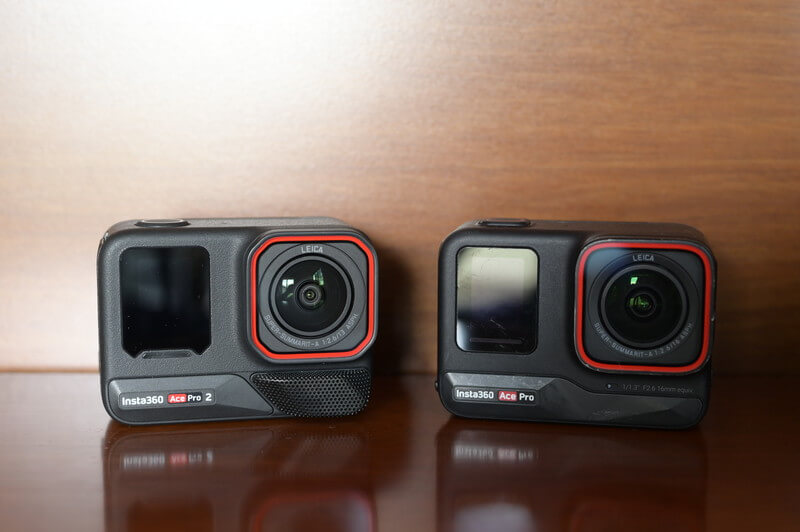
In this comparison review , I will analyze the upgrades of the Ace Pro 2 compared to the Ace Pro , hoping to provide you with the most realistic reference.
Ace Pro 2 vs Ace Pro Upgrade Points
Since this article is quite long, I will first briefly summarize the basic specifications and upgrade points of Ace Pro 2 and Ace Pro.
| Ace Pro 2 | Ace Pro | |
|---|---|---|
 |  | |
| Availability | October 22, 2024 | November 21, 2023 |
| Standard Package Price | HKD $3,149 USD $399.99 USD $399.99 | HKD $2,210 NTD $10,710 USD $449.99 Long-term Discount |
| microchip | 5nm Dual Chip | 5nm Chip |
| Sensor Size | 1/1.3 inch | 1/1.3 inch |
| F-value | F2.6 | F2.6 |
| Lens | Leica | Leica |
| ISO | 100~6400 | 100~6400 |
| resolution (of image, monitor etc) | 8K 30fps | 8K 24fps |
| HDR Video | 4K 60fps | 4K 30fps |
| Slow Motion Video | 4K 120fps | 4K 120fps |
| Maximum angle of view FOV | 157° | 151 |
| Photo Resolution | 5000MP | 4800MP |
| PureVideo | 4K 60fps PureVideo Plus | 4K 30fps |
| Waterproofing | 12m | 10m |
| brackets | Quick Release Mount | Quick Release Mount |
| Horizontal stabilization | Wide angle | angle (between two intersecting lines) |
| Operating Temperature | -20°C ~ 45°C | -20°C ~ 40° |
| Battery | 1800mAh | 1650mAh |
| Microphone. | 3 | 3 |
| Weights | 177.2g | 179.8g |
- Equipped with 5nm AI dual-chip architecture (fps, night shot performance improvement)
- Improved overall smoothness of operation
- 157° super wide angle field of view (FOV)
- Standard windproof microphone cover (suitable for cycling)
- New CarLog mode
- 4K Pre-recorded Duration Enhancement
Use this link to get a free gift, while stocks last.
Equipped with 5nm AI dual-chip architecture (fps, night shot performance improvement)
The image quality of the Ace Pro and Ace Pro 2 in low-light or nighttime environments undoubtedly far surpasses that of most action cameras currently on the market. In actual night shooting scenarios, the Ace Pro 2, equipped with dual chips, has a more significant advantage.
The Ace Pro 2 is the first action camera to feature a dual-chip design . For reference, DJI uses a 4nm chip, while the Ace Pro 2 uses a larger 5nm chip. Frankly , there's still some ambiguity in the industry regarding chip size, but upgrading the chip definitely improves a camera's image processing capabilities.

Only 4K 30fps HDR video and PureVideo have been upgraded to 4K60fps, and 8K video has been improved from 24fps to 30fps, resulting in smoother overall video.
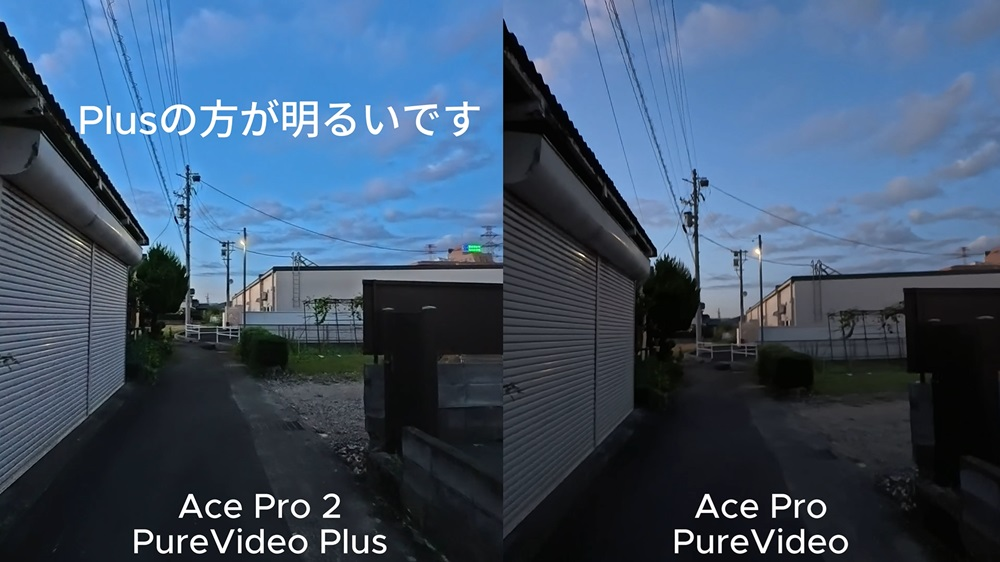
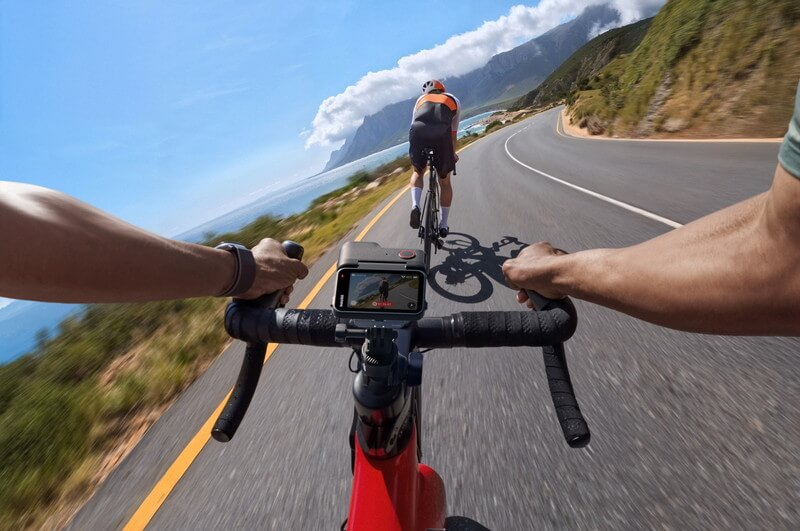
While DJI also emphasizes night shooting, the Ace Pro 2 makes a greater breakthrough in this area. HDR shooting can be done at 60fps, making the Ace Pro 2 a good choice for those who want to capture a sense of "speed".
Use this link to get a free gift, while stocks last.
Improved overall smoothness of operation
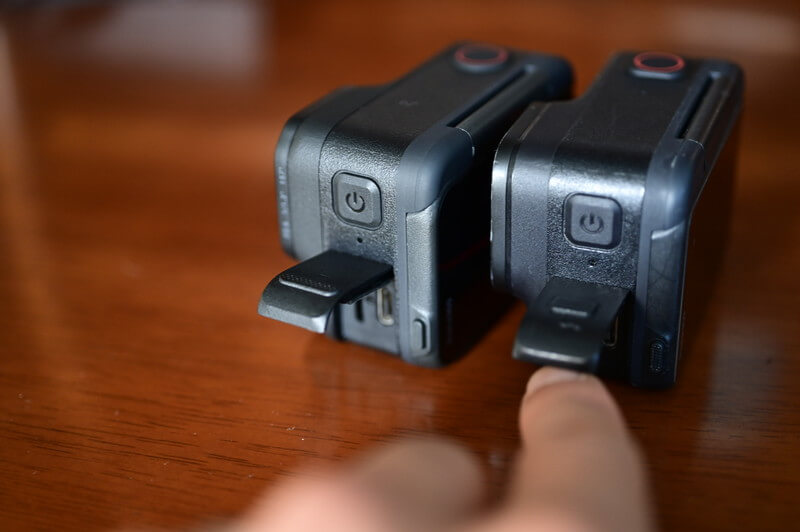
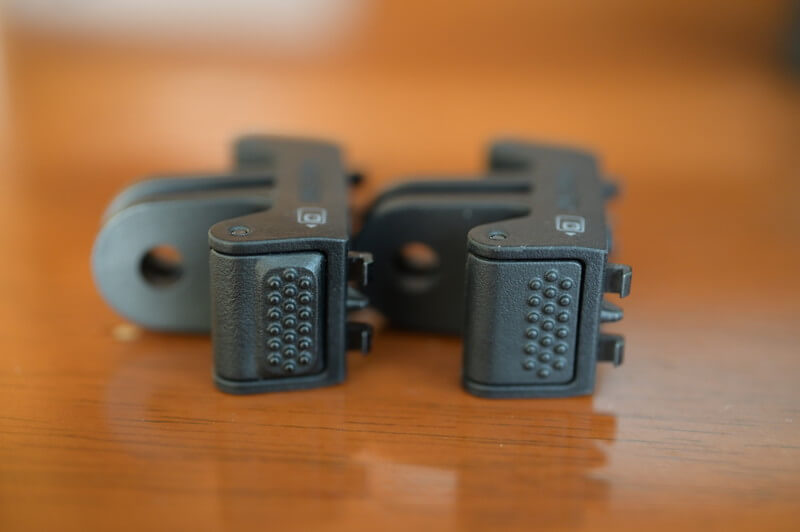
While the Ace Pro 2 shares a similar appearance with its predecessor, the Insta360 official website doesn't list any changes to camera operation or design. However, I found that through some subtle adjustments, the Ace Pro 2's camera operation has become simpler and easier to use. For example, the battery cover, charging port cover, and quick-release bracket installation and removal have all been improved . These aspects weren't particularly troublesome to use with the Ace Pro, but the Ace Pro 2 offers a smoother and more fluid user experience.
These small improvements make me feel that Insta360 is a company that is willing to work on the smallest details.
157° super wide angle field of view (FOV)
| Ace Pro 2 | Ace Pro | HERO 13 | Osmo Action 5 Pro | |
|---|---|---|---|---|
| FOV | 157° | 151° | 156° | 155° |
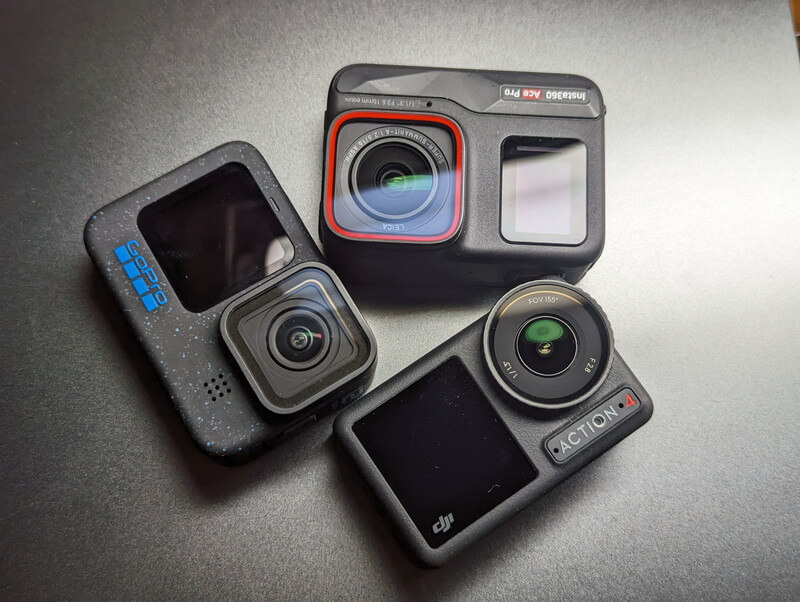
For reference, we compare the maximum field of view (FOV) of action cameras from other manufacturers. Numerically, the Ace Pro was originally weak in this area, but after upgrading to the Ace Pro 2, the FOV increased to 157°, making it the best among the three major manufacturers .
The Ace Pro 2 and Ace Pro have a 6° difference in field of view. In addition, the Ace Pro 2 adds a wide-angle and less distorted " Mega Wide-Angle " mode, which not only improves the camera's action performance but also increases the usable frame size for Vlog recording.

Standard windproof microphone cover (suitable for cycling)
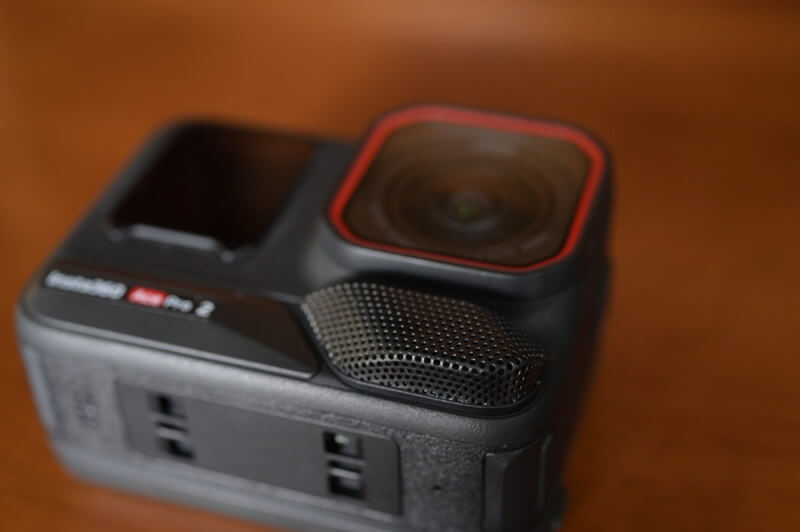
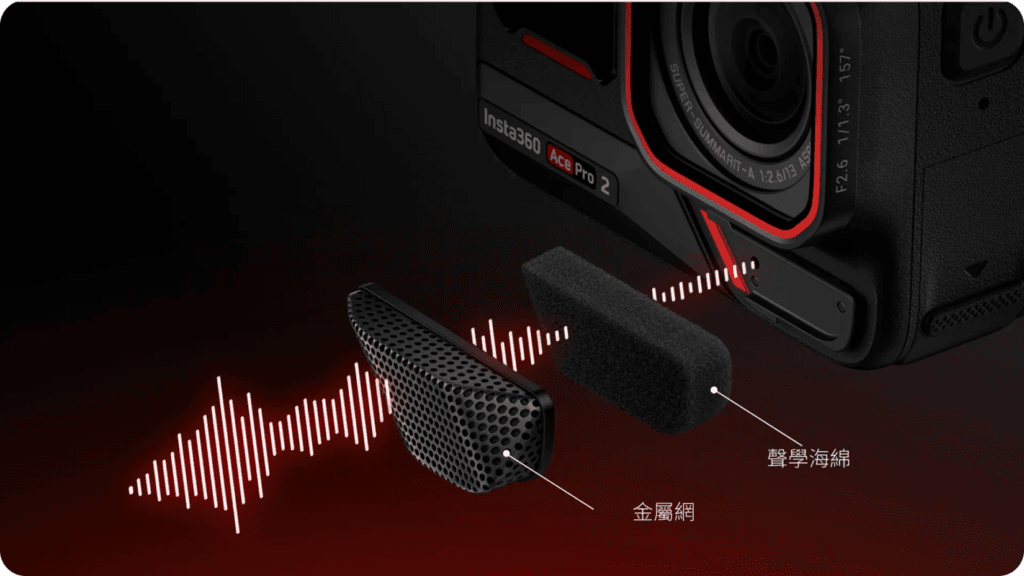
The Ace Pro 2 comes standard with a windproof microphone cover, making it ideal for capturing the sense of speed in windy conditions such as motorcycles and road bikes.
However, it is not recommended to use the microphone cover when diving, as moisture will affect the sound reception and noise reduction effect. Before using it in diving or surfing, you can just take out the sponge and remove the microphone windshield, or replace the microphone windshield with a microphone cover.
New Car Logger Mode
Ace Pro 2 supports Car Logger Mode and Power Saving Mode, allowing you to use your sports camera as a car logger.
4K Pre-recorded Duration Enhancement
The Ace Pro 2's pre-recording function records up to 120 seconds of pre-shutter images in 1080P recording mode, and supports up to 90 seconds of pre-recording in 4K recording.
No matter what situation you're in, you'll never miss a moment you can cherish.
| Ace Pro 2 | Ace Pro | |
|---|---|---|
| Screen | Image Density +70% Durability +100% | |
| reverse charge | ||
| Vehicle Logger Mode | ||
| Removable Lens Protection | Non-removable | |
| Windshield | ||
| l-Log Shooting | ||
| Time Code Synchronization | ||
| Activity Statistics | ||
| 4K Pre-Recording | 90 seconds. | 15 seconds. |
| Data Capacity | Section 50% |
Ace Pro 2 vs.
When it comes to getting a sports camera, most people are interested in graphics and horizontal field of view, and we'll explain what's the difference between the Ace Pro and the Ace Pro 2 in terms of graphics quality.
Night Shooting Performance
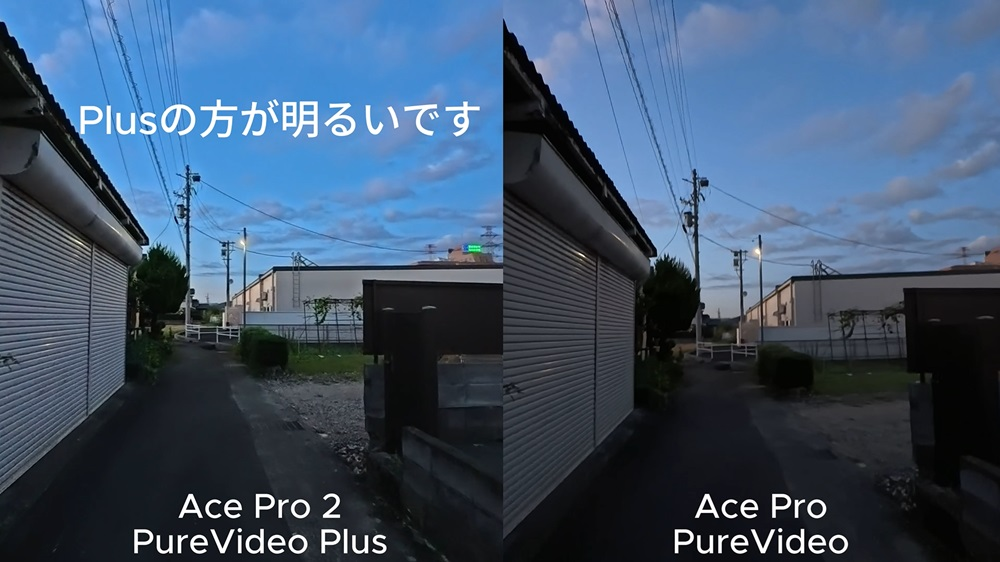
Building upon the excellent low-light performance of PureVideo technology from the Ace Pro, the Ace Pro 2 further adds a PureVideo Plus mode, taking low-light compensation to the next level. Comparison videos clearly demonstrate that the Ace Pro 2's night shooting performance is a significant improvement over the Ace Pro.
Of course, if you only need a modest amount of brightness compensation, Ace Pro 2 still retains the PureVideo recording mode as an option.
Frame and Field of View FOV
| Ace Pro 2 | Ace Pro | |
|---|---|---|
| 8K | Mega Wide Angle Super Wide Angle Dewarp de-distortion Linear | Super Wide Angle Dewarp de-distortion |
| 4K | Action Wide angle of movement Mega Wide Angle Super Wide Angle Dewarp de-distortion Linear | Action Wide angle of movement Super Wide Angle Dewarp de-distortion |
The Ace Pro 2 has a few more frame options than the Ace Pro, and the one I use the most is the "Mega Wide" that's been added this time around. As you can see, while maintaining the wide angle, the Ace Pro 2 suppresses distortion and adopts a wide format that's great for everything from sports scenes to vlogging.
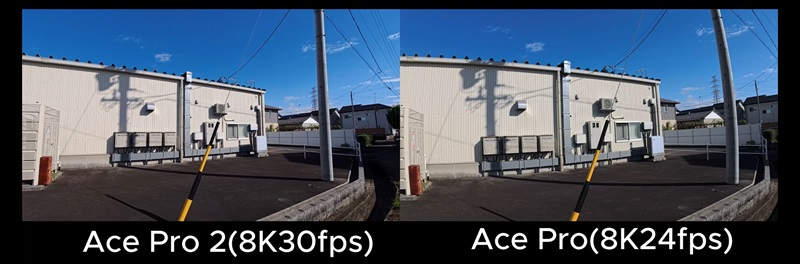
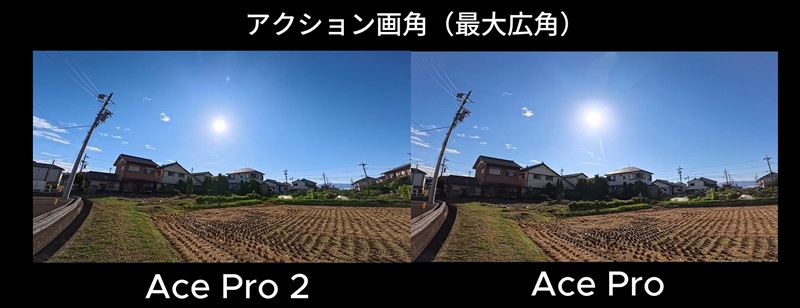
Below is a comparison of Ace Pro 2 and Ace Pro's Dewarp de-distortion. Comparing from the same position, you can see that Ace Pro 2 has a wider frame and better de-distortion.
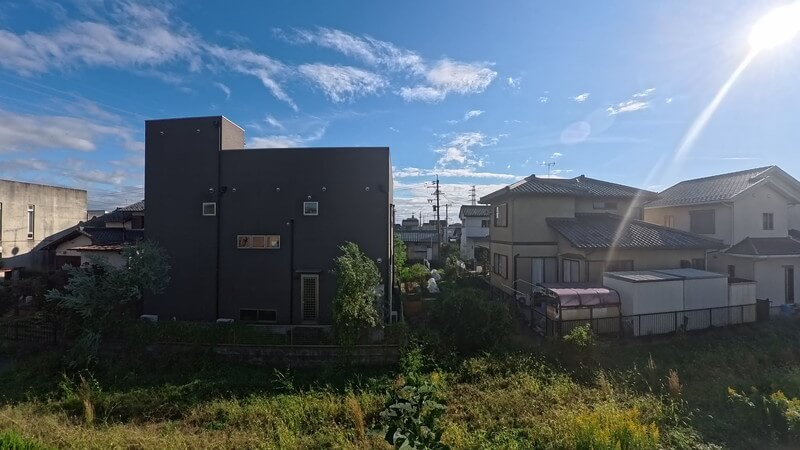
Ace Pro vs Ace Pro 2 - De-distorted image
Ace Pro 2 Angle of View FOV 157°
| Ace Pro 2 | Ace Pro | HERO 13 | Osmo Action 5 Pro | |
| FOV | 157° | 151° | 156° | 155° |
The Ace Pro 2 has a field of view (FOV) of 157°, compared to the Ace Pro's 151°. With the wider frame size of the Ace Pro 2, motion performance is also improved with a wider range of shots. Compared to the Ace Pro, the Ace Pro 2 captures motion with virtually no distortion, making it just as versatile and easy to use in non-motion situations.
Ultra wide-angle shooting
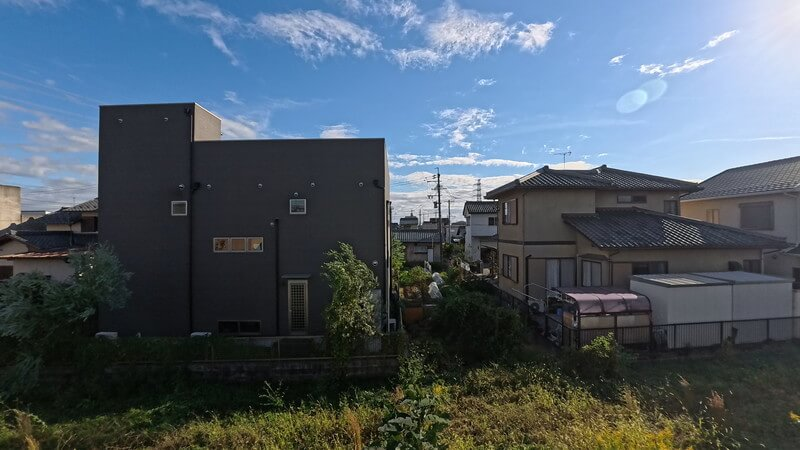
When it comes to photography, Ultra Wide Angle (ULTRA) is the widest frame on the Ace Pro 2. Despite the slight clutter around the desktop, the difference in close-up wide angle is certainly noticeable in the Ace Pro 2 compared to the Ace Pro. The Ace Pro 2 also appears to be wider in portrait orientation when the 4:3 frame is selected, providing a wider field of view.
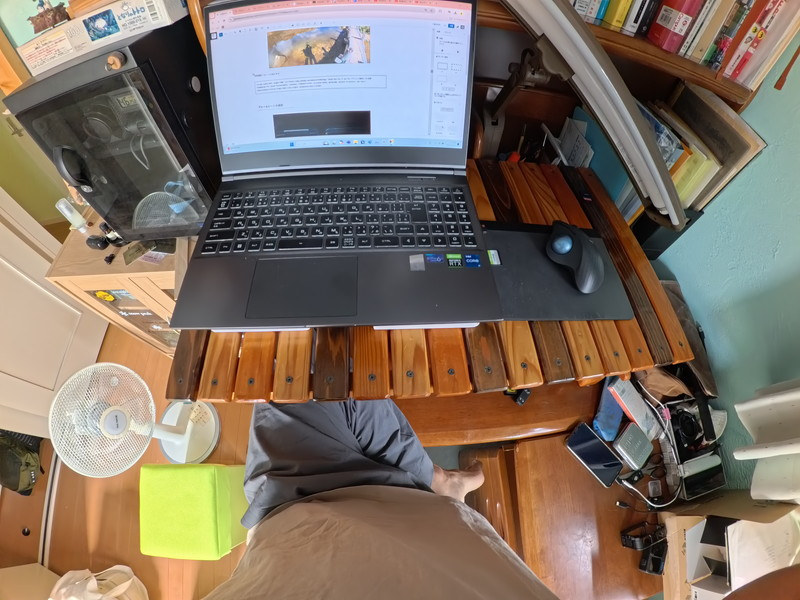
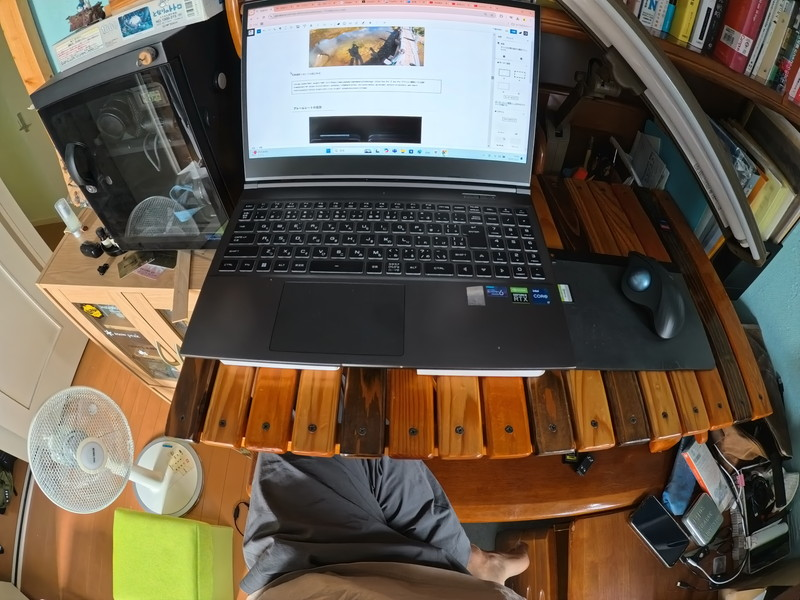
Ace Pro 2 vs Ace Pro
Even when using an ultra-wide angle in a distant scene, the Ace Pro 2's image is not distorted.
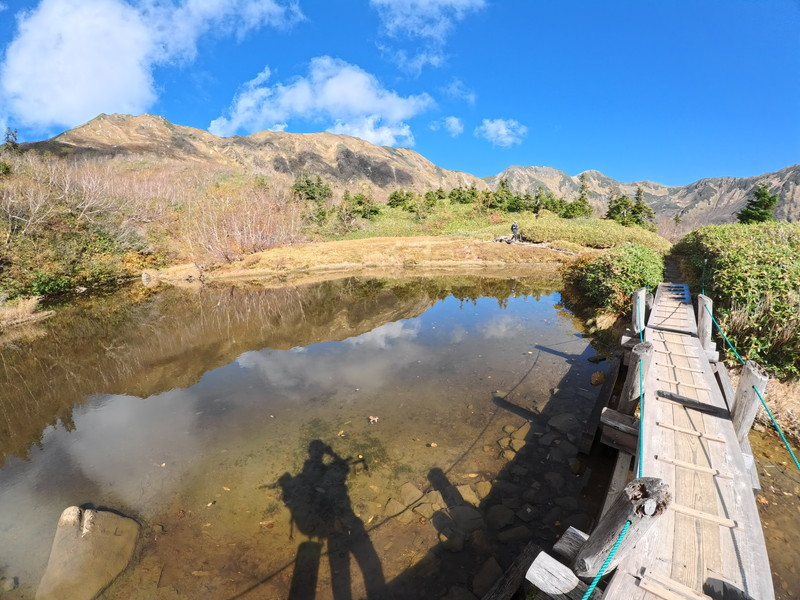
Ace Pro 2 Shooting
Increase in frame rate
| Ace Pro 2 | Ace Pro | |
|---|---|---|
| 8K | 30fps | 24fps |
| 4K | 120fps | 120fps |
| HDR | 60fps | 30fps |
| PureVideo | 60fps | 30fps |
Ace Pro 2 has expanded the frame rate options, and 8K recording can now be switched between 24fps and 30fps for smoother video capture. In my opinion, the addition of 60fps support for HDR video is the most significant change in this update.
- 24fps: Vlog, Movie Texture
- 30fps: Daily Shooting Vlog
- 60fps: 2x speed recording, sports scenes
For example, 60fps is ideal for speedy shots such as road biking or motorcycle riding. Because 30fps can't keep up with the speed, it's prone to flickering.
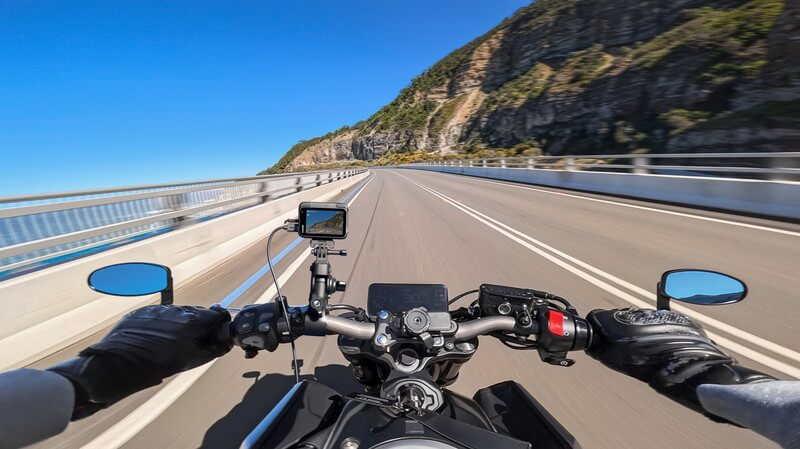
Recommended for HDR movies in sunny daytime, "4K60fps" and "HDR movies" are more compatible. If the frame rate is set to 60fps, it can also support 2x slow motion, making it ideal for all kinds of action scenes.
If you'll be using the Ace Pro 2 for recording in scenarios like motorcycle riding, skiing, or mountain biking, I highly recommend using the HDR video and 60fps combination to immediately experience the power of the Ace Pro 2.
Use this link to get a free gift, while stocks last.
[Ace Pro 2] vs.
Next, I'm going to compare the design and operating experience of the Ace Pro and the Ace Pro 2! Although the specifications are not clearly listed, the Ace Pro 2 does have some minor optimizations in terms of operating logic and feel.
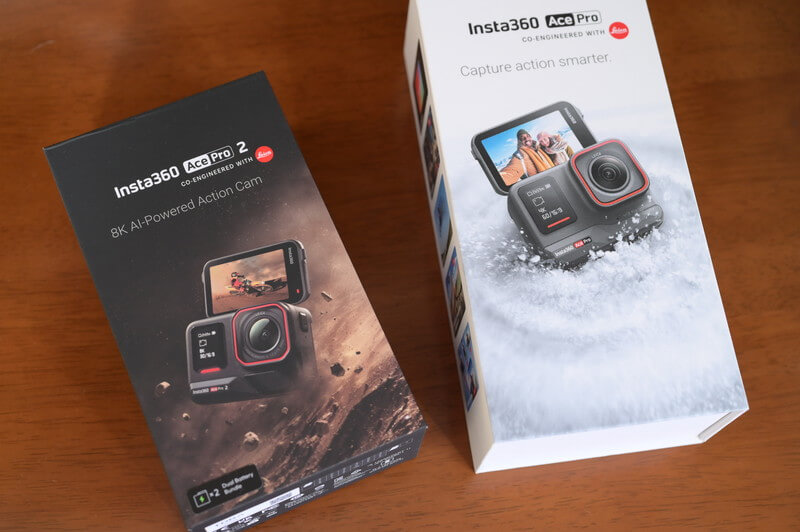
For example, the packaging has become slightly more compact, adopting Insta360's first black packaging. This packaging seems to have considered users' storage needs, ensuring it won't tear even after being opened once.
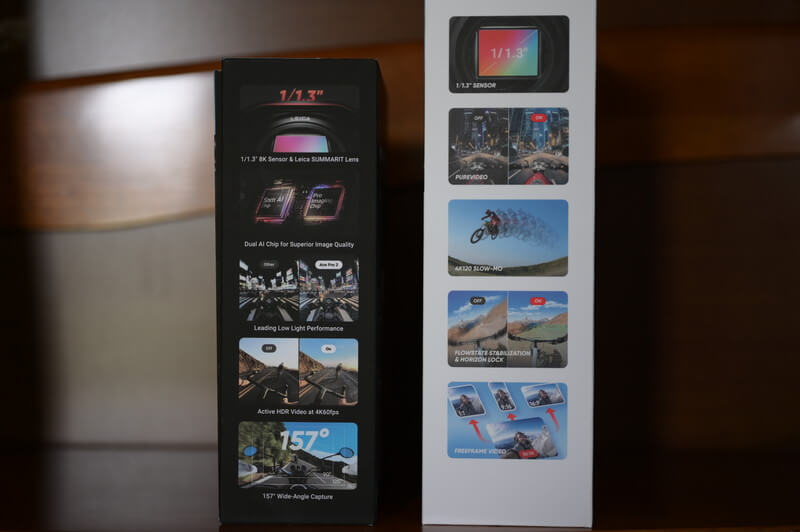
The specifications are clearly listed on the side of the packaging. From this perspective, the 5nm chip and 157° field of view can be considered key upgrade features. Furthermore, 60fps HDR recording is also mentioned.
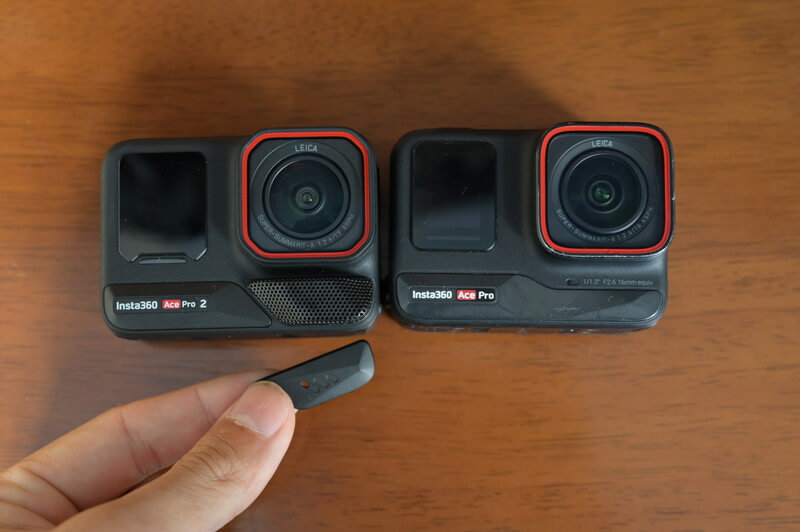
From the front, there are no obvious differences in the body design, which is a regular iteration of the Ace Pro, and the size of the body remains the same as its predecessor.
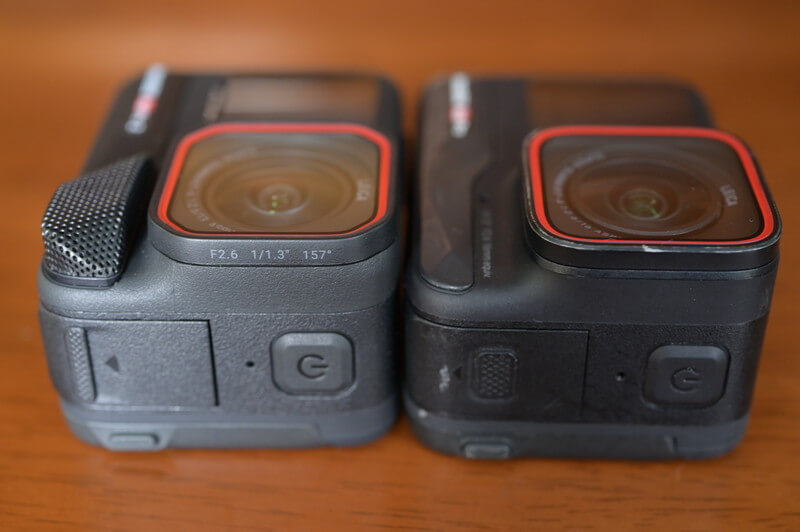
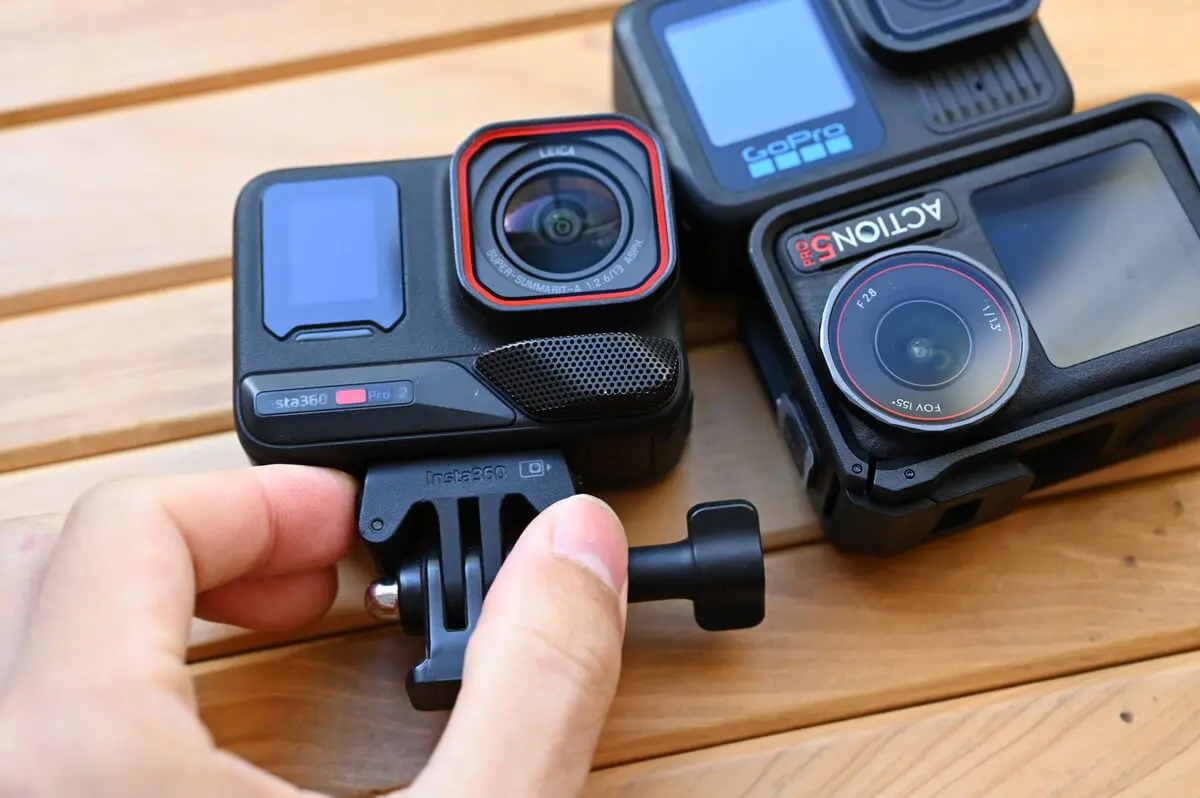
The lens cap of Ace Pro 2 is detachable and can be removed with a simple twist, making it very easy to operate. It is also worth mentioning that the lens is equipped with the SUMMARIT lens, which was jointly developed with Leica, for better optical quality.
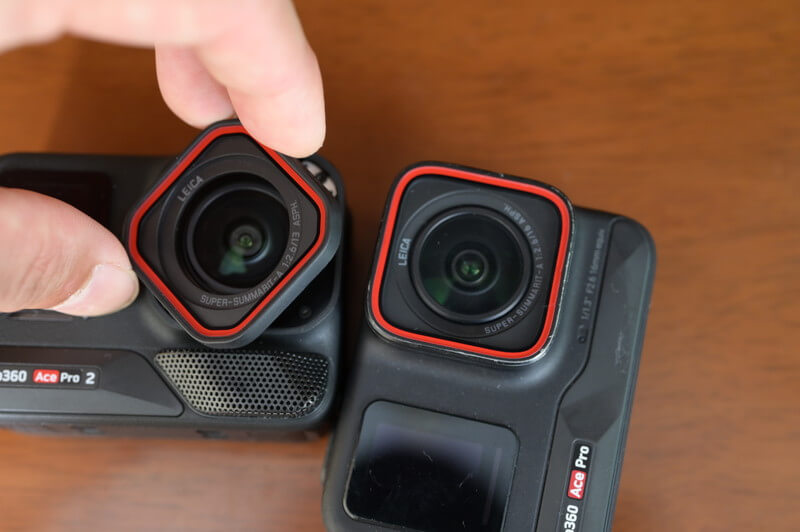
On the side of the lens, the Ace Pro 2 will have the camera specifications noted.
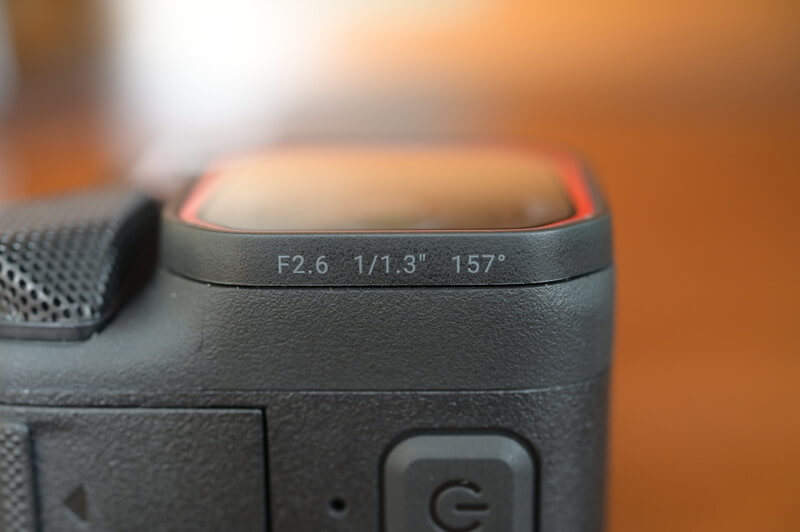
The 157° maximum field of view is undoubtedly one of the highlights of the Ace Pro 2 – this parameter is clearly printed on the side of the lens, a design feature commonly seen on SLR camera lenses. This detail not only reflects the product's professionalism, demonstrating that the Ace Pro 2 is not just an action camera designed for extreme scenarios, but also allows users to truly appreciate its professional value and significance as a video camera.
The front display has been fine-tuned slightly from the Ace Pro, making it slimmer, but the overall look hasn't changed much.
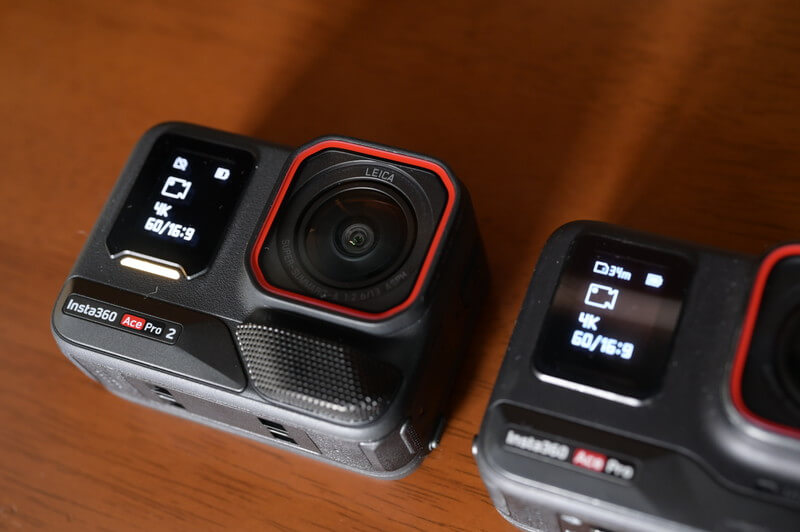
The most obvious change is in the microphone section - the Ace Pro 2 comes with a microphone windshield accessory, which greatly reduces the interference caused by wind noise.
operating sense
Next, I'm going to evaluate the operation of these two cameras. After careful comparison, it's not hard to find that the difference is quite obvious - it also continues Insta360's consistent product design style, and the insistence on details can be seen at a glance.
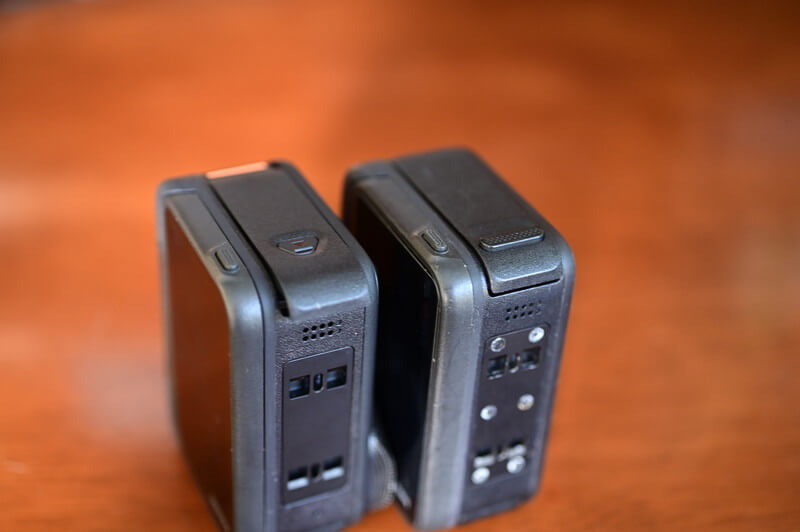
Let's start with the Type-C port and SD card slot: since the Ace Pro, the battery has been separated from these two components, a setup that's particularly convenient for personal use, as the battery cover doesn't need to be opened as often.
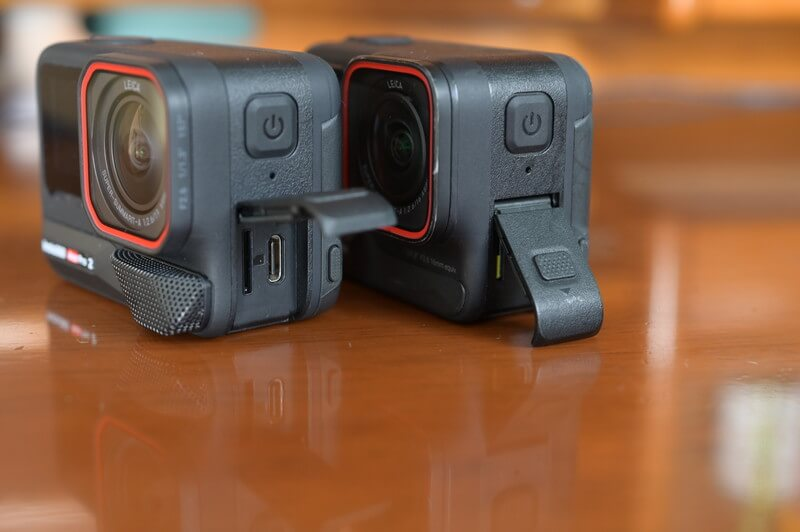
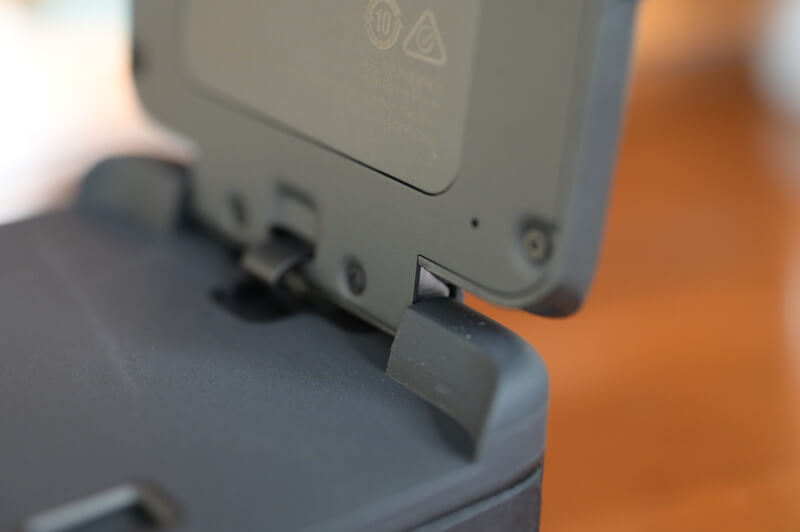
The subtle upgrade is that the cover can be held in place when it's open - when the cover is lifted to the top position, it locks with a gentle "thump", making things like changing the SD card much easier and more convenient.
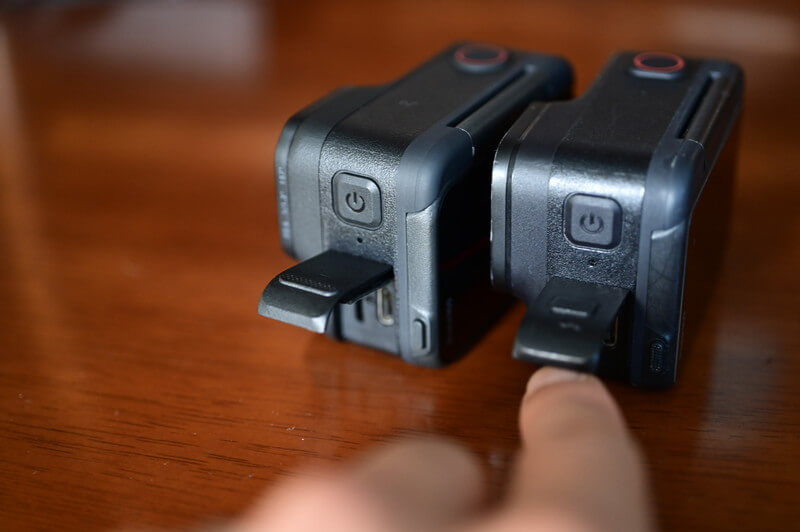
In addition, the battery cover opens in a very crisp and clean manner.
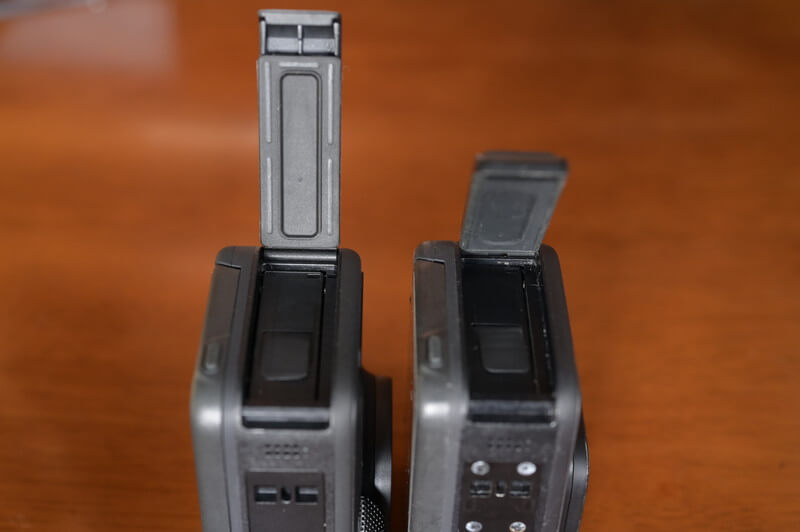
The Ace Pro 2's lid closure has been upgraded from the pull-button design of the previous generation to a sliding lock design . While the Ace Pro's user experience is not difficult, the Ace Pro 2's sealing performance is undoubtedly superior.
Regarding the flip screen, the durability is said to have been increased to twice that of the Ace Pro. I wasn't particularly concerned about durability in the past, but it's always nice to see such an improvement. In terms of usability, the flip screen is just as easy to use as the Ace Pro, whether you're taking a selfie or placing your camera on the screen to adjust composition.
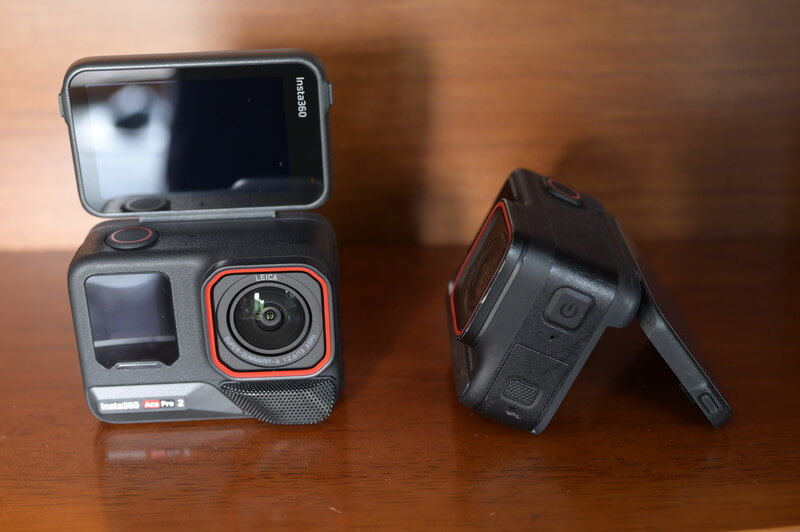
I've been using the Ace Pro for a year and have not experienced any signs of component damage. Even though it is a flip screen, the durability is basically assured.
The screw-mounted design on the bottom of the Ace Pro has been removed. When I used the Ace Pro at the beach before, the screw interface rusted a little because I didn't use a diving case—but with the Ace Pro 2, I don't have to worry about rust at all.
The process behind getting these details right should feel quite complex, and it's one of the most unexpected upgrades I've seen in this experience.
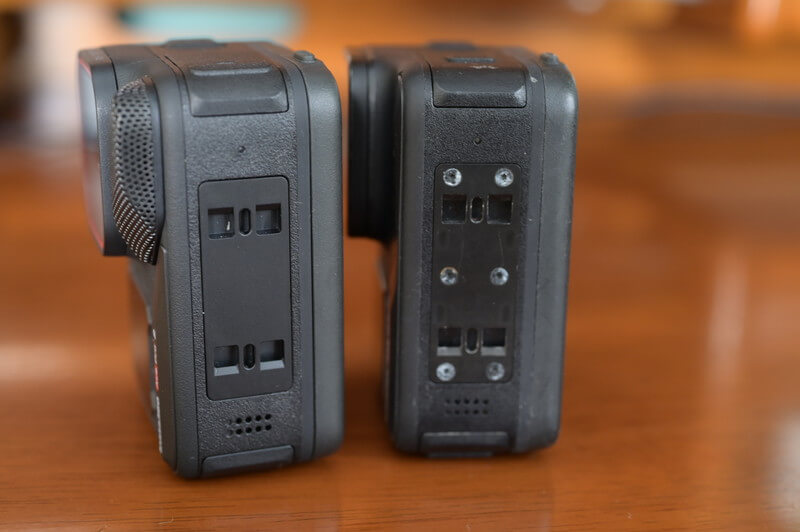
The quick release bracket has the same one-touch mounting as the Ace Pro, with magnetic suction plus automatic locking.
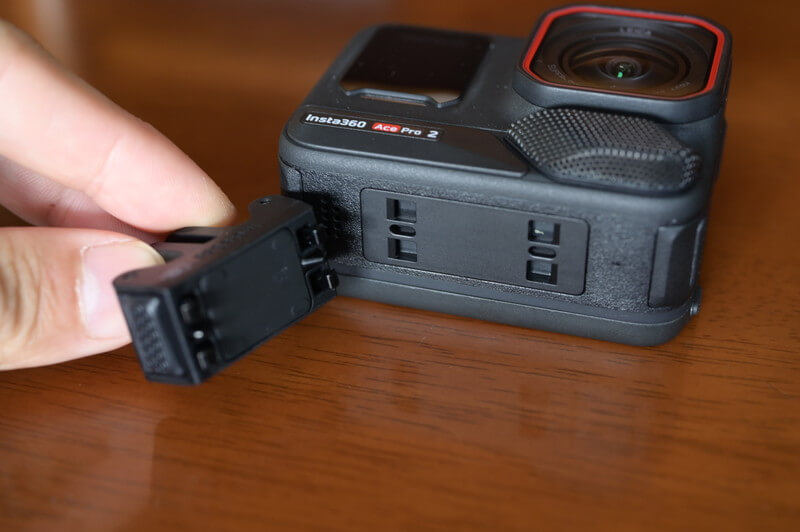
Compared to the Ace Pro, the magnetic design of the Ace Pro 2 is either stronger than ever, or the accuracy of the alignment of the magnetic center has been improved - either way, it makes the overall installation and removal operation of the Ace Pro 2 extra smooth.
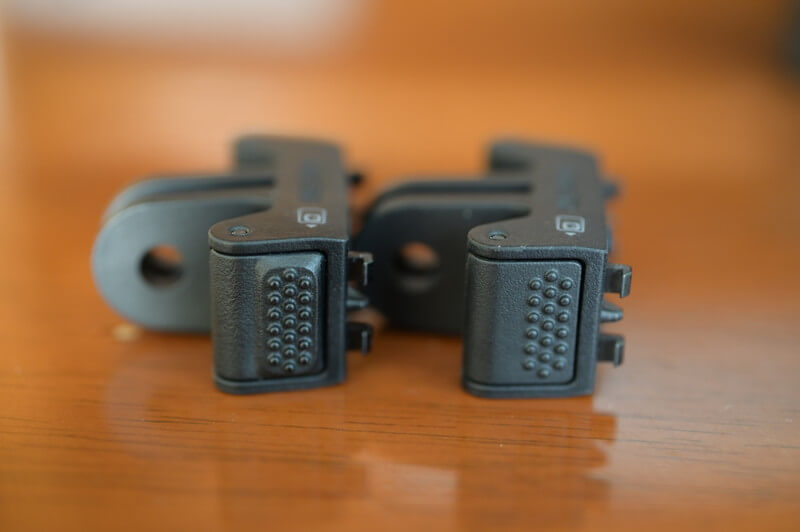
Locking the Ace Pro 2 is also easier than the Ace Pro.
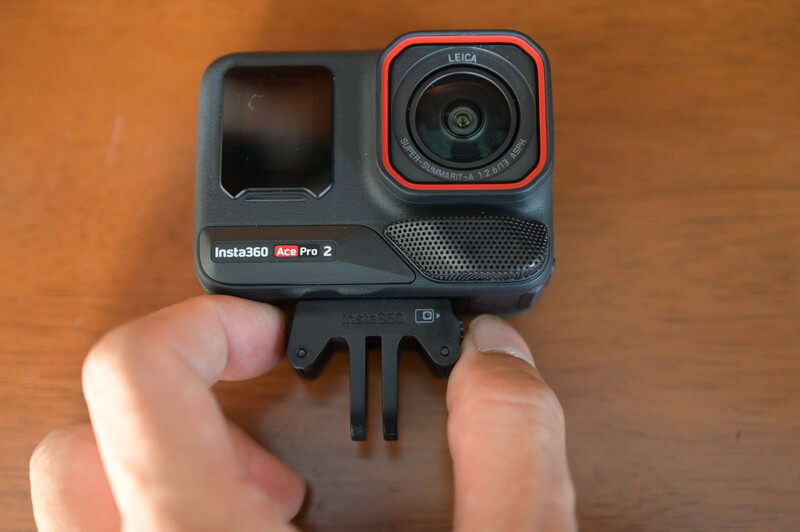
Compared to the Ace Pro, the Ace Pro 2 offers numerous subtle optimizations and upgrades in terms of user experience. As someone who has used the Ace Pro for two years, I can clearly feel that the Ace Pro 2 is much more comfortable and convenient to use overall. Of course, the most significant changes in this upgrade are concentrated on improvements in image quality and the camera's own performance.
The resolution setting screen has been changed from horizontal to vertical, making the overall layout more intuitive and easier to understand. The speed of starting and stopping when the power is turned on and off remains unchanged compared to the Ace Pro; however, compared to the GoPro, the Ace Pro 2 starts up about a second faster.
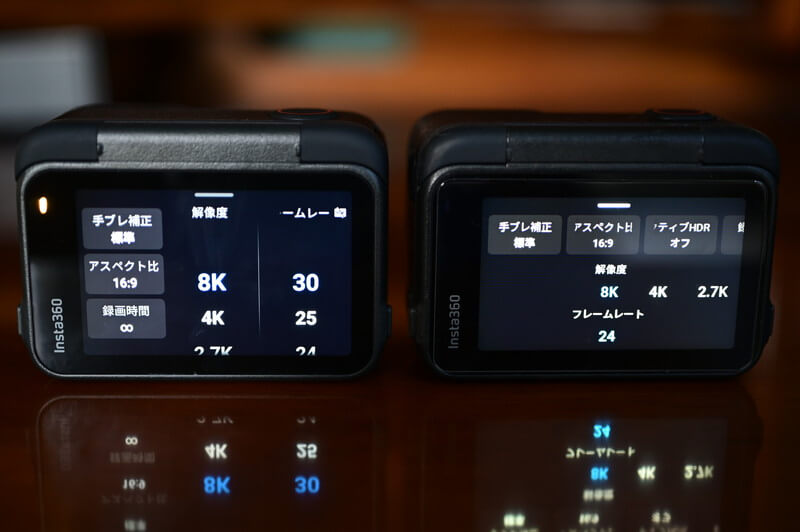
The screen is very comfortable to operate and there is no perceived sliding delay at all.

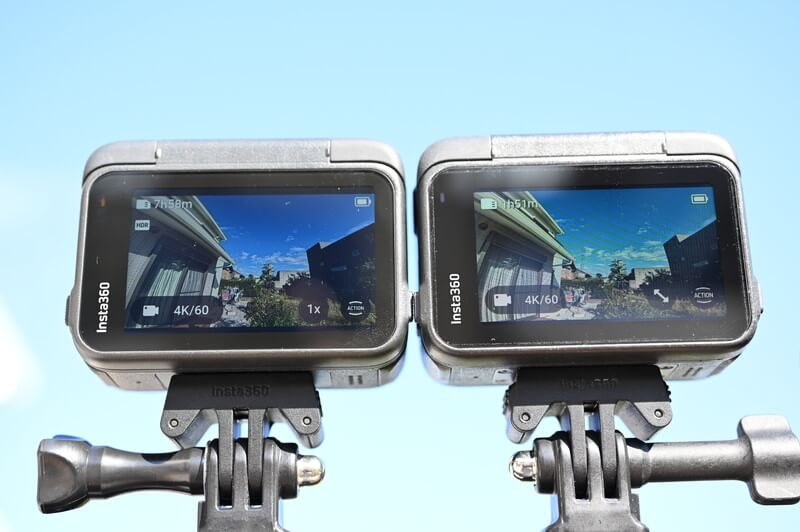
The image density of the screen has been increased by 70% and the brightness has been increased by 6%, making it possible to see the screen clearly in bright places. The picture becomes more beautiful during shooting, and the sense of anticipation for the shoot is heightened as a result.
Use this link to get a free gift, while stocks last.
Ace Pro 2 vs Ace Pro Microphone Differences
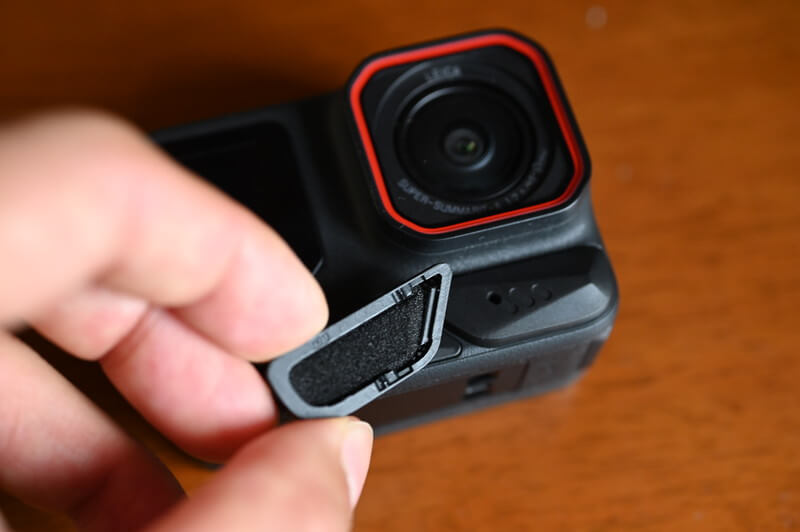
The microphone cover of the Ace Pro 2 has been upgraded to a "windproof design" with an anti-noise sponge.
In short, it incorporates windproof foam without compromising the design. Compared to the Ace Pro's microphone performance, I personally feel there's no significant difference in Vlog recording. However, when wind noise is a major factor, the Ace Pro 2 offers a greater advantage , providing a more realistic and pure audio recording.
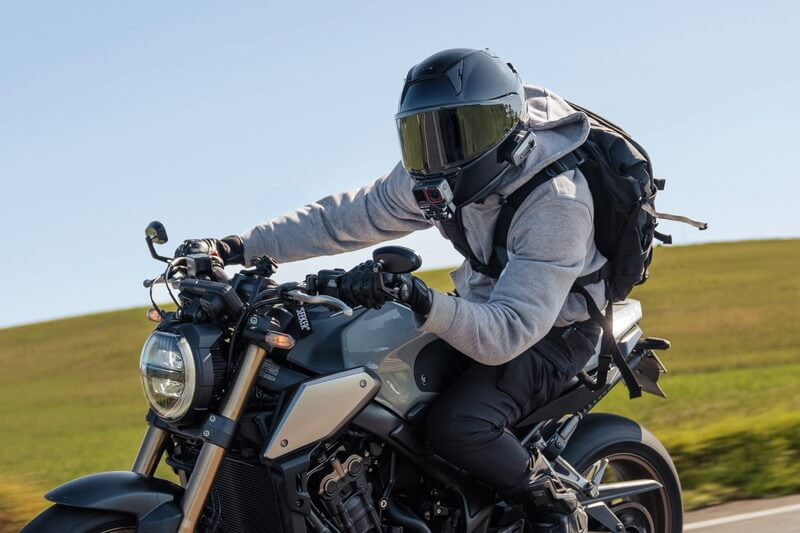
For sports scenes I would choose the Ace Pro 2 to record motorcycle riding, skiing and road cycling.
Ace Pro 2 vs.
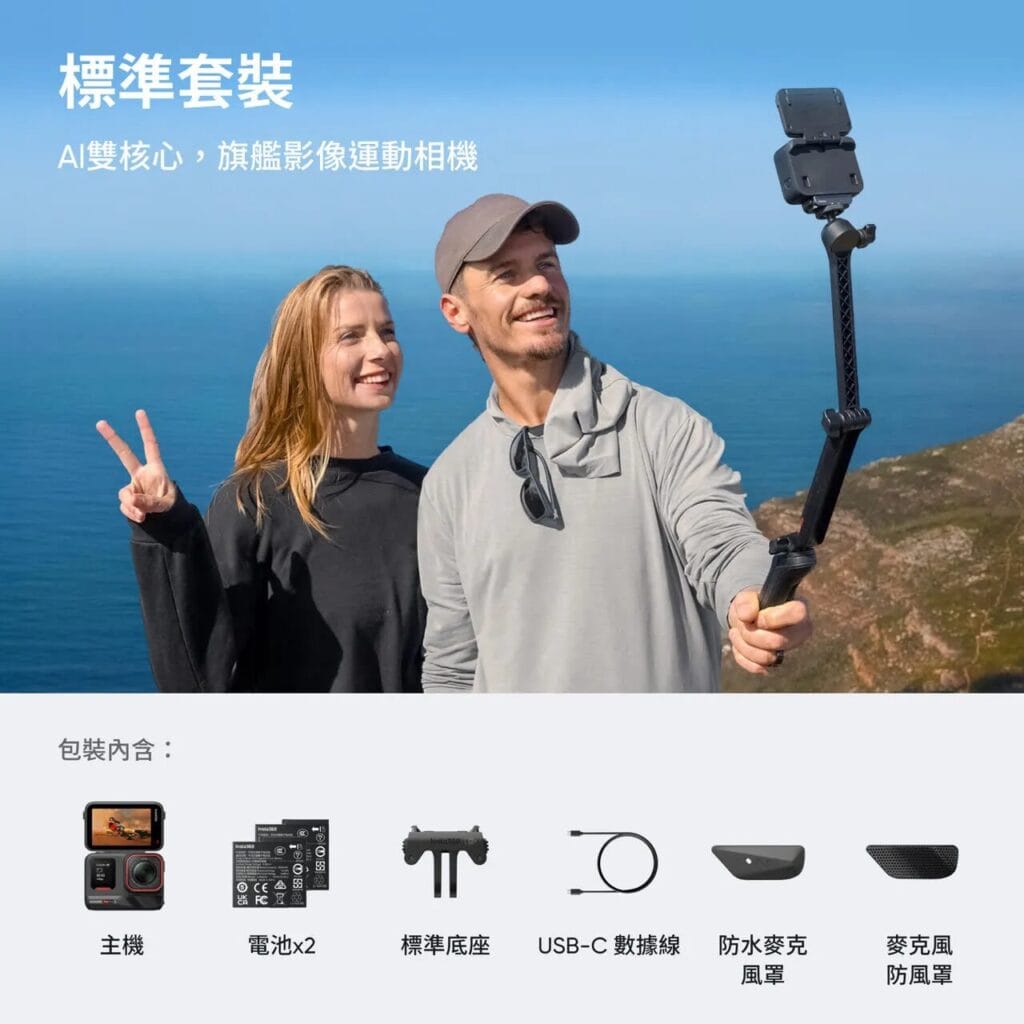
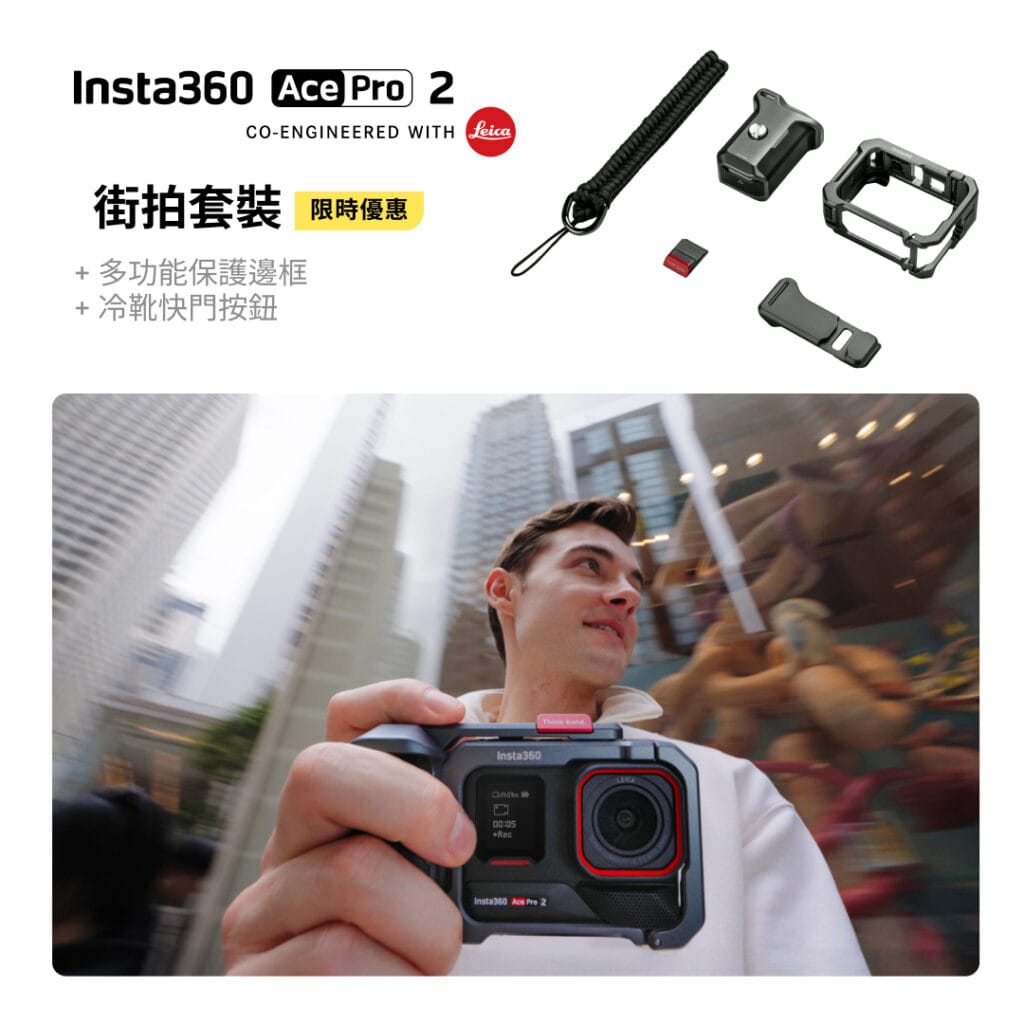
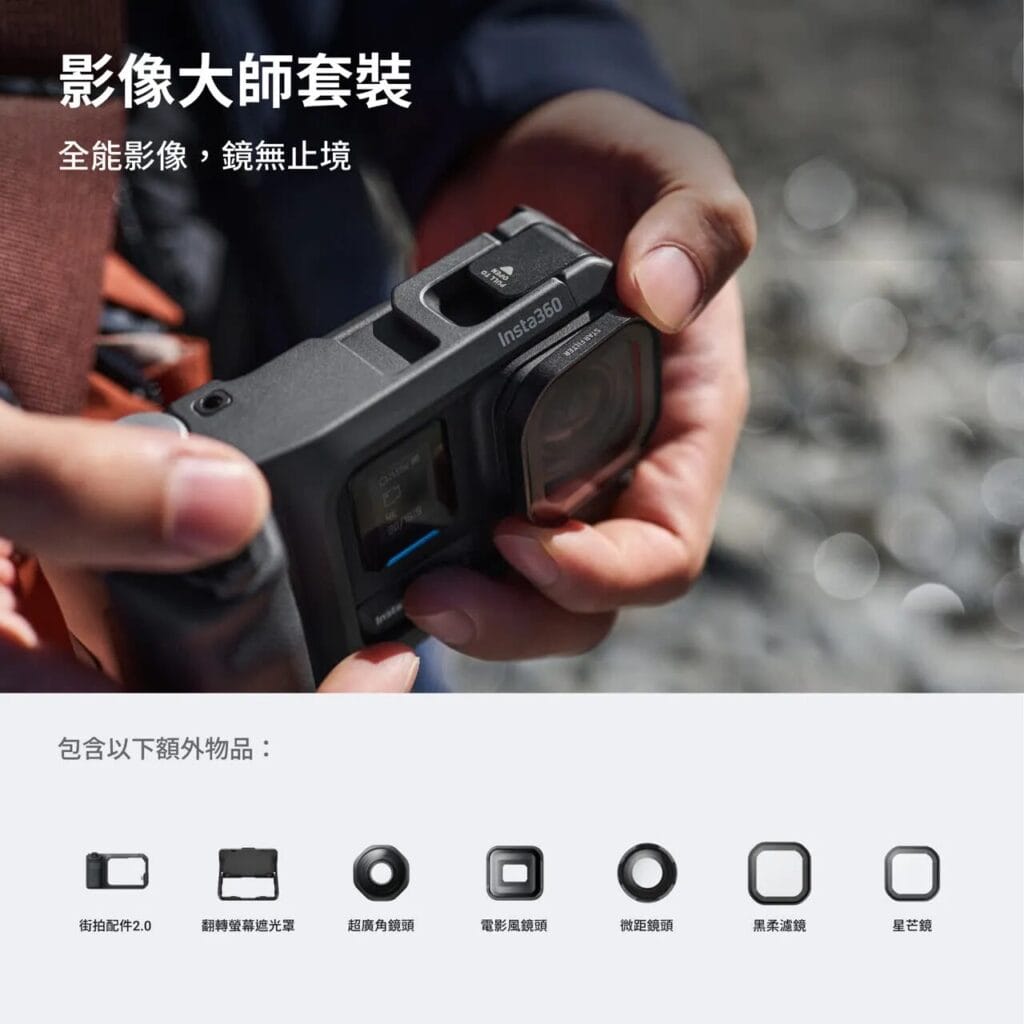
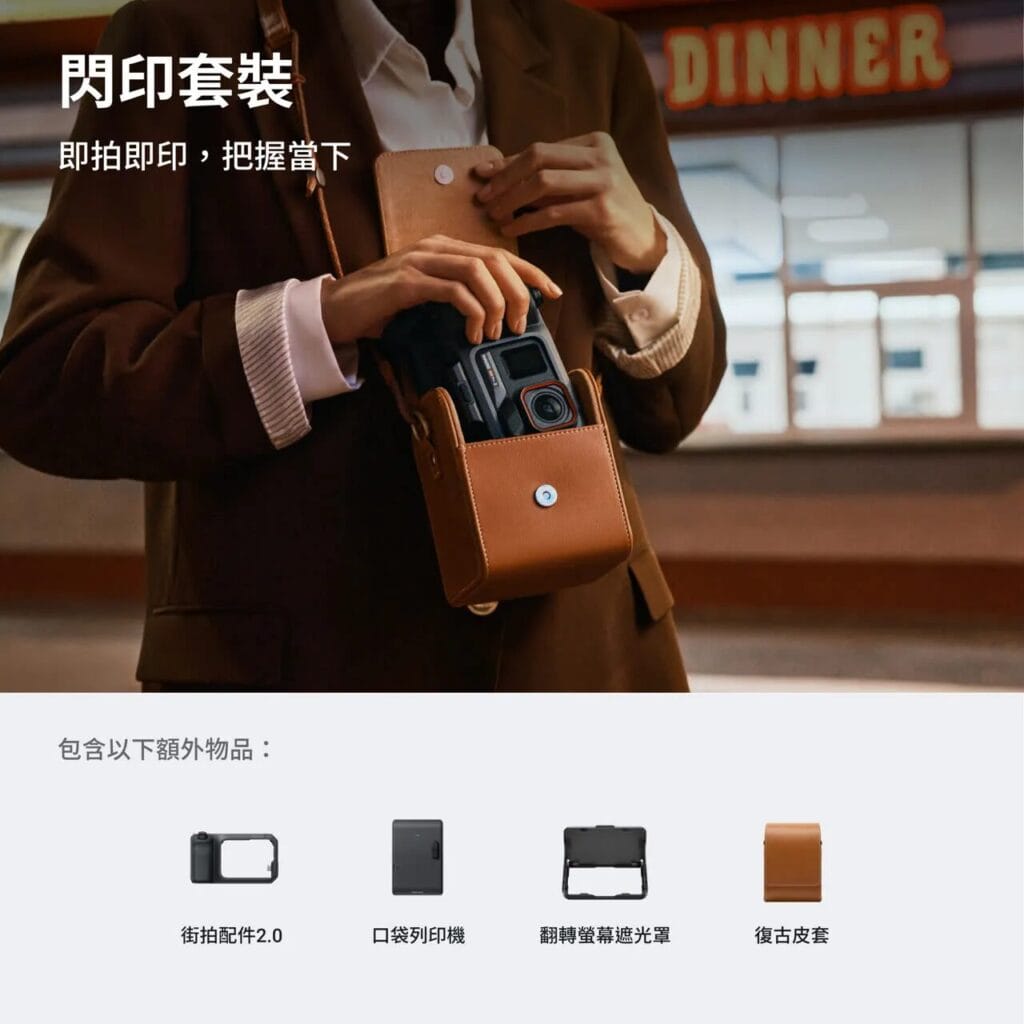
Insta360 Ace Pro 2 currently has 9 popular packages, including 4 main scenes: "Street Photography", "Diving", "Skiing", and "Cycling".
While the Ace Pro and Ace Pro 2 kits are largely the same, the Ace Pro 2 offers three additional kits specifically designed for street photography: the " Street Photography Kit ," which transforms an action camera into a street photography marvel; the " Image Master Kit ," which includes four external lenses; and the " Snapshot Kit ," which features instant camera functionality. This essentially turns an action camera into a digital camera, an instant camera, and a macro camera, allowing you to capture great shots from any angle.
What packages are available for Ace Pro 2 ?

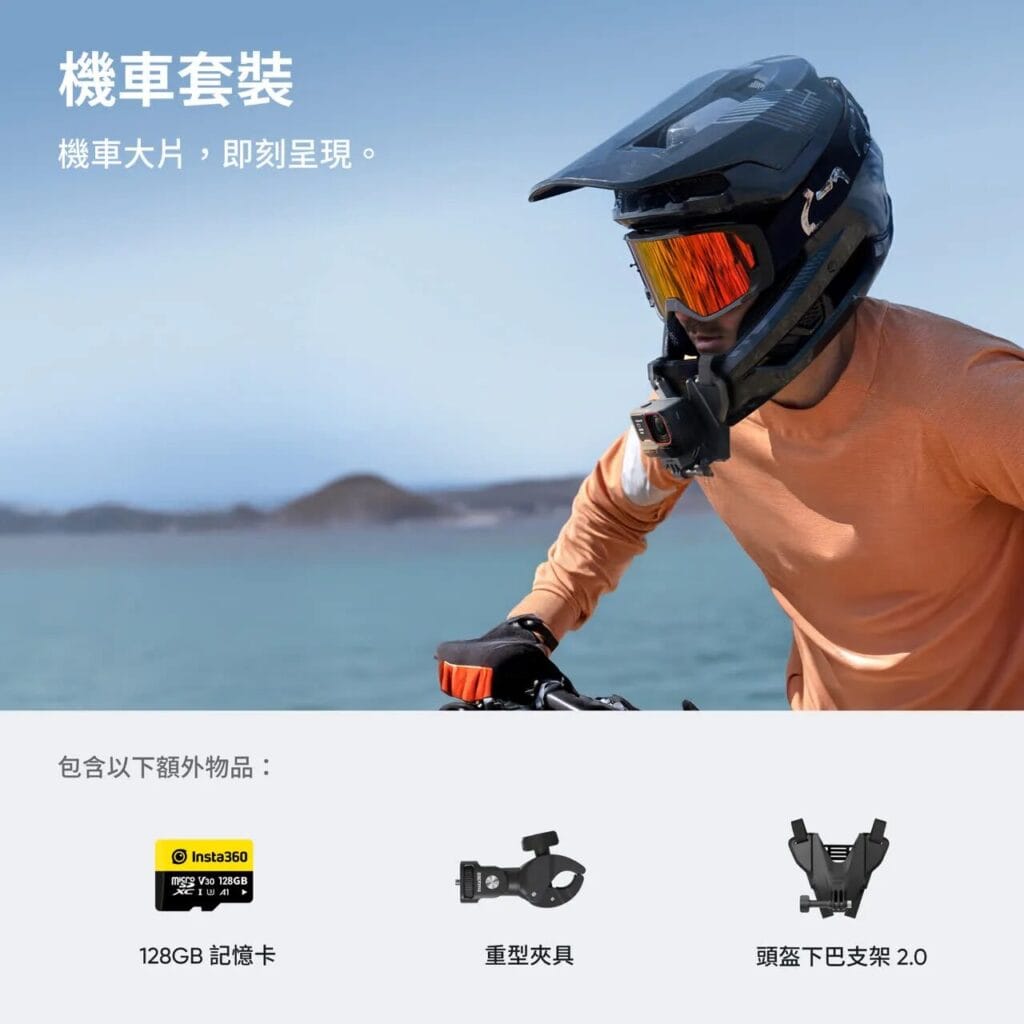
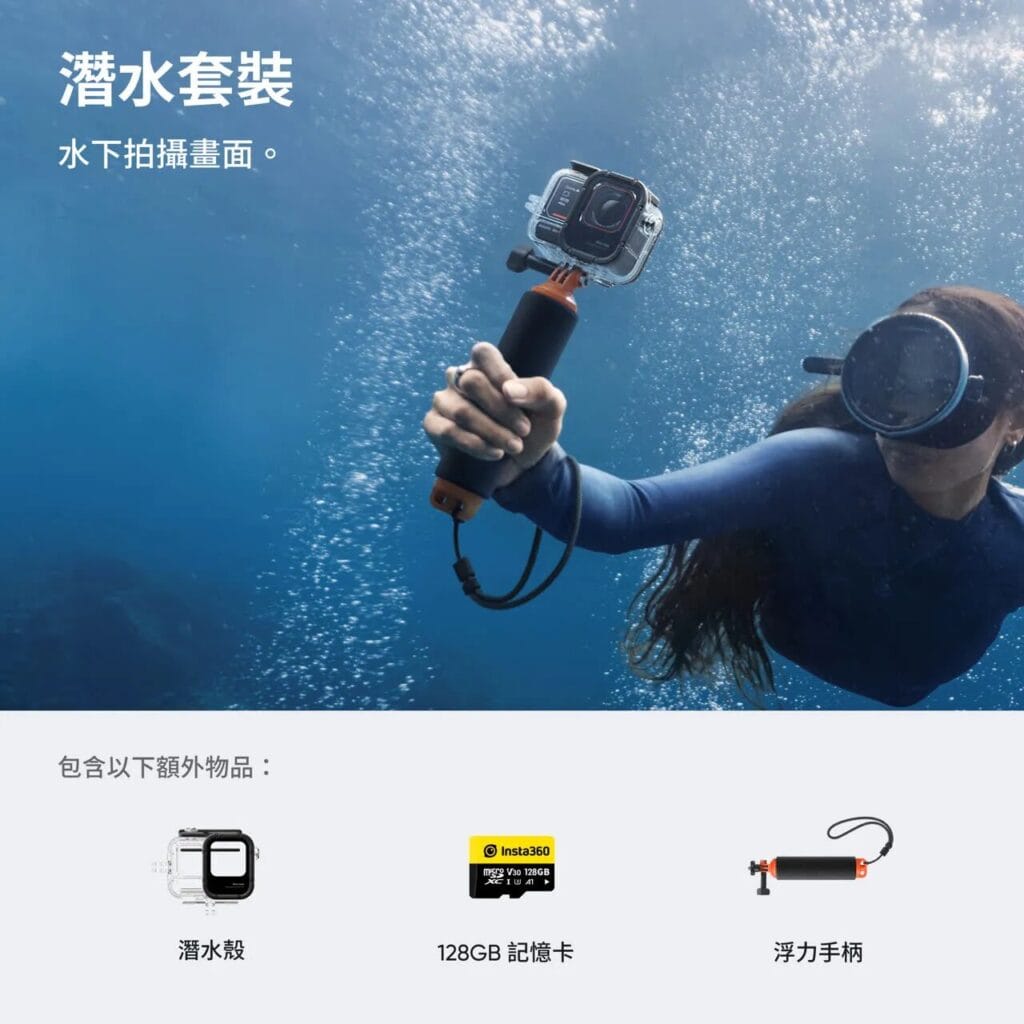
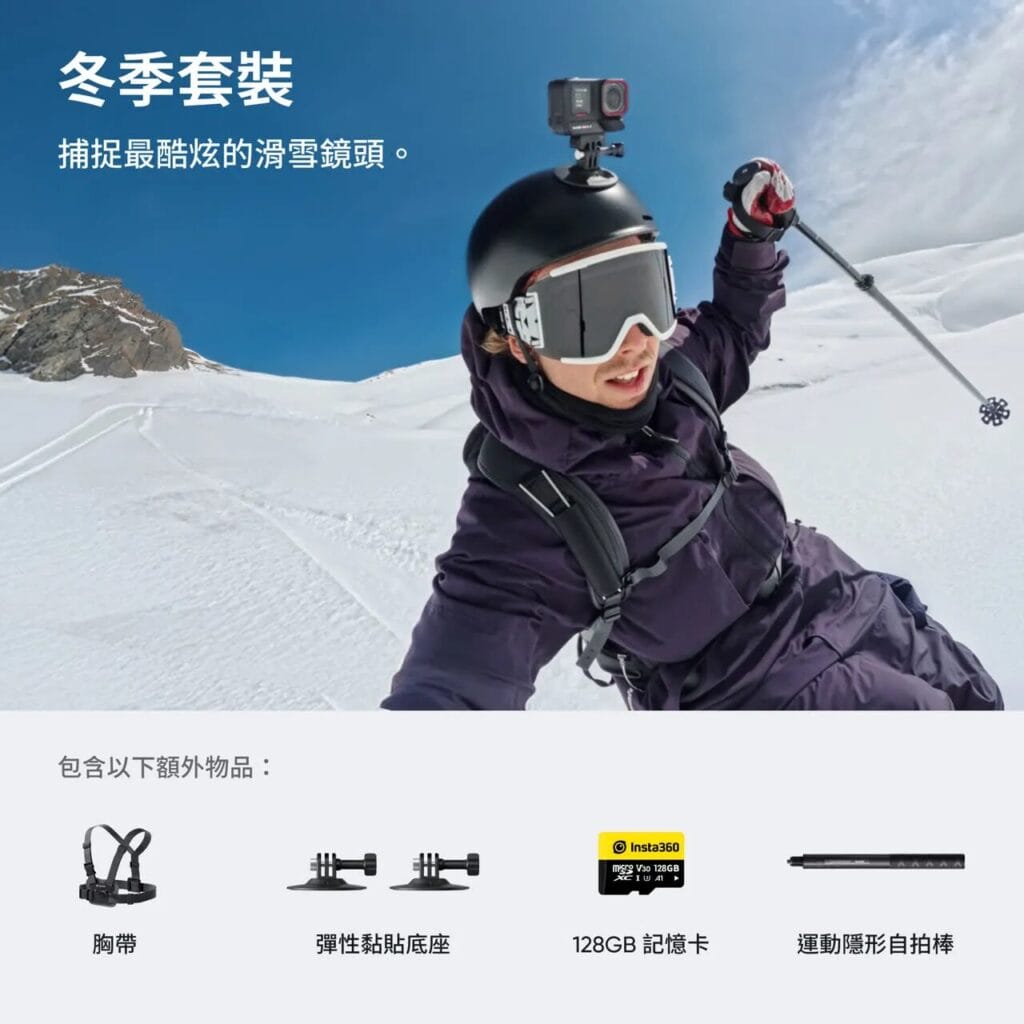
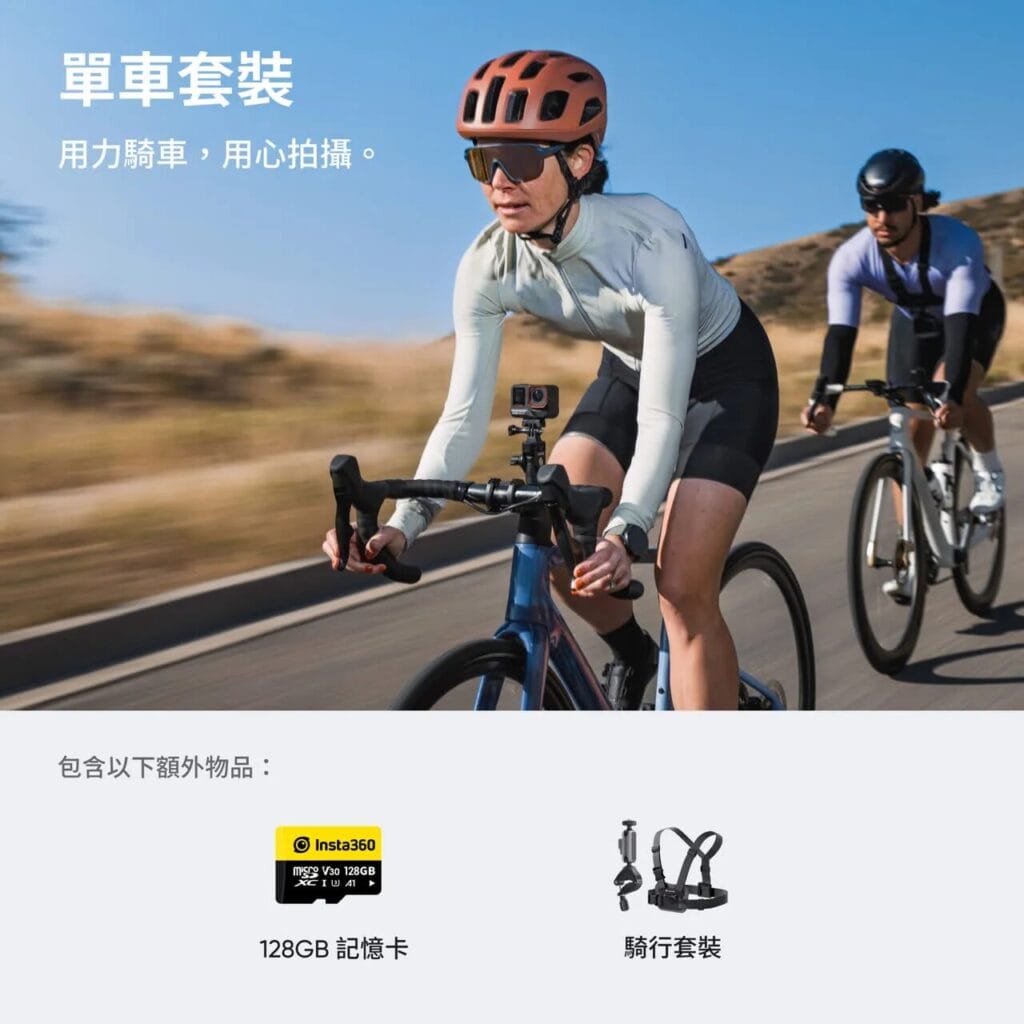
Other differences
Insta360's sports camera will always have several shooting modes to choose from.
Vehicle Logger Mode
Ace Pro 2 supports Car Logger Mode and Power Save Mode.
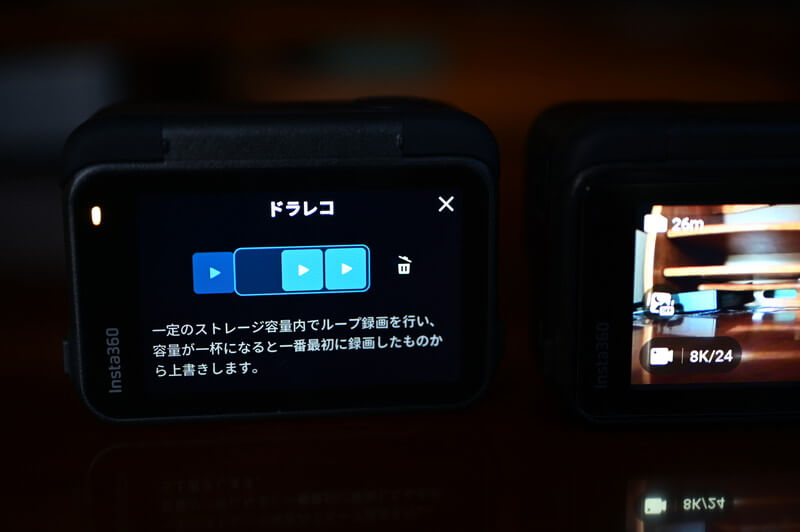
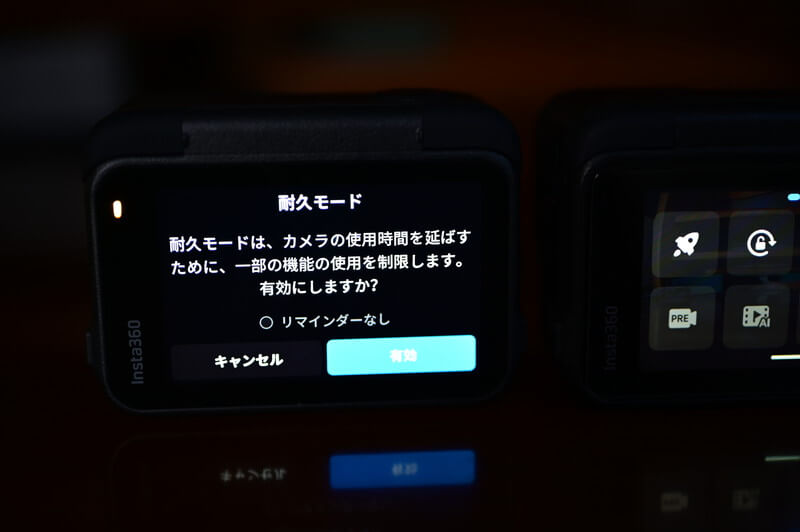
There is also a new underwater mode but I haven't used it yet.
I used Ace Pro underwater this summer, and Okinawa divers also praised Ace Pro's color performance underwater. I hope to bring you a review next time!
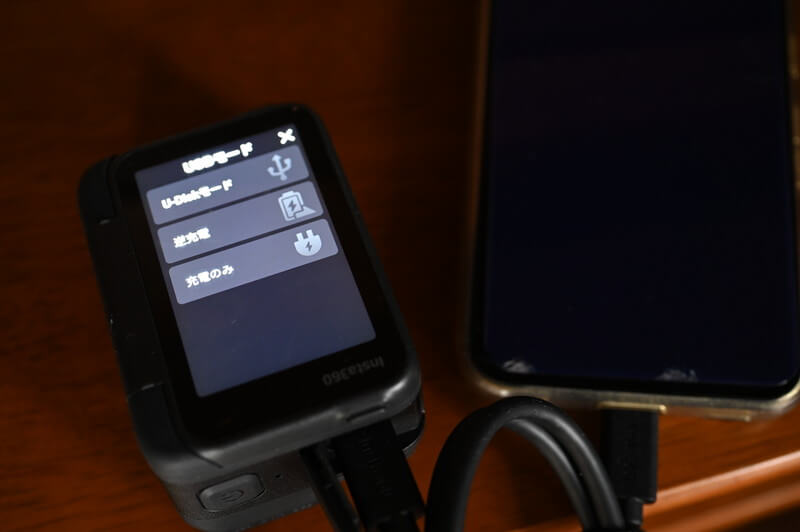
Use the Type-C to C cable to connect to your phone and reverse charge Ace Pro 2 and your cell phone. Because Ace Pro 2 is equipped with 1800mAh mobile power, it can be used as an emergency cell phone charger.
Save Video Archive
Compared to the Ace Pro, the Ace Pro 2 reduces the size of the movie file by half. This is a great upgrade for people who shoot for long periods of time, such as motorcycle riding.
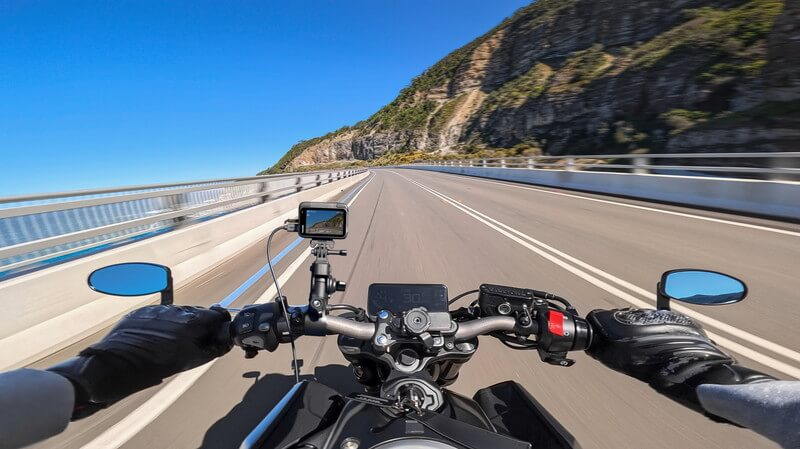
Insta360 Ace Pro 3 Release Date
In terms of historical release dates, the Ace Pro was released on November 21, 2023, and the Ace Pro 2 was launched on October 22, 2024, almost maintaining the rhythm of one year to one and a half years of updates.Insta360 founder JK has already stated in an interview that the Ace Pro 3 will not be updated within 2025, so there is no hope for the Insta360 Ace Pro 3 to be released until the first quarter of 2026 at the earliest. So the Insta360 Ace Pro 3 will not be available until the first quarter of 2026 at the earliest.
In 2025, there will still be a duel between Insta360 Ace Pro 2, DJI Osmo Action 5 and GoPro HERO 13. In summary, it is likely that the three brands will receive a new round of updates in the first or second quarter of 2026.
My personal guess is that Ace Pro 3 will be available in January~March 2026 at the earliest.
Price-wise, the Ace Pro and Ace Pro 2 are close to the first launch price, so the Insta360 Ace Pro 3 will likely continue at the same price point (NTD$15,000 / HKD $3,000 USD / $400ish).
In terms of design, previous generations of sports cameras have always emphasized the compatibility of accessories and batteries, so it's not hard to guess that the Ace Pro 3 will still retain the flip-screen design; as for the front screen, it's possible that more shooting settings will be added to the display, which will bring a more convenient operating experience.
Conclusion
Above is the detailed comparison between Insta360 Ace Pro 2 and Ace Pro. The Ace Pro 2 is undoubtedly one of the most powerful sports cameras on the market today. While the Ace Pro 2 brings significant upgrades in all areas, the Ace Pro is still a great entry-level sports camera at a great price point - especially during promotional periods, when it's often heavily discounted and priced aggressively. In terms of overall price/performance ratio, the Ace Pro is still a great choice for those on a budget or who are new to sports cameras.
Use this link to get a free gift, while stocks last.