



Compared with the previous generation X4, Insta360 X5 shows a significant improvement in SD card writing efficiency. Tests reveal that under the same shooting settings, the X5 produces files that are about 20% smaller than those from the X4. This translates into longer recording times and less reliance on ultra-high-capacity cards. Drawing on my three years of hands-on experience with panoramic cameras, this review will focus on cost-effectiveness and practical convenience, providing a practical guide and recommendations for choosing the right SD card for the X5—helping you quickly pick the most suitable option while boosting both shooting efficiency and backup management.
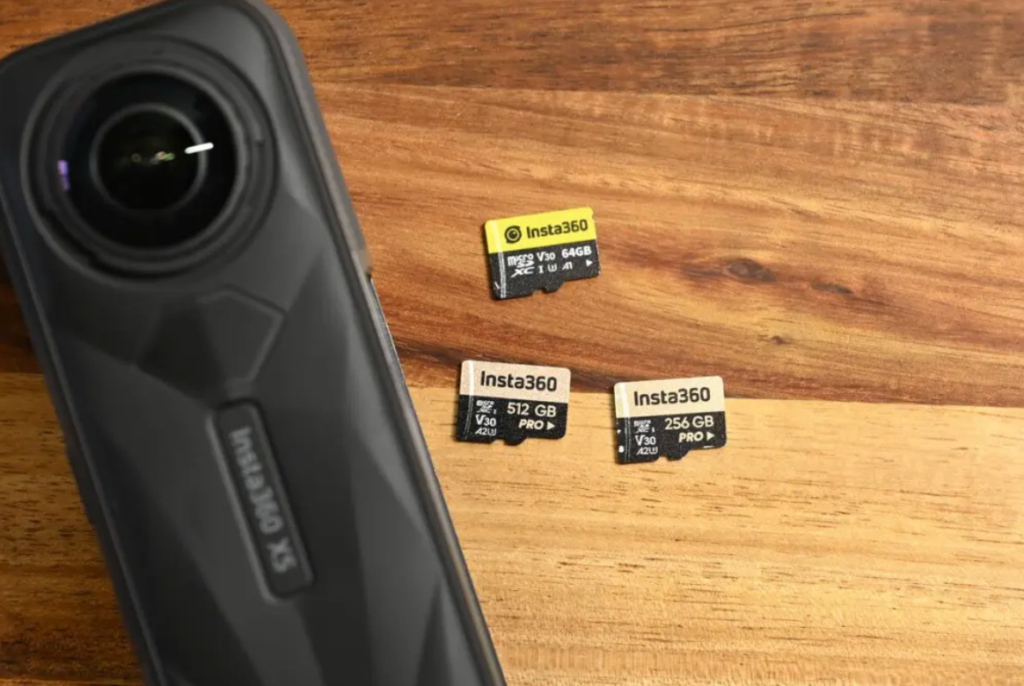
Use this link to get a free gift, while stocks last.
- What capacity memory cards are supported on the Insta360 X5?
- 64GB–512GB: Which capacity should you choose?
- What should I know when buying a microSD card? (Brand Recommendations for Insta360 Cameras)
- Why shouldn’t you use a cheap microSD card for your Insta360 camera?
First of all, here are three key points you need to know before purchasing an SD card for the Insta360 X5:
- What capacity memory cards can be used on the Insta360 X5?
- What’s the difference in recording capacity between the Insta360 X5 and X4?
- Do you need to subscribe to Insta360+?
Best SD Memory Card Capacity for Insta360 X5
First, let's look at the capacity of the SD memory card that the Insta360 X5 is compatible with.
First, convey the conclusion., My personal recommendation for the X5 is to use SanDisk's "Extreme" series SD memory cards or those sold on the Insta360 website.SD CardsTheNote that SanDisk Sandisk's entry series is "Ultra" not "Extreme".
The main difference between the Extreame and Ultra series is the difference in read and write speeds, according to Insta360 officials. Memory cards compatible with X5 should have read/write speeds of "V30" or "U3" or higher, making them more suitable for Sandisk "Extreme" series memory cards.
Recommended: UHS-I microSD cards with a V30 speed class or higher, formatted in exFAT (FAT64), with a maximum storage capacity of up to 1TB.
X5 Official Service and Support
Sandisk's "Ultra" series memory cards are relatively inexpensive, and many people consider buying this series. However, it should be noted that the specifications of this series of memory cards are below the standard requirements. When used for shooting panoramic videos, it cannot be guaranteed that the data can be written stably and normally, and there is a risk of data loss or recording interruption.
Some reviews recommend using V30 or higher–speed memory cards for shooting 4K video, and V90 or above for shooting 8K. However, considering that the Insta360 X5 features an automatic video compression function that significantly reduces file size, using a V30 or higher–rated memory card is already sufficient for real-world shooting needs.
- Speed Class: V30 and above
- Transmission Speed: UHS-I
- Maximum storage capacity: 1TB
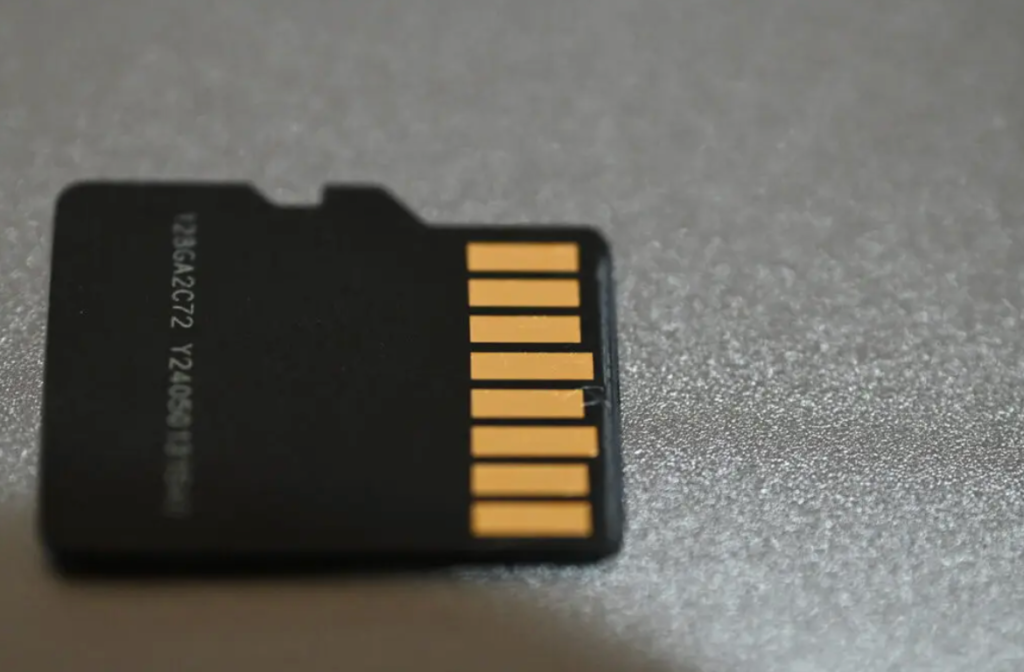
Please note that UHS-II cards are not compatible with Insta360 X5 .
Differences between Insta360 X5 and X4 in terms of Video Reading and Writing
One significant improvement in the X5 deserves special mention. The new generation X5 features a built-in video slimming function, offering approximately 20% more storage capacity compared to the X4, even at 8K resolution. Because of the smaller video size, the bitrate is also reduced, which not only decreases storage space usage but also significantly improves the smoothness and efficiency of post-editing.
| X5 | X4 | |
|---|---|---|
| 1-Minute Video File Size | 1.2GB | 1.5GB |
| bitrate | 120Mbps | 150Mbps |
| 30-Minute Video File Size | 28.4GB | 34.4GB |
When shooting 30 minutes of 8K video under the same conditions, a comparison revealed that the video size shot by the X4 was 1.21 times that of the X5 .
Filming with the X5 not only significantly saves storage space but also boosts video transmission and editing efficiency. I believe this represents a highly commendable technological breakthrough, offering great assistance to creators who pursue both high image quality and high efficiency.
Subscribe to Insta360+
Insta360+ offers cloud storage ranging from 200GB to 2TB . Whether or not to subscribe to a paid cloud plan can be considered before purchasing a device . Even 200GB of cloud storage can reduce the need for SD memory card capacity to some extent, thus saving the cost of purchasing a larger capacity memory card.
Compared to 64GB or 128GB, my personal recommendation is that a 256GB SD memory card would be more suitable for the X5 for short-term travel recording of 2 to 3 days . Even if you need cloud storage subscriptions, I would still recommend getting a 256GB SD memory card to balance storage space and usage flexibility.
How to Choose Between 64GB, 128GB, 256GB, and 512GB?
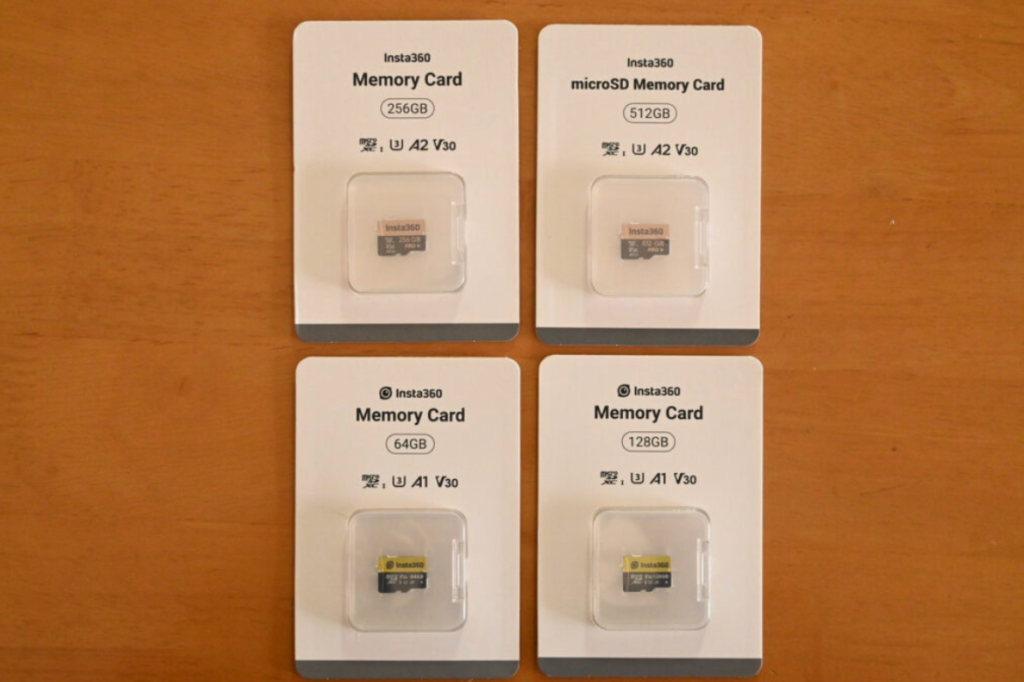
The X5 supports memory cards ranging from 64GB to 512GB. Below is a table summarizing the recording time for each SD card capacity for your reference. If you shoot occasionally and primarily create short videos, 64GB to 128GB is sufficient for everyday use. However, if you often engage in high-resolution, long-duration recording (such as 5.7K panoramic videos, dashcam footage, or travel vlogs), it is recommended to choose 256GB or 512GB cards to effectively avoid frequent card changes or interrupted shooting.
| 64GB | 128GB | 256GB | 512GB | |
|---|---|---|---|---|
| Price | Stop selling | NTD $839 HKD $199 USD $24.99 | NTD $1,059 HKD $239 USD $29.99 | NTD $1,879 USD $54.99 USD $54.99 |
| 8K30fps (5.7K60fps) | 61m | 2h03m | 4h07m | 8h27m |
| 5.7K + 30fps | 1h29m | 3h00m | 6h00m | 12h18m |
| 5.7K30fps | 1h41m | 3h22m | 6h46m | 13h53m |
| 4K60fps (single lens mode) | 2h03m | 4h07m | 8h15m | 16h55m |
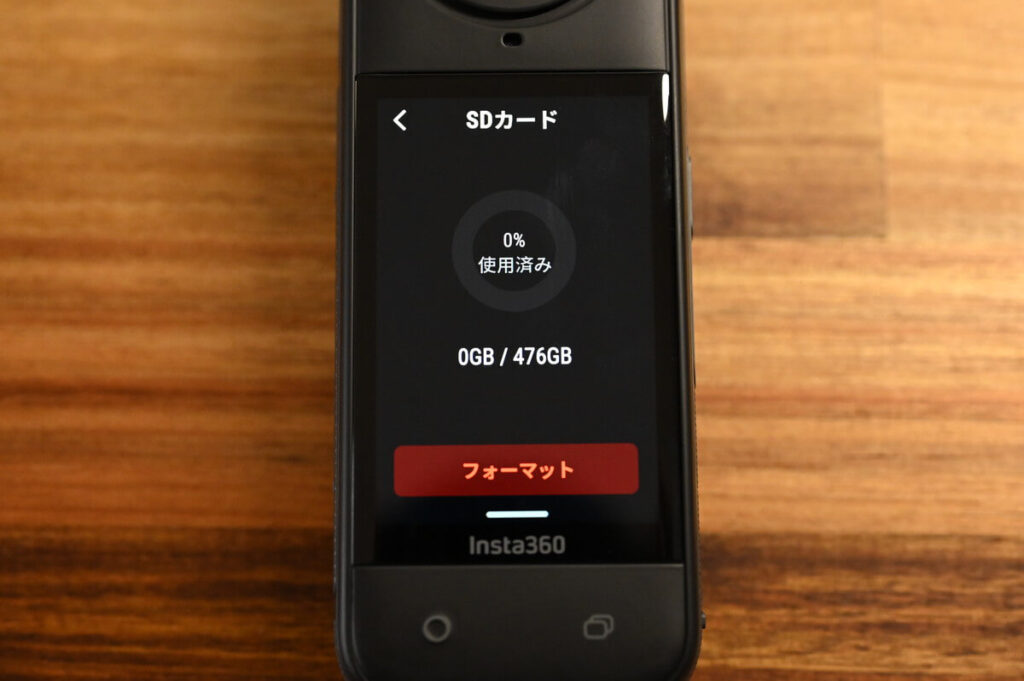
One thing to keep in mind is that the actual usable capacity of a standard SD card is typically about 10% less than its stated size, meaning you can only use roughly 90% of the advertised space. This is a normal characteristic of SD cards, not a software error, so there’s no need to worry.
Next, I will evaluate the recording time of SD memory cards with different capacities based on different shooting resolutions.
8K 30fps Recording
| Battery Life | 64GB | 128GB | 256GB | 512GB | |
|---|---|---|---|---|---|
| X5 (8K30fps) | 1 hour 25 minutes | 61m | 2h03m | 4h07m | 8h27m |
| X4 (8K30fps) | 1 hour 15 minutes | 50m | 1h40m | 3h20m | 6h51m |
Let’s first look at the performance at maximum quality 8K 30fps. With its built-in 2400mAh battery, the X5 can record continuously for 1 hour and 25 minutes under this setting. For easy comparison, I’ve also included the X4 data as a reference. Thanks to the X5’s successful video compression in 8K mode, recording time under the same conditions is longer than the X4, offering improvements in both battery life and storage efficiency.
64GB microSD card
| X5 Battery Life | 64GB microSD memory card for video storage capacity | |
|---|---|---|
| X5 (8K30fps) | 1 hour 25 minutes | 61 minutes. |
64GB SD Card: Not enough for a full battery cycle; not recommended even for Insta360+ subscribers.
128GB SD Card: Good for casual shooting and short trips; may need occasional swaps for 8K recording.
256GB SD Card: Ideal for 2–3 day trips or high-resolution 8K/5.7K videos; balances storage and flexibility.
512GB SD Card: Best for professional or long-duration shoots; ensures uninterrupted recording and maximum storage efficiency.
128GB microSD card
| X5 Battery Life | 128GB microSD memory card for video storage capacity | |
|---|---|---|
| X5 (8K 30fps) | 1 hour 25 minutes | 2 hours and 3 minutes |
Shooting with a 128GB card leaves about a quarter of the card space remaining when the X5 battery is depleted.
Although a 128GB memory card can theoretically store around 2 hours of footage, based on my actual experience, this capacity is only “just enough”. Especially since the Insta360 X5 supports fast charging and allows the optional purchase of the battery management accessory, battery life can be greatly extended, enabling you to shoot longer and more frequently.
If you’re shooting during a 2–3 day trip, a 128GB card can quickly fill up, requiring frequent file management, deletion, or backups. This not only becomes cumbersome but may also cause you to miss capturing moments in real time. Therefore, if you plan for long-duration shooting or multi-day travel footage, it is recommended to go for a 256GB or larger memory card, allowing you to shoot with greater peace of mind and enjoyment.
256GB microSD card
| X5 Battery Life | 256GB microSD memory card capacity for video storage | |
|---|---|---|
| X5 (8K 30fps) | 1 hour 25 minutes | 4 hours, 7 minutes. |
The capacity difference between 128GB and 256GB is double, yet the price difference is minimal. A 256GB memory card holds roughly the equivalent of three full charges of the X5, providing a relatively ample capacity that can meet most filming needs.
It’s worth mentioning that the Insta360 X5 Standard Bundle and All-in-One Bundle come with a 256GB SD card. This indicates that Insta360 officially recommends this capacity. Whether considering storage size or cost-effectiveness, a 256GB microSD card is my top recommendation.
512GB microSD card
| X5 Battery Life | 512GB microSD memory card capacity for video storage | |
|---|---|---|
| X5 (8K 30fps) | 1 time 25 minutes | 8 hours and 27 minutes. |
Using a 512GB memory card allows you to record over 8 hours even at 8K resolution. With this capacity, the card won’t fill up easily regardless of how much you shoot. However, considering its high price of NT$1,879 and frequent stock shortages on the Insta360 official store, I personally still recommend a 256GB memory card.
For those who do not subscribe to the Insta360+ cloud service and need to transfer large amounts of footage at once, a 512GB card is a solid choice.
5.7K + 30fps video Recording
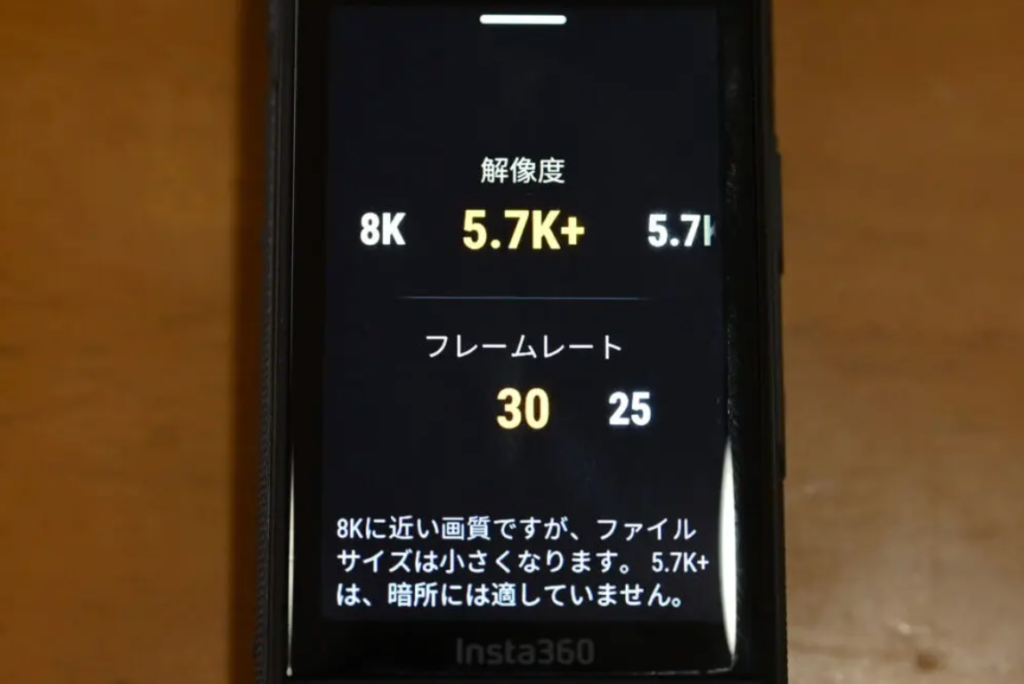
| 64GB | 128GB | 256GB | 512GB | |
|---|---|---|---|---|
| 5.7K+ | 1h 29m | 3h 00m | 6h 00m | 12h 18m |
The X5’s 5.7K+ mode delivers image quality that is nearly on par with 8K, while offering much more efficient data compression. For me, 5.7K+ is a highly practical setting. If you don’t use 8K often and primarily shoot in this mode, a 128GB memory card would be an ideal choice. However, considering the excellent price-to-performance ratio of 256GB cards, it’s still a bit tempting to upgrade…
Thoughts on using the Insta360 X4 memory card
When using the X4, a 512GB memory card was more than enough to support my shooting for an entire year. My main use was recording clips of cycling or travel vlogs, with each shooting session lasting anywhere from a few seconds to a few minutes. When filming skiing videos or cycling, the longest single clip I ever shot was 10 minutes.


I have been using 360 cameras since the Insta360 X3 and ONE RS, continuously capturing daily moments for over four years. I’m very familiar with selfie stick positioning and the operational logic of 360 cameras, and I can clearly anticipate the final shot’s outcome. As a result, in most cases, I only need a few seconds to a few minutes to complete a recording.

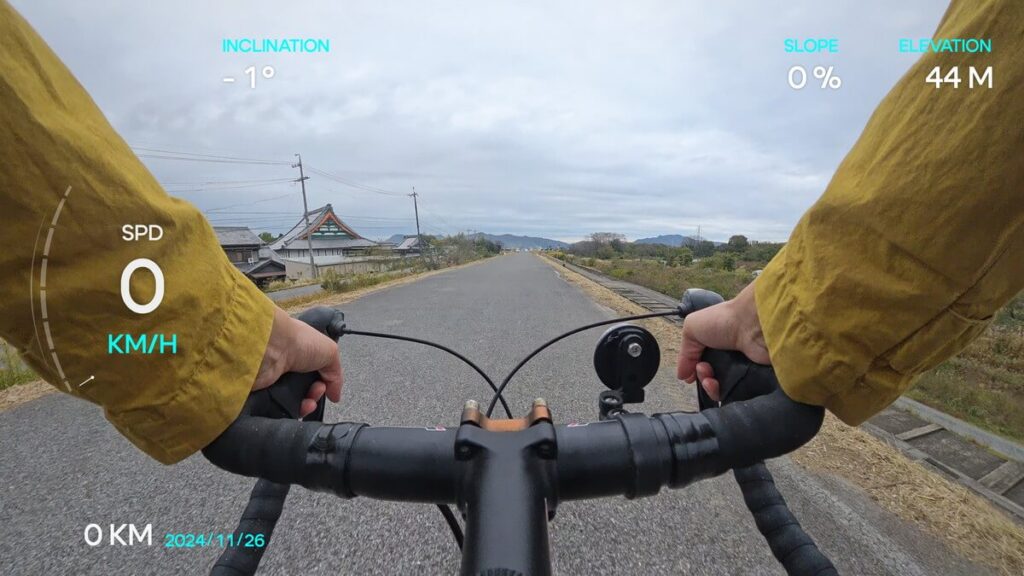
Even for long-duration recording—such as during activities like skiing or cycling—I generally record for about 10 minutes. However, when recording while riding a motorcycle, the duration is usually more than 10 minutes. I have created a complete four-season video covering from spring 2024 to spring 2025. This video is shot with the X4 and includes various clips as mentioned above.
By efficiently shooting and deleting footage, I managed to compress a full year of recordings onto a 512GB SD card. For those who don’t regularly clear their SD cards, I highly recommend subscribing to the Insta360+ cloud service.
Whether on a PC or a mobile device, you can easily access your video files. More importantly, this helps prevent footage on the SD card from becoming disorganized. By consolidating a whole year’s worth of footage for post-production editing, you can significantly improve editing efficiency and enhance the overall 360 camera experience.
Even if you don’t subscribe to the cloud service, as long as your data is saved on a PC or SSD, you can still edit it using desktop software. However, performing these tasks on a smartphone is more difficult.
How to Install SD Memory Card on X5
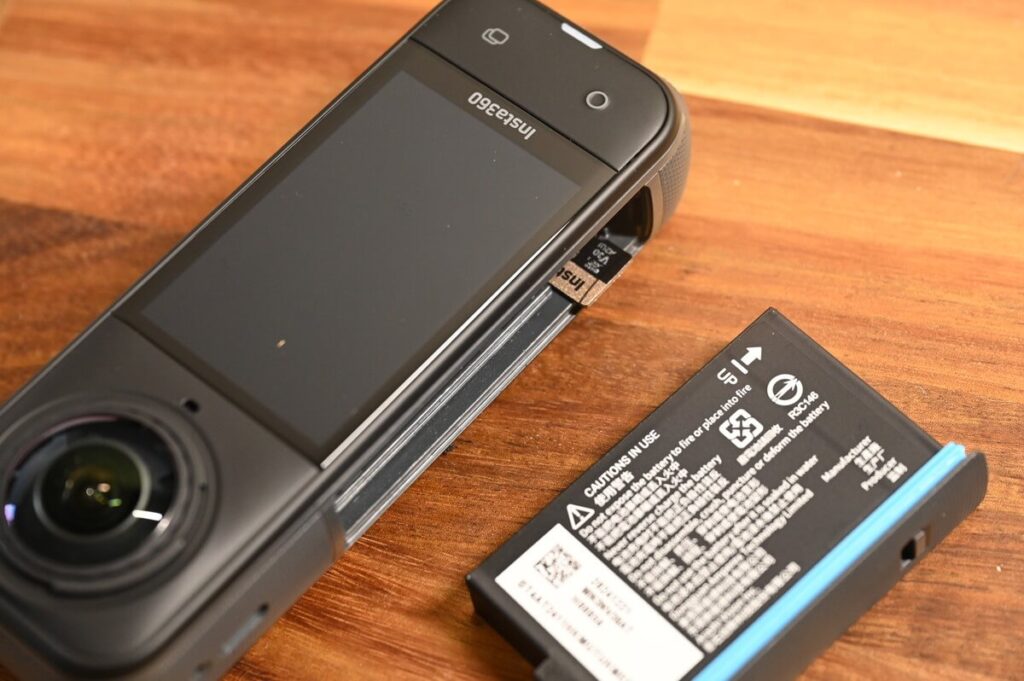
After removing the X5’s battery, insert the SD card until it clicks. To remove it, just press it again and it will pop out automatically.
microSD Memory Card FAQs
128GB or 256GB – which one should you choose?
If you’re shooting 4K videos every day while traveling, a 256GB card is recommended. However, for daily vlogging or shooting only a few tens of minutes per day, 128GB is more than sufficient.
How many microSD cards should you prepare?
It’s recommended to carry at least two. To safeguard against running out of storage or potential card damage during shooting, having one primary card plus one or more backup cards provides greater peace of mind.
What’s the difference between V30 and U3?
In terms of performance, both guarantee a minimum write speed of 30MB/s, so the actual user experience is essentially the same.
The difference in labeling comes from the standards organization: V30 belongs to the “Video Speed Class” category, while U3 falls under the “UHS Speed Class” classification.
Does the actual usable capacity of an SD card differ?
*Since an SD card not only stores your footage but also reserves some space for recording cache—usually around 1–2GB—the actual usable capacity is typically less than the labeled capacity.
X5 Official Service and Support
The actual usable capacity of an SD card is usually less than its labeled capacity. In general, an SD card’s actual capacity is about 90% of the manufacturer’s stated size.
Do SD cards need to be formatted regularly?
An SD memory card is a storage medium that undergoes frequent data writing and deletion. Compared to hard drives (HDDs) or solid-state drives (SSDs), which are mainly used for long-term storage, SD cards are more prone to generating “residual” or “junk” data during continuous recording and deleting. This can affect read/write efficiency and overall stability. It’s recommended to format your SD card regularly to clear out storage space, maintain optimal performance, and ensure smooth recording and safe data storage.
If you continue to use the device in an un-cleaned state, it may put a burden on the SD card and even affect the recording performance. According to Insta360's official recommendations, the X5's SD card should be formatted regularly to extend the SD card's lifespan and maintain long-term stable operation.
It is recommended to regularly transfer your camera files to a smartphone or computer for backup, and then format the camera’s internal storage to avoid potential storage errors.
Are there fake microSD cards for the Insta360 X5
Although Insta360 officially recommends using their own memory cards or SanDisk cards, many other manufacturers offer inexpensive SD cards. Be aware that there are many counterfeit cards on the market. When purchasing, carefully check the printing on the card—authentic cards usually have bolder fonts. To completely avoid fake cards, buying SD cards through the official Insta360 channels is the safest option.
Conclusion
There is a fundamental difference in storage formats between 360° cameras and action cameras. It’s important to note that some inexpensive SD cards labeled as “compatible with Ace Pro 2” or “compatible with Insta360 action cameras” do not necessarily support 360° cameras like the X4 or X5.
Before purchasing, it’s highly recommended to carefully read the product details and confirm whether the memory card meets the storage requirements of your target device. After all, choosing the wrong SD card and failing to properly save important footage can mean missing out on precious memories—something truly regrettable 😭.
I personally once bought a cheap memory card by mistake, and during an overseas trip, one of my cards suddenly failed to store footage properly. When purchasing SD cards for the X5, be sure to choose either SanDisk or officially sold Insta360 memory cards.
Feel free to order through the official Insta360 store using the discount links on this site. The system will automatically include the corresponding gifts with your selected products—don’t miss out!
Use this link to get a free gift, while stocks last.
-
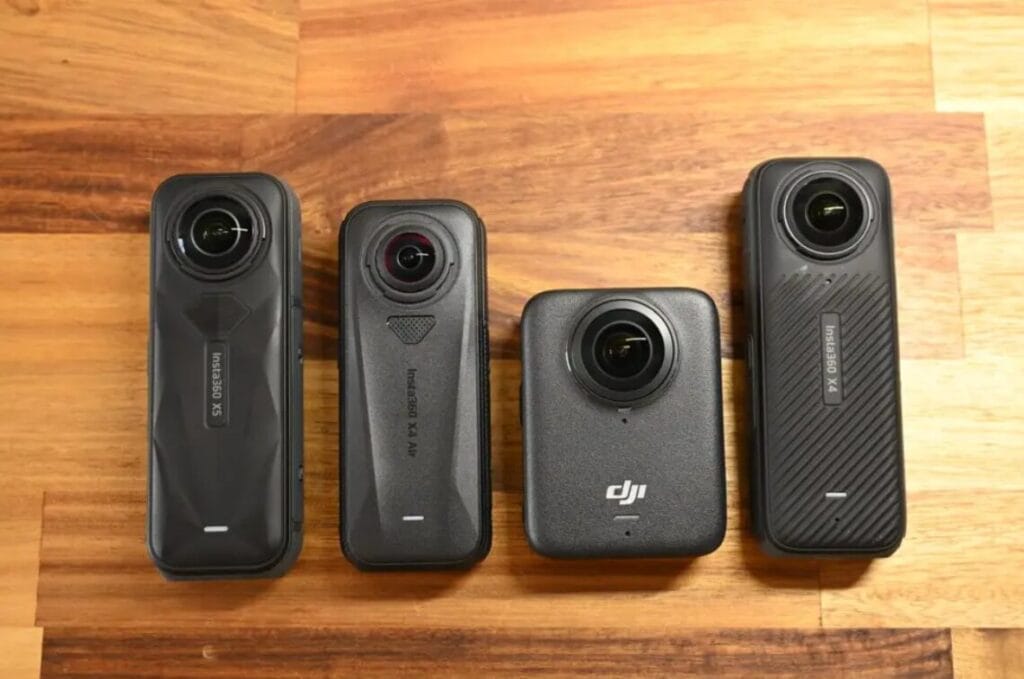
Real-World 360 Camera Test: X5 vs X4 Air vs DJI Osmo 360 (2026 Buying Guide)
-
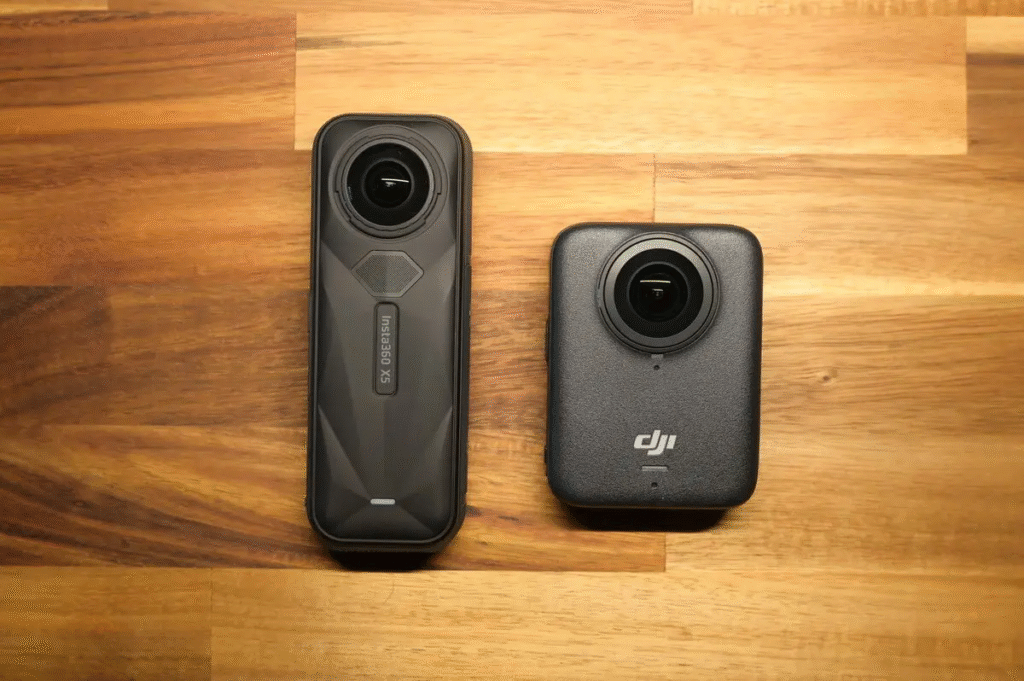
DJI Osmo 360 vs Insta360 X5 Comparison Review | Find the Best 360 Camera for You
-
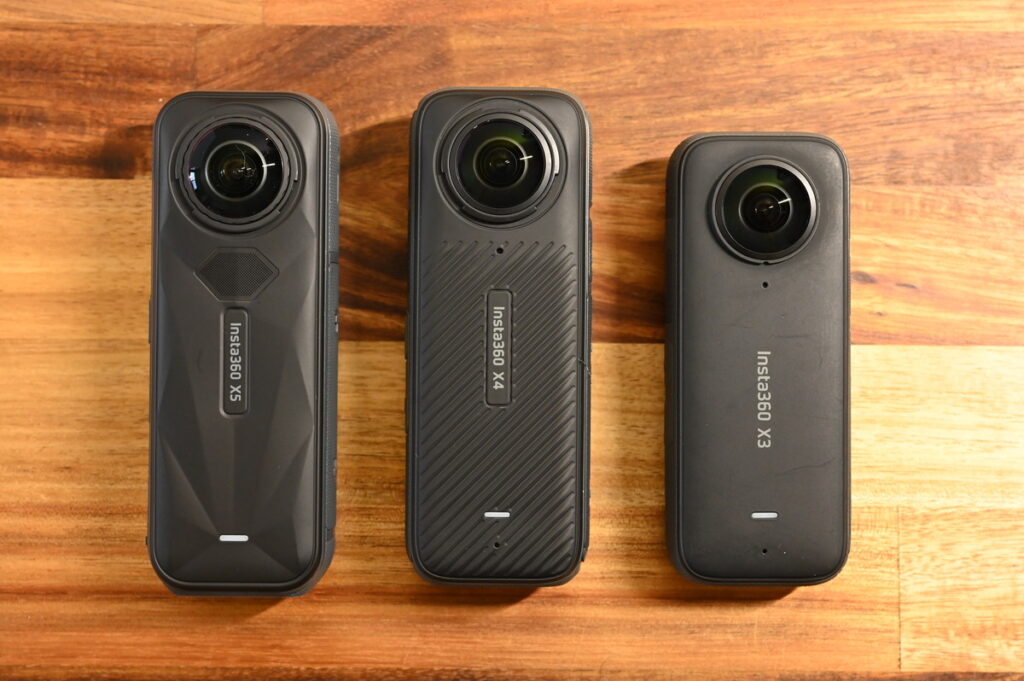
Insta360 X5 vs X4 vs X3: Complete Comparison Guide – Which 360 Camera Should You Buy?
-
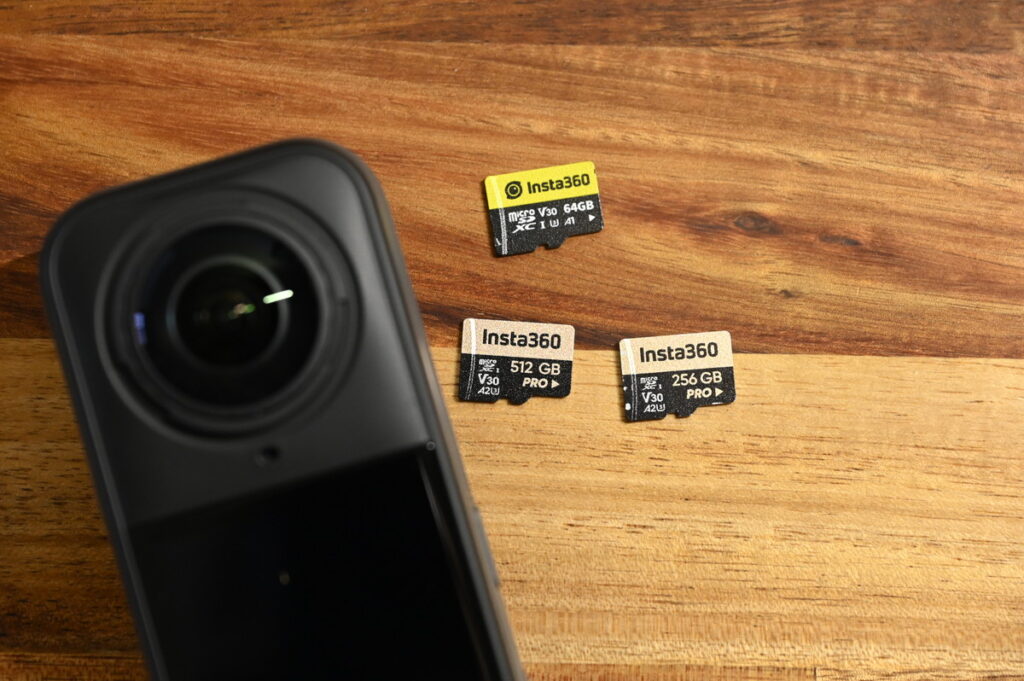
Best SD Cards for Insta360 X5: Capacity, Speed, and Top Brands & Models
-
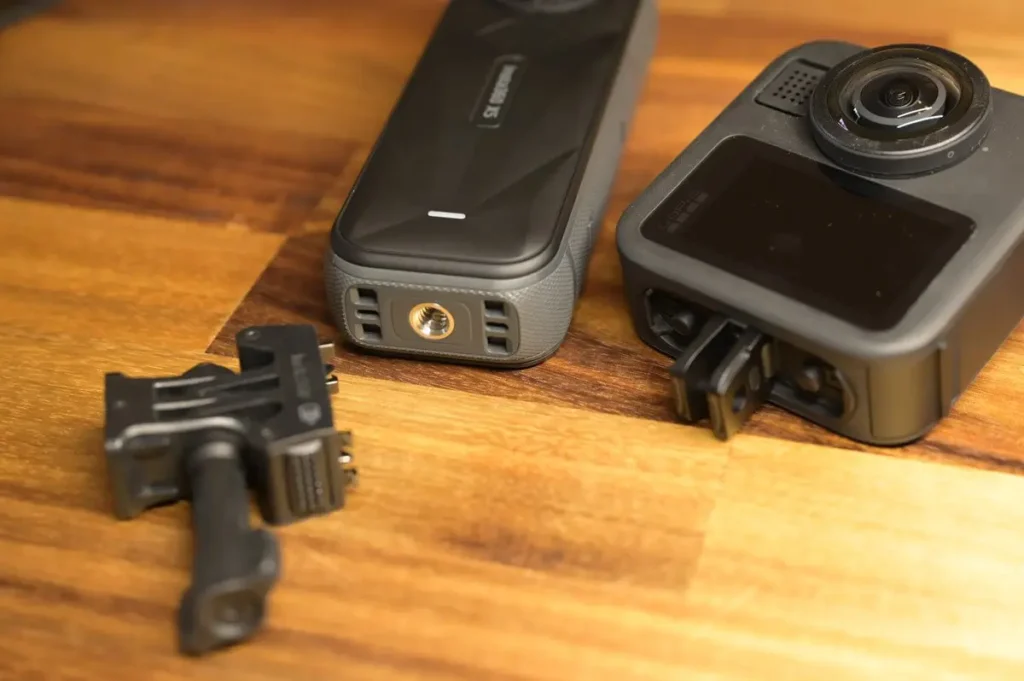
Top 20 Insta360 X5 Accessories: Essential Gear for 360° Shots
-

X5 Overheating? 7 Simple Ways to Cool Your Insta360 360° Camera + Temp-Control Handle Test