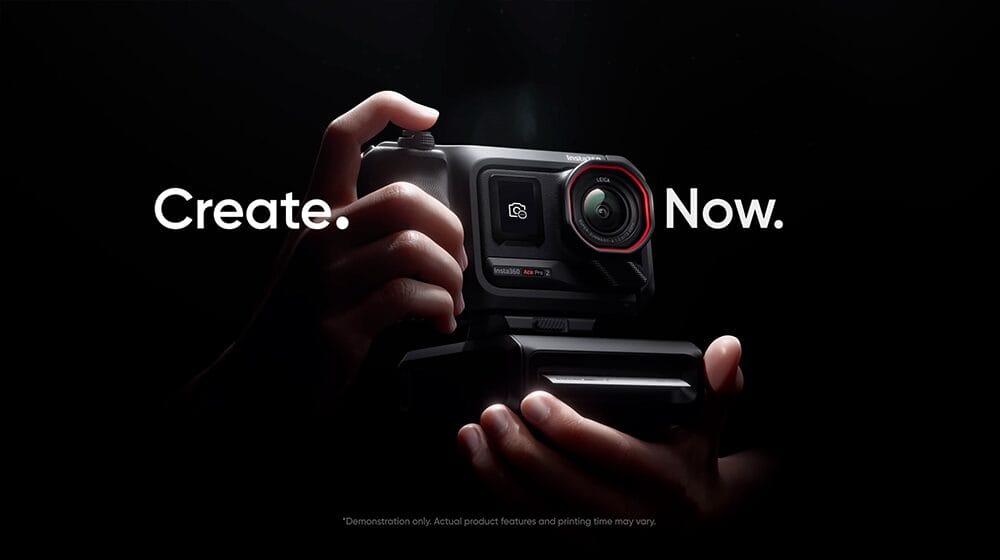



You may have stumbled upon this article because you're not very familiar with Insta360 and want to know which country this brand comes from. Now that you're here, we hope to introduce you to Insta360's brand story, founding background, technical philosophy, and the key differences between Insta360, DJI, and GoPro in the simplest way possible.
If you want to gain a deeper understanding of this brand, keep reading!
Why Do I Recommend Insta360?
A few years ago, Insta360's brand recognition was far less than that of GoPro and DJI, not because its products weren't good enough, but rather because its competitors had much stronger brand power. However, "unknown ≠ lack of ability." In fact, Insta360's ability to make action cameras had already surpassed GoPro's; it was just that insufficient exposure prevented it from being seen by the public.
I recommend Insta360 for several key reasons:
- The brand's development target is not GoPro, but century-old imaging brands like Sony and Fujifilm.
- Young and Dynamic
- Superior Product Quality
- Passionate, Story-Driven, and Ambitious — for me, it’s a company that grows more endearing the more you learn about it.
As someone who loves outdoor sports and is also into cameras, what I feel about Insta360’s products is a "passion for imaging" – it’s not just about shooting extreme sports, but about recording life in a "simpler way".
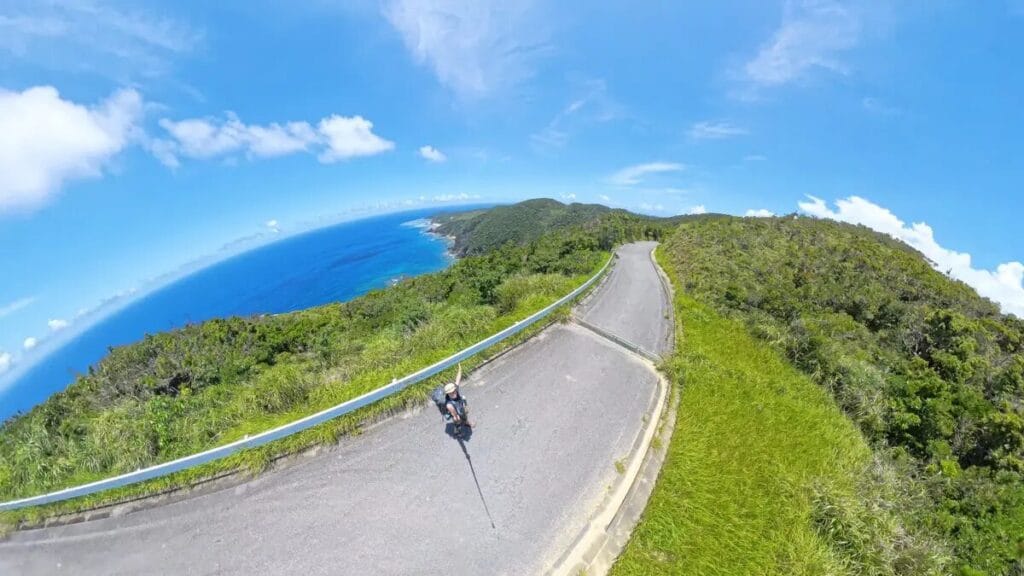
What Kind of Company is Insta360?
The Origin of Insta360: a Young Imaging Enterprise Founded in Shenzhen.
Insta360 is headquartered in Shenzhen, a city hailed as "China's Silicon Valley." Notably, this is also the birthplace of its competitor, DJI. While Insta360’s scale pales in comparison to DJI’s, its workforce has grown to 3,000 - 4,000 employees by 2025, and it now boasts R&D capabilities that enable it to compete with the world’s top manufacturers. With an average age of just 32, Shenzhen is a city brimming with vitality and innovation — and Insta360 is precisely a brand of this dynamic environment.
Founder: A Young CEO Born in 1991
Liu Jingkang (JK), the founder of Insta360, was born in 1991 and is almost the youngest CEO of a listed company on the Science and Technology Innovation Board in mainland China.
He is a typical entrepreneur who built his business from scratch:
- While still in college, he made headlines for cracking the phone numbers of celebrities.
- He once hacked into the university's academic administration system, accessing 7,000 student ID photos to analyze the "average facial features" across different departments, and even leaked exam answers.
- He started his business before graduation
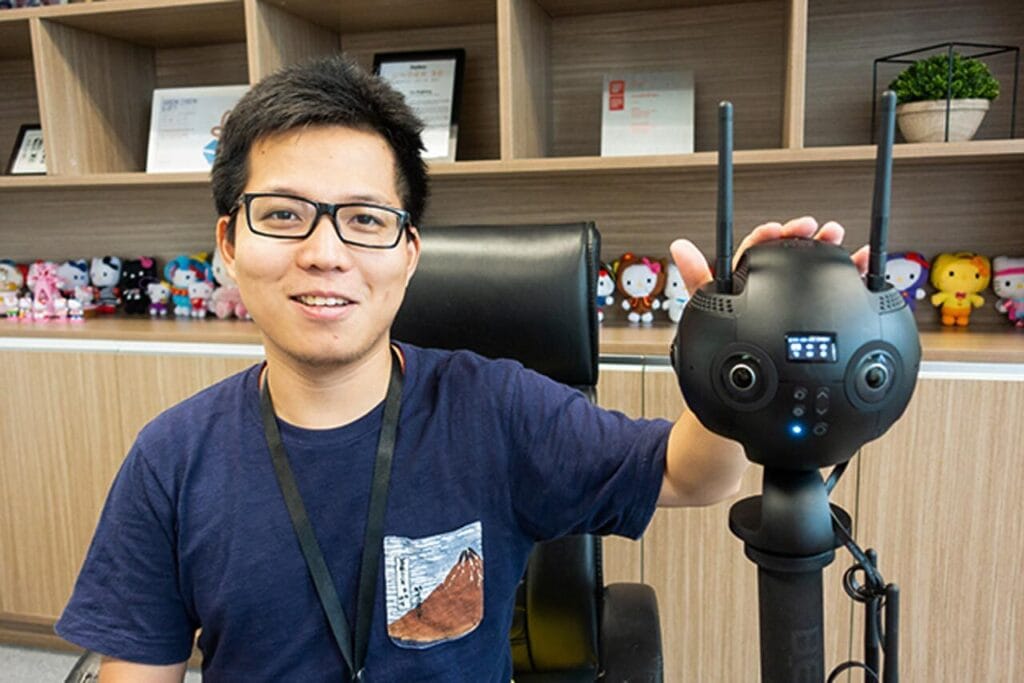
It was precisely these "out-of-the-ordinary" experiences that caught the attention of IDG Capital. Back then, the Insta360 team had only 6 members, the product was still immature, most of the team were part-timers, and JK hadn’t even fully completed his studies. Yet, IDG Capital ultimately decided to participate in the angel round of funding — for one sole reason: investing in the person.
From developing live streaming software to panoramic cameras
In the early days of his entrepreneurship, JK developed live streaming software. In 2013, he founded "Famous University Live" in Nanjing, the city where he attended university, offering real-time live broadcasts of courses from top-tier universities. He independently developed over 30 technologies and completed more than 200 live broadcasts across nine universities. Later, he further expanded his business into the B2B enterprise sector and established "V Live".
But what truly altered the course of his life was a chance encounter — in 2014, JK came across a 360-degree panoramic video stitched together from multiple cameras online. The powerful visual impact and the never-before-seen perspective left a deep impression on him. He firmly believed that panoramic imaging would become a new way of recording in the future. While brands like Samsung and Ricoh had already launched panoramic cameras back then, the transmission and stitching speed between the cameras and smartphones was extremely slow, resulting in a less-than-ideal user experience. Since the live streaming software he was developing shared many similarities with panoramic cameras, JK realized: there was still enormous room for improvement in panoramic cameras.
This led him to make a critical call — abandoning the live streaming space to pivot to panoramic imaging technology.
"Instant" (from Live Streaming) + "360°" (from Panoramic Imaging)
Insta360 was born.
Insta360 was officially founded in July 2015. Over the past decade, Liu Jingkang (JK) has led Insta360 to grow into a distinctive and successful imaging technology firm. Even though Insta360's products are generally priced higher than those of GoPro and DJI, they have maintained strong sales momentum consistently — this outstanding market performance has become the most iconic testament to Insta360's success .

Growth: Creating the first product, the Insta360 Nano
In July 2016, Insta360 launched its first commercial product— Insta360 NanoIt was once seen as the key to the company's take-off. It was once seen as the key to the company's take-off, but it has gone through a "high start, low finish" curve.
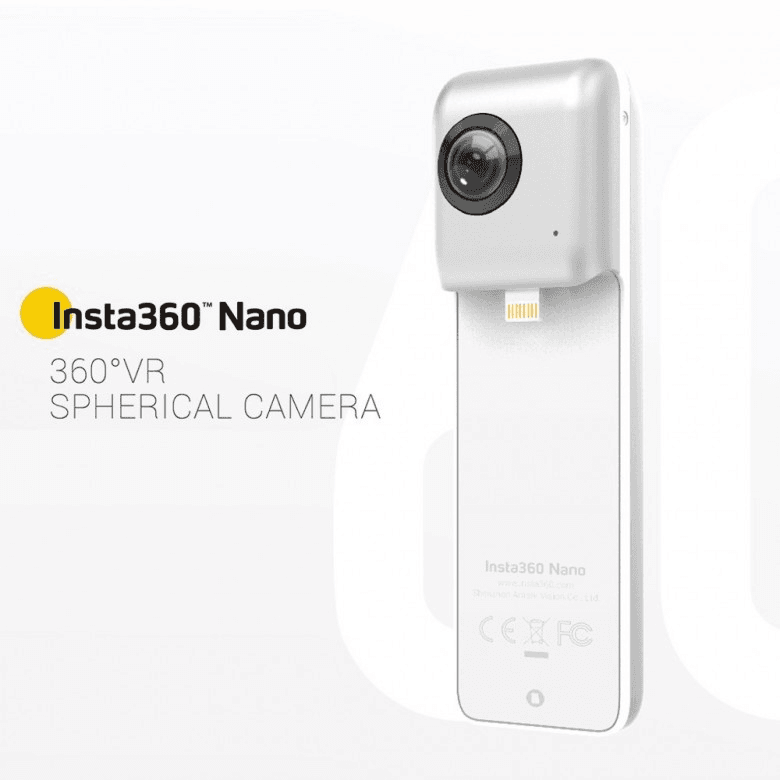
The Nano dramatically improved the panoramic cameras of Samsung, Ricoh and others at the time.Slow transmission, long splicingAddressing this pain point, Insta360 instantly became a sensation at CES 2016, not only receiving high praise from Apple's co-founder but also attracting a large number of overseas distributors eager to negotiate. Following the CES exhibition, Insta360's revenue even jumped from 0 to 20 million RMB in just one month.
After the boom, however, there was no escaping the problem common to the Nano and panoramic cameras of the day - theIt failed to truly address the multiple needs of the target users in core scenarios.This led to a decline in subsequent product sales.
With product setbacks and the company facing funding difficulties, the second year after the Nano's release became JK's most vulnerable period since starting his business. Just then, JK found a turning point in the Nano's user community: several users shared videos of themselves using the Nano to shoot skiing, cycling, and downhill racing. He immediately thought—could an "action camera" and a "panoramic camera" be combined?
The Nano lacks the basic requirements of an action camera: it's not waterproof, has a non-replaceable battery, and isn't even particularly shock-resistant, making it theoretically unsuitable for extreme sports. Only after in-depth discussions with more users did the real answer emerge:
"Shoot first, then frame" eliminates the need for extreme sports enthusiasts to think about how to shoot and compose their shots while exercising.
Start developing panoramic action cameras
Traditional action cameras use wide-angle lenses, requiring users to pay attention to framing the shot during filming; while panoramic cameras can capture a complete 360° view first, and then users can choose which angle to keep in post-processing—a huge advantage for athletes who need to be highly focused, such as those doing cycling or skiing.
At the time, "panoramic action cameras" weren't a popular market segment; in fact, they were considered niche. GoPro had already saturated the "action camera" market. JK's strategy wasn't to avoid competition or find a "blue ocean," but rather to return to the fundamentals:Discover needs and redefine product value。
After 18 months of research and development, the team finally launched their first panoramic action camera in 2018. ONE XFor the first time, software-based image stabilization surpassed hardware-based stabilization, earning it the title of "black technology" in the industry. Insta360, established less than four years prior, surpassed Samsung and Ricoh to become the world's number one in panoramic camera shipments—a position it still holds today.

Insta360 Studio, a post-production software development platform.
In 2019, Insta360 has another insight into a deeper pain point:
The biggest problem for users is not filming, but editing.So the team quickly moved to the software side and launched an AI editing tool. Insta360 StudioThe filming of the film is now a reality.

Following the ONE X, Insta360 successively released the ONE X2, X3, X4, and the X5 in 2025. The series also officially evolved from "ONE X" to the "X series". I only started to really use Insta360's panoramic cameras for a long time after the X3 was released in 2022.
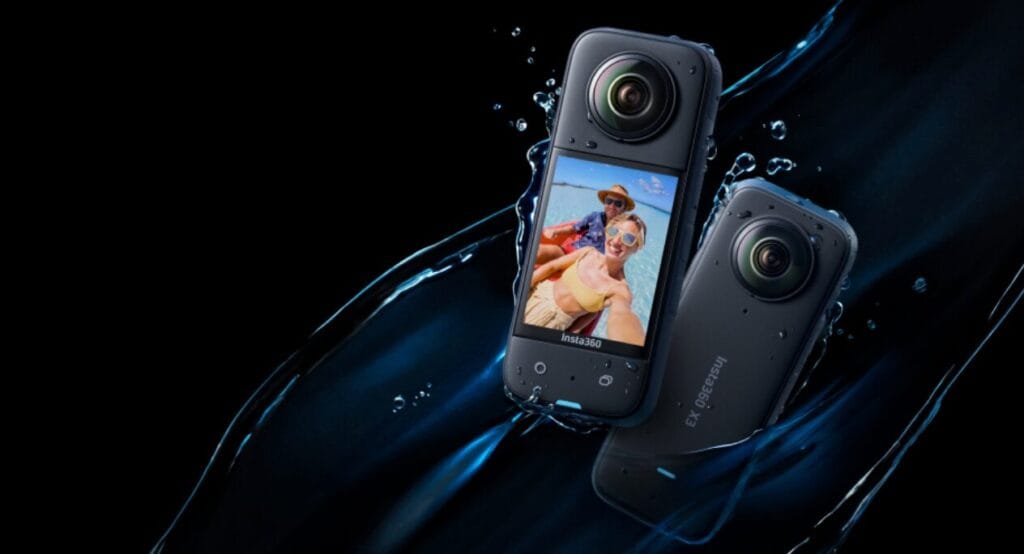
As of 2023, Insta360 had 238 authorized patents worldwide, achieving global leadership in the field of panoramic technology; its revenue in overseas markets outside mainland China had also increased to approximately 801 million T/3 million T/3, and it can now be said that:Insta360 = panoramic camera.
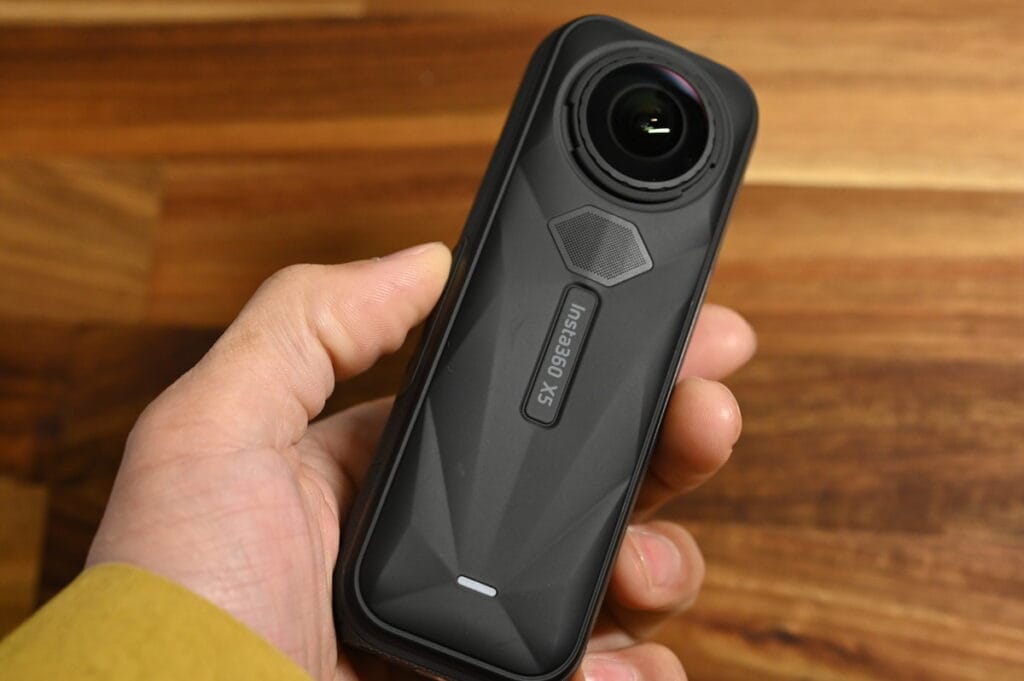
Panoramic cameras have evolved from niche devices suitable for skiing and cycling to mainstream cameras, culminating in the latest X5. 8K panoramic cameraIt can be used for both sports filming and vlog recording. In 2025, DJI officially entered this market and launched its first panoramic camera, the DJI Osmo 360. This move, to some extent, also represents that the success of Insta360 has made other competitors "uncomfortable".
Outbreak: Head-to-head with GoPro and DJI
Release action camera Ace Pro
Starting in 2023, Insta360's category expansion gets a real head-to-head competition.
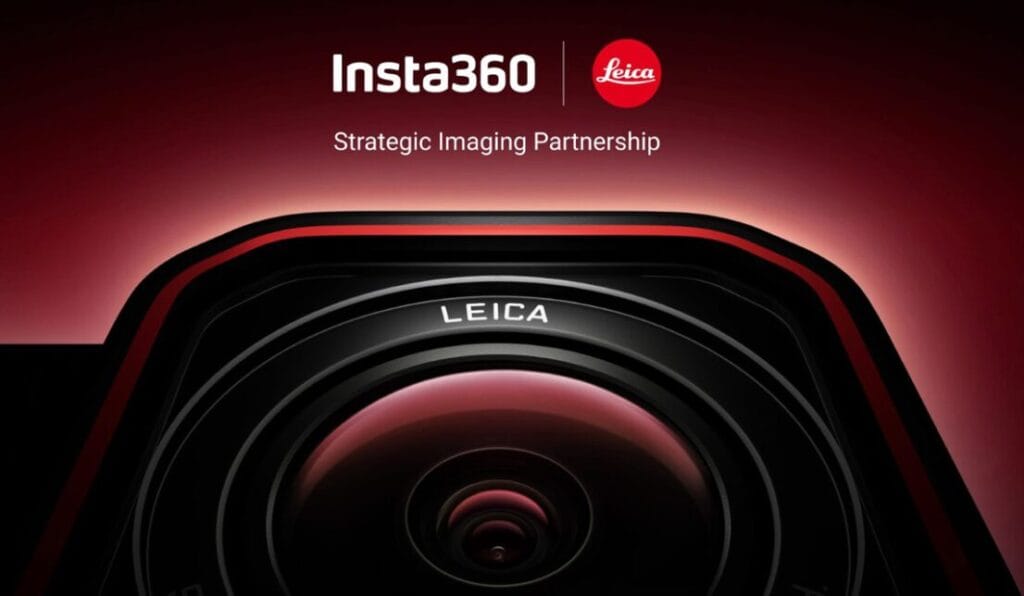
In November 2023, Insta360 officially launched its collaboration with LEICA. Ace Series—Focusing on the most mainstream and highly competitive "wide-angle action camera" market segment. Competing against DJI and GoPro.
Back in October 2021, when Ace Pro was being developed and initiated, the market landscape was already clear:
- GoPro Hero Series Iterated to 10th generation
- DJI Osmo Action Pushed to the 3rd generation
- The market size of panoramic sports cameras: Approximately RMB5 billion
- Wide-Angle Motion Camera Global Market Size:Reached RMB 18.1 billion
In other words, the Ace series has directly entered the "battleground of two giants" that GoPro and DJI have dominated for many years.
Although Insta360 was not a large company at the time, it had already made ample preparations in terms of strategic reserves:
The company's assets were close to 4 billion RMB. Even under extreme circumstances where there was no revenue for the next five years, it could still support the continued operation of a team of 2,000 employees at the time—especially since the success of the X3 and GO 3 had already allowed Insta360 to maintain its quarterly revenue. 40.7% Year-on-year growth.
Harvesting GoPro users
The Ace Pro is a very special product to me because I had the opportunity to try it before it was released.
As a heavy GoPro user, I had already developed muscle memory for the operation logic of this "wide-angle action camera". When I first got my hands on the Ace Pro, I could use it intuitively without any learning and immediately felt that this camera was "very promising".
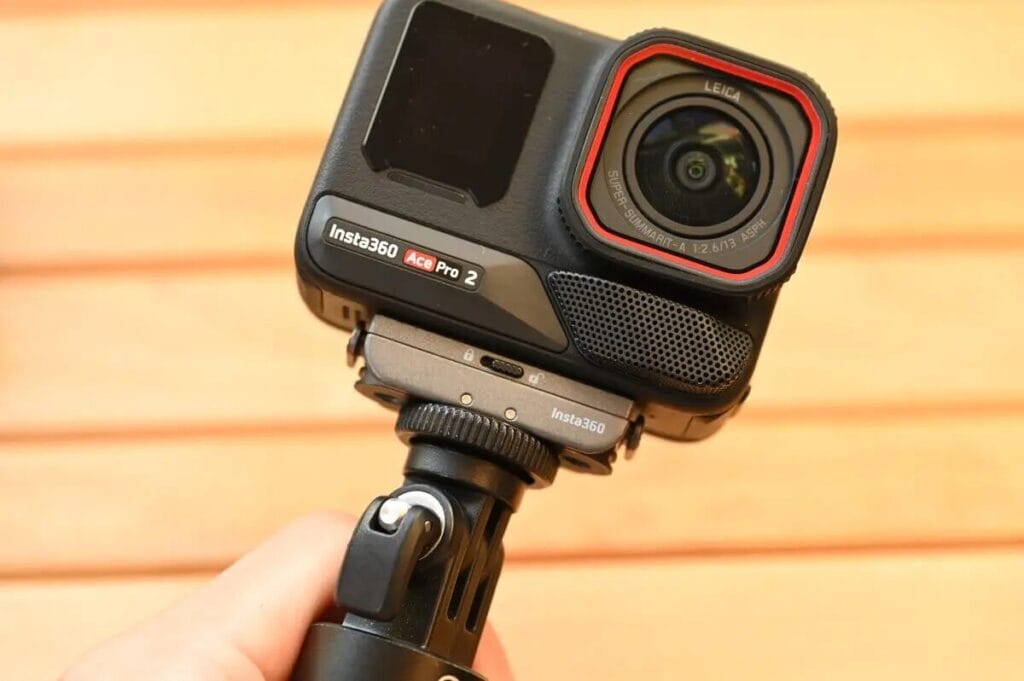
The Ace Pro entered the mature wide-angle action camera market, but still found a need that could be "evolved" again:
- Cycling, running, hiking and other users eager to show sports data
Connect Garmin cycling computers with Apple Watch to display real-time data such as heart rate, speed, and power on the screen. - Motorbike riders want to keep real engine sounds
It incorporates noise-reducing and windproof materials, and relies on AI to preserve the "mechanical sound" in specific frequency bands. - Street photography and travellers want different ways to use it
The Ace Pro 2's "street photography kit" was inspired by user DIY – once attached, it transforms into a "Leica-style street photography camera."
Besides its similar appearance, even the tactile feedback of the camera's boot button mimics the feel of a mirrorless camera; photos also feature Leica-style watermarks. After its launch, sales exceeded expectations by more than 10 times.
These details demonstrate Insta360's keen observation of "image needs," and have led many GoPro fans like myself to switch to Insta360.
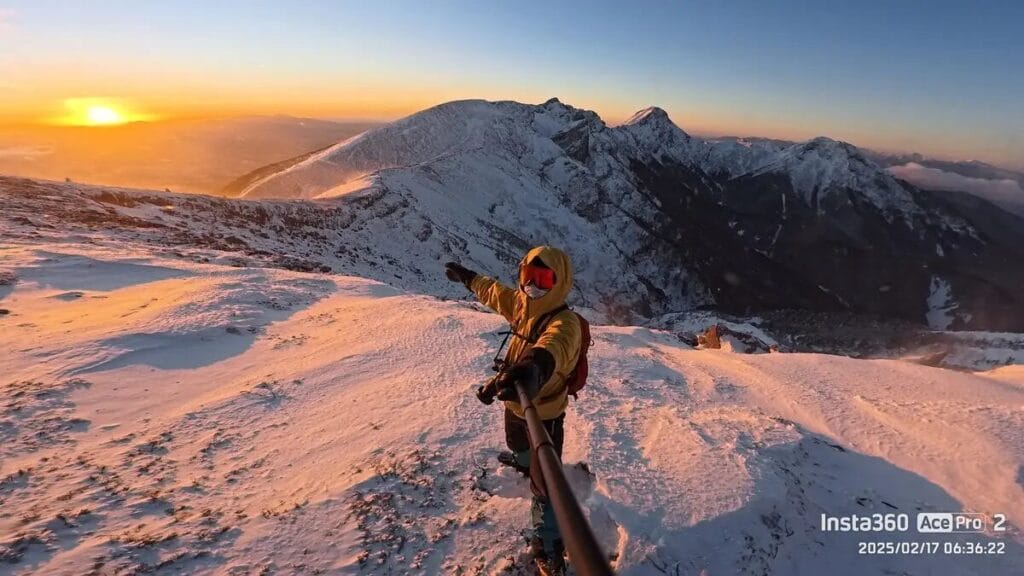
The Soul of an Imaging Company: The Fundamental Differences Between Insta360 and GoPro
After the launch of the Ace Pro, the outside world often compares the Insta360 with GoPro and DJI - with similar uses and close performance, competition is inevitable. However, the product philosophy of Insta360 is different from that of GoPro.
The story of GoPro's birth is simple and romantic:
The founder loved surfing, and in order to be able to film surfing footage, he created GoPro.
So the GoPro is essentially a "camera born from extreme sports".
This is why it has long enjoyed a strong appeal in the European and American markets.
Relatively speaking:
Insta360 focuses on the fields of imaging technology and content creation.
It wasn't created for a specific sport, but rather aimed at a broader range of "video enthusiasts" from the start—which makes it particularly popular in the digital technology world and naturally places greater emphasis on AI, software experience, and creative gameplay.
I once asked a friend who works at Insta360 what the company's long-term goals were. His answer was quite interesting:
Insta360 doesn't want to become the next GoPro or DJI; it aspires to be an imaging company like Sony or Fujifilm that can last for a hundred years.
At this stage, their most direct competitors remain GoPro and DJI.
The Ace Pro represents their most crucial head-on confrontation since entering the mainstream action camera market. In 2024, the Ace Pro was upgraded to the latest Ace Pro 2.
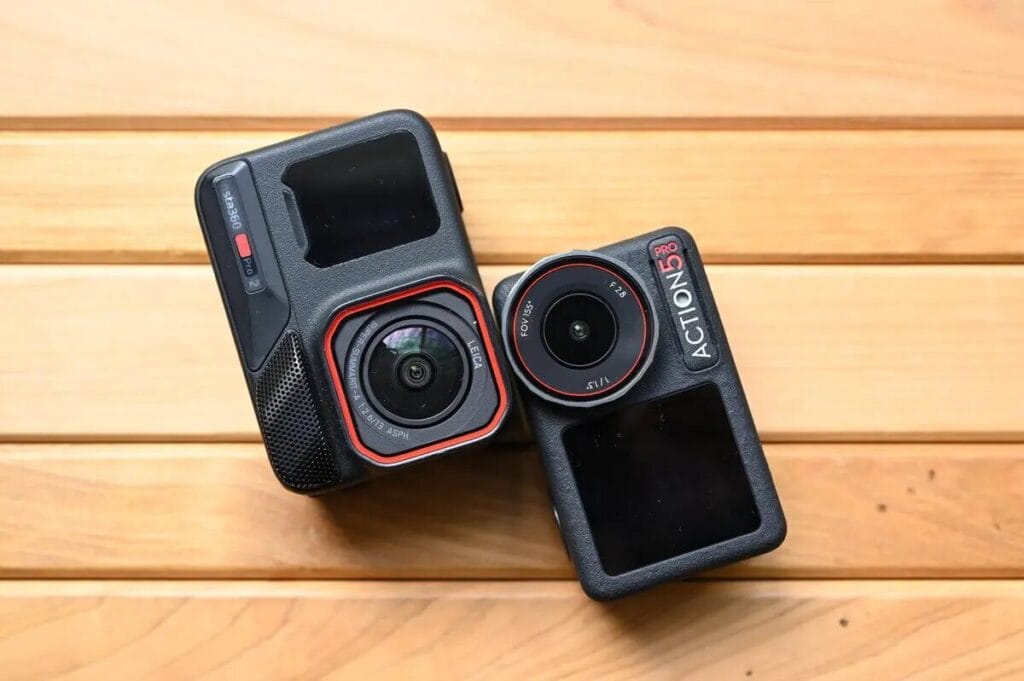
Entering the capital market
On June 11, 2025, Insta360 was officially listed on the Shanghai Stock Exchange, with a market value reaching RMB 74.185 billion. This achievement fully demonstrates that Insta360 did not back down in the face of competition from GoPro or DJI; instead, it forged its own path through profound insight into user needs and product design focused on operational ease of use.

From the company's top three best-selling products - theX5, GO Ultra and Ace Pro 2--From the perspective of Insta360, it can almost be said that Insta360 has understood and satisfied the various needs of sports camera users. Even if you're not an extreme sports enthusiast and just want to simply record your life or vlog, you'll find the right product.
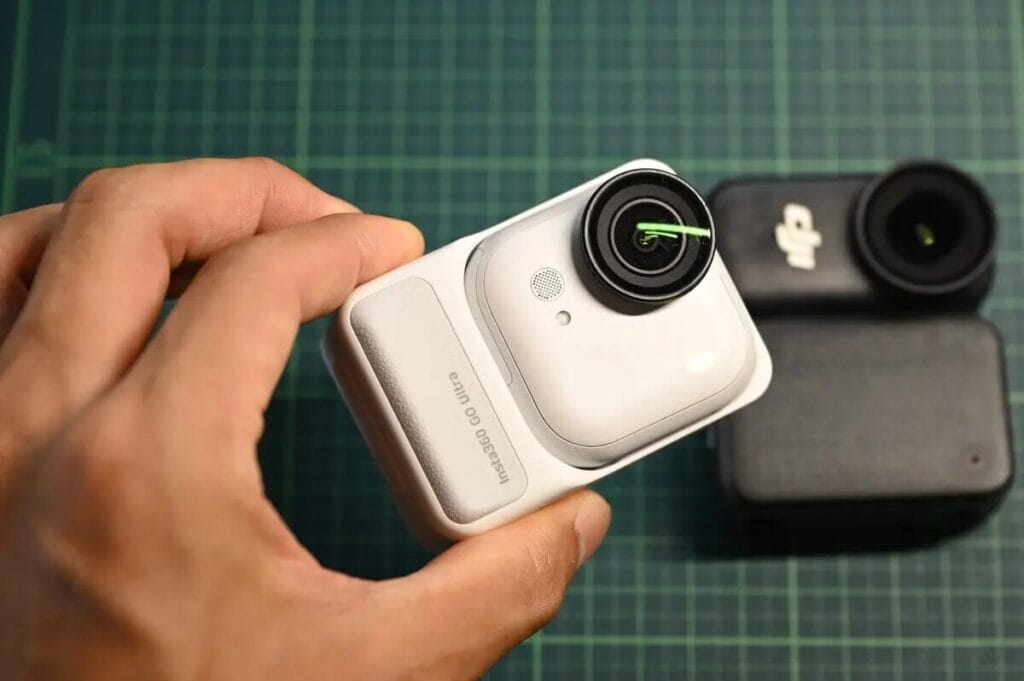
In fact, Insta360's action cameras are generally priced slightly higher than GoPro and DJI, but the company has not adopted the traditional "low-price strategy" due to insufficient brand influence.
On the contrary, it is by virtue ofSimple and easy to useThe Insta360's features have won the trust of long-time users. Personally, I own dozens of devices from all three brands, but the Insta360 is still the one I've used the longest, and the one I'm most accustomed to using, which translates to the best price/performance ratio when dividing the price by the number of days of use.
Regardless of the brand of action camera, the true test is always the moment you press the shutter. While Insta360’s growth story may seem inspiring and successful, the efforts behind it are likely only known to the engineers who developed the products and the marketing teams that brought them to market.
As end users, we are all very demanding – each person's needs correspond to different solutions from Insta360, DJI, and GoPro. If you are planning to buy an action camera, I recommend... Shop directly at the brand's official website: For example, inInsta360 websitePurchase, not only enjoy a free one-year warranty, but also often comes with practical accessories, these details, which is precisely the important reason why they have won the trust of users in the competition.
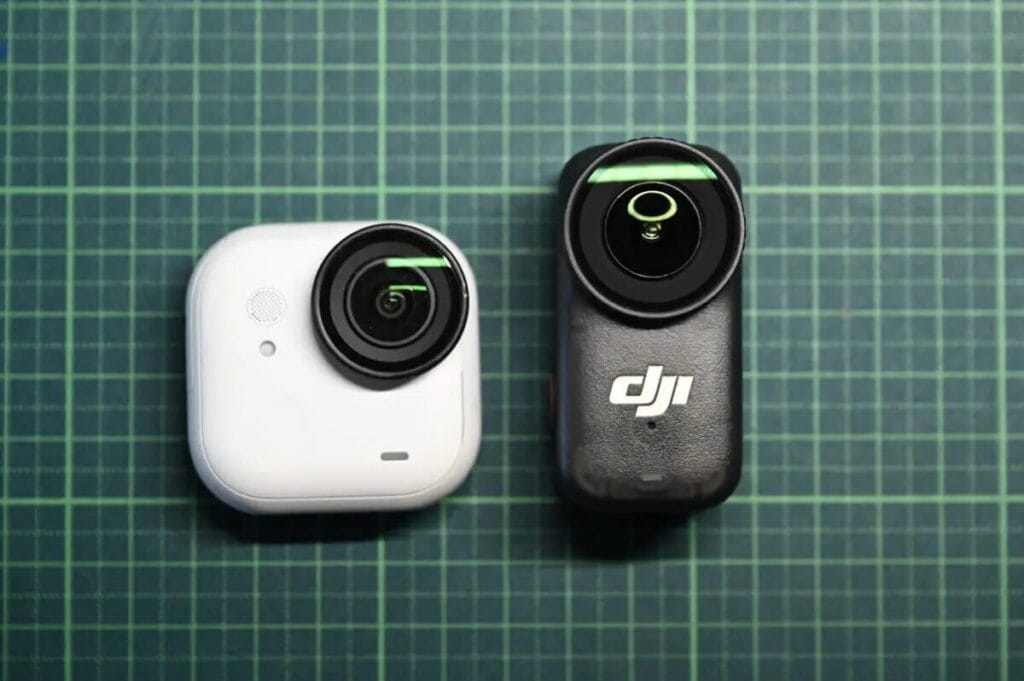
Summary and Outlook: Insta360’s Brand Spirit and Future Potential
1. Background
- In 2015, founder JK officially established Insta360 in Shenzhen.
Having loved programming since childhood, he demonstrated exceptional talent in college. He keenly observed the pain points of panoramic cameras at the time, such as "slow transmission, difficulty in sharing, and poor user experience," and thus decided to redefine the way images are recorded—allowing anyone to easily capture and share the world.
2. Product breakthroughs: driving market innovation through innovation
- Nano:Starting Point for Global Perspective
Launched in 2016, the Insta360 Nano offered plug-and-play panoramic shooting, truly solving the problem of transmitting panoramic images for the first time. It became the first panoramic camera to be featured in the Apple Store. - ONE X series (later renamed X series):Redefining Sports Cameras
Born in 2018, ONE X shakes up the imaging world with innovations: shoot-before-you-frame / FlowState shockproofing / invisible selfie stick
Since then, the Insta360 has become the new standard for extreme sports players and vloggers. - Ace Series:Professional Imaging Partners
In 2023, the Ace series will be launched, focusing on sports scenes and vlogging needs. With wind and noise cancellation, motion data display, and cooperation with Leica, the Ace series will enhance the overall competitiveness in the market by providing a clear picture of both motion and static.
3. Globalisation strategy: going global from day one
- Unlike most brands, Insta360 has been targeting the global market since the early stage of its foundation, and has entered the high-end users in Europe and the United States with high quality and high experience, avoiding the price wars that are common in China's 3C industry.
- At the same time, the brand culture is built through social content - like the video taken by "Grandpa Bee" with his Insta360 camera, which has attracted 860 million views worldwide, creating a phenomenal spread. Brands don't come out of words, they come out of users' help.
4. Technology Core: Hardware × Software × Algorithm Iron Triangle
- R&D investment accounted for more than 13%
- Holding 900+ patents
- Technology spans key areas such as AI imaging, panoramic stitching, FlowState stabilisation and more.
- Simultaneously, we are building a complete content creation ecosystem: camera + app post-production tools + global content community, comprehensively improving user creation efficiency.
5. Brand Achievements
- Panorama Camera Global Market Share No.1 for 6 consecutive years (reaching 67% by 2024)
- Sports Camera Stabilises Top 2 Market Share Globally
- Listed in 2025, with a market capitalization exceeding 70 billion RMB.
6. Future Vision: Using AI to Drive the Next Era of Imaging
Insta360 is actively exploring more possibilities of AI and imaging, such as launching Antigravity, a panoramic drone that fills the gap in the market and opens up new dimensions of creativity.
The core spirit of the brand, Think Bold, encourages users and employees to break through their imagination, so that everyone can be brave enough to record and share the world.
Looking back at the past decade, Insta360 has grown from a small startup with only six members to a global leader in imaging technology. The core of Insta360's success is not technology or capital alone, but rather a deep understanding of users' needs and the ability to transform complex technology into simple and easy-to-use products.
From panoramic cameras to wide-angle sports cameras, from hardware design to AI editing software.Insta360 always with "Image" as the coreInstead of just following the sports camera trend.
In short, Insta360 is an image-centred, user-oriented and innovative company. Whether you are an extreme sports enthusiast or a chronicler of daily life, its products provide a high-quality, easy-to-use and imaginative shooting experience. In the future, with the continuous technology iteration and market expansion, Insta360 will undoubtedly continue to write its own chapter in the global imaging industry.