



Insta360 has officially released its brand-new action Vlogging camera, the Insta360 Ace Pro 2. When it comes to Vlog shooting, the Ace Pro 2’s exceptional “ease of use” can already be said to surpass GoPro’s traditional focus on “action performance.” Although the overall body design does not differ significantly from the previous-generation Ace Pro, compared with action cameras from DJI and GoPro, the Insta360 Ace Pro 2 still feels refreshingly innovative thanks to its built-in flip screen.
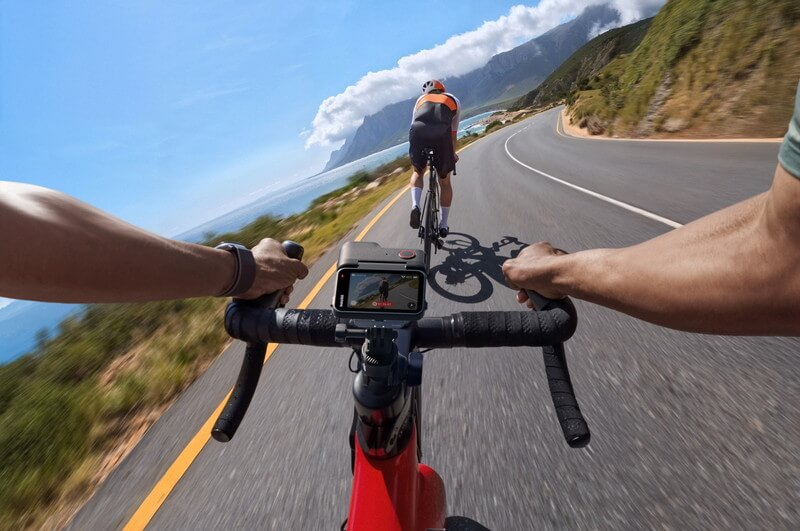
It can be said that it is currently the most cost-effective action camera on the market. Beyond Vlog recording, for users involved in motorcycles, cycling, and sports activities, it is safe to say that the Ace Pro 2 is the ultimate choice.
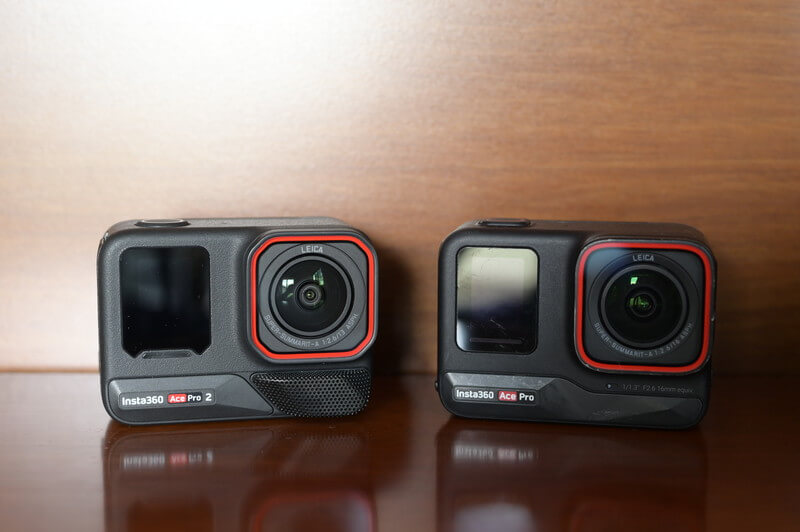
Through this new-vs-old comparison review, I will break down the key upgrades of the Ace Pro 2 compared to the Ace Pro, aiming to provide everyone with the most realistic and reliable reference.
[Ace Pro 2] vs [Ace Pro] Upgrade Points
Due to the length of this article, we will first briefly summarize the basic specifications and key upgrade highlights of the Ace Pro 2 compared with the Ace Pro.
| Ace Pro 2 | Ace Pro | |
|---|---|---|
 |  | |
| Release Time | Letter dated 22 October 2024 from the Permanent Representative of | Letter dated 21 November 2023 from the Permanent Representative of |
| Standard Package Price | HKD $3,149 NTD $14,990 USD $399.99 | HKD $2,210 NTD $10,710 USD $449.99 Long-term Discount |
| Chip | 5nm Dual Chip | 5nm Chip |
| Sensor Size | 1/1.3 inch | 1/1.3 inch |
| F-value | F2.6 | F2.6 |
| Lens | Leica | Leica |
| ISO | 100~6400 | 100~6400 |
| resolution (of image, monitor etc) | 8K 30fps | 8K 24fps |
| HDR Video | 4K 60fps | 4K 30fps |
| Slow Motion Video | 4K 120fps | 4K 120fps |
| Maximum angle of view FOV | 157° | 151 |
| Photo Resolution | 5000MP | 4800MP |
| PureVideo | 4K 60fps PureVideo Plus | 4K 30fps |
| Waterproof | 12m | 10m |
| brackets | Standard Mount for Insta360 Ace Series | Standard Mount for Insta360 Ace Series |
| Horizontal stabilisation | Wide angle | angle (between two intersecting lines) |
| Operating Temperature | -20°C ~ 45°C | -20°C ~ 40° |
| Battery | 1800mAh | 1650mAh |
| Microphone | 3 | 3 |
| Weights | 177.2g | 179.8g |
- Equipped with 5nm AI Dual Chip Architecture (fps, Night Shot Performance Improvement)
- Improved overall smoothness of operation
- 157° Super wide angle field of view (FOV)
- Standard windproof microphone cover (suitable for cycling)
- New CarLog mode
- 4K Pre-recorded Duration Enhancement
Use this link to get a free gift, while stocks last.
Equipped with 5nm AI Dual Chip Architecture (fps, Night Shot Performance Improvement)
The image quality of the Ace Pro and Ace Pro 2 in night or low-light conditions undoubtedly surpasses that of most action cameras currently on the market. In real-world night shooting scenarios, the Ace Pro 2, equipped with a dual-chip system, shows a clear advantage.
Ace Pro 2 is the first action camera to feature a dual-chip design. For reference, DJI uses a 4nm process, while the Ace Pro 2 adopts a larger 5nm chip. Honestly, there is still some ambiguity in industry consensus regarding chip size, but upgrading the chipset undeniably enhances the camera’s image processing capabilities.

HDR video and PureVideo, previously limited to 4K 30fps, have been upgraded to 4K 60fps, while 8K video has also been improved from 24fps to 30fps, making overall footage noticeably smoother.
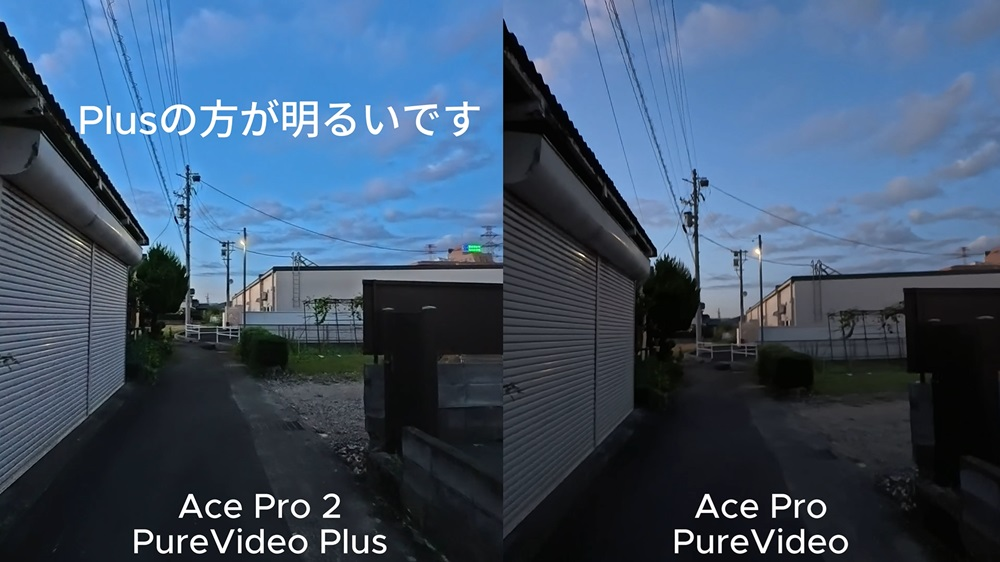
Although DJI also emphasizes night shooting performance, the Ace Pro 2 makes a greater breakthrough in this area. HDR recording now supports 60fps, and for those seeking to capture a strong sense of speed, the Ace Pro 2 is an excellent choice.
Use this link to get a free gift, while stocks last.
Improved overall smoothness of operation
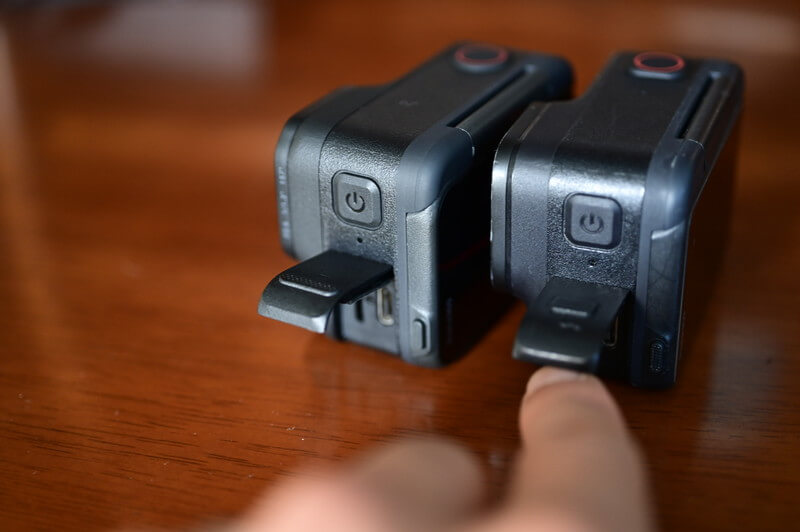
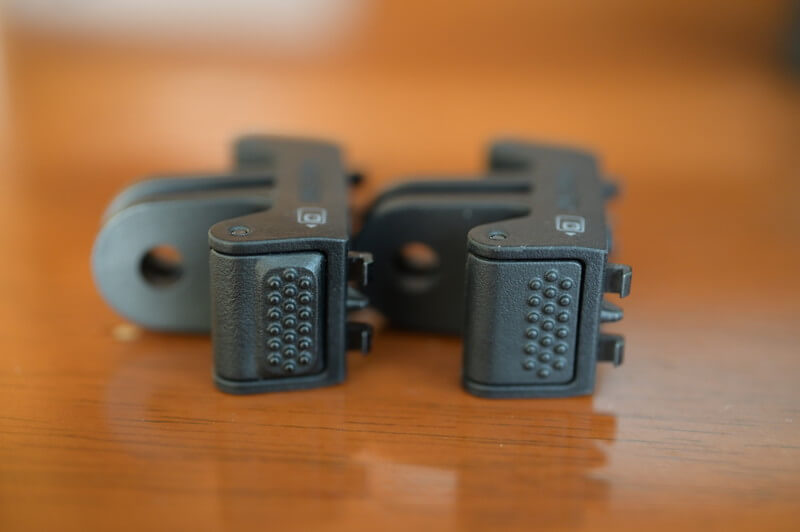
Although the Ace Pro 2 looks similar to the previous-generation Ace Pro, and Insta360 does not officially list specific changes in camera operation or design, I found that through several subtle refinements, the Ace Pro 2 has become significantly easier and more intuitive to use. For example, the battery cover, charging port cover, and quick-release mount installation and removal have all been improved. While these aspects were not particularly inconvenient on the Ace Pro, the Ace Pro 2 delivers a noticeably smoother and more seamless overall user experience.
These subtle improvements give me the impression that Insta360 is a brand willing to invest real effort even in the smallest details.
157° Super wide angle field of view (FOV)
| Ace Pro 2 | Ace Pro | HERO 13 | Osmo Action 5 Pro | |
|---|---|---|---|---|
| FOV | 157° | 151° | 156° | 155° |
For reference, here is a comparison of the maximum field of view (FOV) among action cameras from other brands. Based on the numbers, FOV was originally a weaker point of the Ace Pro, but after upgrading to the Ace Pro 2, the FOV has been expanded to 157°, making it the best among the three major manufacturers.
The difference in field of view between the Ace Pro 2 and the Ace Pro is 6°. In addition, the Ace Pro 2 introduces a new “Mega Wide” option with a wider angle and reduced distortion, effectively not only enhancing the camera’s action performance but also providing a more user-friendly framing option for Vlog recording.

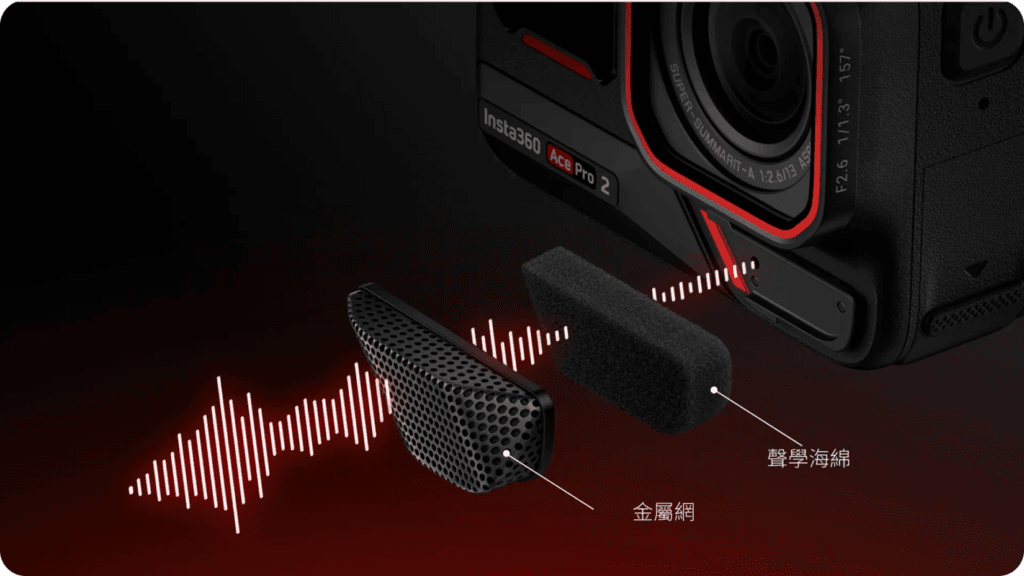
Standard windproof microphone cover (suitable for cycling)
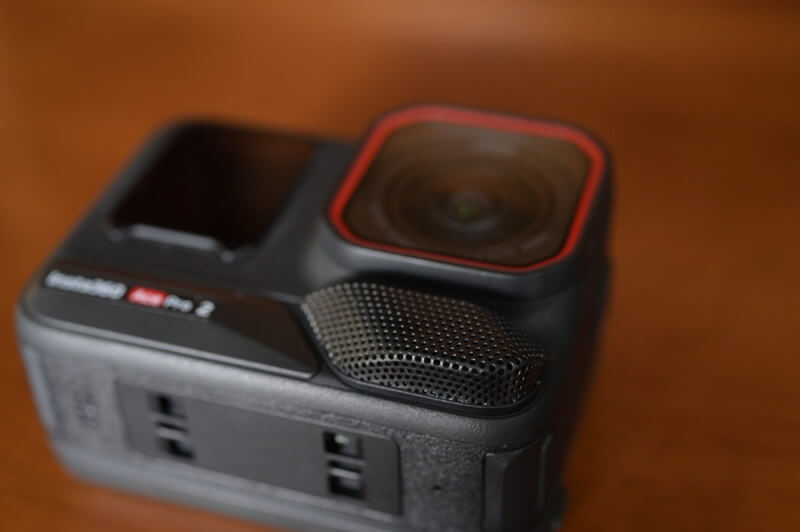
The Ace Pro 2 comes standard with a windscreen microphone cover, making it ideal for high-speed, wind-noise–heavy shooting scenarios such as motorcycling and road cycling.
However, the microphone windscreen is not recommended for use during diving, as moisture absorption can negatively affect audio capture and noise reduction performance. Before using the camera in scenarios such as diving or surfing, it is advised to remove the foam insert and detach the microphone windscreen, or replace the windscreen with a standard microphone cover.
New Car Logger Mode
The Ace Pro 2 supports Dashcam Mode and Power-Saving Mode, allowing the action camera to be used as a vehicle dash camera.
4K Pre-recorded Duration Enhancement
In 1080p recording mode, the Ace Pro 2’s pre-recording function can capture up to 120 seconds of footage before the shutter is pressed; in 4K recording, it supports pre-recording for up to 90 seconds.
No matter the shooting scenario, you’ll never miss any memorable moments worth capturing.
| Ace Pro 2 | Ace Pro | |
|---|---|---|
| screen (TV, computer or movie) | Image Density +70% Durability +100% | |
| reverse charge | ||
| Vehicle Logger Mode | ||
| Removable Lens Protection | Non-removable | |
| Windscreen | ||
| l-Log Shooting | ||
| Time Code Synchronisation | ||
| Activity Statistics | ||
| 4K Pre-recording | 90 seconds. | 15 seconds. |
| Data Capacity | Section 50% |
Ace Pro 2 vs.
When choosing an action camera, most users place the greatest importance on image quality and field of view. Next, we’ll break down exactly how the image quality differs between the Ace Pro and the Ace Pro 2.
Low-Light Shooting
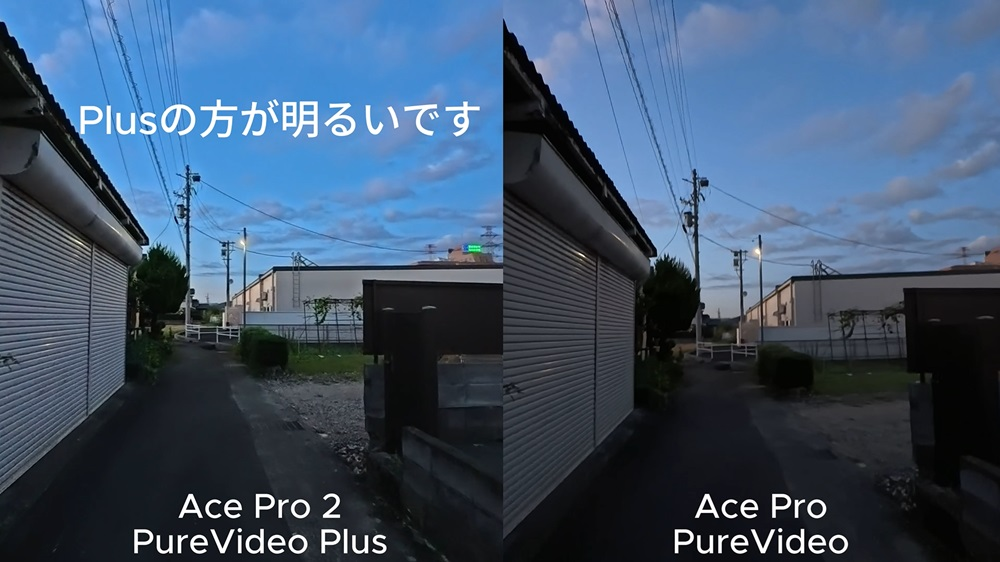
Building on the excellent low-light PureVideo performance of the Ace Pro, the Ace Pro 2 further introduces the PureVideo Plus mode, taking low-light image compensation to the next level. From the comparison footage, it’s clear that the Ace Pro 2’s night shooting performance has improved by another significant step over the Ace Pro.
Of course, if you only need moderate brightness compensation, the Ace Pro 2 still retains the PureVideo recording mode as an available option.
Frame and Field of View FOV
| Ace Pro 2 | Ace Pro | |
|---|---|---|
| 8K | Mega Wide Angle Super Wide Angle Dewarp deformations Linear | Super Wide Angle Dewarp deformations |
| 4K | Action Wide angle of movement Mega Wide Angle Super Wide Angle Dewarp deformations Linear | Action Wide angle of movement Super Wide Angle Dewarp deformations |
The Ace Pro 2 offers more selectable framing options than the Ace Pro, and the one I use most frequently is the newly added “Mega Wide” mode. As shown in the image, while maintaining a wide angle, the Ace Pro 2 effectively suppresses distortion, delivering a spacious framing that works equally well for action scenes and Vlog recording.
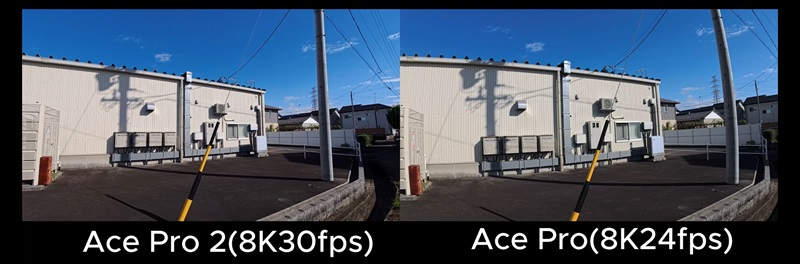
Below is a comparison of the Dewarp distortion correction between the Ace Pro 2 and the Ace Pro. When compared from the same position, it’s clear that the Ace Pro 2 delivers a wider frame with more effective distortion correction.
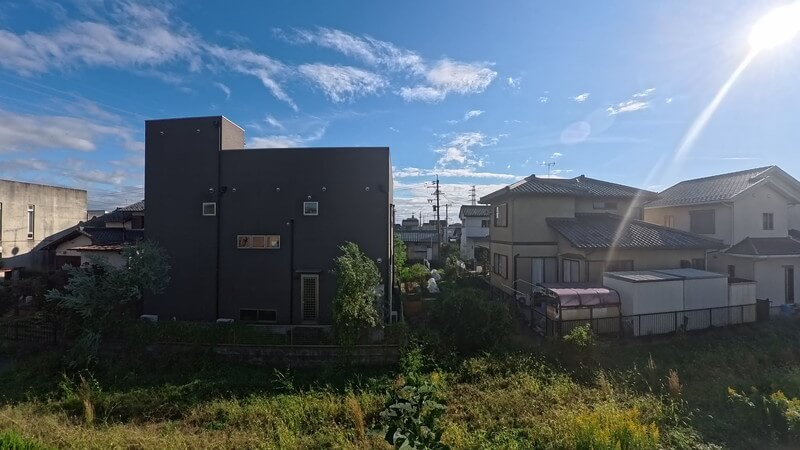
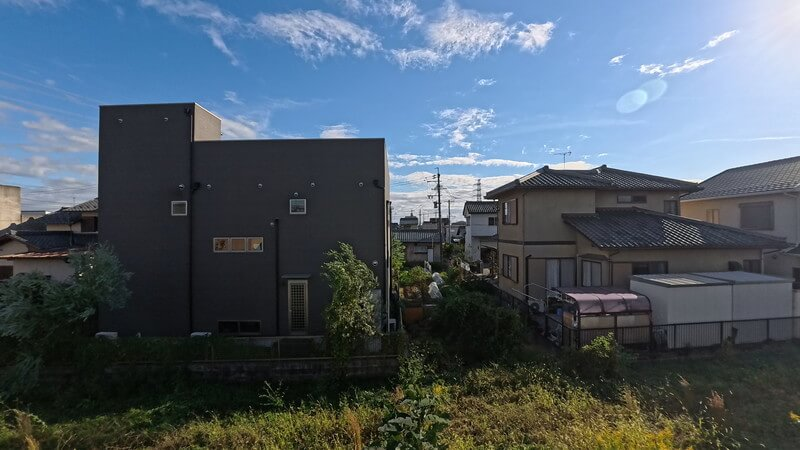
Ace Pro vs Ace Pro 2 - De-distorted image
Ace Pro 2 Angle FOV 157°
| Ace Pro 2 | Ace Pro | HERO 13 | Osmo Action 5 Pro | |
| FOV | 157° | 151° | 156° | 155° |
The Ace Pro 2 features a field of view (FOV) of up to 157°, compared to 151° on the Ace Pro. Thanks to its wider framing, the Ace Pro 2 delivers improved action performance and a broader capture range. Compared with the Ace Pro, the Ace Pro 2 shows almost no noticeable distortion when capturing motion, which also makes it perform exceptionally well in non-action scenarios—resulting in a highly flexible and easy-to-use camera.
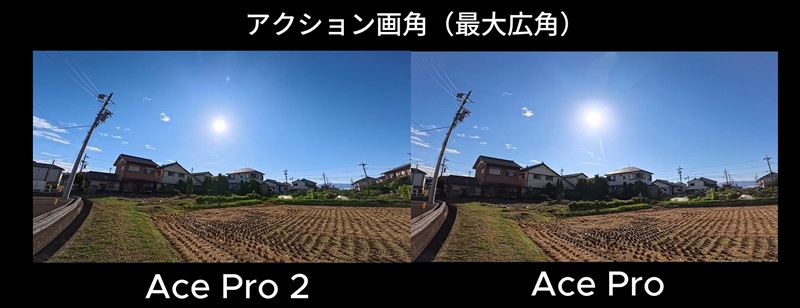
Ultra wide-angle shooting
In terms of shooting, the Ultra Wide (ULTRA) mode offers the widest framing on the Ace Pro 2. Although the area around the desk appears slightly cluttered, the difference in close-range wide-angle performance between the Ace Pro 2 and the Ace Pro is indeed quite noticeable. When switching to a 4:3 aspect ratio, the Ace Pro 2 also delivers a taller vertical frame, providing a broader and more immersive field of view.
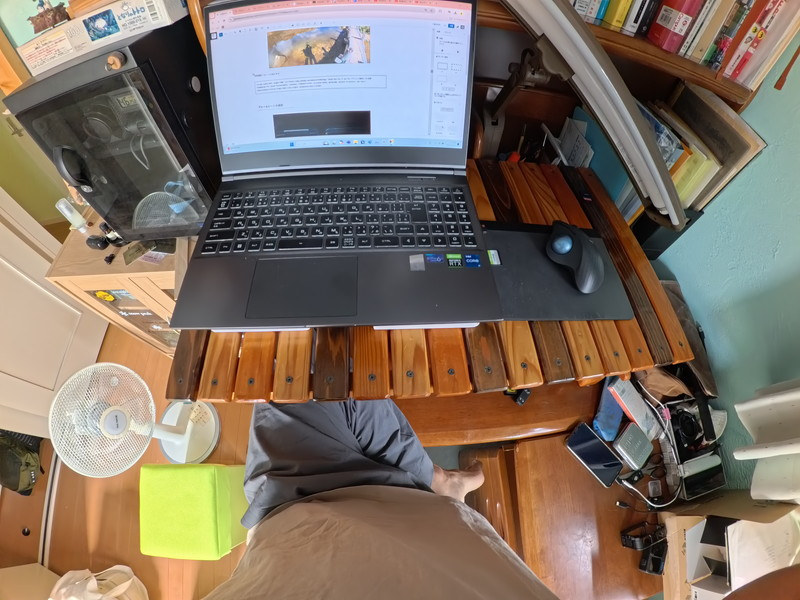
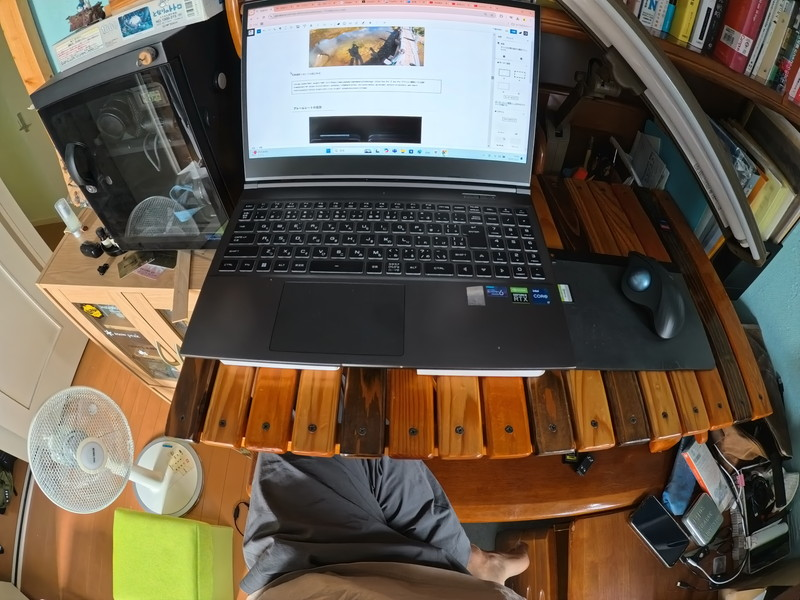
Ace Pro 2 vs Ace Pro
The Ace Pro 2's images are distortion-free even when using ultra-wide angles in distant landscapes.
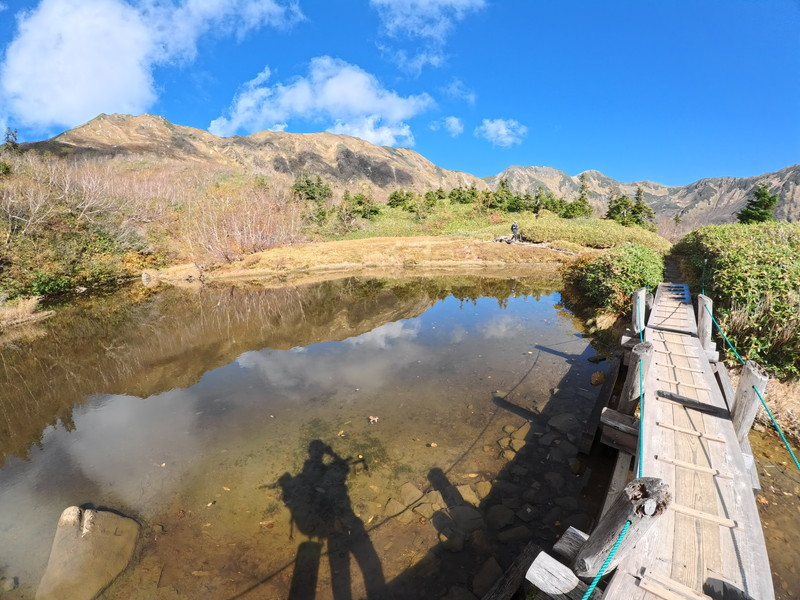
Ace Pro 2 Shooting
Increase in frame rate
| Ace Pro 2 | Ace Pro | |
|---|---|---|
| 8K | 30fps | 24fps |
| 4K | 120fps | 120fps |
| HDR | 60fps | 30fps |
| PureVideo | 60fps | 30fps |
The Ace Pro 2 expands the available frame rate options, allowing 8K recording to switch between 24fps and 30fps for smoother video capture. Personally, I believe that the addition of 60fps support for HDR video is the most significant upgrade in this update.
- 24fps: Vlog, Film Quality
- 30fps: Daily Shooting Vlog
- 60fps: 2x speed recording, sports scenes
For example, when shooting high-speed scenes such as road cycling or motorcycle riding, choosing 60fps is more ideal, as 30fps may struggle to keep up with the speed and can easily result in flickering.
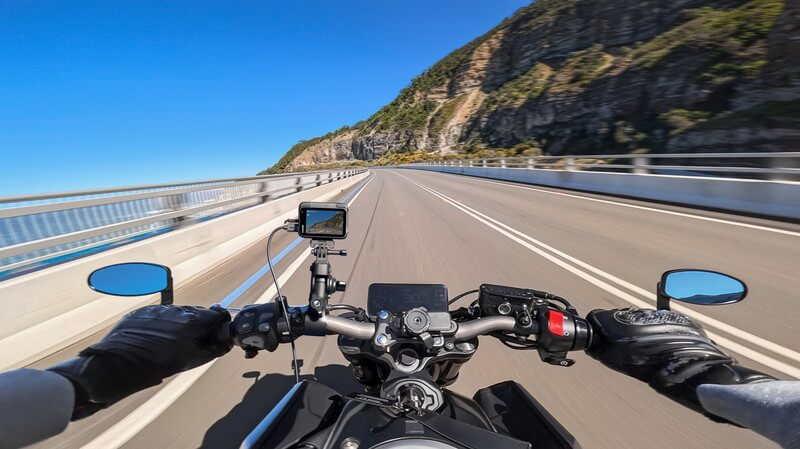
For daytime shooting in sunny conditions, HDR video is highly recommended, as “4K 60fps” works more effectively in combination with HDR video. Setting the frame rate to 60fps also enables 2× slow-motion capture, making it ideal for a wide range of action scenarios.
If you plan to use the Ace Pro 2 for recording in scenarios such as motorcycle riding, skiing, or mountain biking, the combination of HDR video and 60fps is highly recommended, as it allows you to immediately experience the true strengths of the Ace Pro 2.
Use this link to get a free gift, while stocks last.
Ace Pro 2 vs.
Next, I will compare the exterior design and user experience of the Ace Pro and the Ace Pro 2! Although the official specifications do not explicitly list detailed changes in this area, the Ace Pro 2 has indeed made several subtle optimizations to its control logic and overall handling.
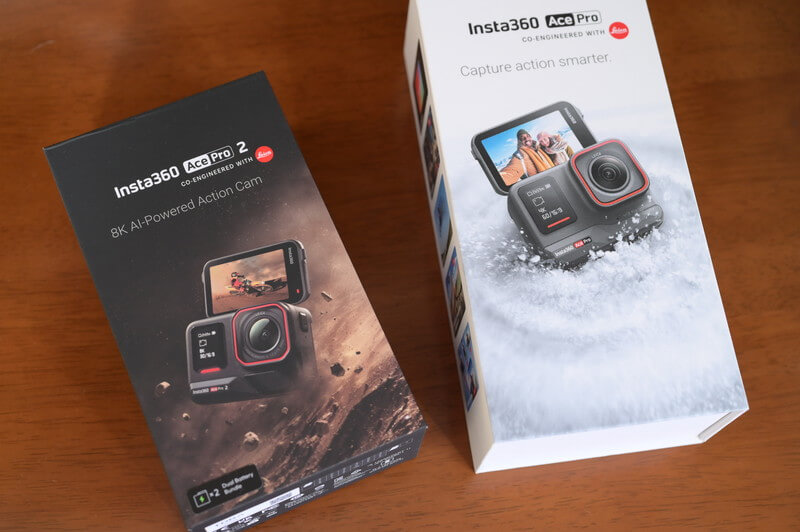
For example, the packaging has become slightly more compact and refined, featuring Insta360’s first-ever black packaging design. This new packaging appears to take users’ storage needs into consideration, as it remains intact and undamaged even after being opened once
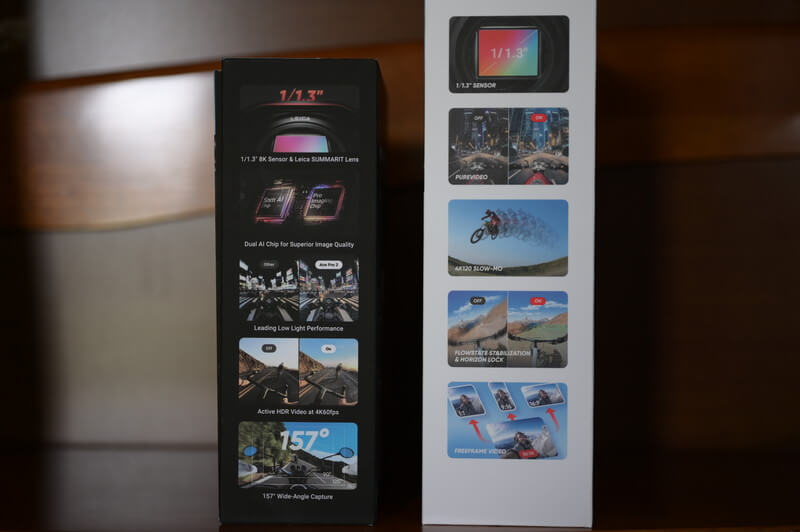
The specifications are clearly listed on the side of the packaging. From this perspective, the 5nm chipset and the 157° field of view can be regarded as the key upgrade highlights. In addition, 60fps HDR recording is also specifically mentioned.
From the front, there are no obvious differences in the body design. It represents a standard iterative upgrade of the Ace Pro, with the body dimensions remaining the same as the previous generation.
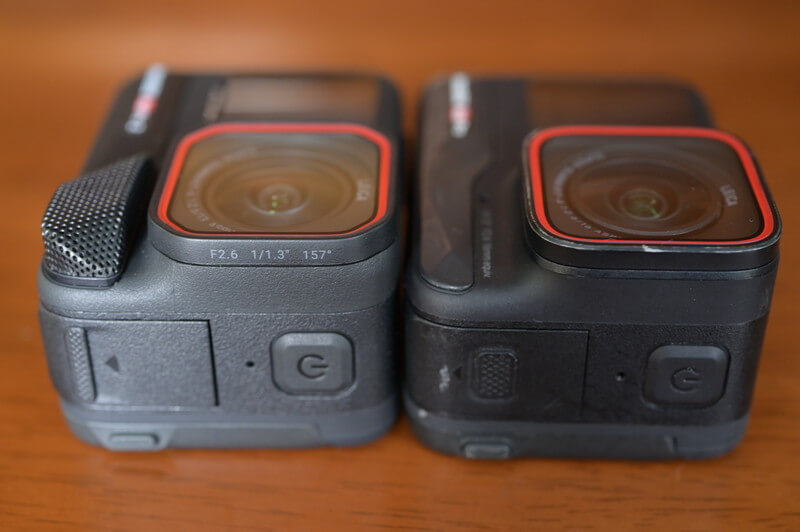
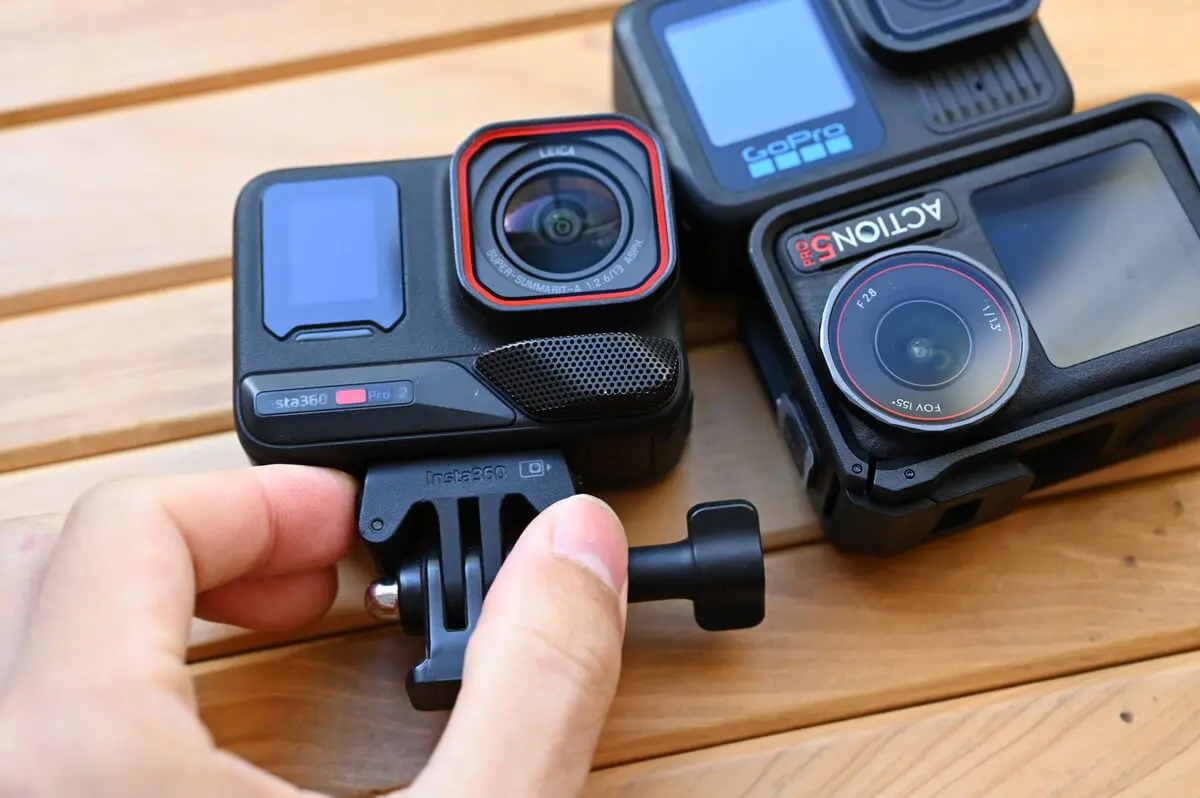
The Ace Pro 2 features a detachable lens cover that can be easily removed with a gentle twist, making operation very convenient. It’s also worth noting that the lens is the SUMMARIT lens co-engineered with Leica (LEICA), providing greater assurance in optical quality.
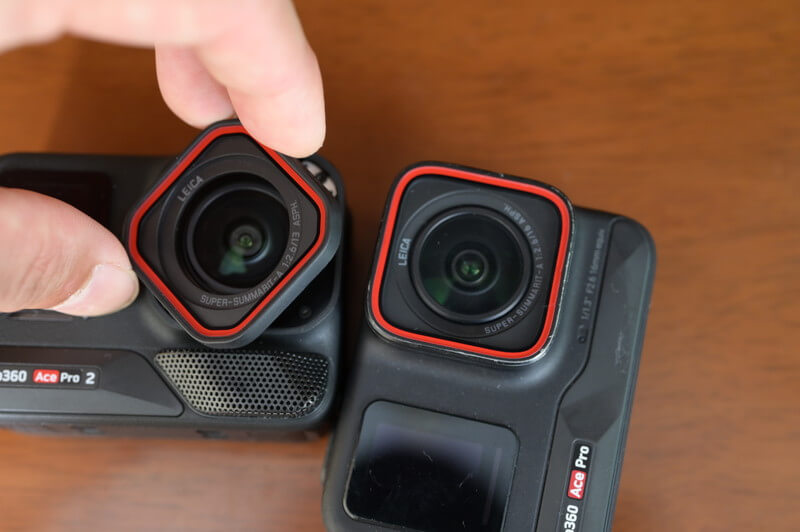
On the side of the lens, the Ace Pro 2 displays key camera specifications.
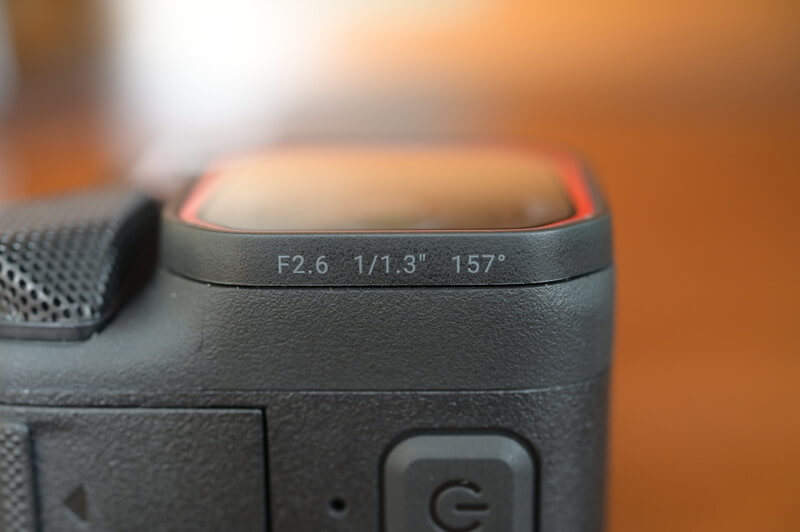
The 157° maximum field of view is undoubtedly one of the key highlights and selling points of the Ace Pro 2 — this specification is clearly engraved on the side of the lens. Such engraved markings are extremely common on interchangeable-lens camera optics. This detail not only enhances the product’s professional look and feel, but also signals that the Ace Pro 2 is more than just an action camera built for extreme scenarios; it allows users to genuinely perceive its professional value and purpose as a true imaging device.
The front display has been slightly refined compared to the Ace Pro, becoming a bit more elongated, though the overall appearance has not changed significantly.
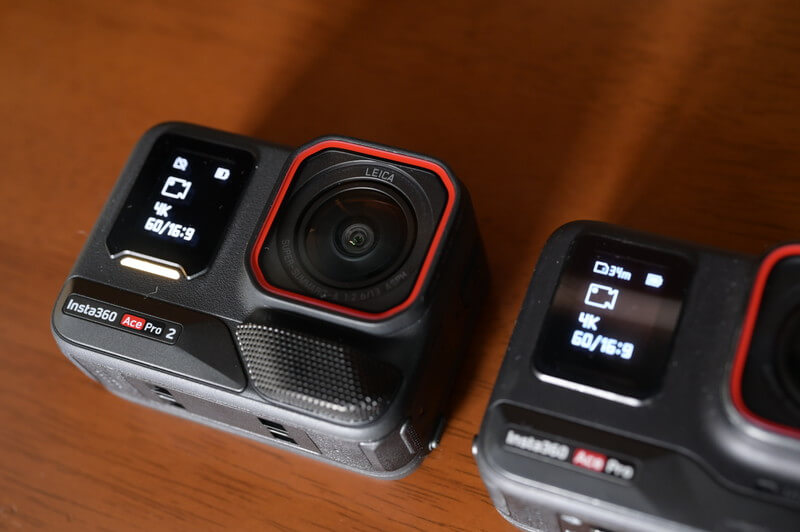
The most noticeable change is undoubtedly the microphone area — the Ace Pro 2 comes with a built-in microphone windscreen accessory, significantly reducing interference caused by wind noise.
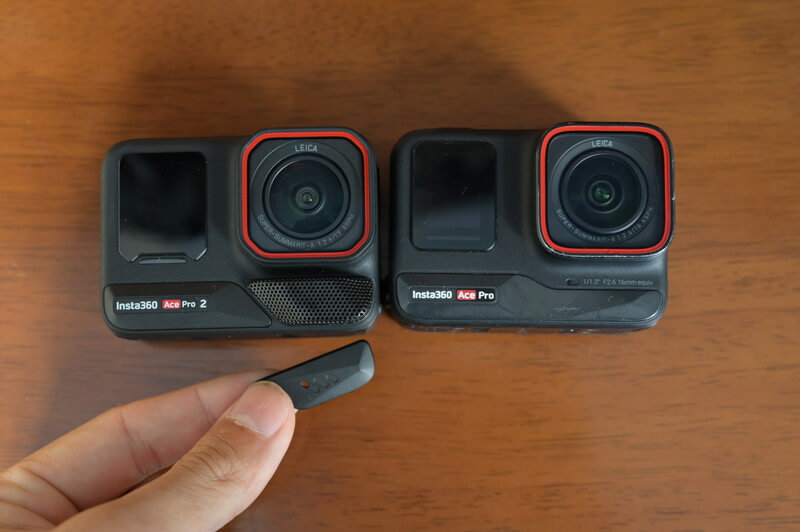
operating sense
Next, I will evaluate the handling and operational feel of these two cameras. After a careful comparison, it’s not difficult to see that the differences here are quite noticeable—once again reflecting Insta360’s consistent product design philosophy and its evident commitment to meticulous attention to detail.
Let’s start with the Type-C power port and the SD card slot. Beginning with the Ace Pro, the battery has been designed separately from these two components. In personal use, this setup feels especially convenient, as the battery cover no longer needs to be opened frequently.
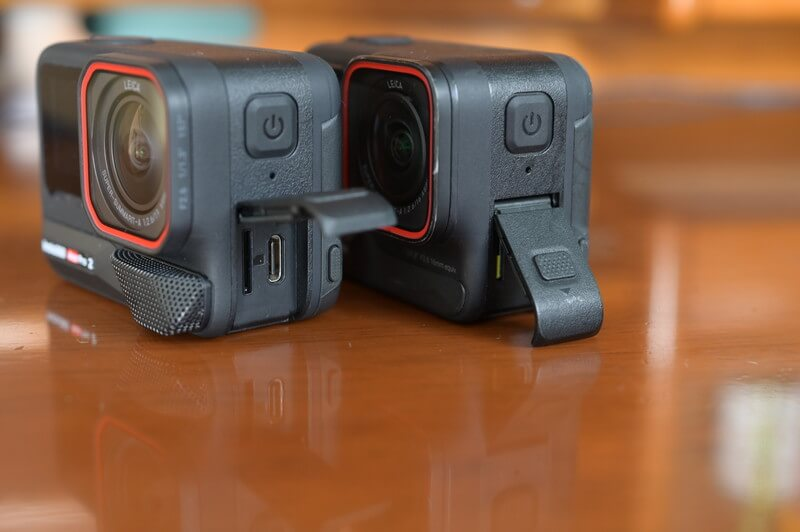
The subtle upgrade this time lies in the fact that the cover can be held in place when opened—once flipped upward, it gently clicks into a locked position. This design makes tasks such as swapping SD cards especially easy and convenient.
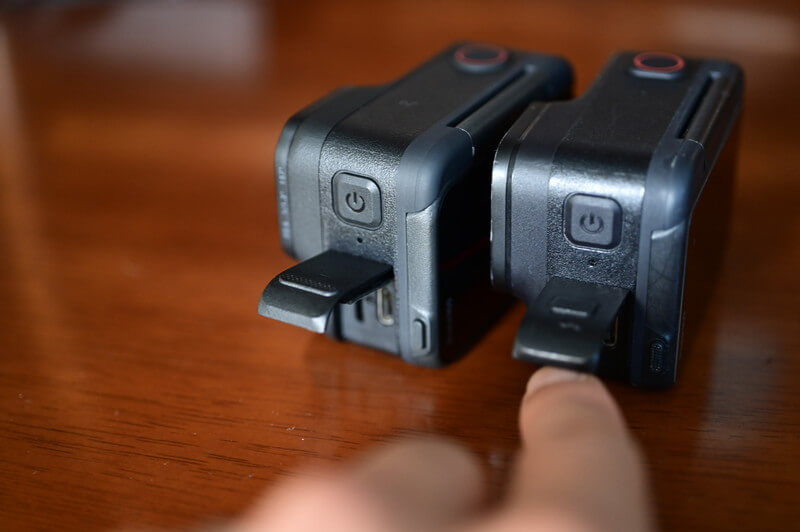
Additionally, the battery cover opens in a very clean and decisive manner.
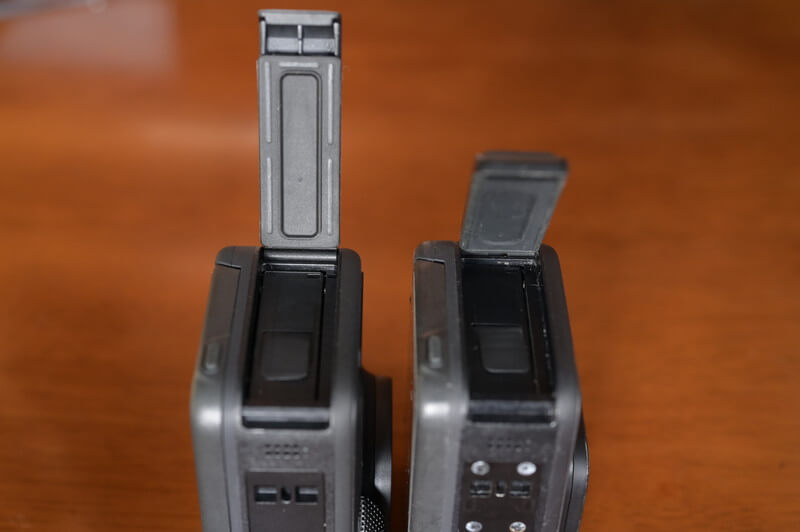
The closing mechanism of the Ace Pro 2’s cover has been upgraded from the latch-style design of the previous Ace Pro to a sliding lock mechanism. While the Ace Pro was not difficult to use, the Ace Pro 2 clearly offers superior sealing performance.
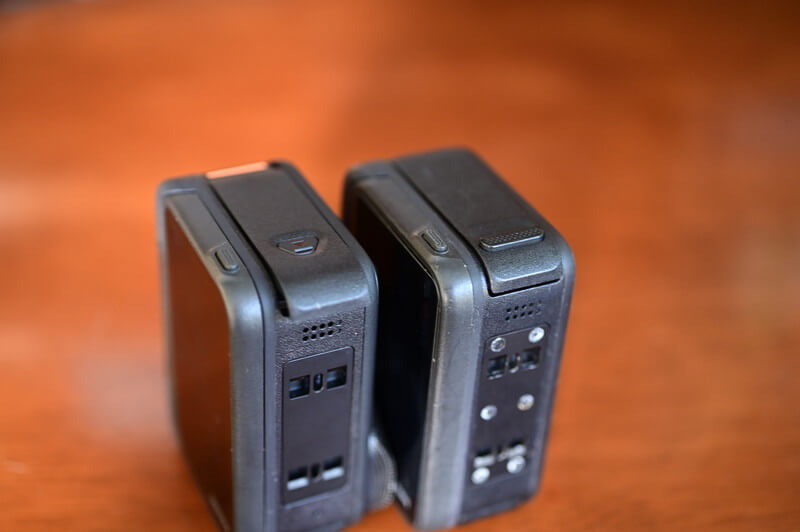
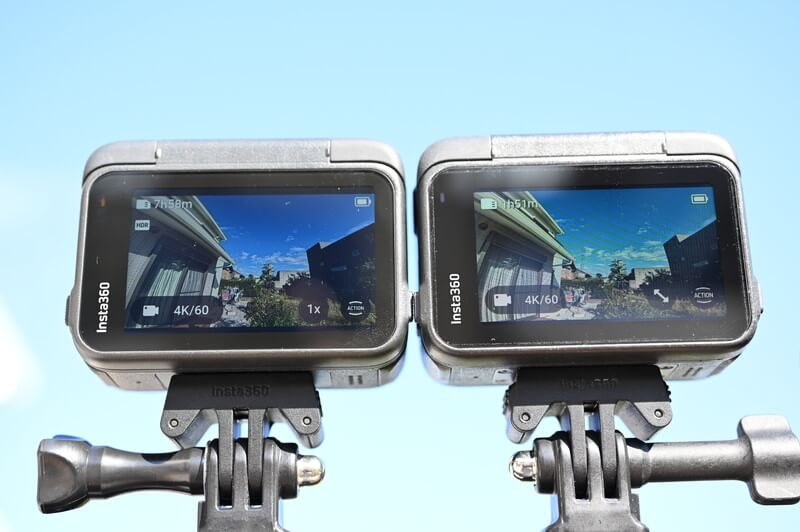
As for the flip screen, its durability is said to have been improved to twice that of the Ace Pro. I hadn’t previously paid much attention to screen durability, but such an improvement is certainly welcome. In practical use, this flip screen is just as easy and convenient as the Ace Pro’s—whether for selfies or for adjusting composition when the camera is placed on a surface.
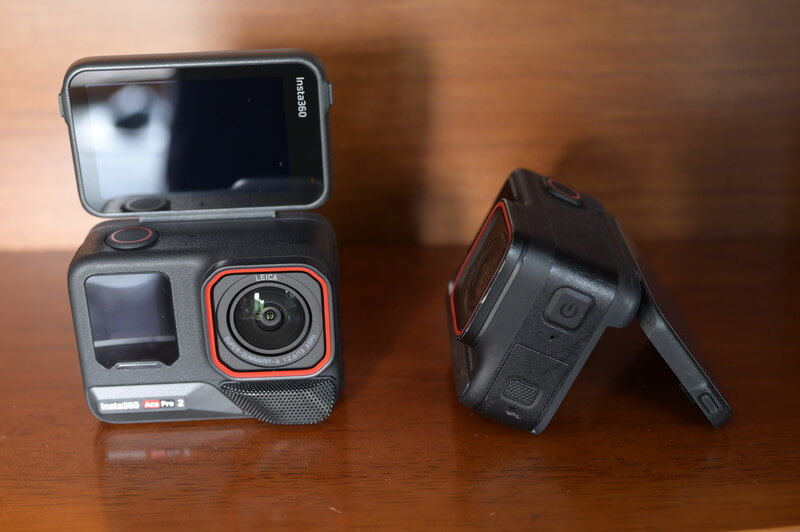
I used the Ace Pro for a full year without experiencing any signs of component damage. Despite having a flip screen, its durability is generally something you can feel confident about.
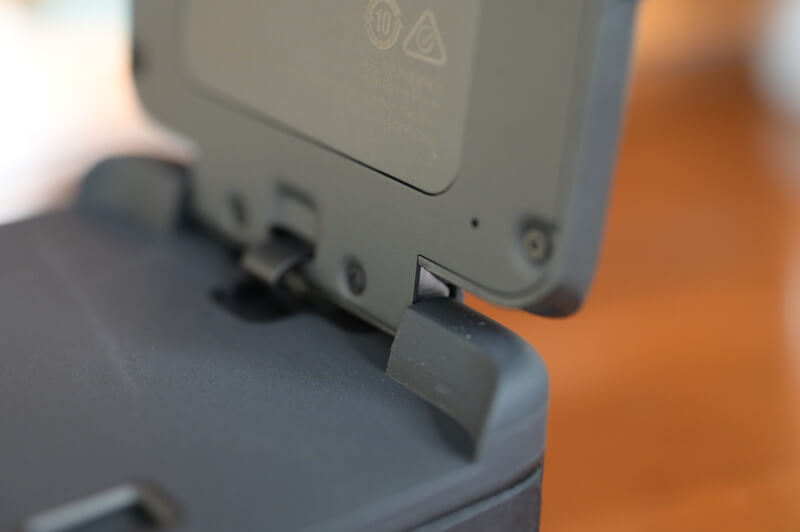
The screw-fastened mounting interface on the bottom of the Ace Pro has been removed. When I previously used the Ace Pro at the beach without a dive housing, the screw mount eventually developed some minor rust. With the Ace Pro 2, this concern is completely eliminated.
Being able to refine all of these details likely involved a fairly complex development process behind the scenes, and this turned out to be the most unexpected upgrade point in my experience.
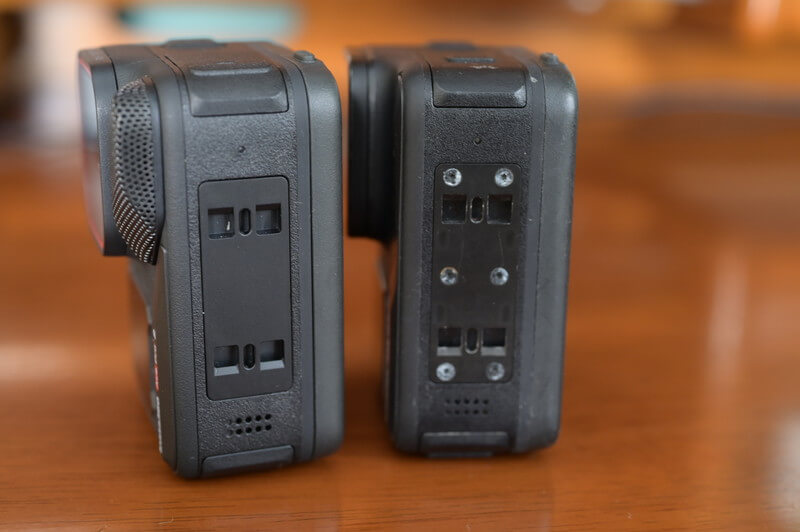
The one-click installation of the quick-release mount is the same as on the Ace Pro, utilizing a magnetic attachment combined with automatic locking.
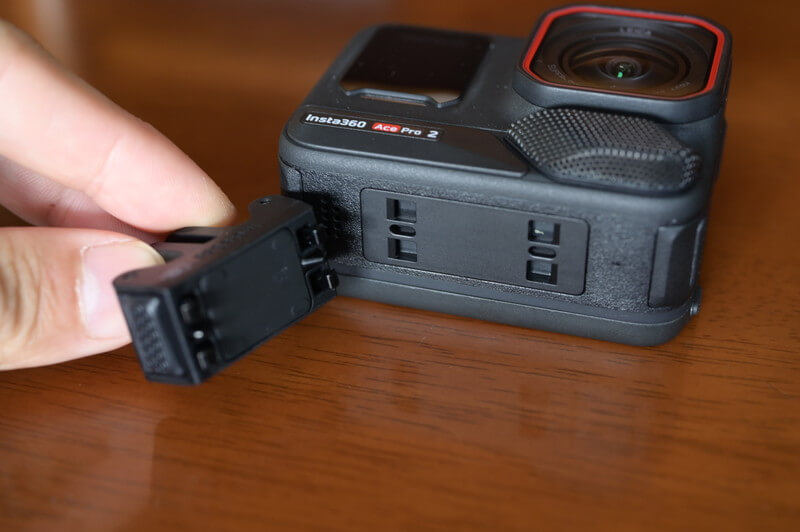
Compared with the Ace Pro, the magnetic design of the Ace Pro 2 either offers stronger magnetic force or improved alignment precision of the magnetic center—whichever the case, it makes the overall mounting and removal process noticeably smoother.
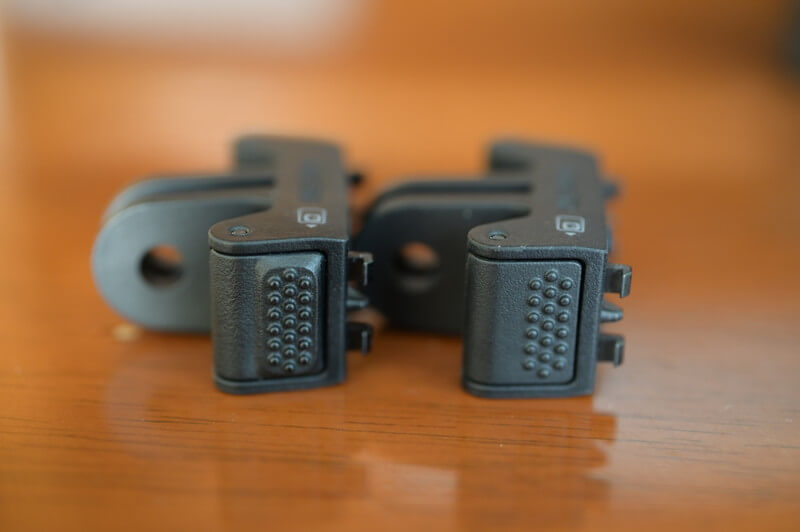
Compared with the Ace Pro, locking the Ace Pro 2 into place has become easier.
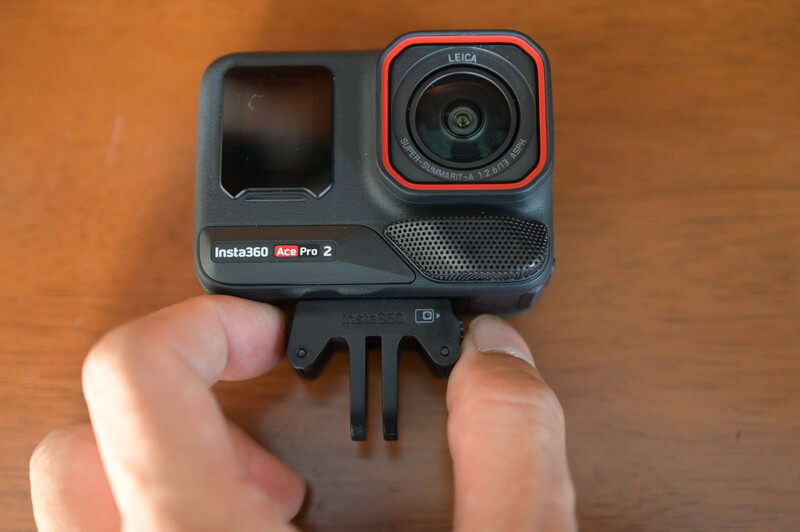
Compared with the Ace Pro, the Ace Pro 2 features numerous subtle refinements in overall usability. As someone who has used the Ace Pro for nearly two years, I can clearly feel that the Ace Pro 2 delivers a more comfortable and intuitive operating experience. Of course, the most fundamental upgrades this time are still centered on improvements in image quality and the camera’s core performance.
The resolution settings interface has been changed from a horizontal to a vertical layout, making the overall design more intuitive and easier to understand. The startup and shutdown speeds remain the same as the Ace Pro; however, compared to GoPro, the Ace Pro 2 boots up approximately one second faster.
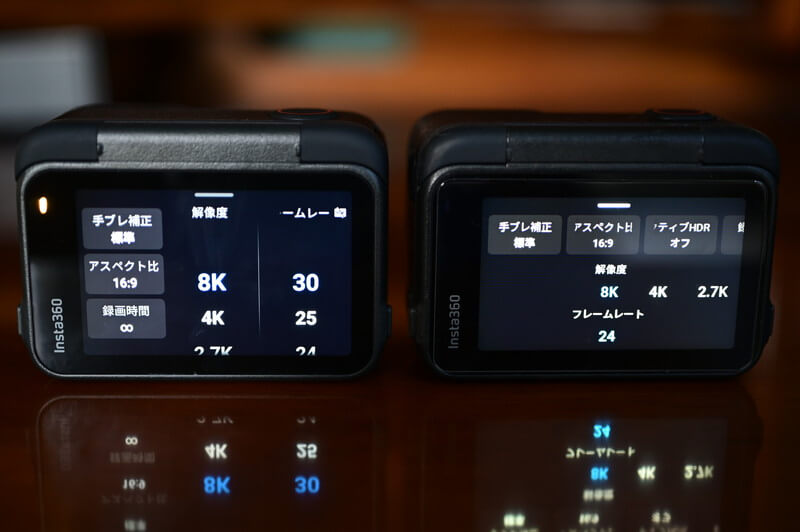
The touchscreen operation is extremely smooth, with no noticeable lag during swiping or interaction.

The screen’s pixel density has increased by 70%, and brightness has been boosted by 6%, allowing for clear visibility even in bright environments. During shooting, the display appears more vivid, enhancing the anticipation and excitement of capturing footage.
Use this link to get a free gift, while stocks last.
Ace Pro 2 vs Ace Pro Microphone Differences
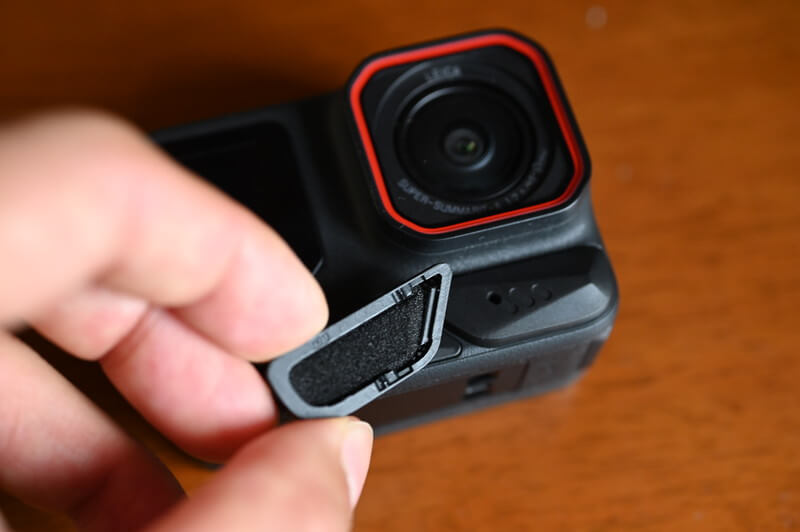
The Ace Pro 2’s microphone cover has been upgraded to a “wind-resistant design” that incorporates foam to reduce wind noise.
In simple terms, this means the foam windscreen is built in without compromising the design. Compared with the Ace Pro’s microphone performance, I personally didn’t notice a significant difference for Vlog recording. However, in scenarios with strong wind noise, the Ace Pro 2 offers a clear advantage, delivering a more authentic and cleaner audio capture.
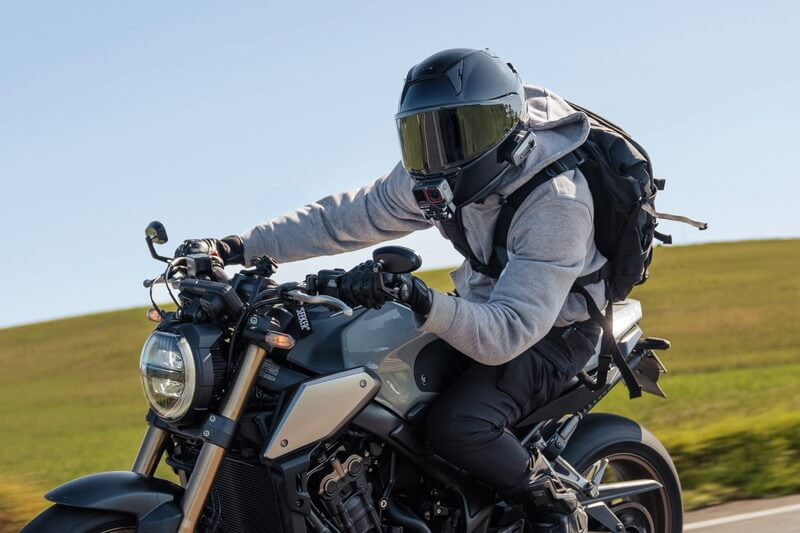
In action scenarios, I choose the Ace Pro 2 to record activities such as motorcycle riding, skiing, and road cycling.
Ace Pro 2 vs.
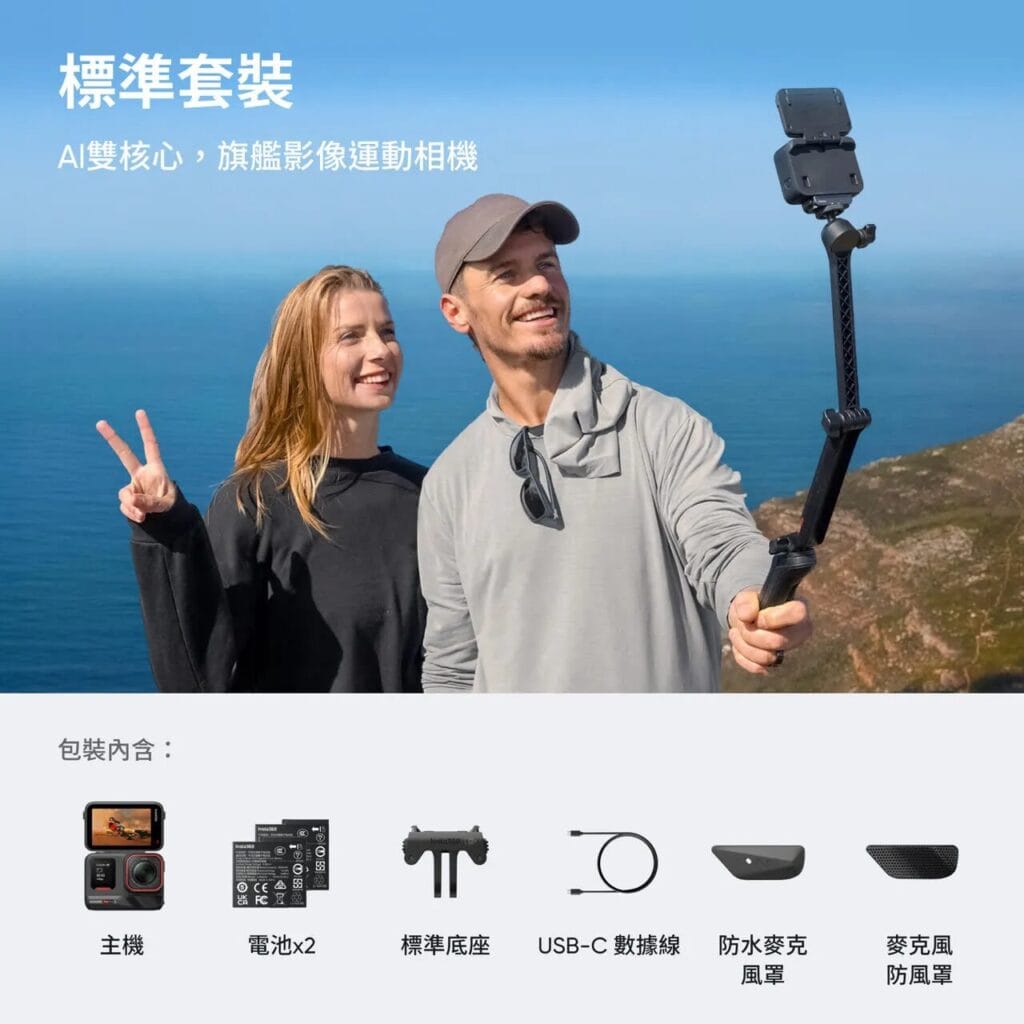
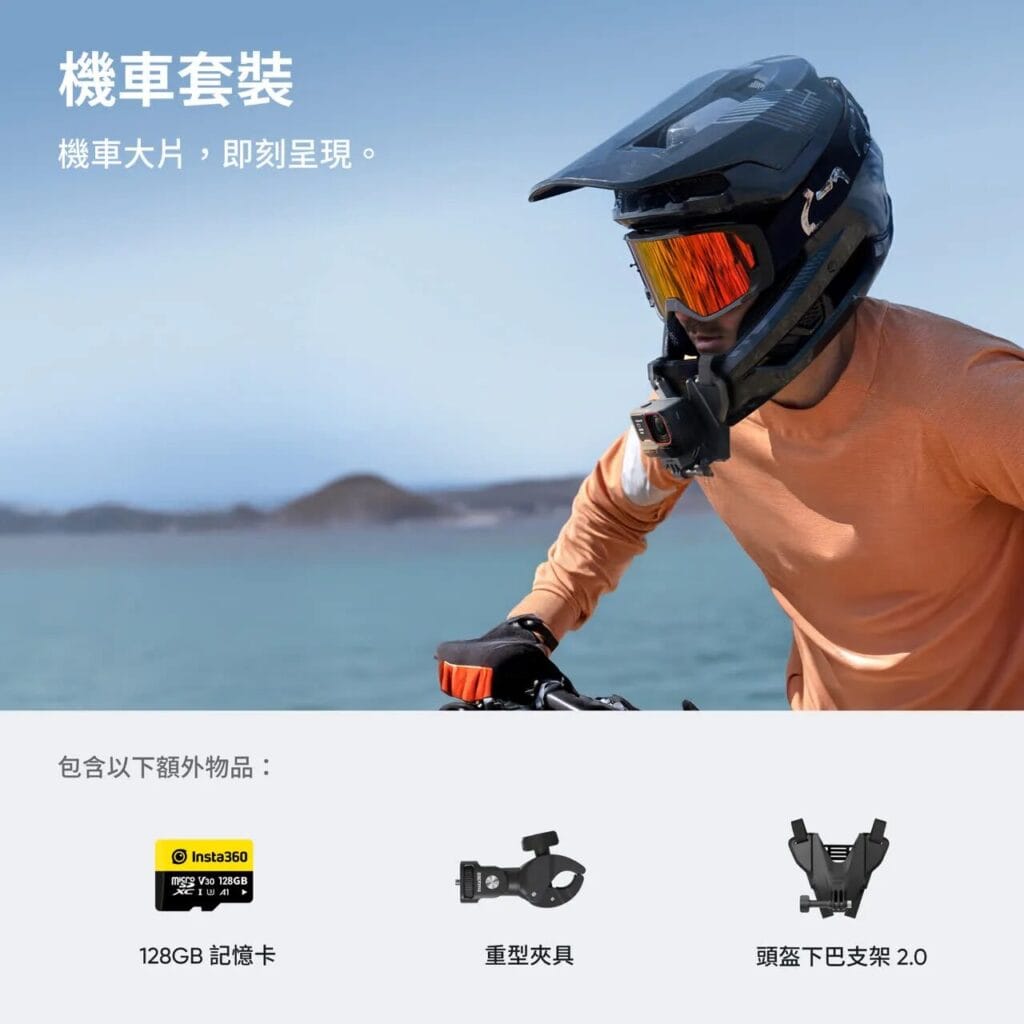
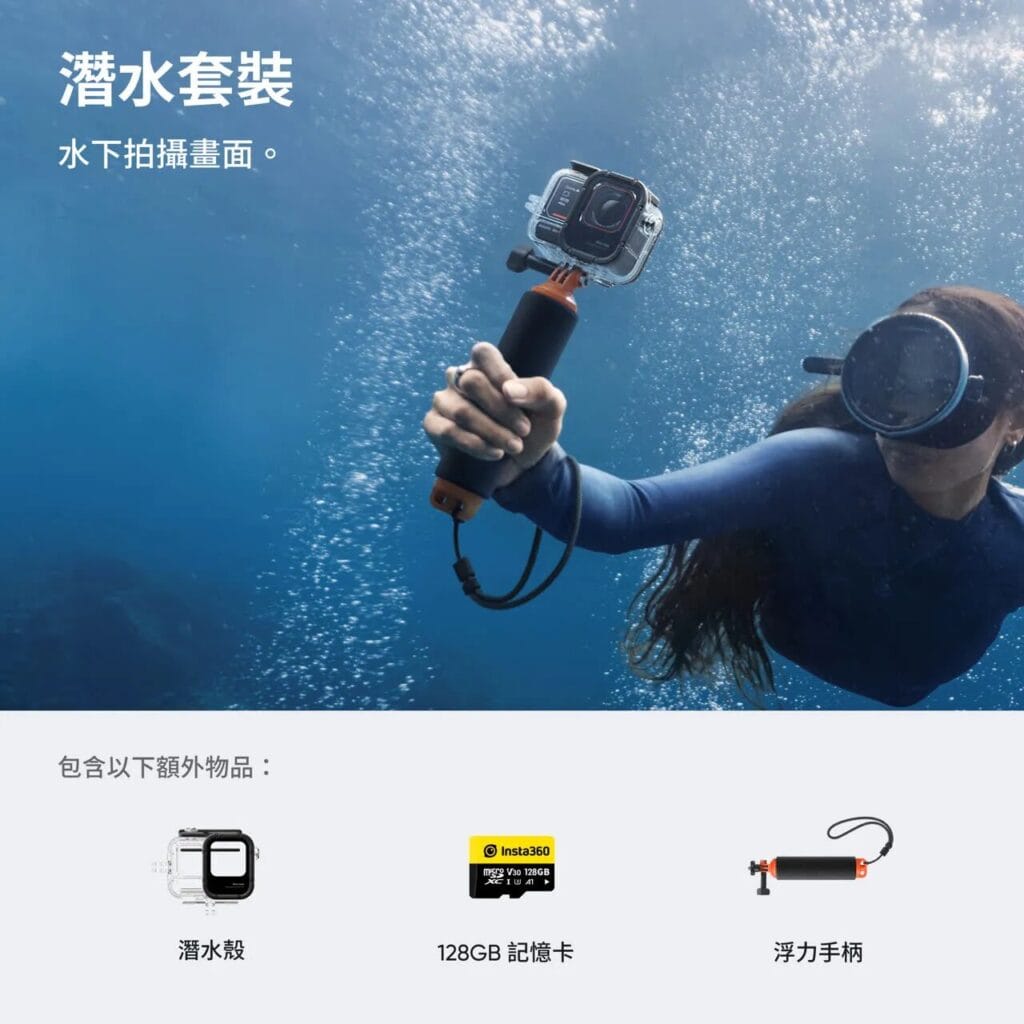
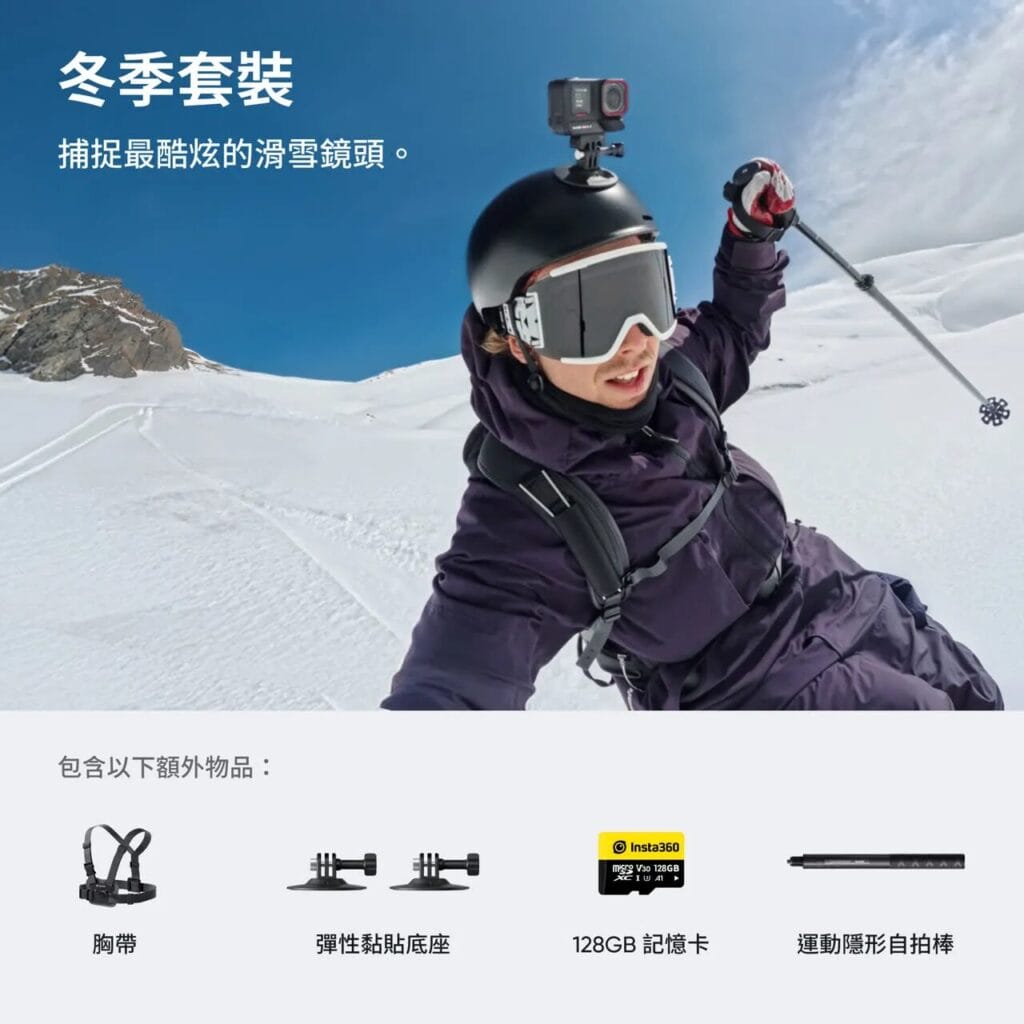
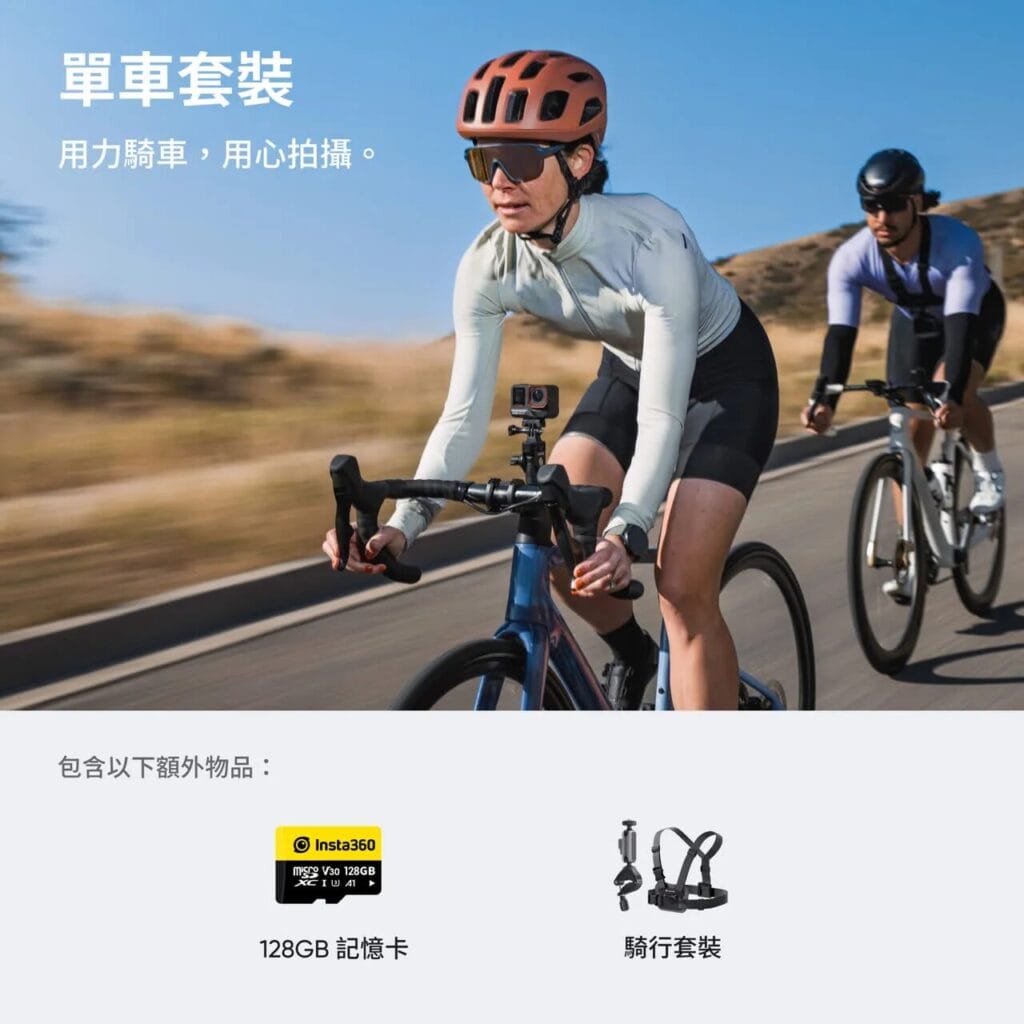
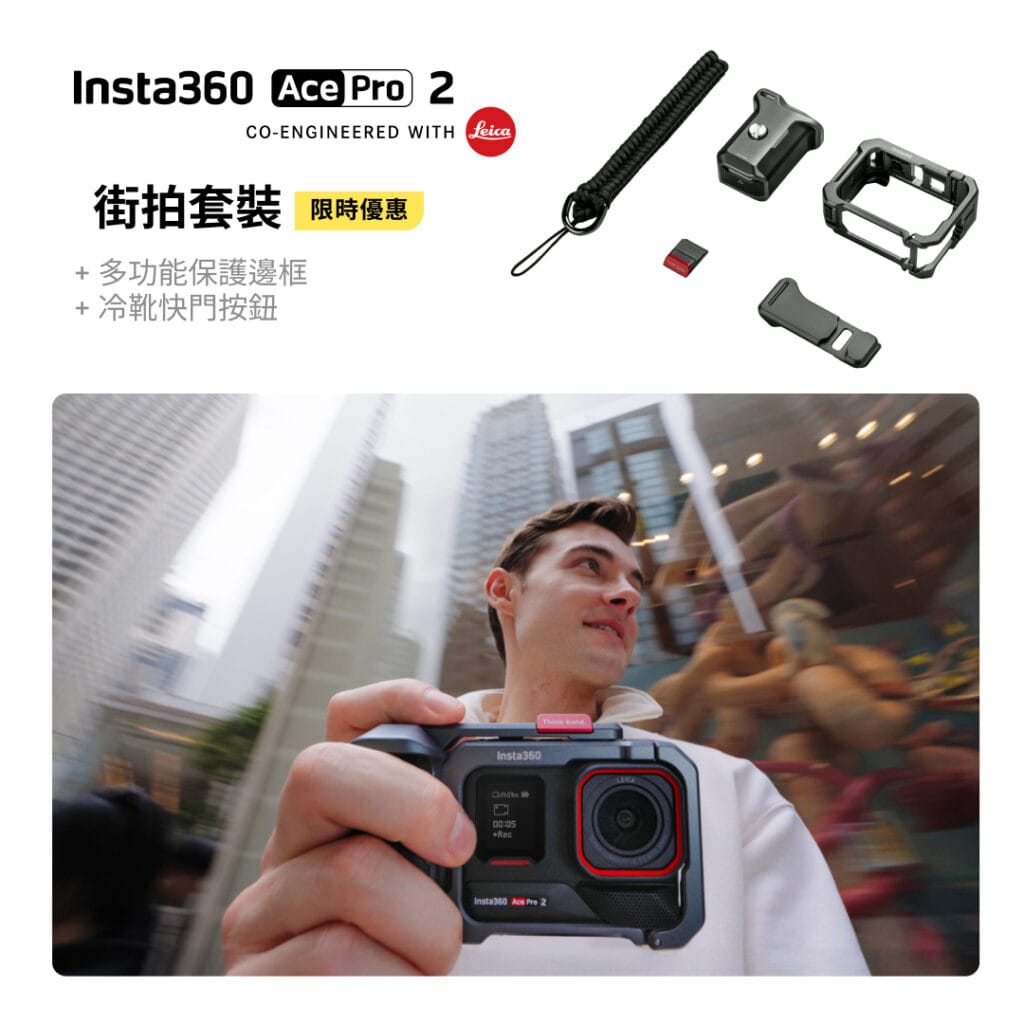
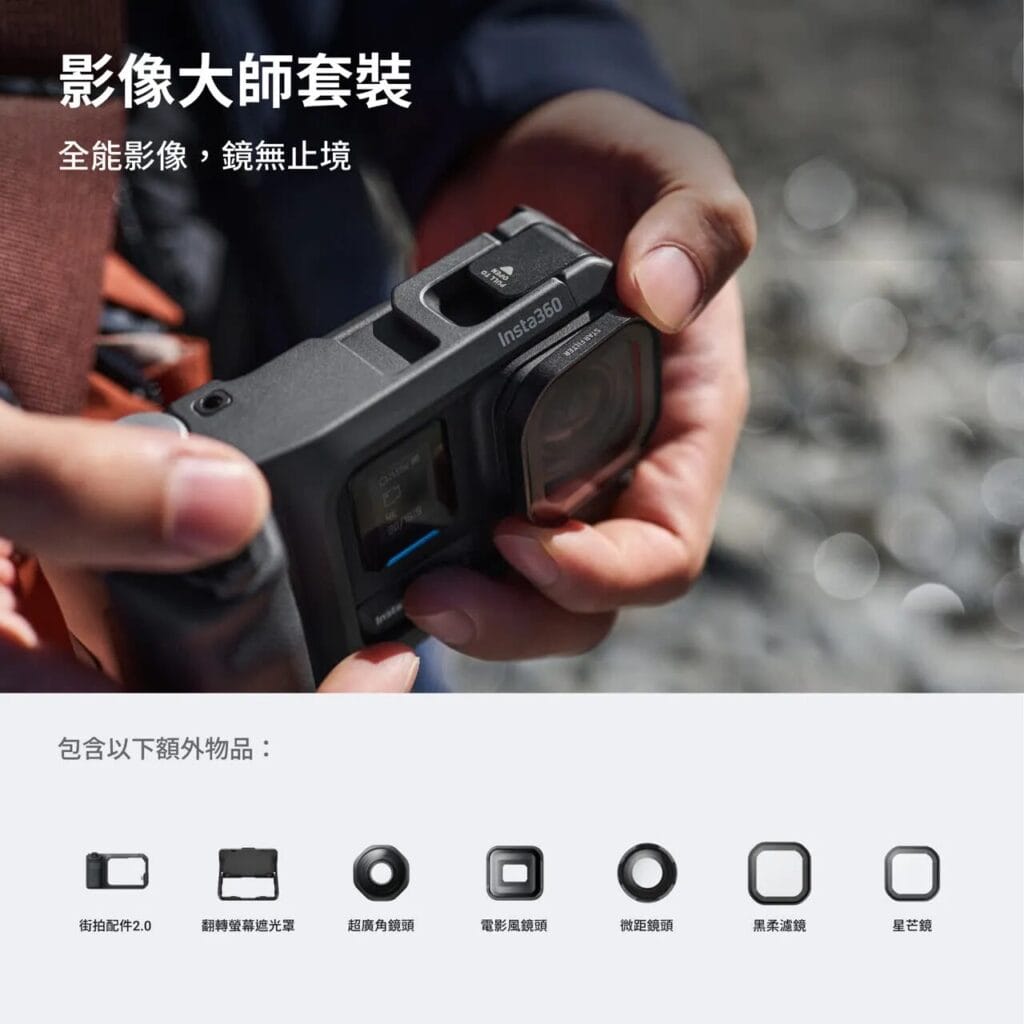
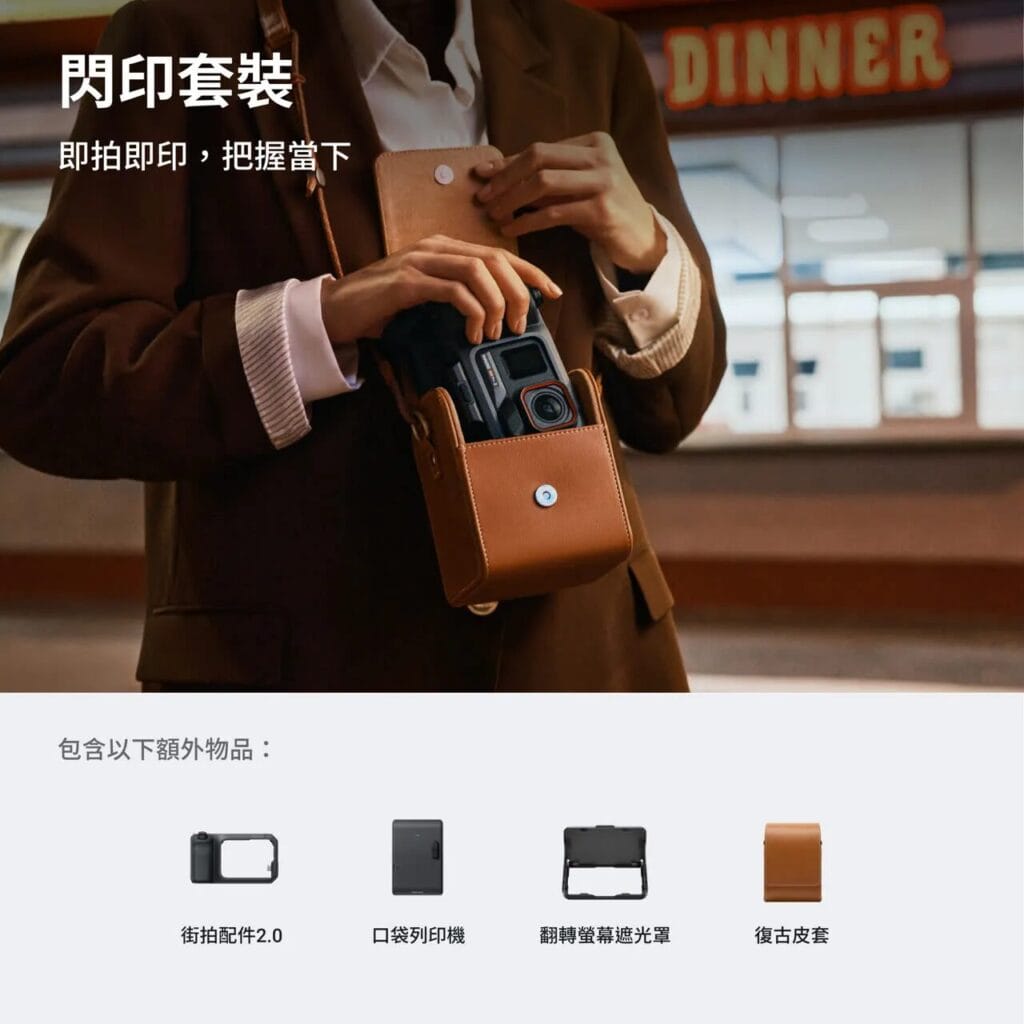
The Insta360 Ace Pro 2 currently offers 9 popular flagship bundles, covering four major scenarios: “Street Shooting,” “Diving,” “Skiing,” and “Cycling.”
Although the Ace Pro and Ace Pro 2 bundles are largely similar, the Ace Pro 2 offers three additional bundles specifically for street shooting: the Street Shooting Bundle that instantly turns the action camera into a street photography tool, the Master Imaging Bundle which includes four external lenses, and the Snapshot Bundle featuring instant-print capabilities. Essentially, these bundles transform a single action camera into a digital camera, instant camera, and macro camera, allowing you to capture great shots from any perspective.
What packages are available for the Ace Pro 2?

Other differences
Insta360 action cameras always offer multiple shooting modes to choose from.
Vehicle Logger Mode
The Ace Pro 2 supports Dashcam Mode and Power-Saving Mode.
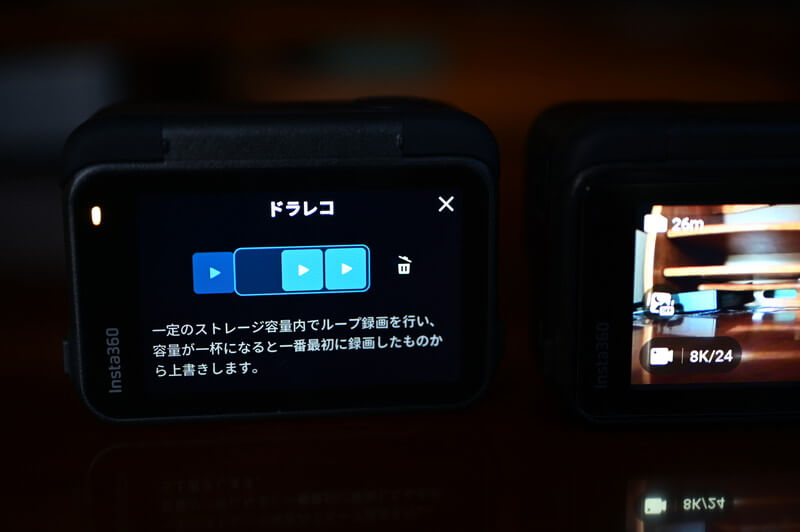
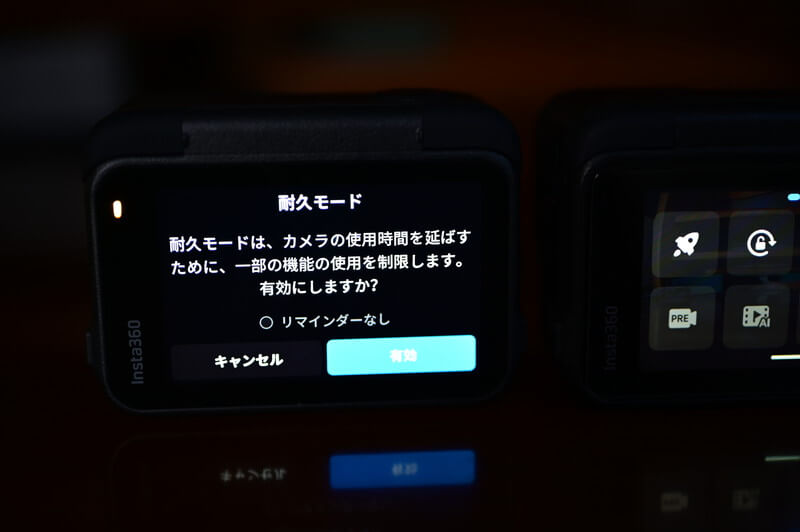
An additional Underwater Mode has also been added, though I haven’t used it yet.
This past summer, I used the Ace Pro underwater, and even divers in Okinawa praised its impressive color performance beneath the surface. I hope to bring you a full diving review next time~
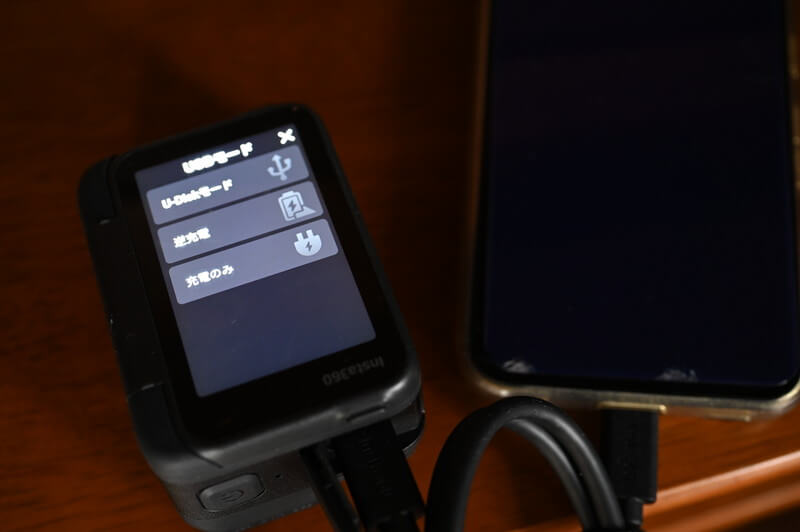
By connecting the Ace Pro 2 to a smartphone using a Type-C to C cable, reverse charging is possible. With its 1800mAh battery, the Ace Pro 2 can serve as an emergency power bank for your phone.
Save the film archive
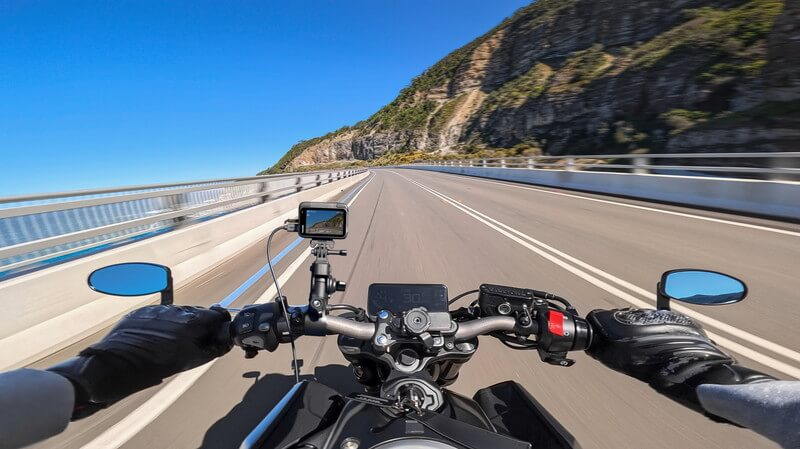
Compared with the Ace Pro, the Ace Pro 2 reduces video file sizes by half. This is a great upgrade for those who record long sessions, such as during motorcycle rides.
Insta360 Ace Pro 3 Release Date
Looking at the release dates, the Ace Pro was launched on November 21, 2023, while the Ace Pro 2 hit the market on October 22, 2024, maintaining an update cycle of roughly one to one and a half years. Insta360 founder JK has stated in an interview that the Ace Pro 3 will not be updated within 2025, meaning the earliest we can expect the Insta360 Ace Pro 3 to launch is the first quarter of 2026.
In 2025, there will still be a duel between Insta360 Ace Pro 2, DJI Osmo Action 5 and GoPro HERO 13. In summary, the three brands are likely to receive a new round of updates in the first or second quarter of 2026.
My personal guess is that Ace Pro 3 will be available in Jan~March 2026 at the earliest.
In terms of pricing, the launch prices of the Ace Pro and Ace Pro 2 were similar, so it is likely that the Insta360 Ace Pro 3 will maintain a similar price point (around NTD $15,000 / HKD $3,000 / USD $400).
In terms of design, Insta360 action cameras have historically emphasized accessory and battery compatibility, so it’s reasonable to expect that the Ace Pro 3 will continue to feature a flip screen. As for the front display, it may offer additional shooting settings and display functions, providing an even more convenient user experience.
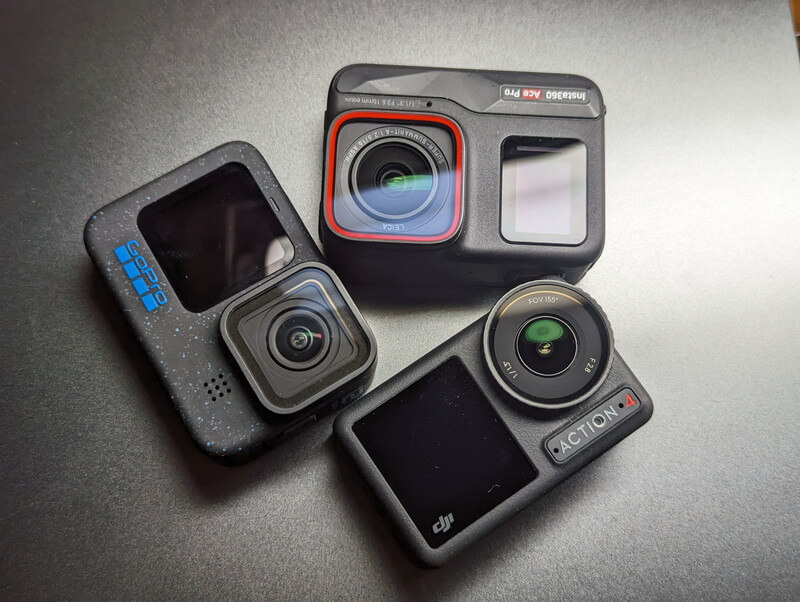
Insta360 Buying Guide Conclusion
That concludes our detailed comparison between the Insta360 Ace Pro 2 and the Ace Pro. There’s no doubt that the Ace Pro 2 is one of the most powerful action cameras currently on the market. While the Ace Pro 2 brings significant upgrades across the board, the Ace Pro remains an extremely cost-effective entry-level action camera—especially during promotional periods, when it often comes with substantial discounts. Overall, the Ace Pro is still an excellent choice for users on a budget or those purchasing their first action camera.
Use this link to get a free gift, while stocks last.