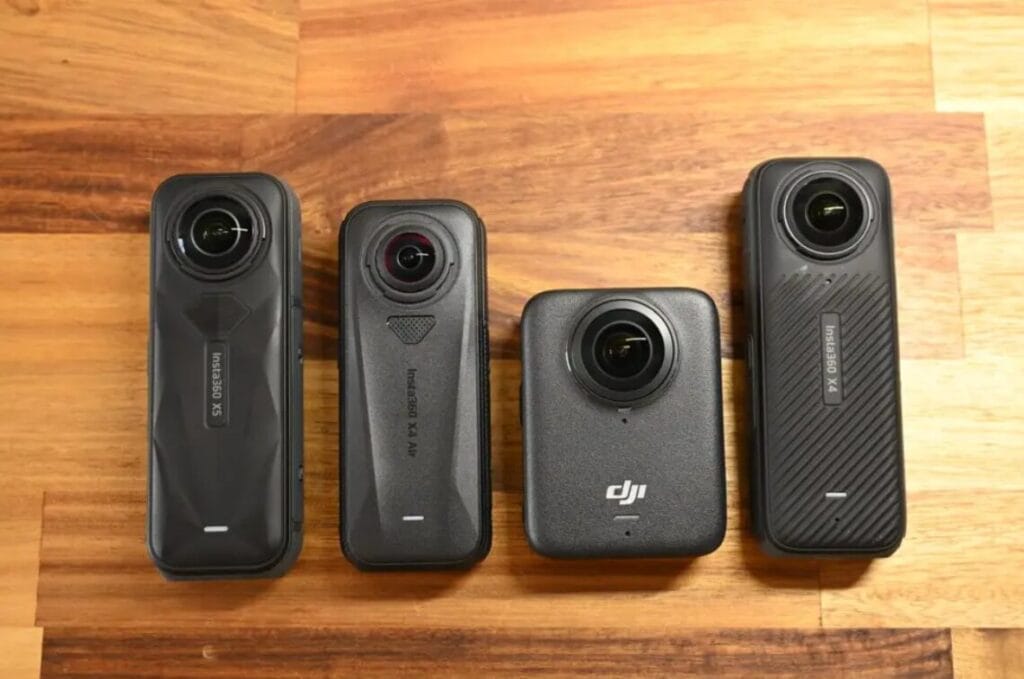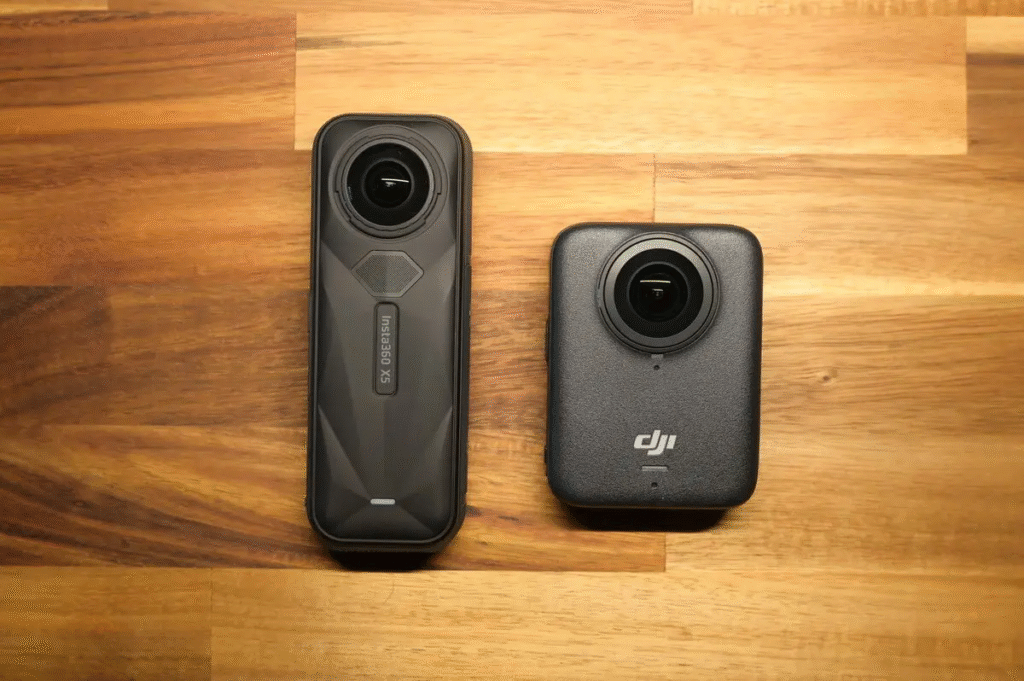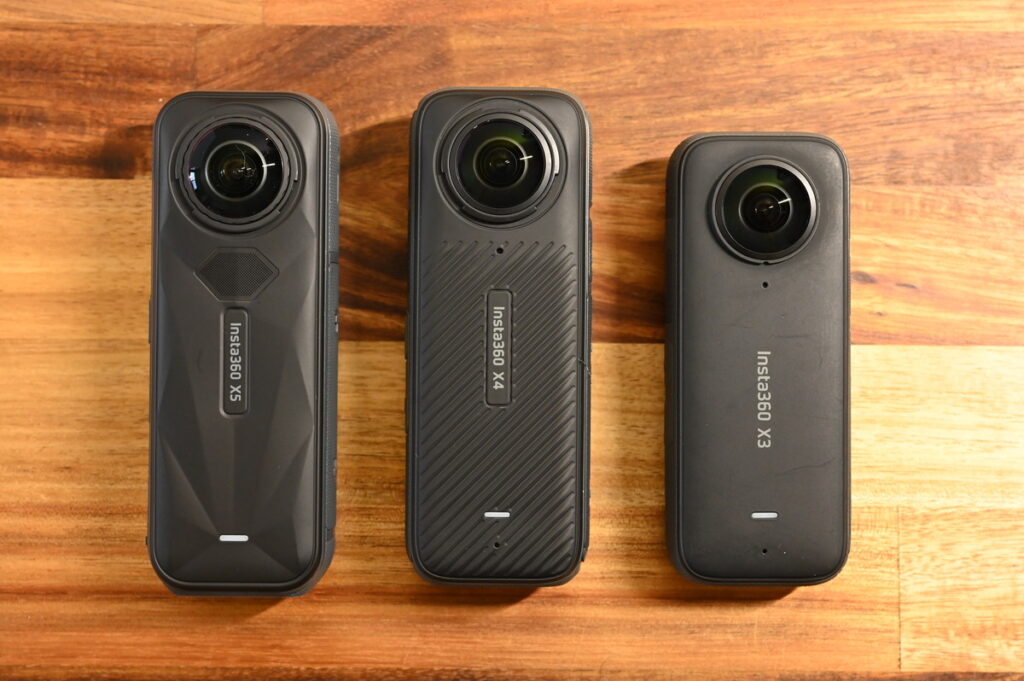



On 28 October 2025, Insta360 launched a new Insta360 X4 AirBefore the X4 Air was released, the Insta360 X5 and DJI Osmo 360 were the mainstream models on the market.
When choosing a 360 camera, the most common factors are price, portability, image quality, and ease of use of the app. Those who prioritize image quality tend to choose the Insta360 X5, while those who prioritize price and portability prefer the DJI Osmo 360.
Insta360 X4 Air Its release has revolutionized the market, making it the most lightweight and cost-effective 360 camera currently available.
This review will provide a comprehensive comparison of four panoramic cameras: Insta360 X5, X4 Air, X4, and DJI Osmo 360, offering a one-stop "360 camera family" buying guide. Through this review, you can gain a deep understanding of the advantages and disadvantages of each model, allowing you to accurately select the most suitable 360 camera for your needs and make a more informed purchase.
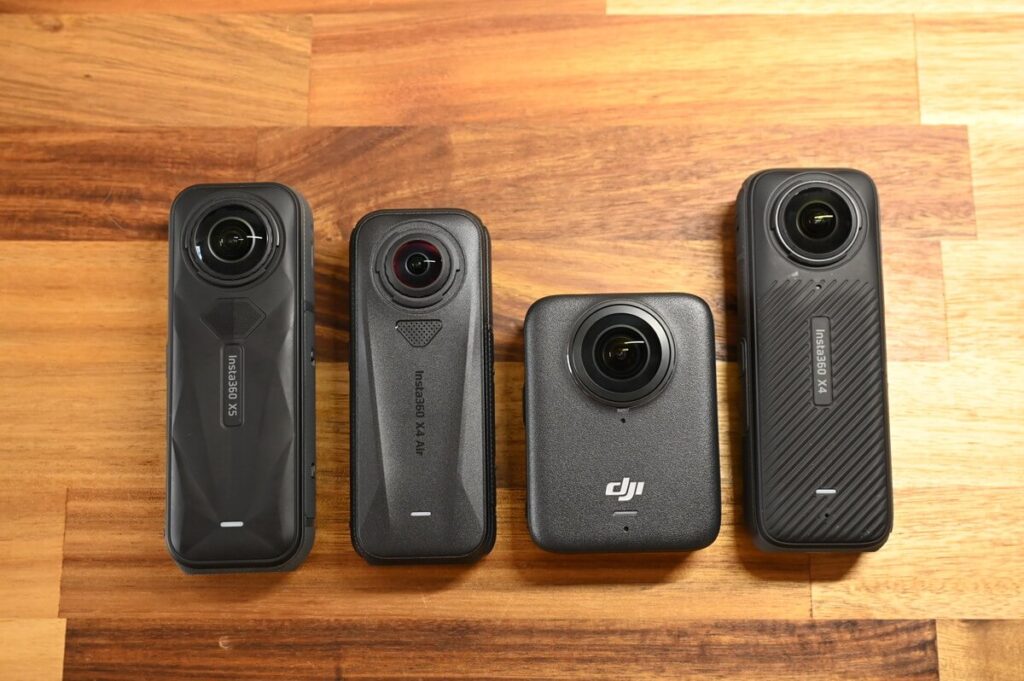
Key Takeaways – X5 vs X4 Air vs Osmo 360
Firstly, a brief summary of the key points.
Insta360 X5
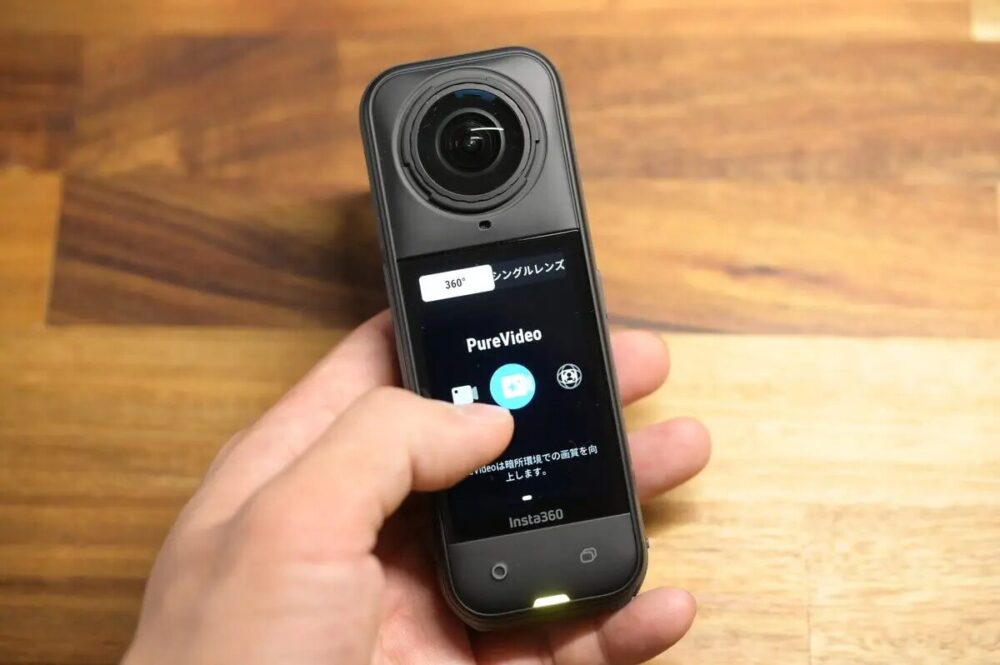
Insta360 X5 Advantages
✅ Insta360 APP software that's intuitive and easy to use.
✅ 8K quality
✅ Don't worry about night shots
✅ You can already make satisfactory panoramic films with the automatic mode.
But the reason why many people will hesitate to get the X5 is that
❌ X5 is too expensive!
While the Insta360 X5 has many advantages, its "almost the highest price on the market" and "rarely discounted" characteristics inevitably make people hesitate before purchasing. As we all know, there is a reason for the high price, but sometimes, wanting to buy a panoramic camera is just to have an extra camera in addition to an existing wide-angle action camera or DSLR; or simply to record moments of skiing, diving, or cycling, and not to use it every day.
In this situation, the first thing to consider when choosing a 360 camera is its cost-effectiveness.
Insta360 X4 Air
Insta360 keenly observed[Value for money]This demand was addressed entirely with "cost-effectiveness" and "lightweight" as the core focus, resulting in the launch of... Insta360 X4 Air。
Leaving aside other highlights, this camera achieves top-tier status in both "lightweight design" and "cost-effectiveness." Especially for outdoor activities such as skiing and hiking, every extra gram of camera weight adds to the burden, and the Inst360 X4 Air perfectly solves this problem.
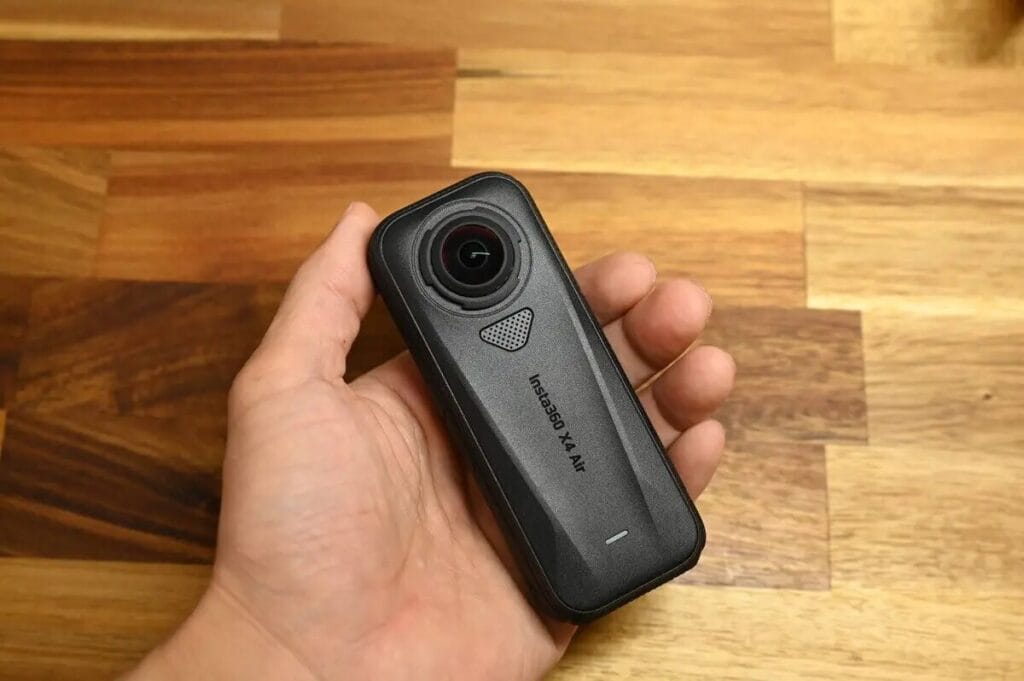
Insta360 X4 Air Pros
✅ Recording in sunlight and sunny conditions maintains roughly the same image quality as the X5.
✅ Uses the same Insta360 app as the X5
✅ The lightest 360-degree panoramic camera, even lighter than an iPhone
✅ It's also easy for girls to hold.
✅ Compared to the X5 and Osmo 360, it can be said to be... The most cost-effective panoramic camera
Insta360 X4 Air Cons
But the X4 Air has one major drawback.
❌ Night Shot Quality NG
Personally, I feel that using the Insta360 X4 Air is like using...A budget version of the Insta360 X5 with its low-light shooting quality removed.
DJI Osmo 360
Before the Insta360 X4 Air was released, I would have unhesitatingly declared the DJI Osmo 360 the "best value" among 360 cameras. Unfortunately, now, based solely on "value," I would vote for the X4 Air. However, for professional creators who prioritize 10-bit Log recording, or those who need to record extreme sports like paragliding,DJI Osmo 360 It is still the best choice.

DJI Osmo 360 Advantages
✅ 10-bit DLog recording, suitable for post-production
✅ Support up to 8K 50fps recording
✅ Cheaper price than X5
✅ Night Shot Quality OK
✅ Compact and portable
DJI Osmo 360 Disadvantages
If you use the Osmo 360 in depth, you'll find both the drawbacks and the advantages of this camera are obvious
❌ DJI Mimo and DJI Studio are significantly different from the Insta360 APP in terms of functionality and ease of operation.
❌ Fixed lens, higher warranty cost when damaged
❌ 10 Bit It's almost impossible to post a video on a mobile phone.
❌ The square design is not suitable for girls to hold, when recording, if the object is too close to the camera, the picture will be spliced incorrectly.
❌ Limited choice of accessories, e.g. no dive case support
You also need to be aware of these drawbacks before choosing a DJI Osmo 360. Especially the post-production editing.
Specification Comparison
| X5 | X4 Air | Osmo360 | X4 | |
|---|---|---|---|---|
 |  |  | 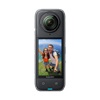 | |
| sensor | 1/1.28 | 1/1.8 | 1/1.1 | 1/2 |
| wafers | 3 | 1 | 1 | 1 |
| Panorama Film Quality | 8K30fps 5.7K60fps 4K120fps | 8K30fps 6K50fps 4K50fps | 8K50fps 6K60fps 4K100fps | 8K30fps 5.7K60fps 4K100fps |
| Night Shot Quality | 8K30fps | 8K30fps | ||
| HDR Recording | 5.7K60fps | 8K30fps | 8K60fps | 5.7K30fps |
| Single Camera Recording | 4K60fps | 4K60fps | 4K120fps | 4K60fps |
| photographs | 72MP | 72MP | 120MP | 72MP |
| Secondary colours | 8-bit | 8-bit | 10-bit | 8-bit |
| Battery Capacity | 2400mAh | 2010mAh | 1950mAh | 2290mAh |
| Waterproof | 15m | 15m | 10m | 10m |
| Wind Noise | ||||
| Built-in storage | 128GB | |||
| Weights | 200g | 165g | 183g | 203g |
| Replaceable Lens Design | ||||
| brackets | Standard Mount for Insta360 Ace Series 1/4 ” screw thread | Standard Mount for Insta360 Ace Series 1/4 ” screw thread | Standard Mount for Insta360 Ace Series 1/4 ” screw thread | 1/4 ” screw thread |
| Standard Package Price | NTD $19, 490 | NTD$12,200 | NTD$ 11,190 (discounted price) | NTD$12,999 (Discounted price) |
From the specifications it can be said that
- Price" and "lightness" are the most important choices. Insta360 X4 Air
- Picture Quality First Choice Insta360 X5
- Durability" is important, and "Extreme Sports" use is preferred. DJI Osmo 360
Key points for choosing a 360 camera
Picture Quality
The DJI Osmo 360 uses a 1/1.1" sensor and the Insta360 X5 supports a 3-fast chip. Hardware wise, they have their own style.
Although the DJI Osmo 360 has garnered attention for supporting a 1-inch sensor, it actually uses a single chip (the Insta360 X5 uses three chips).

My personal experience is that sometimes I can feel the benefits of the Osmo 360's large sensor in improving image quality, and sometimes I can see the high-level processing capabilities of the X5's three chips.
Frame rate
Frame Rate (Frame Rate) is simply the number of frames displayed per second in fps (frames per second), which can be interpreted as an indicator of the smoothness of the video - each frame is like a still photo (called a "frame"). Each frame is like a static photo (called a "frame"), and quickly switching between these photos creates a dynamic film.
In terms of frame rate, the DJI Osmo 360 is quite good, and the Insta360 X5 supports up to 8K 30fps, so it's a good bet that it's a good choice.When it comes to slow motion playback, it's clear that the DJI Osmo 360 has the edge.Even the 4K single frame mode is capable of 120fps and can be slowed down to up to 4x slow motion. For sports photography, or for those who love the excitement of extreme sports, the DJI Osmo 360's high frame rate performance may be even more desirable.
Recorded on a sunny day
The weather before and after the launch of the X4 Air was not so good, almost every day was cloudy. Taking advantage of the rare sunny days, I took a few shots for comparison, so you can see the blue colour of the sky and the details of the clouds.
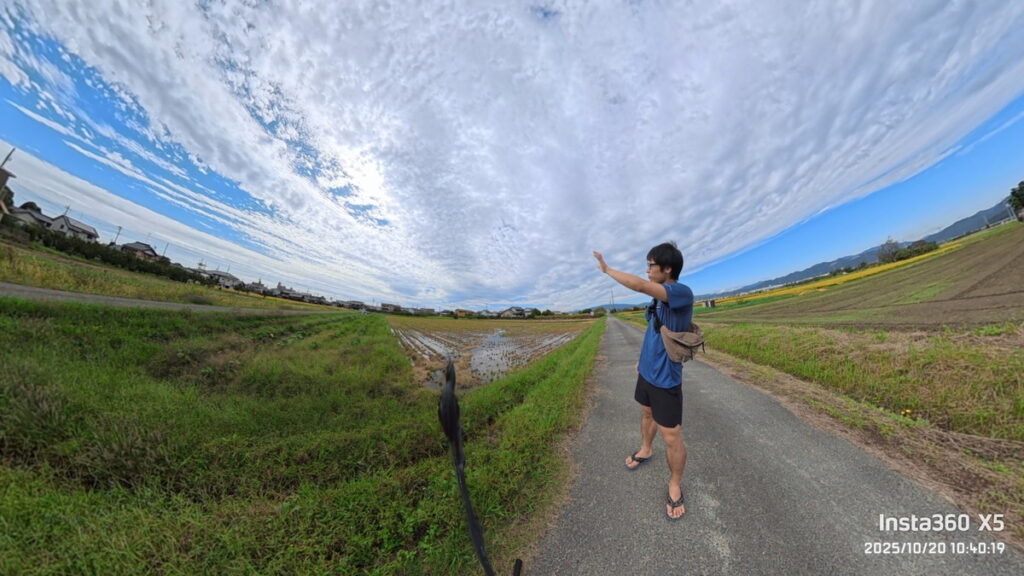
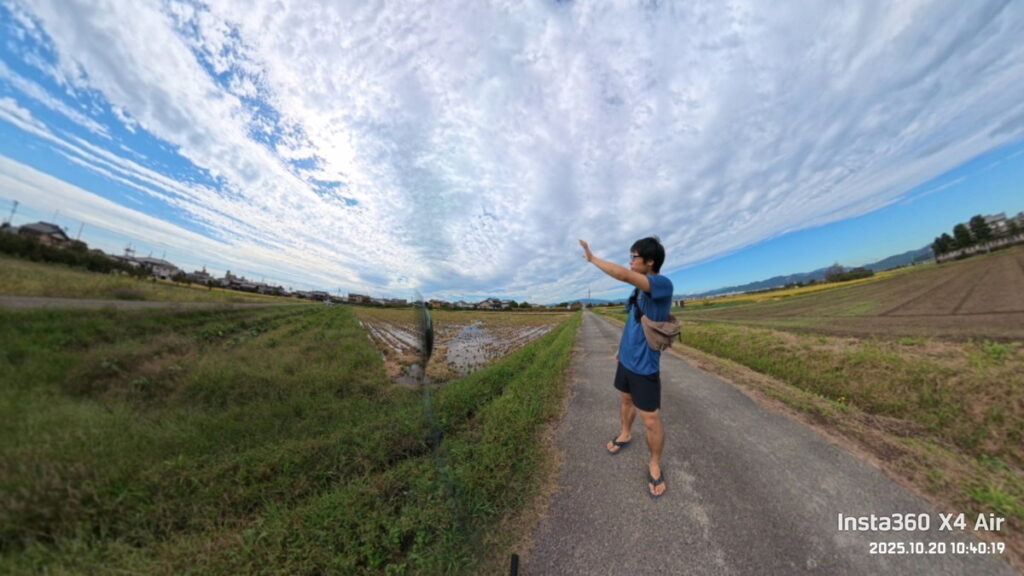
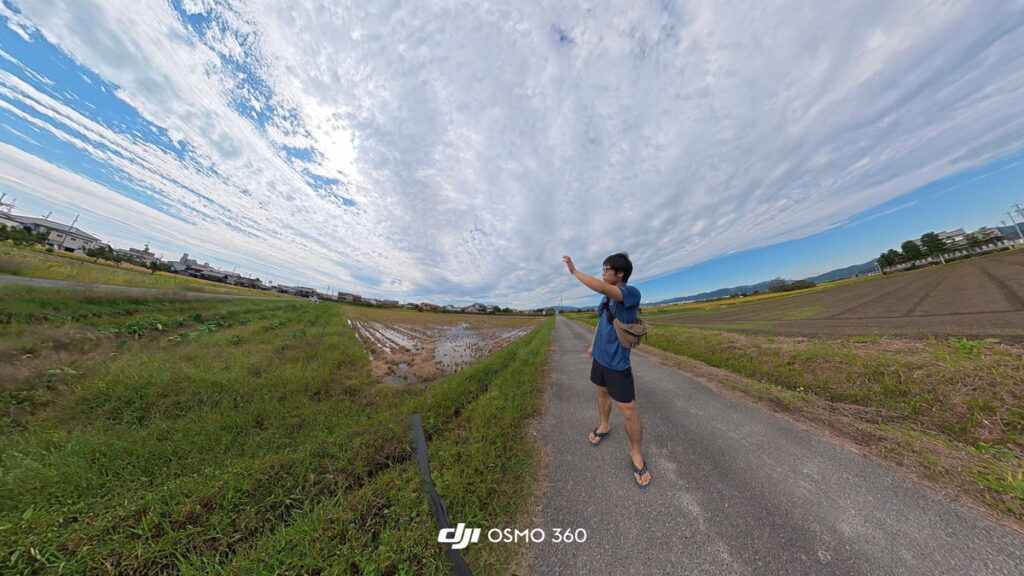
It can be said that there is basically no difference between the three cameras in terms of daytime shooting quality.
To be honest, sometimes I think Insta360 is better depending on the scene or situation, and sometimes I think DJI is better ......
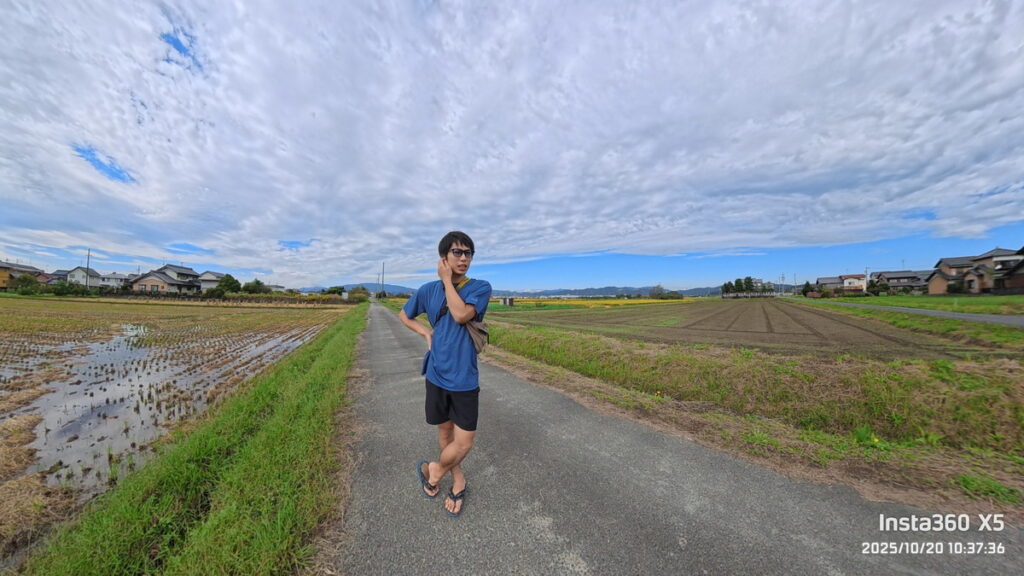
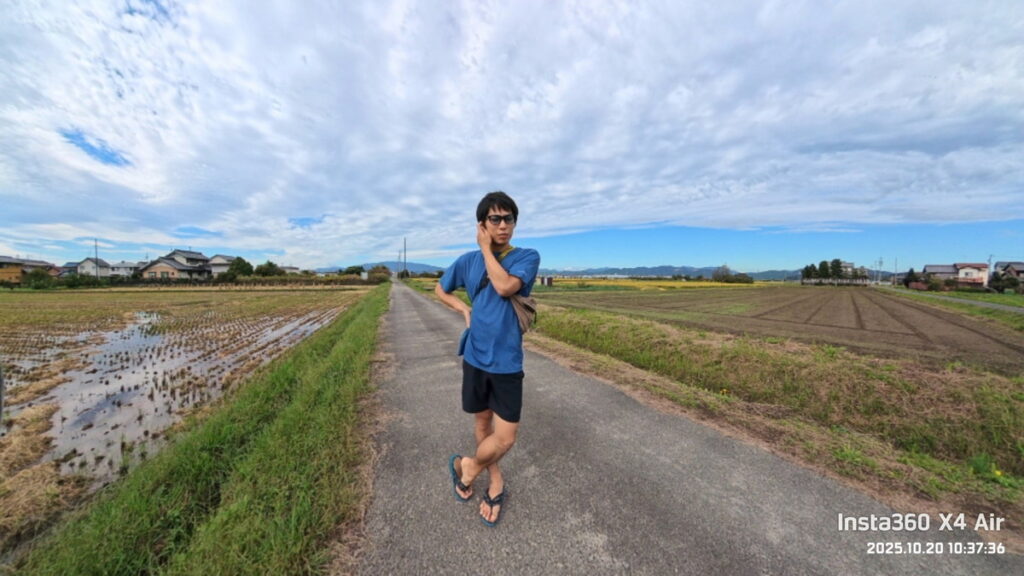
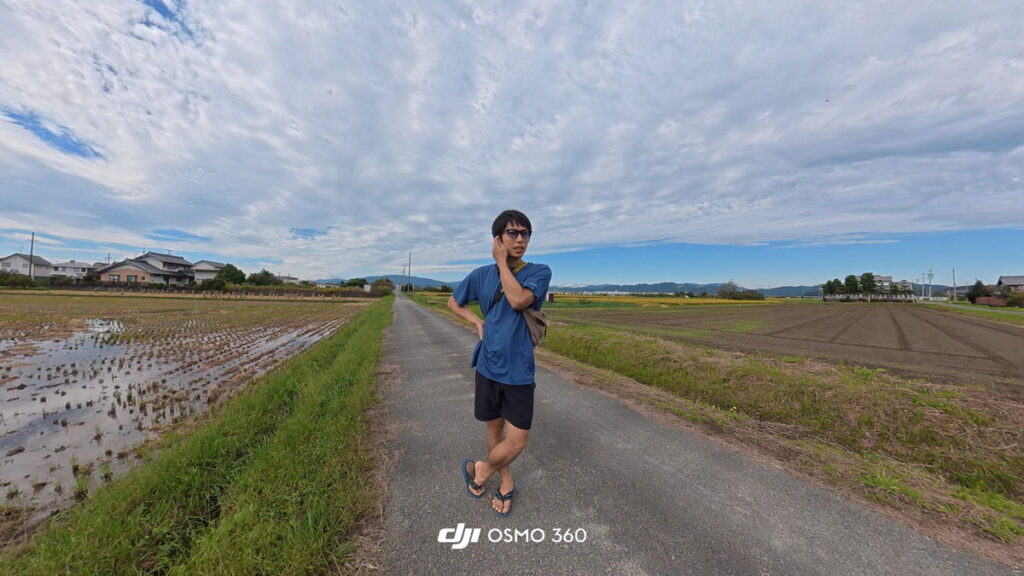
Sensory Insta360's camera always produces sharp contrasty images.The Insta360 X4 Air also reinforces this tendency.
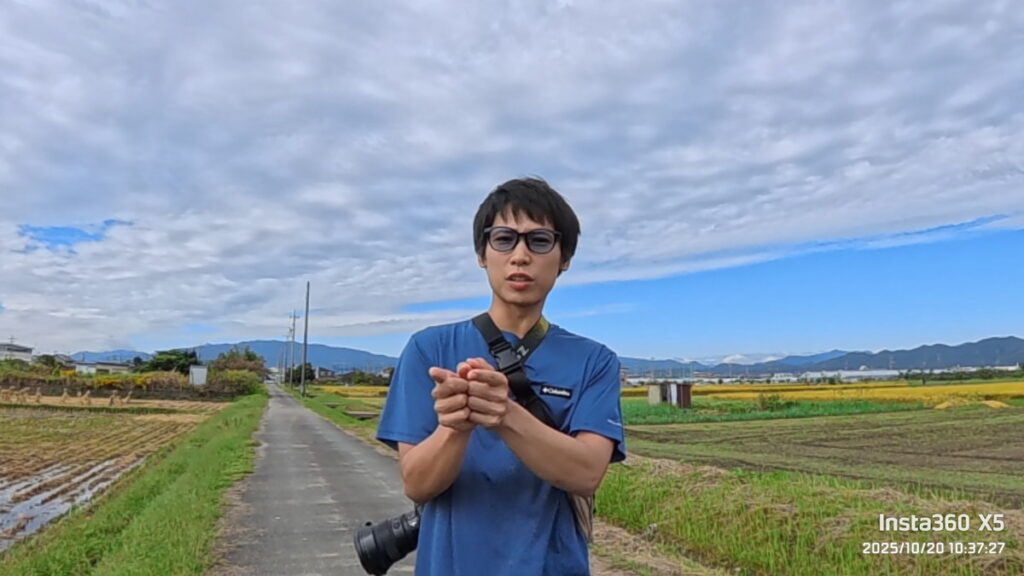
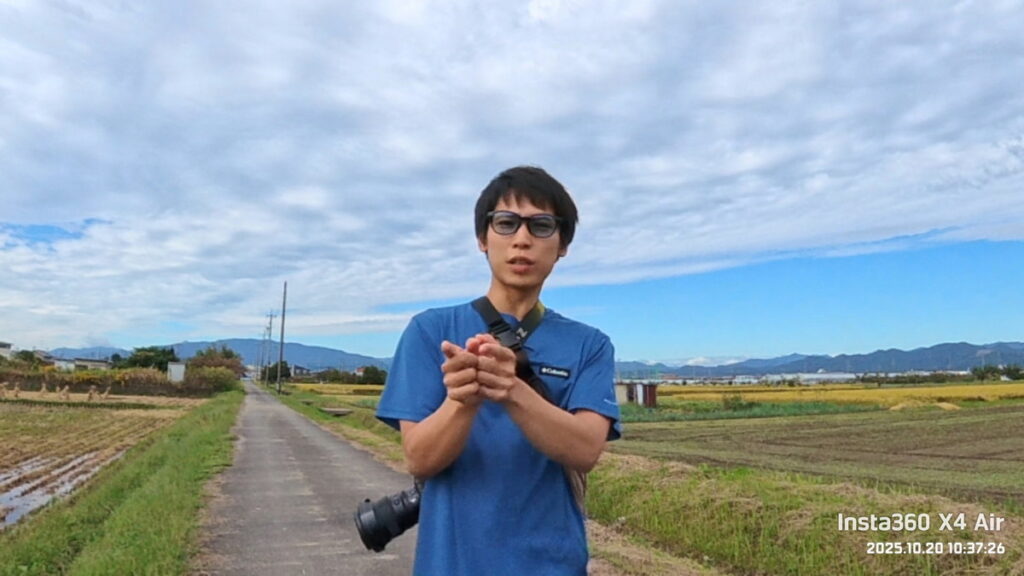
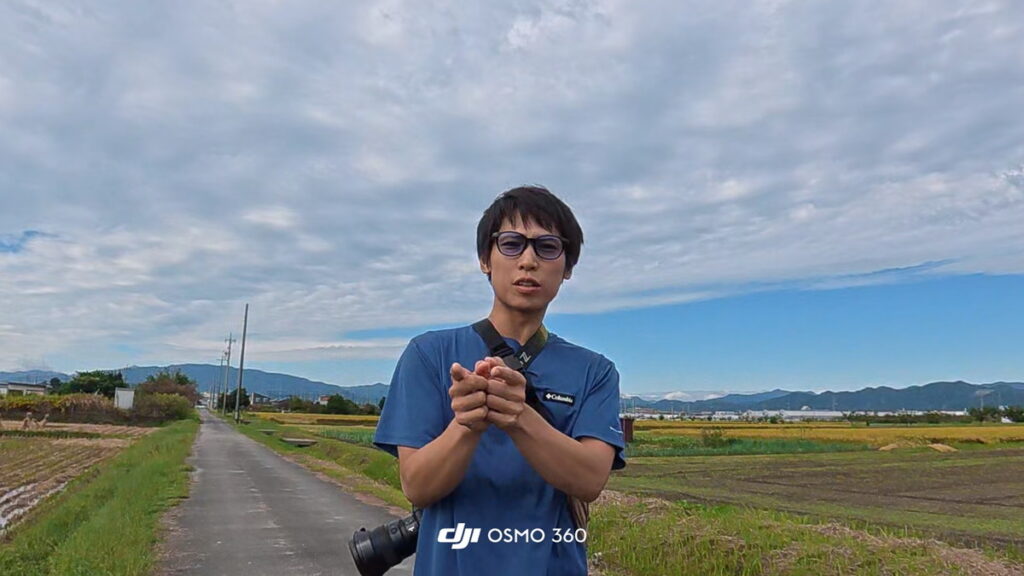
The DJI Osmo 360 is supposed to be much better when it comes to selfies, but ...... doesn't do so well this time around.
So I guess it's true that the colours and contrast of a picture will vary depending on the shooting situation.
Whether it's Insta360 or DJI, the image quality is based on frame correction, so there should be some error depending on the conditions on the day of the shoot.
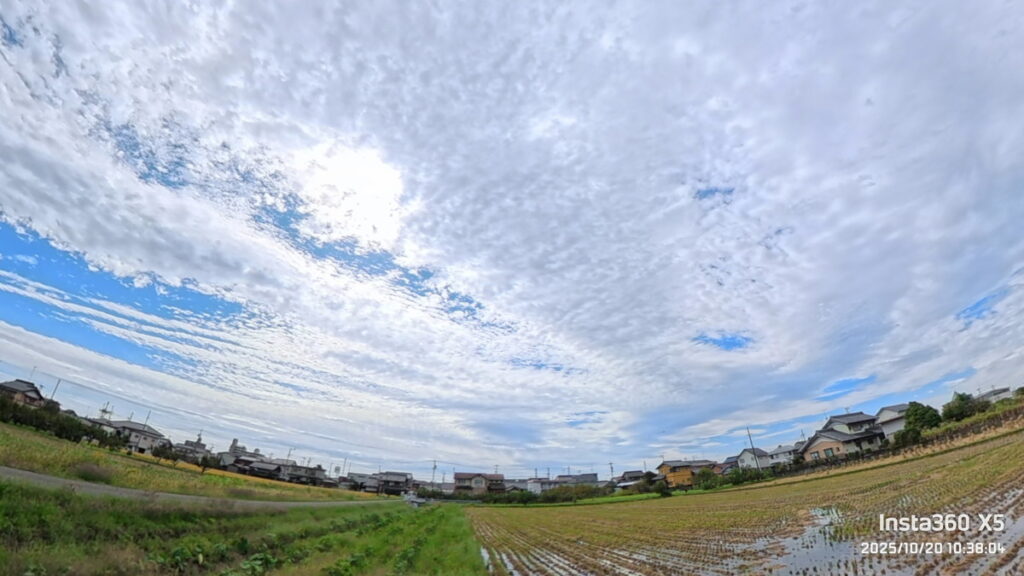
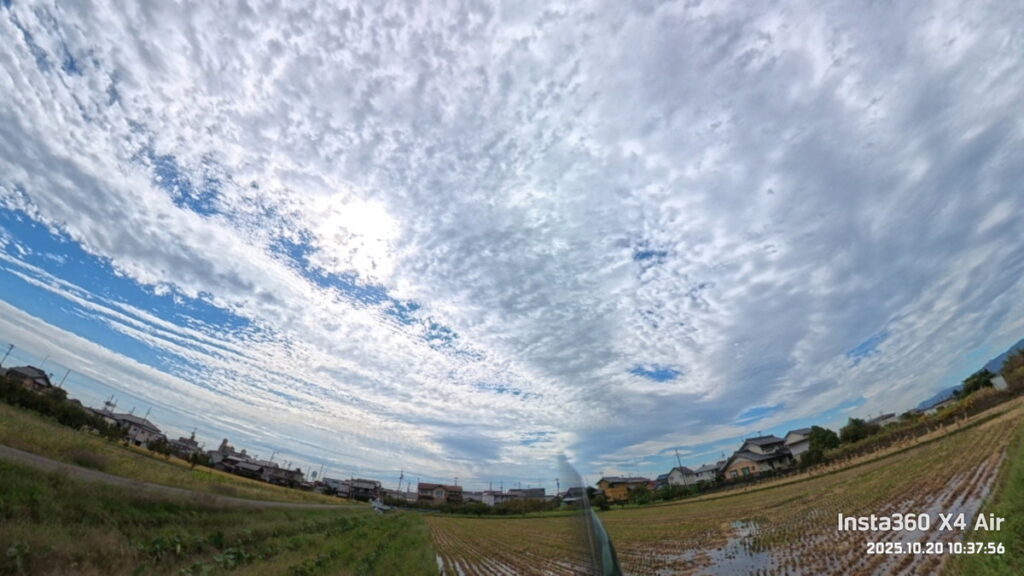
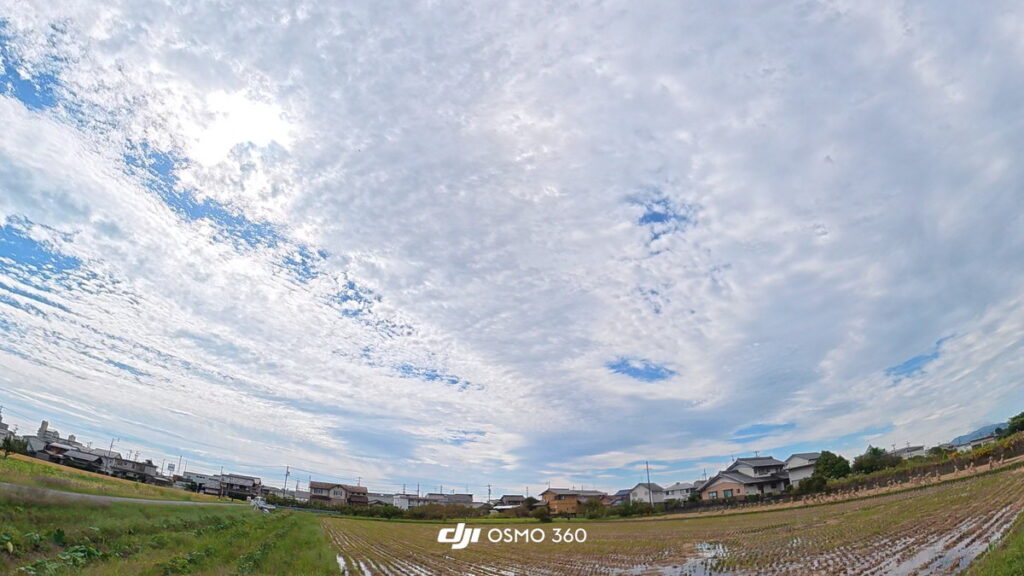
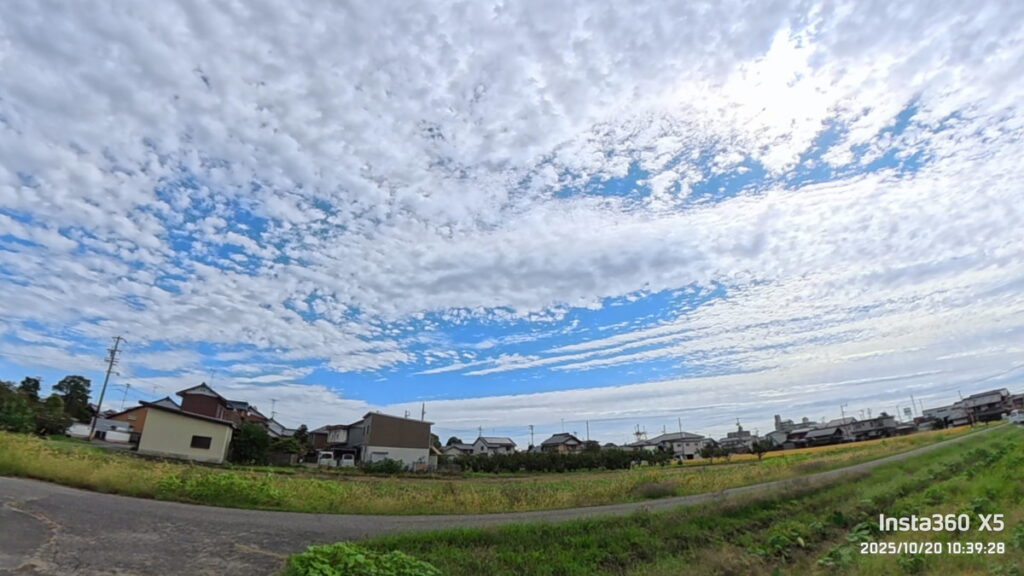
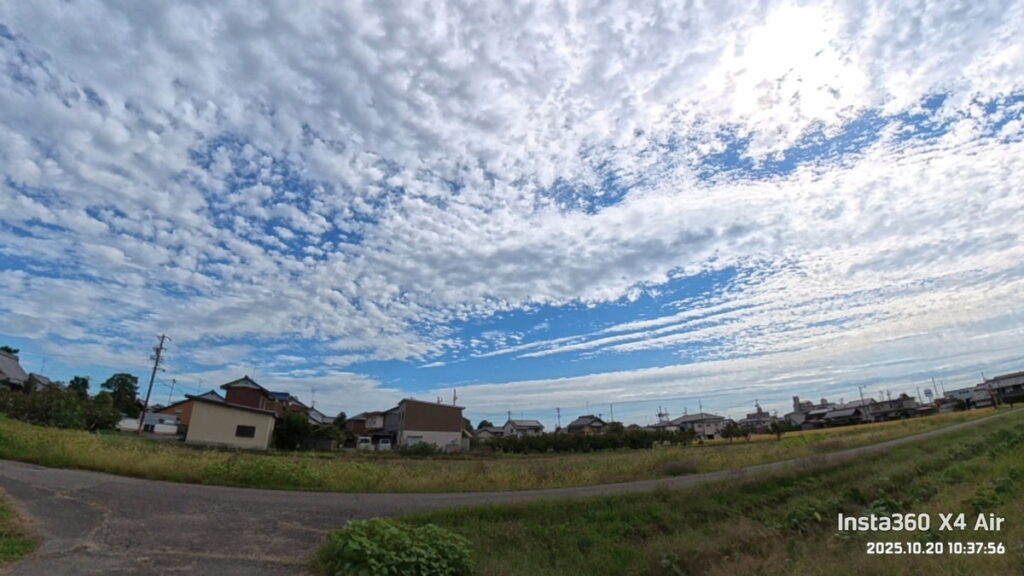
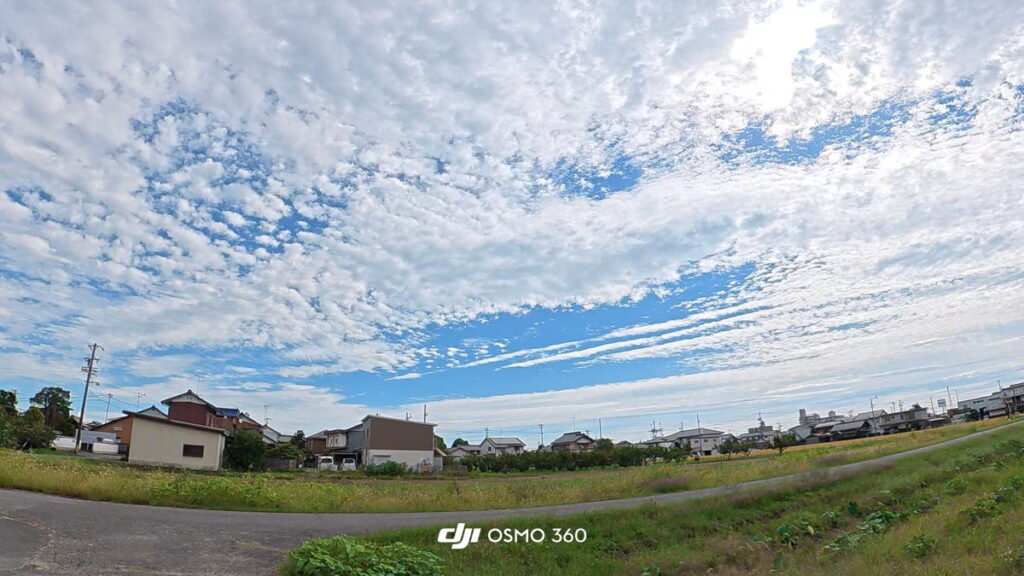
That's how it feels when you shoot the sky alone. Sure enough, you can still feel the high contrast of the Insta360. By the way, this is what the sky looks like when taken with a full-frame monocular camera.
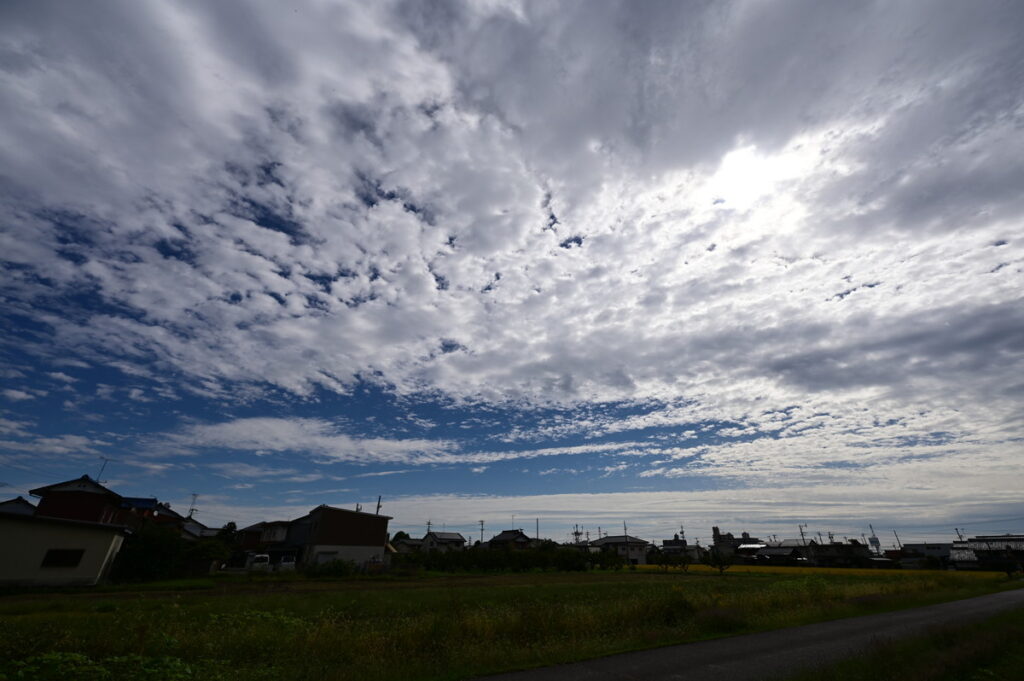
Regarding blues tone, contrast, and resolution, I think The Insta360 X4 Air is actually the closest to a Nikon camera.
At first, I was worried that the Insta360 X4 Air's smaller sensor size compared to other models might affect image quality. However, shooting in sunny weather was perfectly fine—in fact, the X4 Air produced remarkably beautiful colors and contrast.
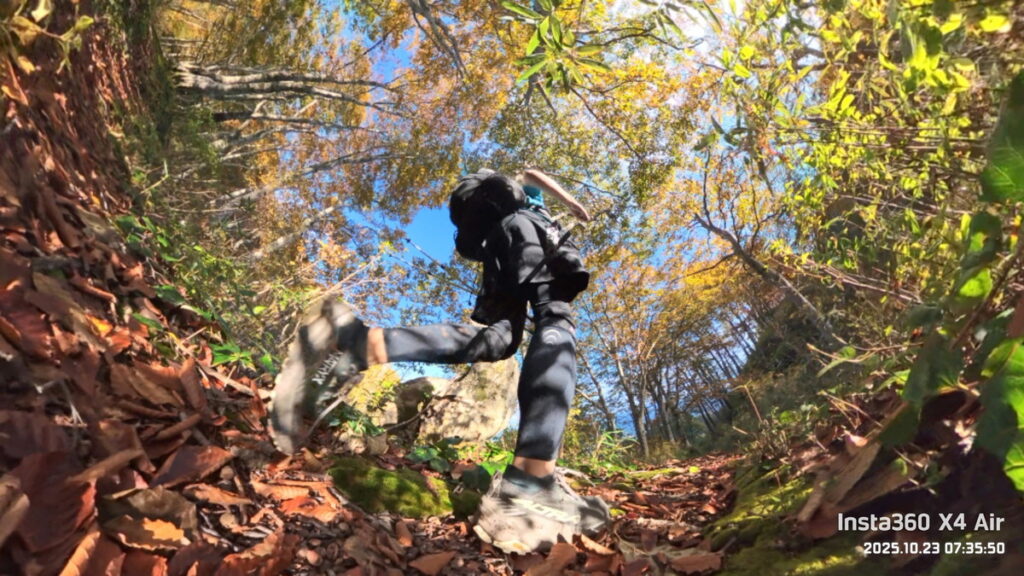
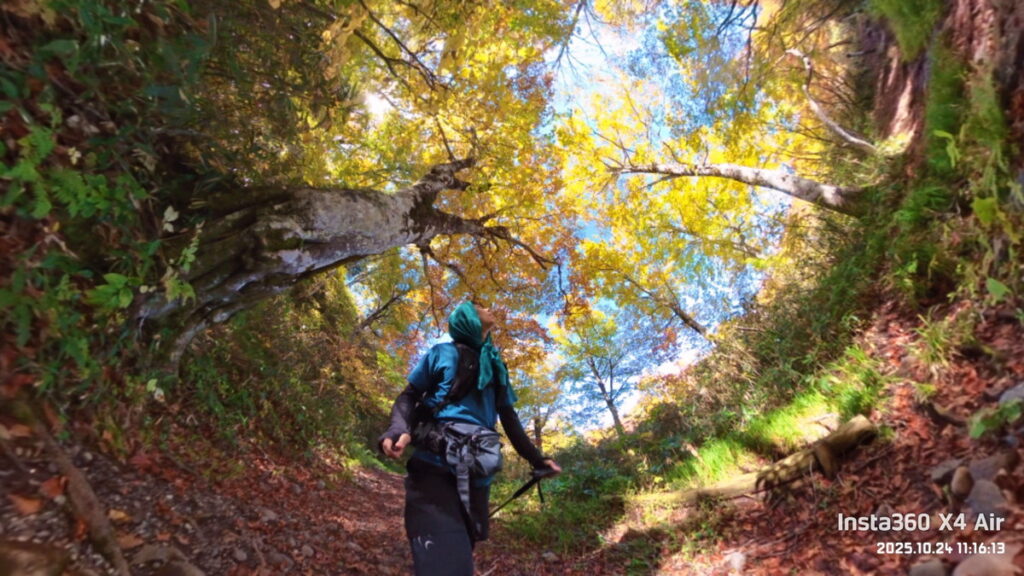
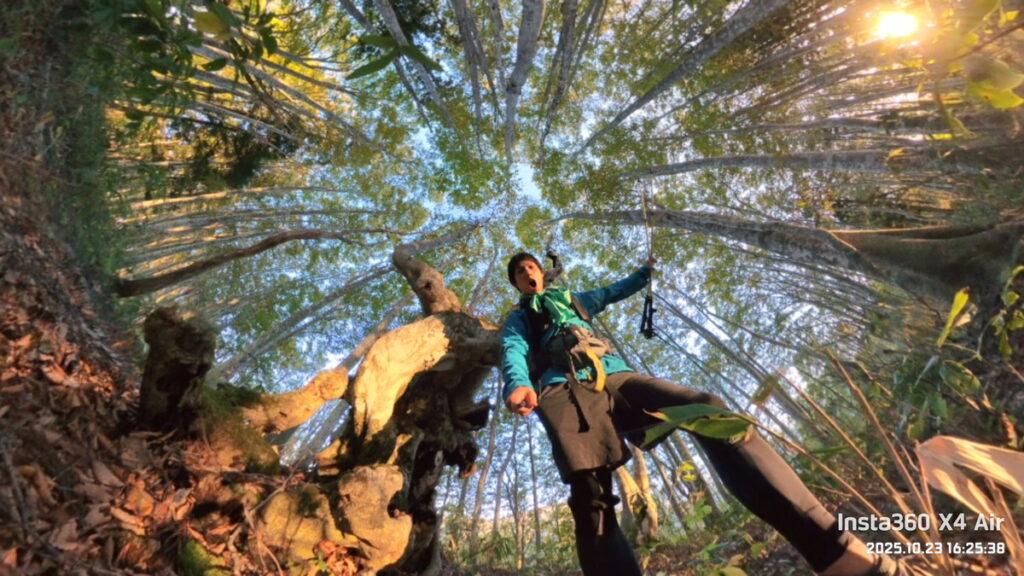
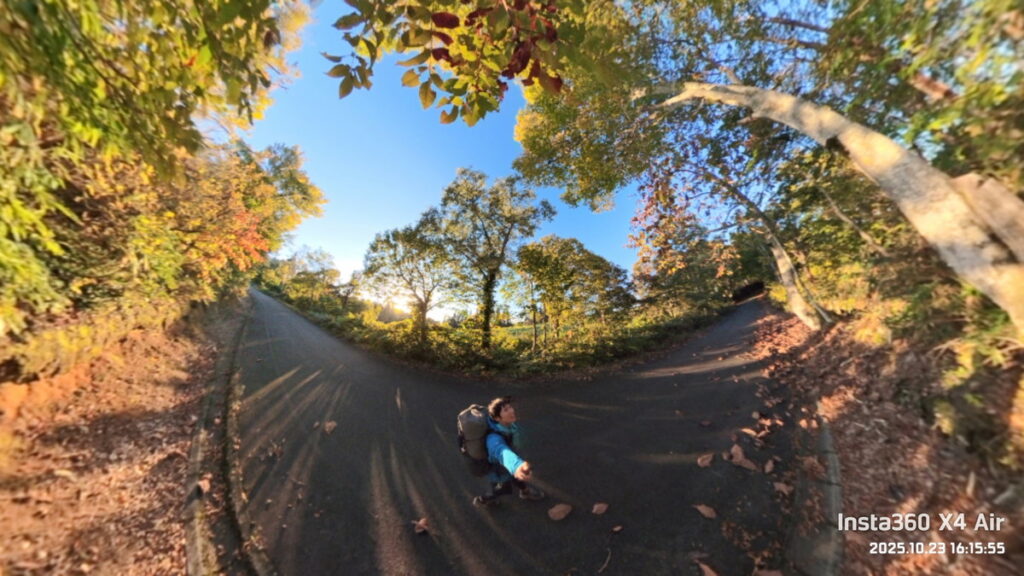
The image was neither overexposed nor underexposed, and the blue of the sky was well preserved. Although the DJI Osmo 360 supports 10-bit Log shooting, theoretically offering more flexibility in post-processing color reproduction,If you're only using the DJI Mimo app to process Log format videos or photos, the advantage of 10-bit isn't actually that significant.10-bit post-production seems more suitable for people who have paid software subscriptions like Adobe Premiere Pro.
Although the X4 Air supports 8-bit recording, there are no problems with color grading using the Insta360 APP, which fully meets my daily shooting needs.
Night Shot Quality
I compared two scenarios: indoor and outdoor nighttime photography. In conclusion, considering only nighttime shooting, my personal ranking is as follows: ⬇️
X5 = Osmo 360 > X4 Air > X4
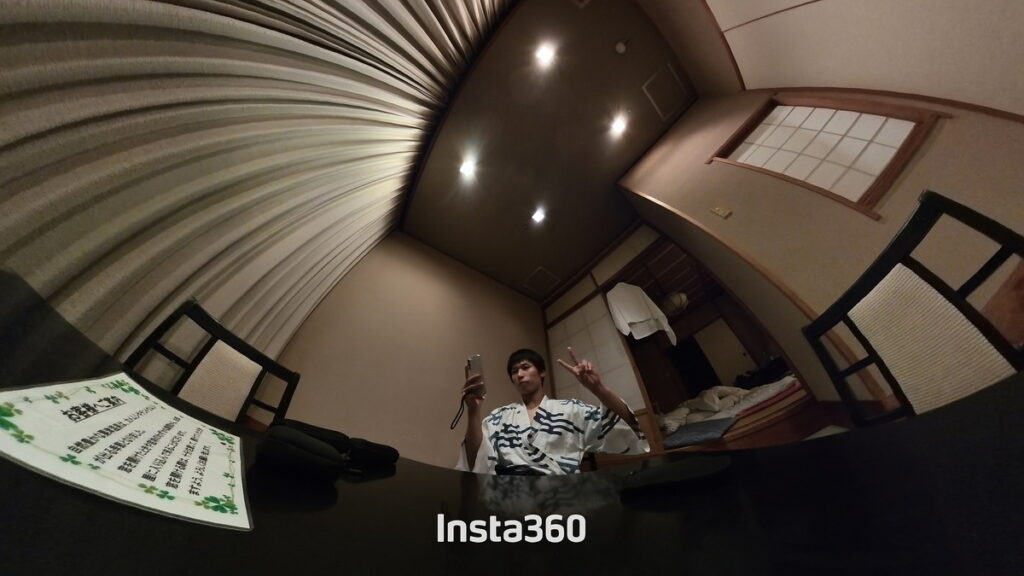
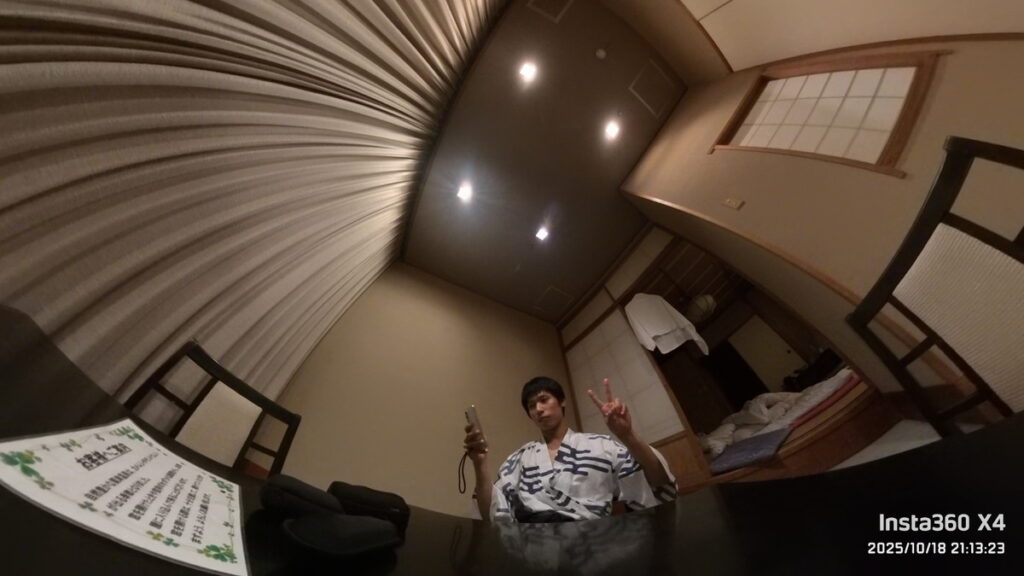
To make it easier for everyone to see the difference in low light, I took a few simple photos while staying at the hotel for comparison.
-1024x576.jpg)
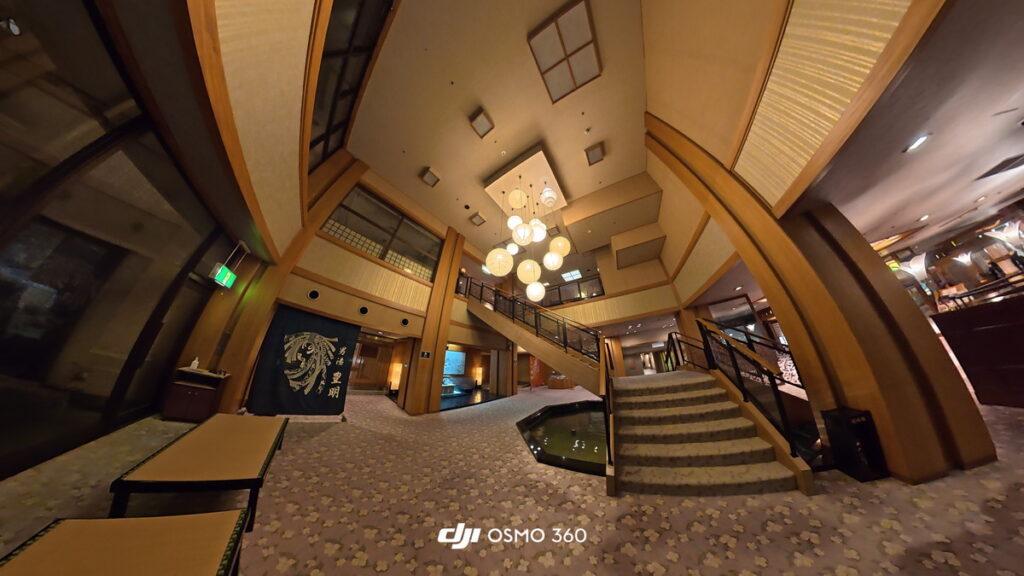
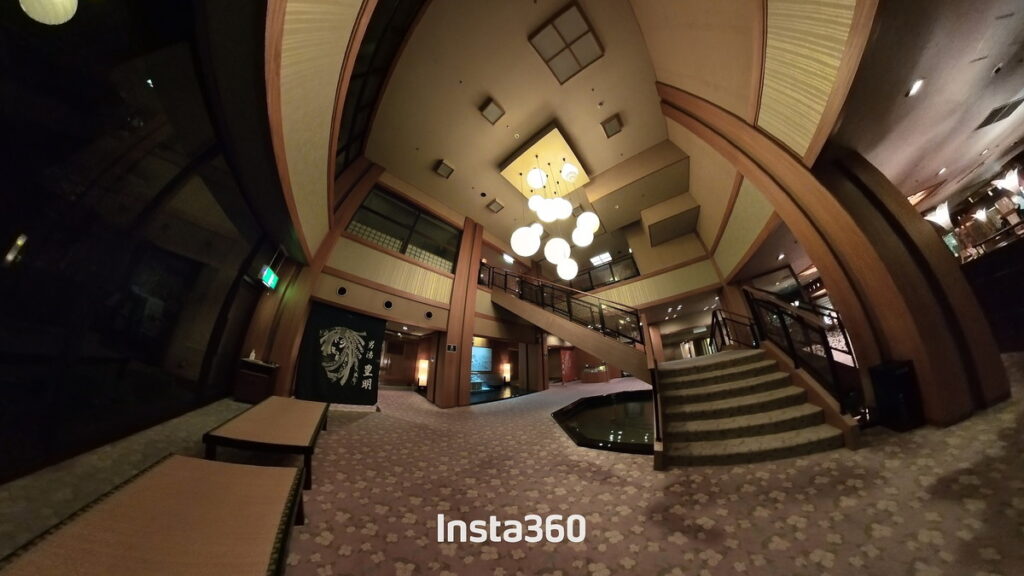
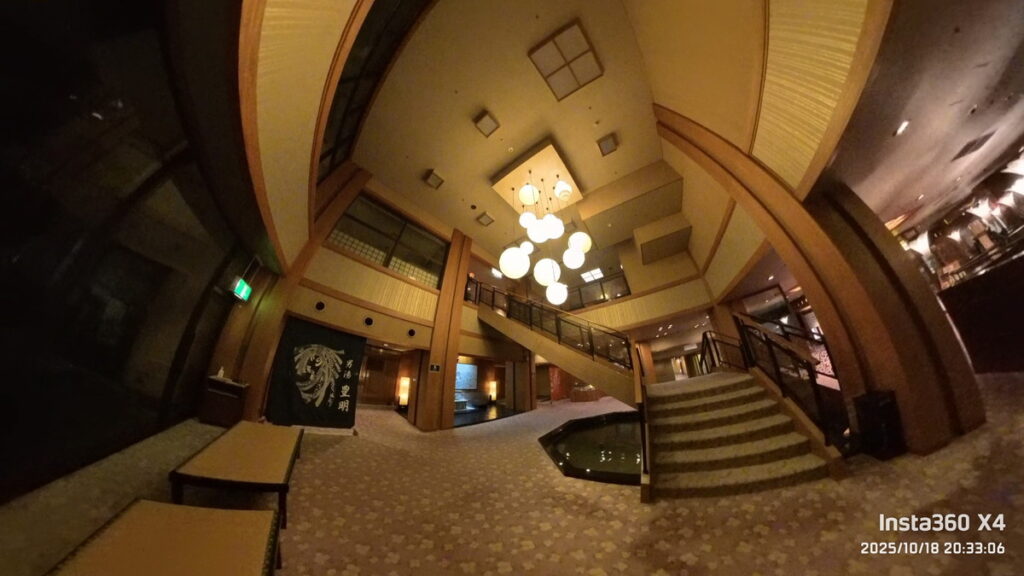
The Insta360 X4 and X4 Air produce decent results, but they still can't compare to the X5 and Osmo 360.
If you move the camera significantly while shooting, the X4 will start to exhibit camera shake and blur, resulting in grainy or flickering images. To shoot high-quality video, you need to stabilize your camera – in this respect, the X5 and Osmo 360 perform better.
When shooting people, the X5 and Osmo 360 produce clear and clean faces; in comparison, the Insta360 X4 Air and X4 images are darker and have more noise. However, I think the Insta360 X4 Air is still slightly better than the X4.
-1024x576.jpg)
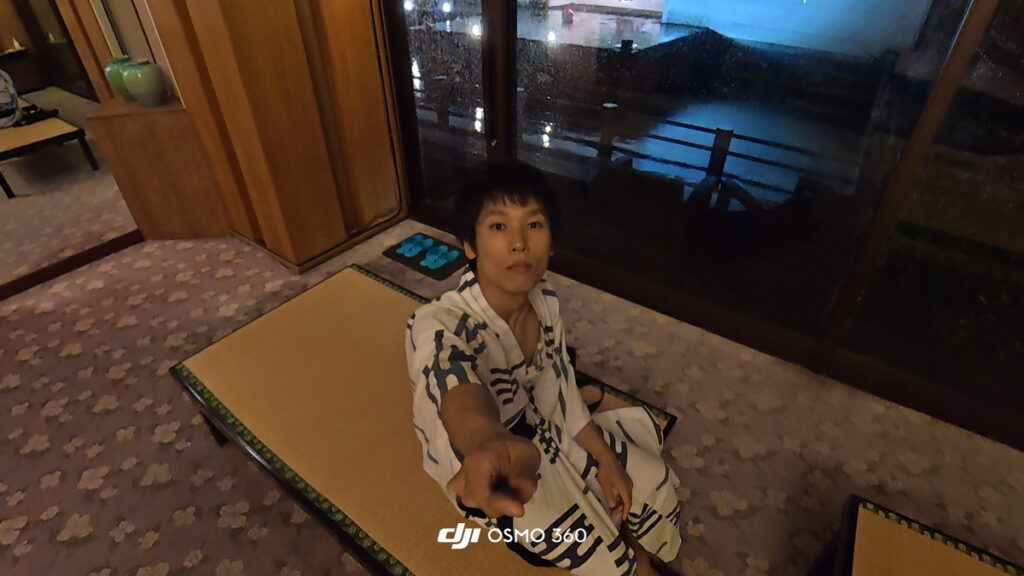
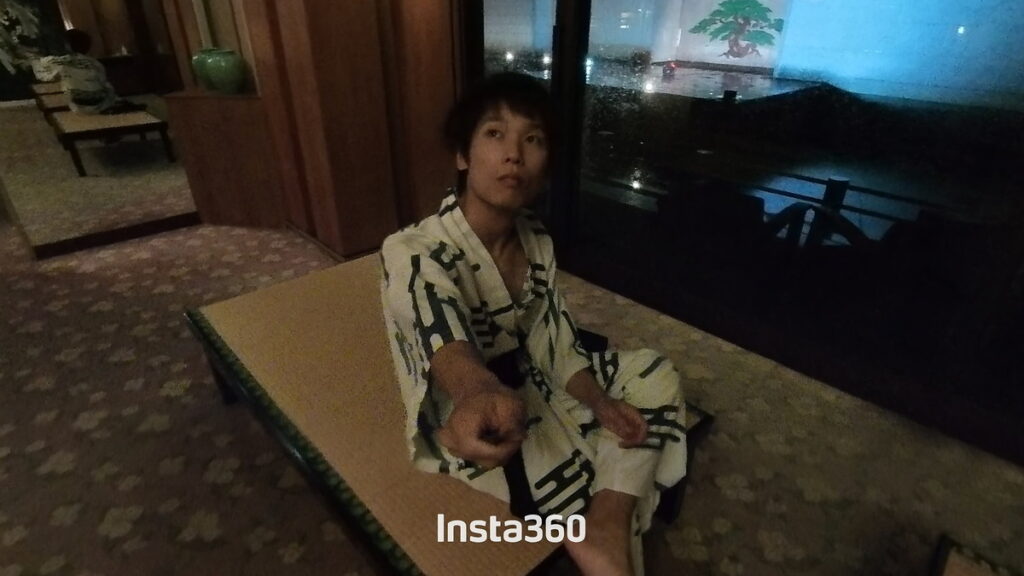
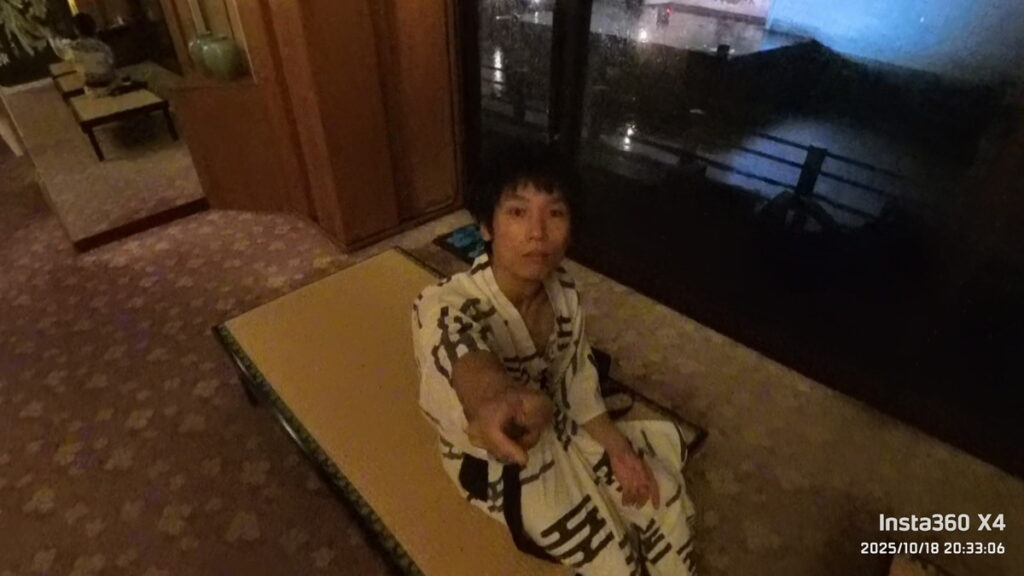
Next, we will change the location and shoot indoors.
-1024x576.jpg)
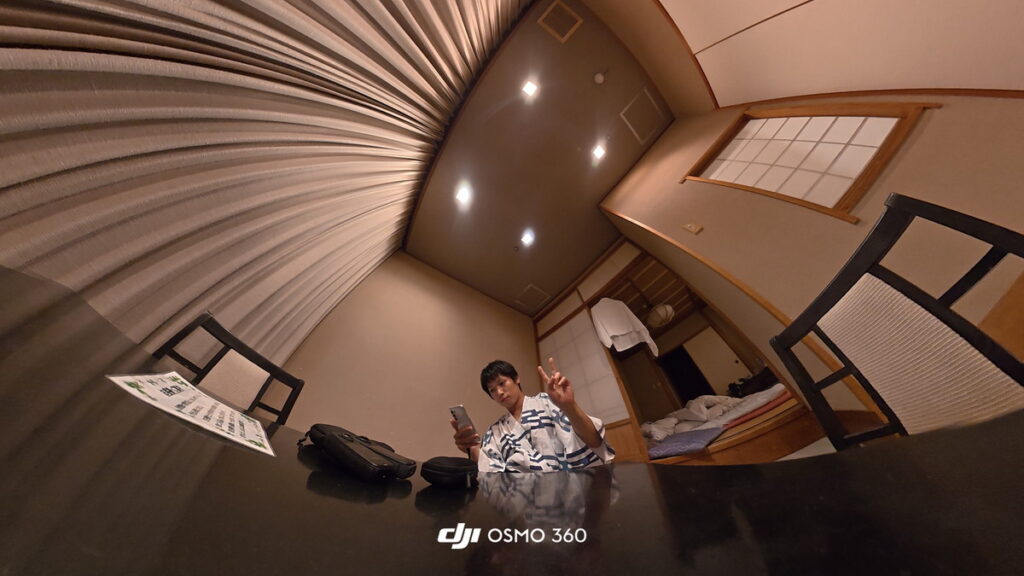
2x zoom shooting.
-1024x576.jpg)
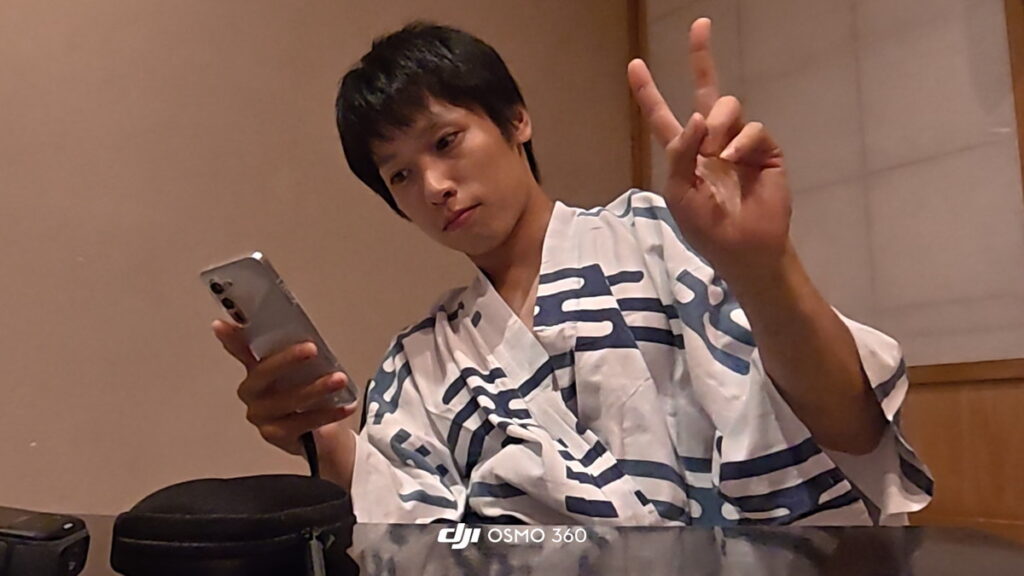
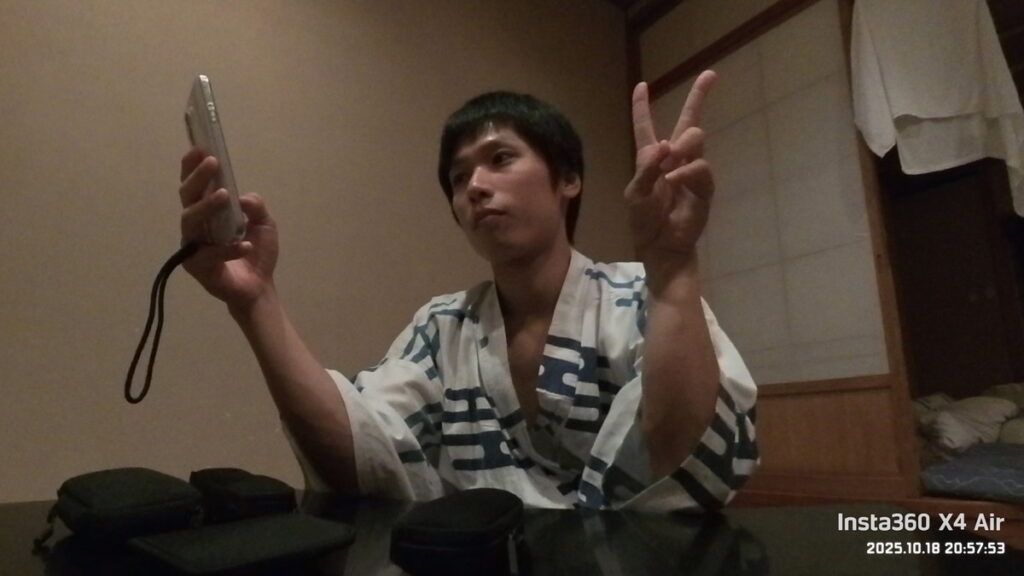
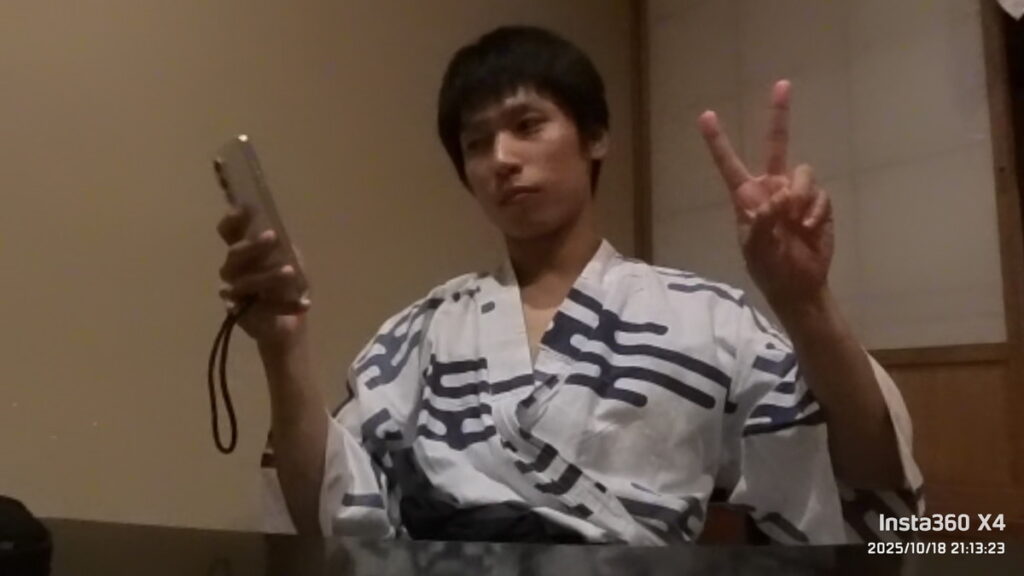
Looking at it this way, you can clearly see how good the Osmo 360's indoor image quality is. Although the resolution is very high, the sharpening artifacts are not obvious, and it maintains a natural texture.
skyline
Night scene recordings were well done, suppressing overexposure and luminescence. The highlights were not blown out, and the colors were quite natural.


When shooting in low-light conditions with strong contrasts, such as under streetlights, the image processing capabilities of the chip rely more on the sensor than the image sensor itself. Based on actual shooting results, the Insta360 X5 demonstrates superior brightness control and color reproduction compared to the Osmo 360 in these high-contrast scenes.
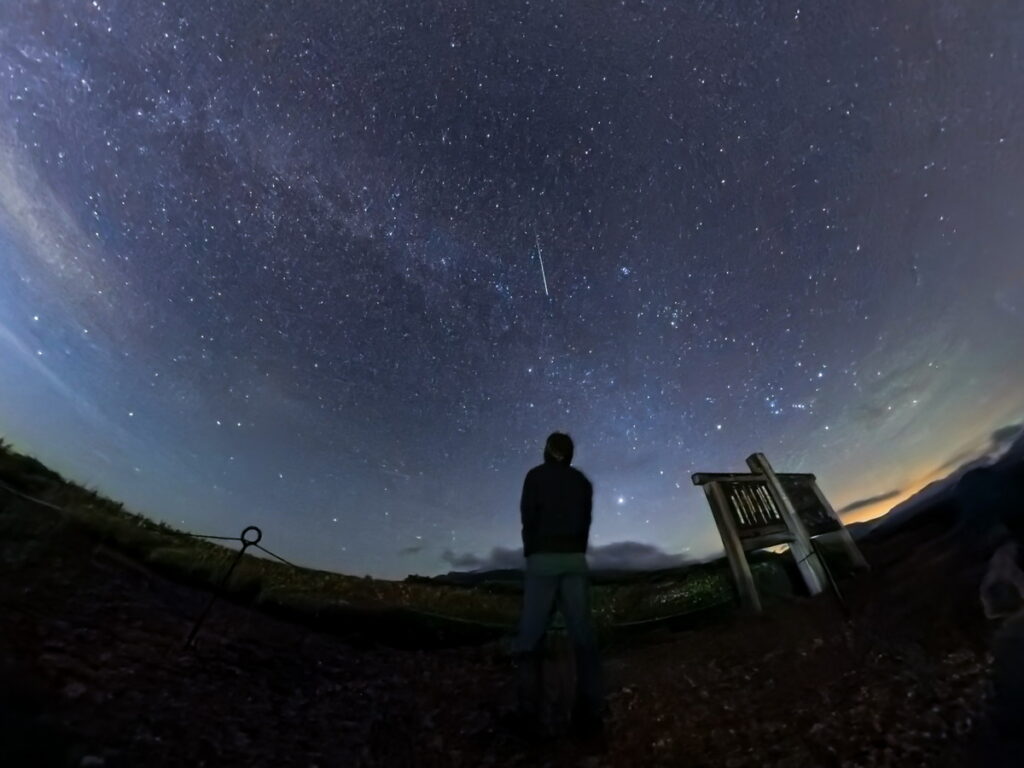
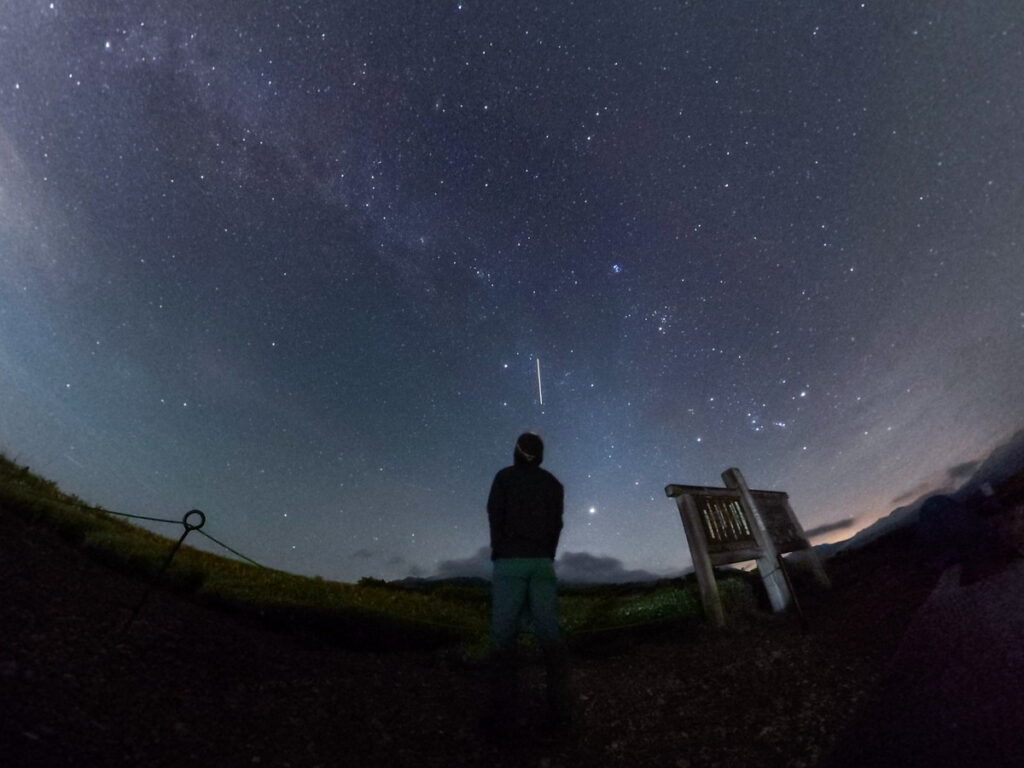
Although the DJI Osmo 360 has an ISO of 12800, while the Insta360 X5 only has 6400, making the X5 seem inferior in terms of specifications, the X5, with its three image processing chips, can capture more detail when shooting the starry sky in the same scene, exceeding the limitations of its numerical specifications.
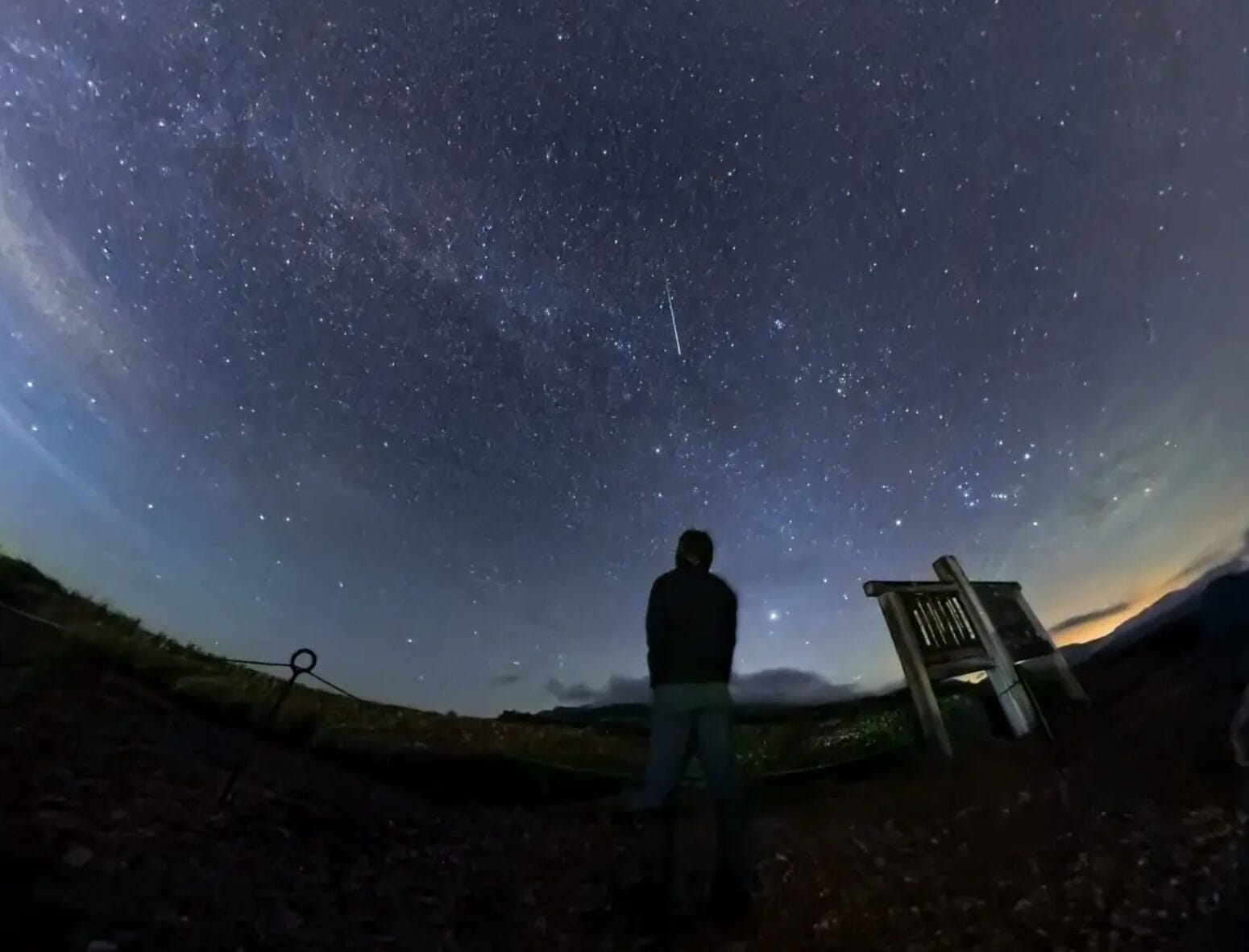
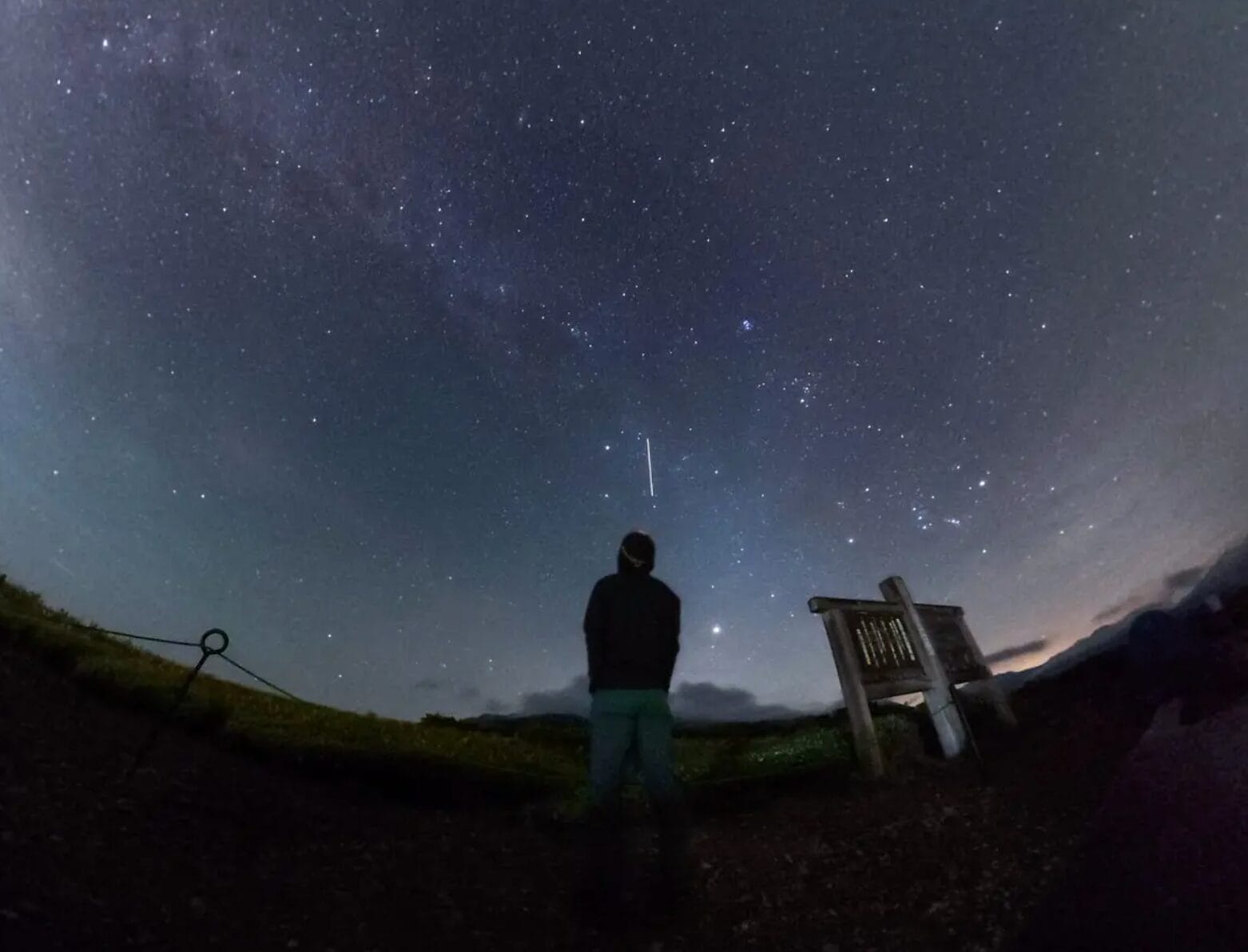
In terms of "night photography in low light," both the Insta360 X5 and DJI Osmo 360 have their strengths and weaknesses...
If the pursuit ofindoorFor low-light scenes, I would recommend [the graphics quality]. DJI Osmo 360
If you are looking for night scenery, fireworks, streetlights, etc.Contrasting Light and Dark ScenesFor image quality, I would recommend... Insta360 X5
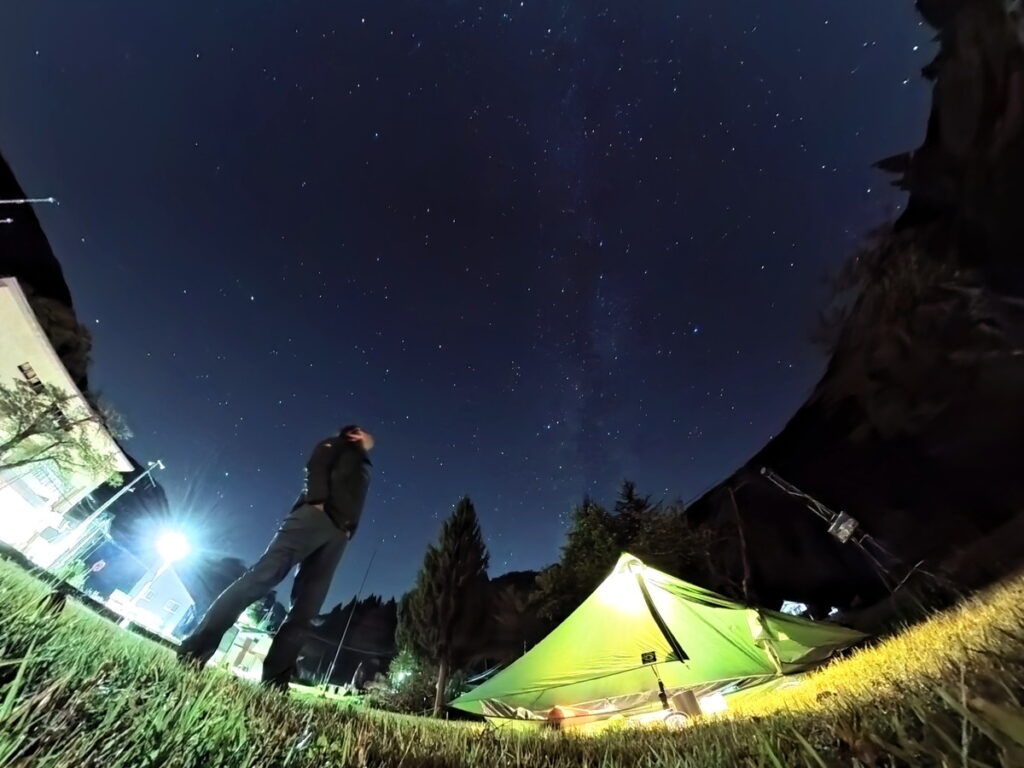
Regarding the Insta360 X4 Air's low-light performance, it can only be described as "an improvement over the X4." However, photos taken with the X4 Air at night using slow shutter speeds are still quite beautiful, and you can even capture stars.
Use this link to get a free gift, while stocks last.
APP Software Performance
Besides image quality, when choosing a 360-degree panoramic camera, remember to check how user-friendly the app is. The app's performance and ease of use will affect post-production video editing.
From my personal experience, there are indeed significant differences between using the Insta360 app and the DJI Mimo app.
| Insta360 | DJI | |
|---|---|---|
| Stability | ||
| Bug Occurrence | ||
| Stable tracking | ||
| AI Editing | ||
| Video File Lightweight | ||
| PC post-production |
Insta360 APP Experience
✅ Bug less
✅ Stable connection
✅ Automatic editing is very convenient.
✅ The PC software Insta360 Studio is also very good (videos shot with the Osmo 360 can almost only be edited using a mobile app).
If you need to edit on a PC or highly value the user experience of mobile apps, Insta360 products are more recommended.
DJI Mimo post-production is prone to bugs.
Since the DJI Osmo 360 was released, I've shot fewer than 100 videos, but I've already discovered four different types of bugs in the DJI Mimo app.
❌ Extremely slow processing of some films (each time processing gets stuck for a few minutes to 10 minutes or so)
❌ Microphone audio desynchronisation
❌ Sliding operation is not smooth.
❌ Tracking mode unavailable
❌ Video processing takes too long
While some issues are resolved through app firmware updates, the video is practically unusable, especially when encountering bugs like the following.
After using the Osmo 360 for a while, you might even want to use the Insta360 app to edit videos shot with DJI.
One of the more troublesome things about DJI Mimo is that it freezes for several minutes every time you take a screenshot.
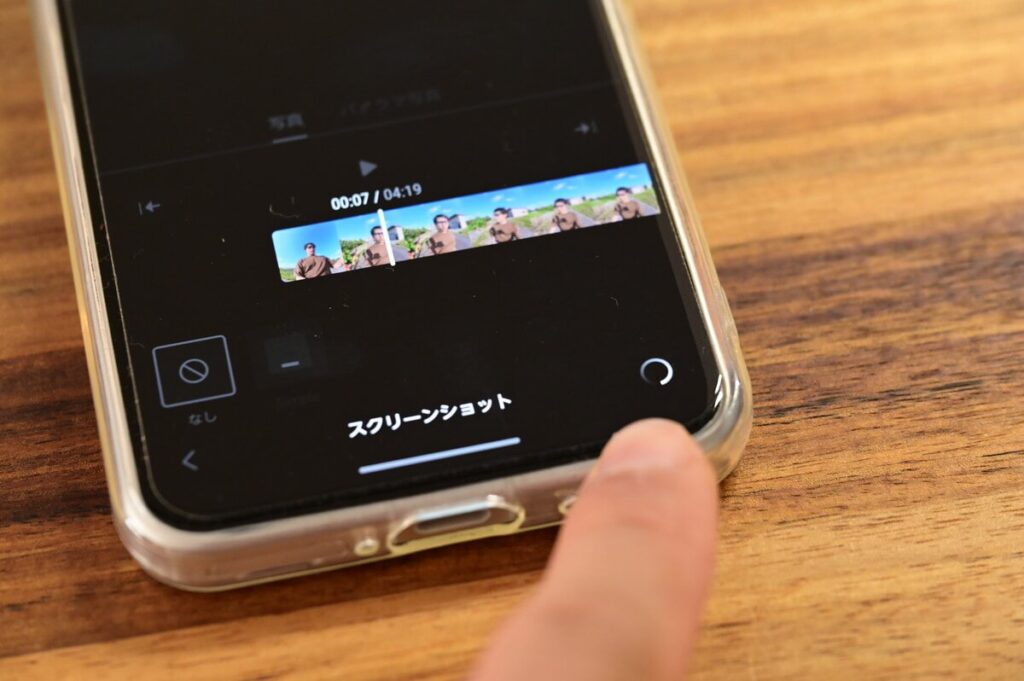
Waiting for the loading indicator in the bottom right corner to spin can sometimes take more than 10 minutes. 💦
In comparison, the Insta360 app truly stands out as incredibly user-friendly for post-production beginners. When shooting a single angle with a single lens, the Insta360 app's screenshot speed is incredibly fast. I suspect this is because DJI's app's 360° video processing capabilities aren't yet fully mature, given that they've only just released their first panoramic 360 camera.
The video below took 9 minutes and 30 seconds just to load the screen. You can see for yourself ↓
At its worst, DJI Mimo can take up to 20 minutes to process 360-degree panoramic video—enough time to grab a bite to eat (laughs). Also, DJI Mimo's connectivity is quite unstable, frequently crashing without warning.
Overall, the stability of the DJI app is significantly worse than that of Insta360.
PC Software Postproduction
In terms of PC software, Insta360 Studio operates very smoothly, but DJI Studio (DJI's PC software) is very laggy.
Even with my decent PC specs, video processing speed is still very slow. If you prioritize post-production editing quality, the Insta360 X5 and X4 Air are more reliable choices.
Furthermore, 10-bit D-log videos cannot be edited on a mobile phone; they can only be edited on a PC.
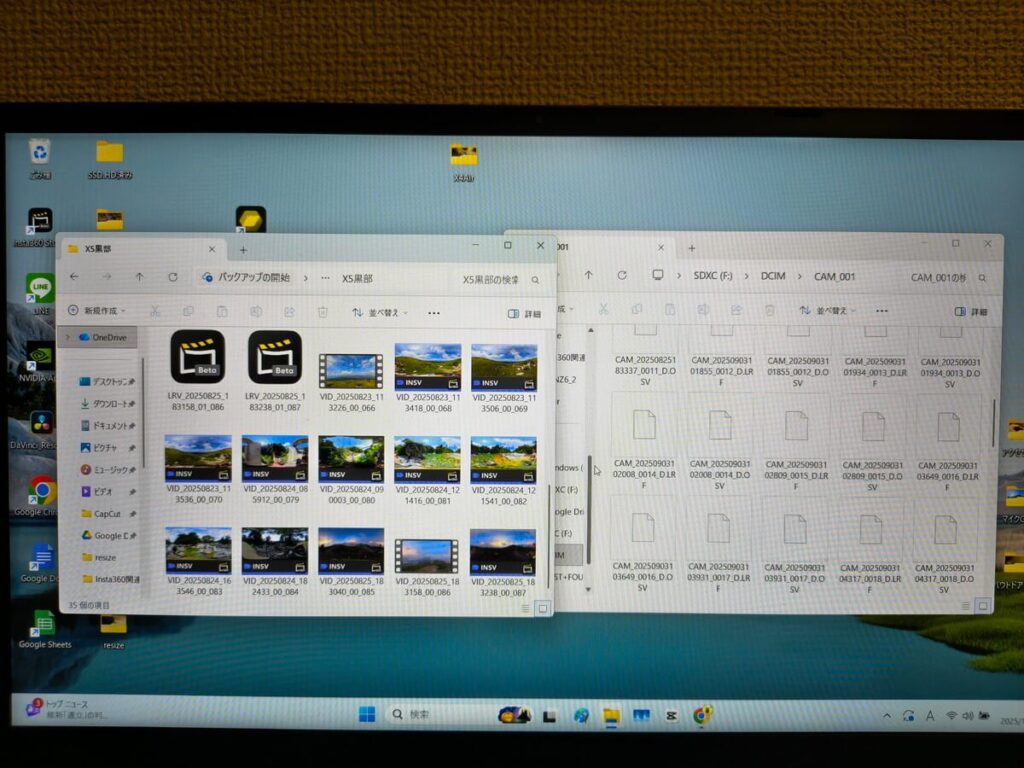
Right: DJI's videos are very difficult to organise without even a preview!
User-friendliness
Next, let's talk about ease of use and portability. I find both the Insta360 X series and the DJI Osmo series to be very user-friendly.
Handheld more recommended Insta360 X series ◎
When it comes to handheld shooting, I find the Insta360 X series to be easier to hold.
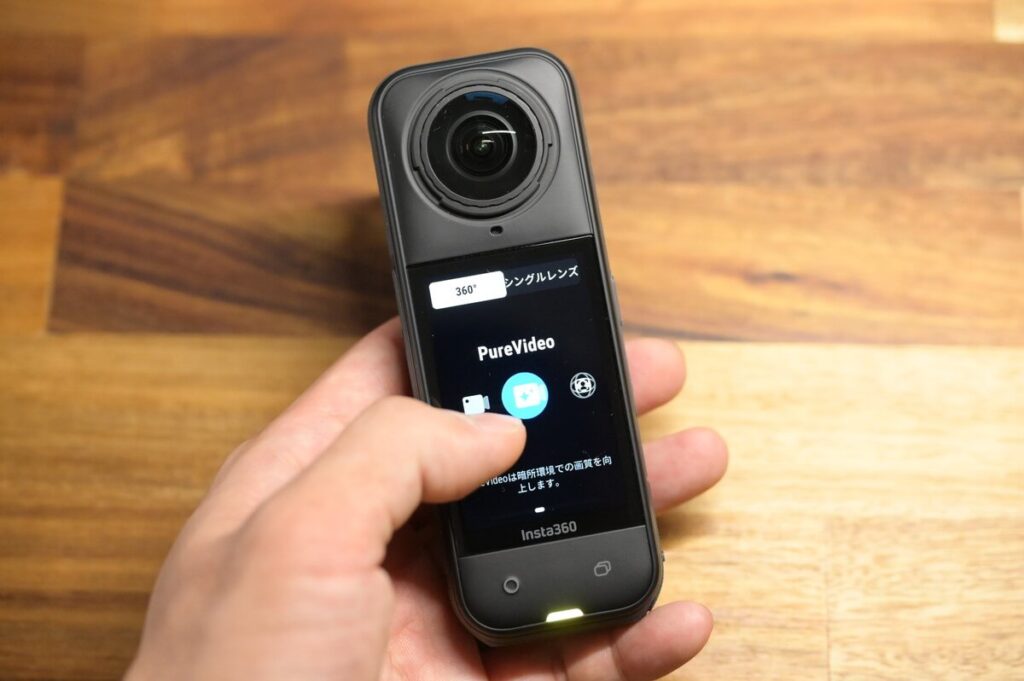
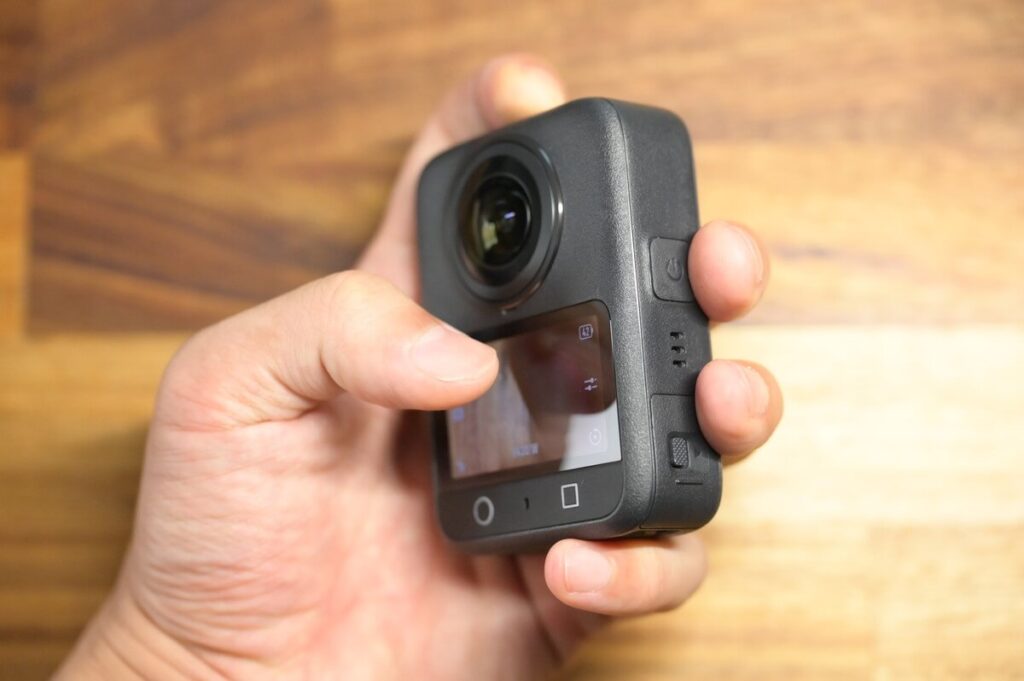
The reason for this is that the vertically rectangular Insta360 X5 and X4 Air are very suitable for one-handed operation, and even women can easily hold them. In contrast, the DJI Osmo 360's lens is easily scratched when held.
In terms of swipe controls and camera settings, the DJI Osmo 360 and Insta360 X5/X4 Air are largely similar. In comparison, the GoPro MAX 2 offers a very mediocre user experience.
For those seeking portability, the X4 Air is the top choice.
The Insta360 X4 Air is currently the lightest 360-degree panoramic camera on the market.
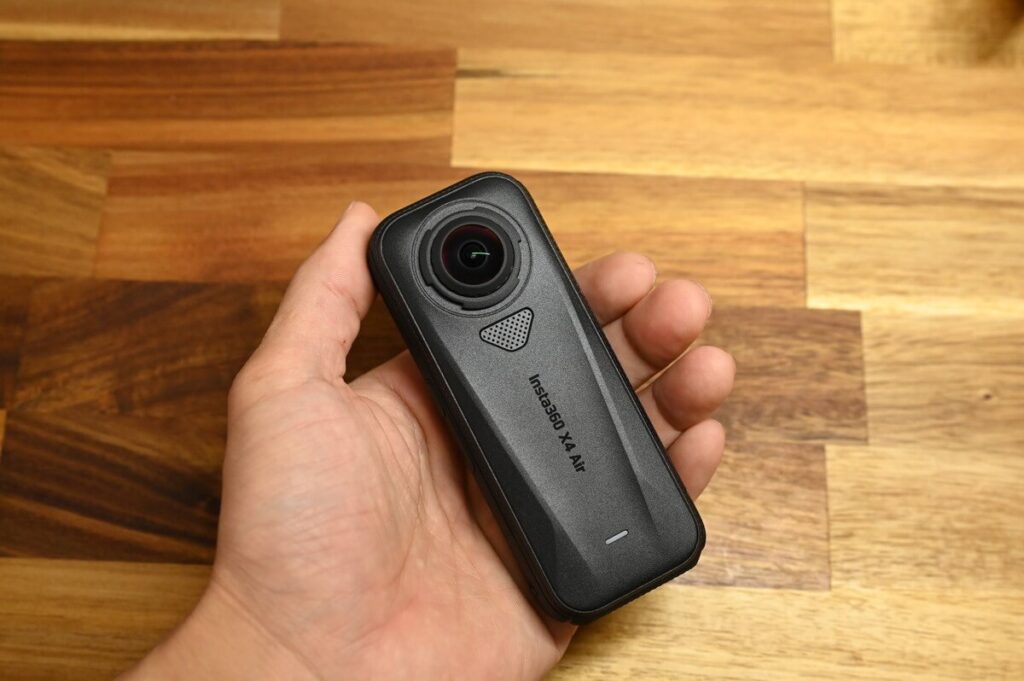
In actual use, the Insta360 X4 Air and X5 differ significantly in terms of portability.
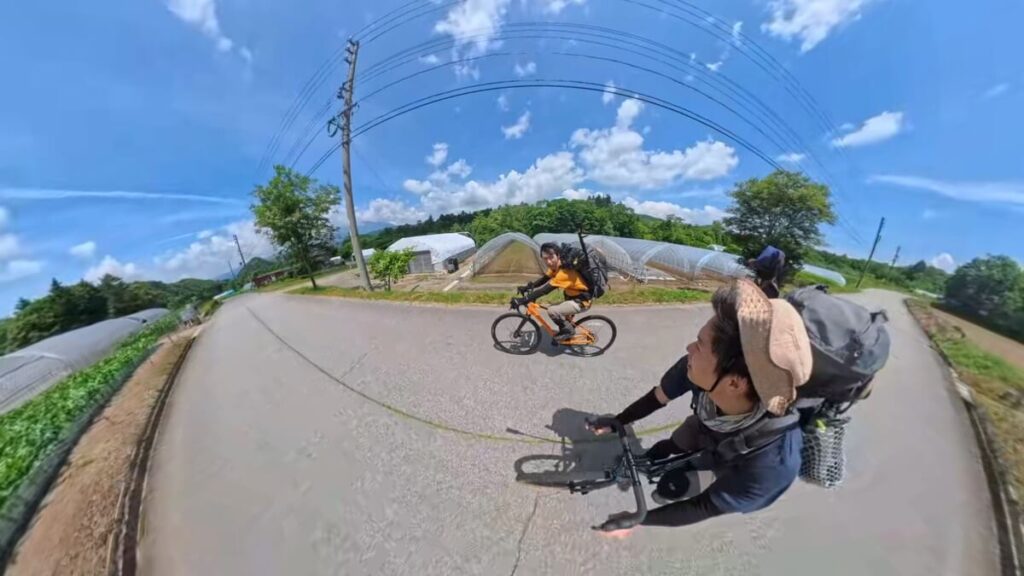
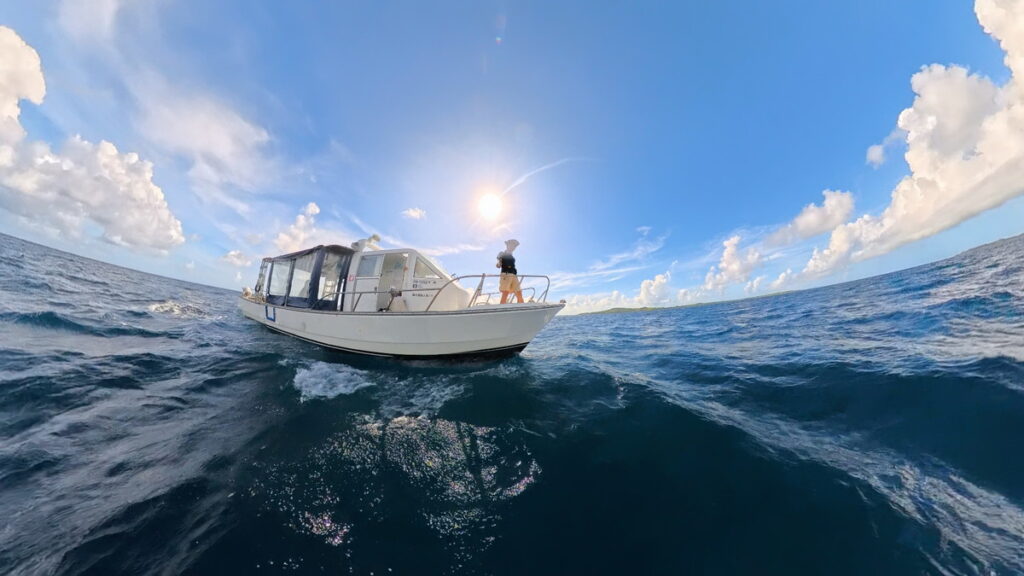
- Recording on a backpack
- Recorded with a 3 metre selfie stick
- Recording on a helmet
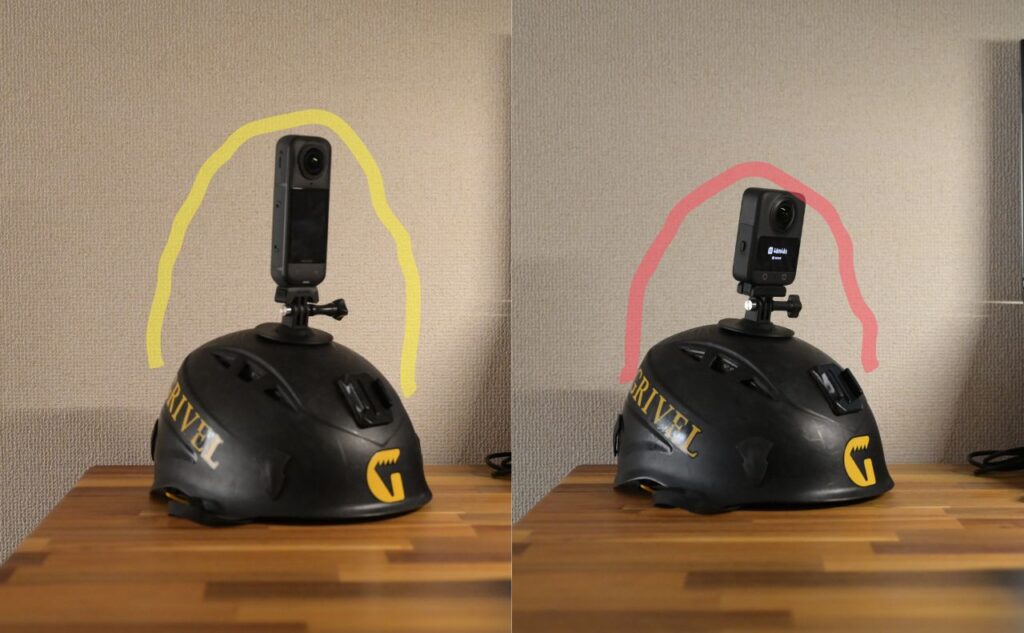
If these are the usage scenarios, the X4 Air would have a greater advantage.
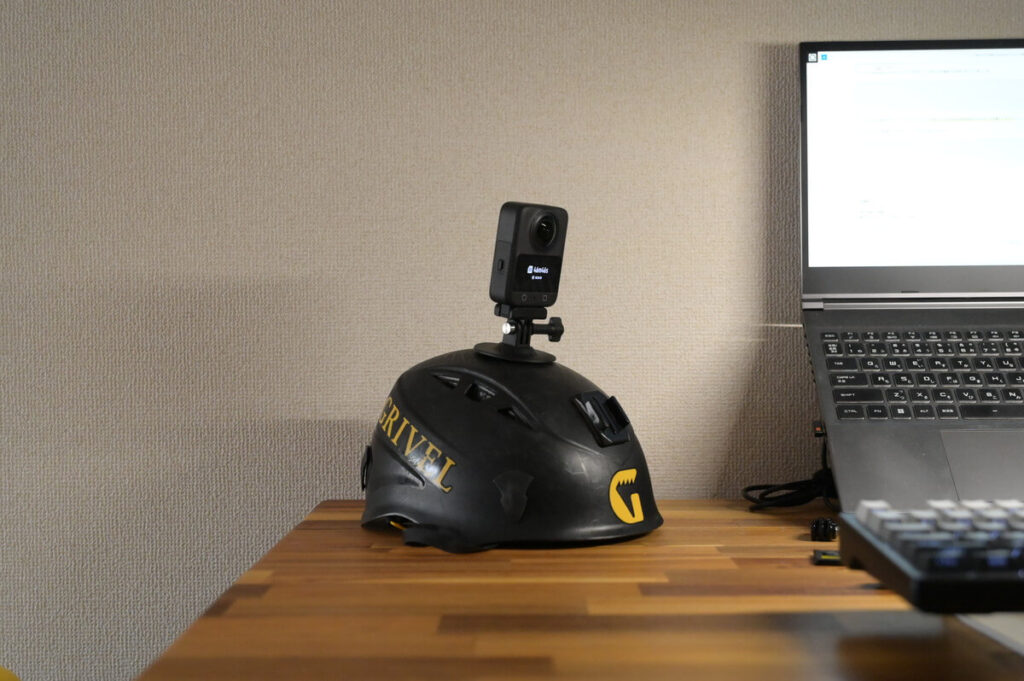
For helmet-mounted filming, the shorter DJI Osmo 360 has an edge. This can also be understood as the DJI Osmo 360 being designed to better suit the needs of helmet-wearing sports activities.
The DJI Osmo 360 has the fastest shutdown speed.
When it comes to shutdown speed, the DJI Osmo 360 boots up almost instantly. However, the actual speed will vary depending on whether you power it on and off continuously or after a short interval. The DJI Osmo 360 is faster than the X5 when powering on and off continuously.
| X5 | X4 Air | Osmo 360 | X4 | |
|---|---|---|---|---|
| Let's leave it for a while and start shooting. | 4 seconds. | 4 seconds. | 6 seconds. | 4 seconds. |
| Continuous ON/OFF | 1.5 seconds | 1 second | 0 seconds | 3 seconds. |
| Boot speed | 0 seconds | 0 seconds | 0.5 seconds | 0 seconds |
Rather than being fast to boot up, the DJI Osmo 360 is more like having a "standby mode". If it's left unused for a while, the speed will slow down, but once you start it up, sometimes it boots up even before you press any buttons.
Who would recommend X5, Osmo 360, X4 Air to ?
Insta360 X5 is the top choice for image quality.
even though Insta360 X5 While the price isn't low, if you're looking for an experience that's easy to operate and produces top-notch image quality, the Insta360 X5 is definitely the best choice. Whether in automatic mode or relying on the app for post-processing,Insta360 X5 Its image quality and color reproduction are both optimal.
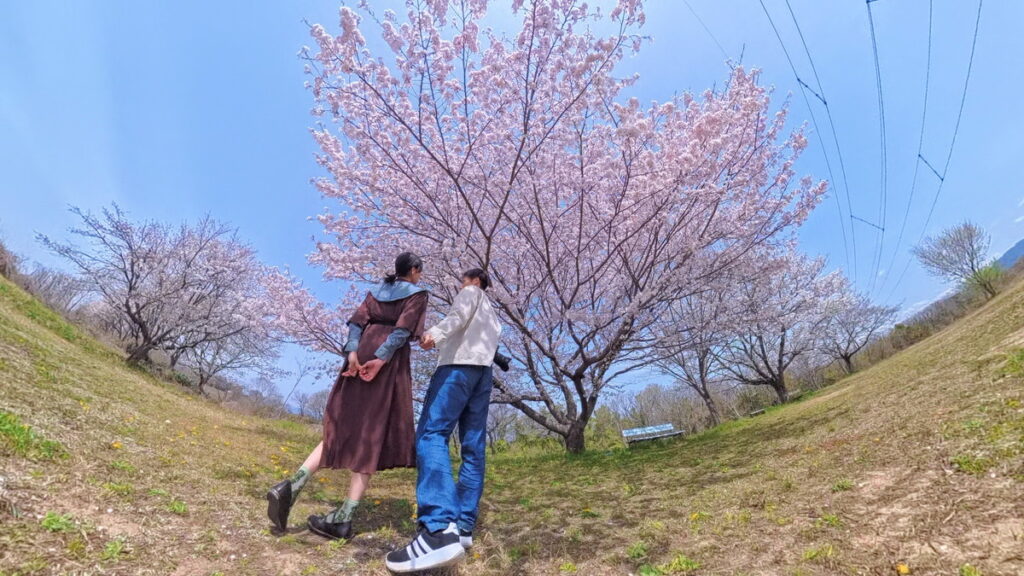
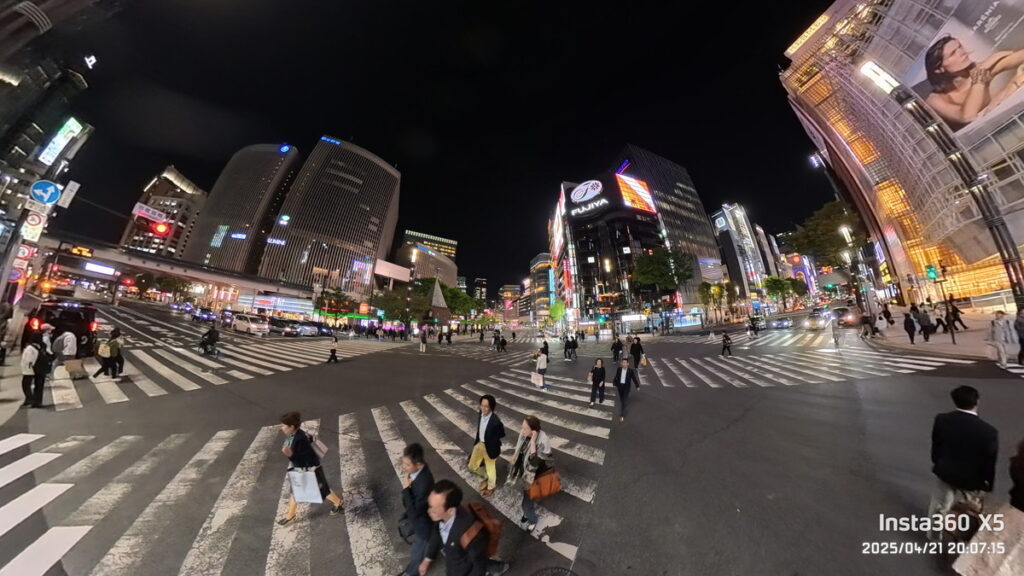

Most importantly, the X5's app is far more stable and smoother than DJI's; it's an overwhelming difference.
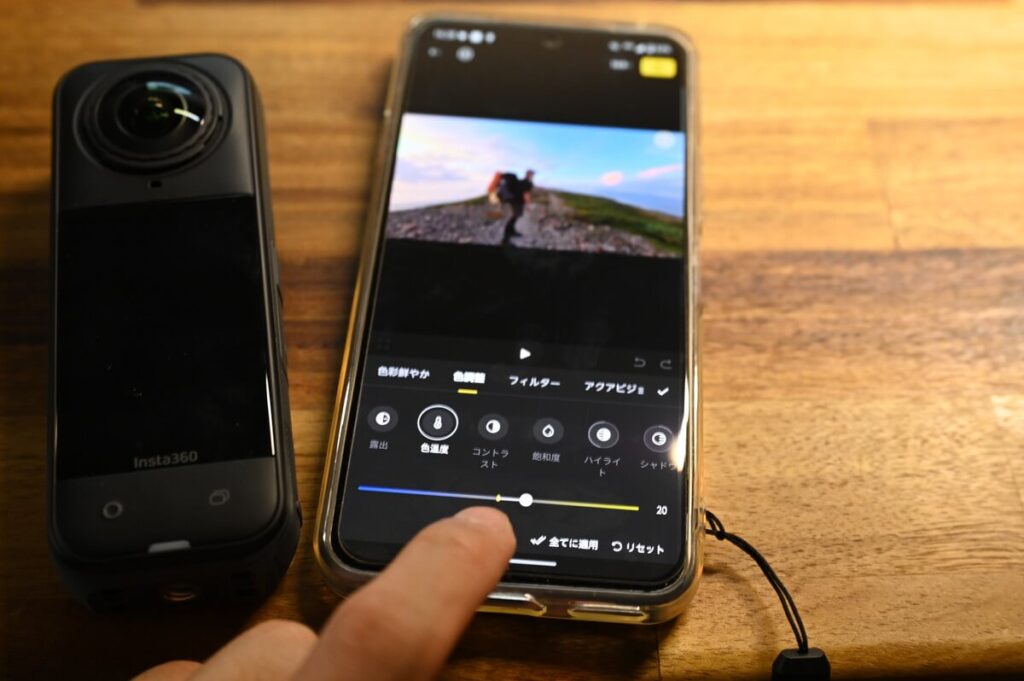
While the Insta360 X5 does produce better image quality in automatic mode, the DJI Osmo 360 offers greater editing flexibility if you intend to use paid software for serious editing. If you already frequently use paid editing software, then... DJI Osmo 360 It would suit you better.
If you don't want to use paid software, and you're not shooting extreme sports or big-scale scenes, but simply want something easy to use in daily life that can produce good-quality video both day and night—that's your need.Insta360 X5 It's the best choice. Moreover, the X5 has excellent wind noise reduction capabilities. For motorcyclists, choosing the Insta360 X5 or X4 Air is definitely a good decision.
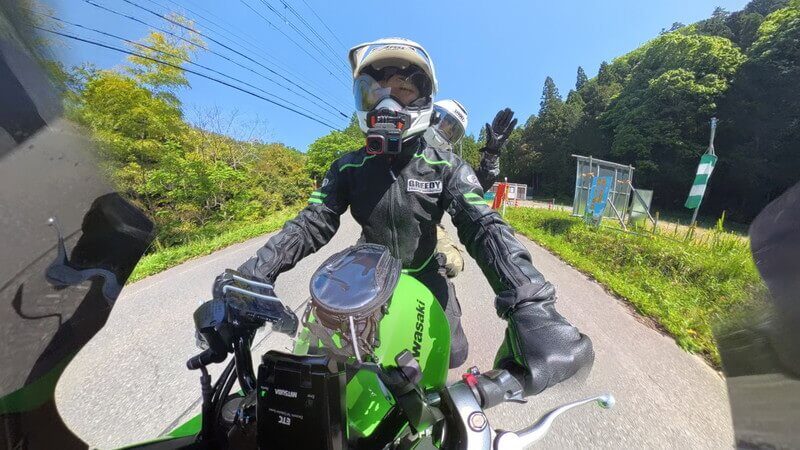
Choose the Insta360 X4 Air for its cost-effectiveness and portability.
Although the picture quality is not as top-notch as Insta360 X5, it's not as good as Insta360 X5. Insta360 X4 Air It has the same app, and it's lighter and cheaper than the X5 and Osmo 360.
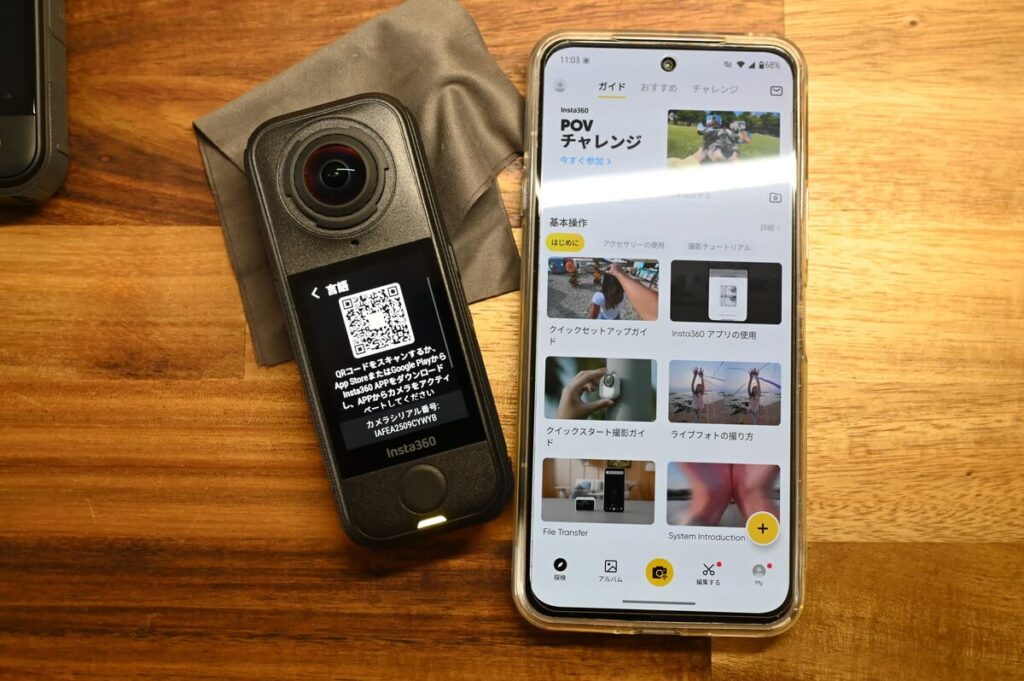
In terms of market positioning, theInsta360 X4 Air It's clearly being launched in a price range comparable to the Osmo 360.
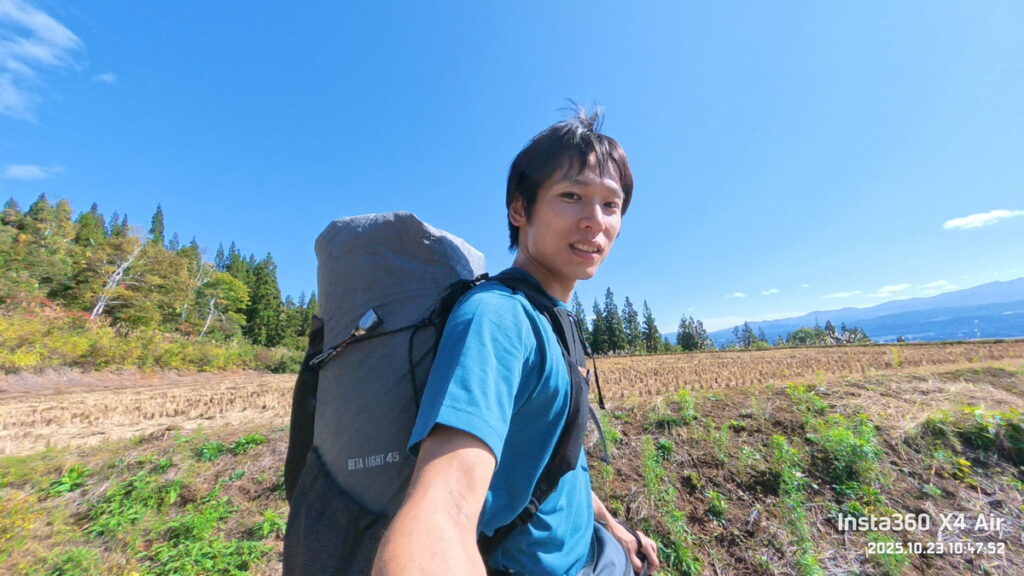
Moreover, the X4 Air is the lightest 360° camera since the ONE X2, and its portability is a huge plus when mounted on a selfie stick. I ski about 20 times a year, and holding the X4 (weighing 203g) for extended periods gets tiring, but the ultra-lightweight X4 Air is simply a perfect skiing camera for me.
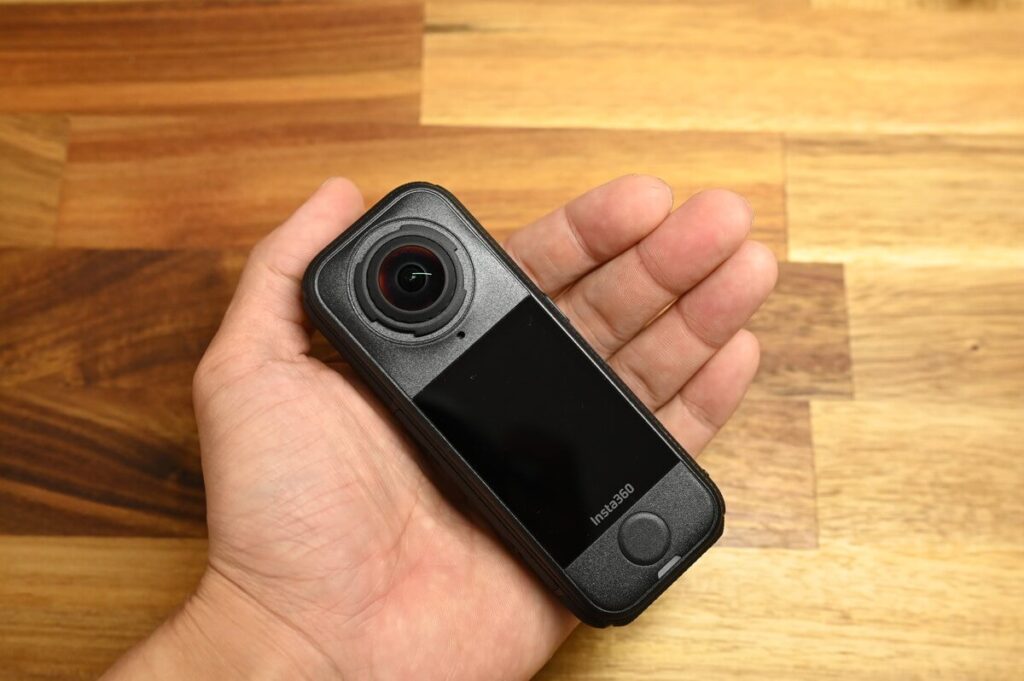
The X4 Air's image quality on sunny days is almost on par with the X5. For outdoor activities where portability is more important, such as skiing, camping, and mountain climbing, the X4 Air is recommended.
\ Use the link on this site to get a free gift, while stocks last /.
Professional Post-Production Option DJI Osmo 360
DJI Osmo 360 The three main advantages are.
- High frame rate for slow motion playback.
- Favourable shape for mounting on helmets
- Supports 10-bit D-log recording.
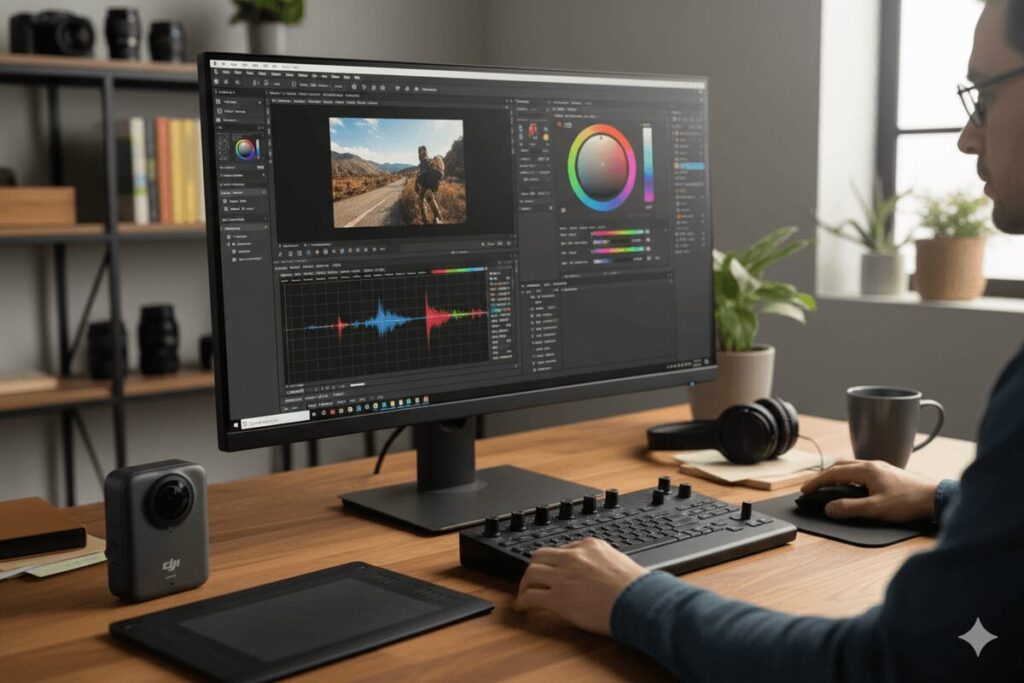
For those who can use software like Adobe Premiere Pro or DaVinci Resolve to post-process 360° video color and exposure, the Osmo 360 is the best choice.
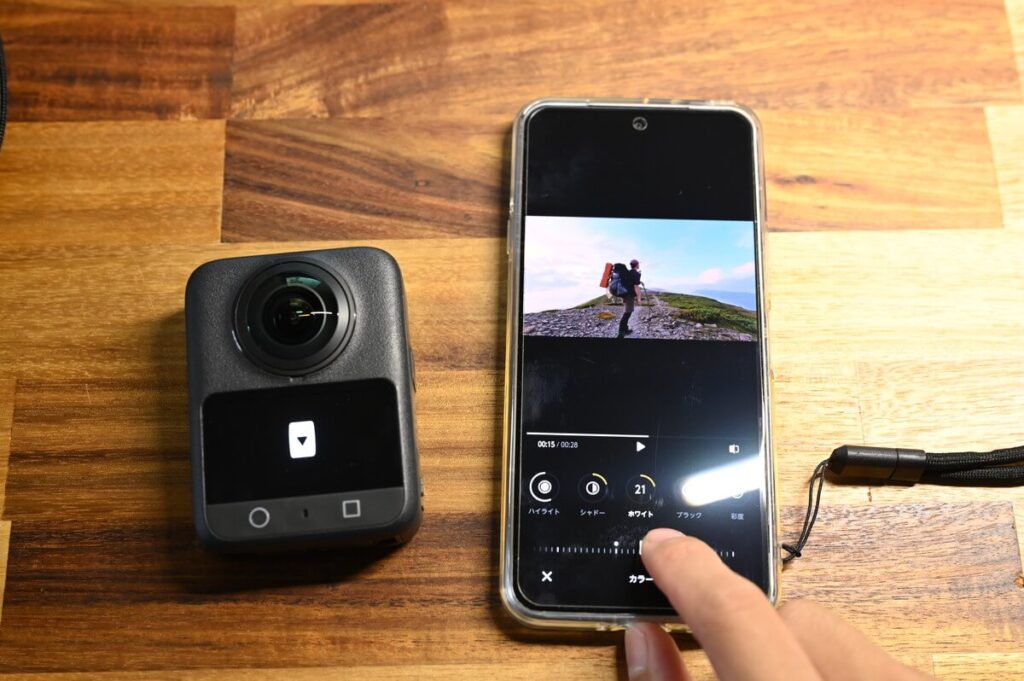
If you only use the DJI Mimo app for post-production, the experience isn't as good. 💦
DJI Osmo 360 Rather than positioning it as a mass-market 360-degree panoramic camera, it should be described as a professional 360-degree panoramic camera tailored for professional creators, capable of fully unleashing their creative potential.
In addition, the Osmo 360's body design is perfect for helmet mounting, and it can shoot high frame rate slow motion, making it a perfect match for scenarios such as ski jumping, skydiving, and skateboarding.
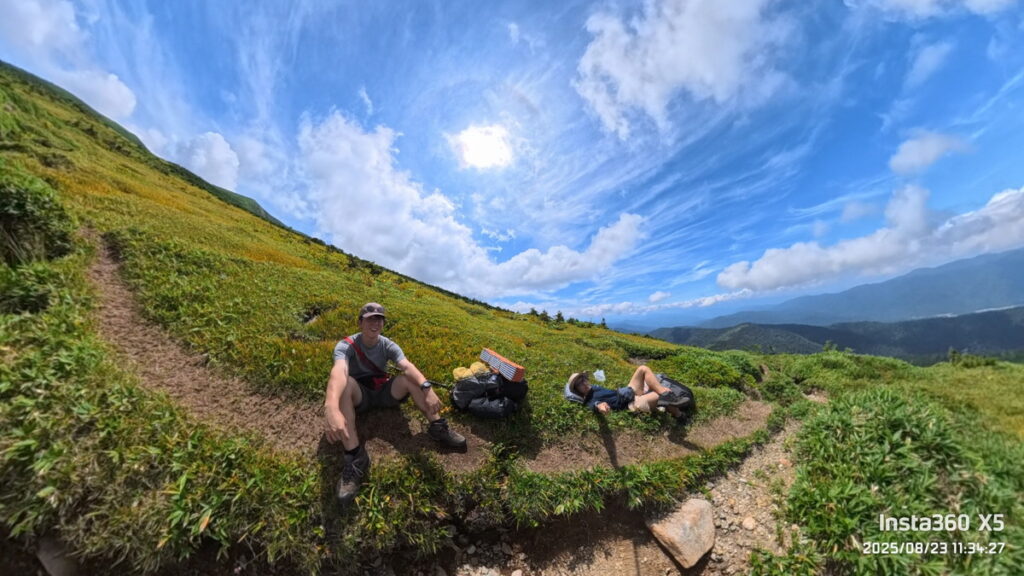

Microphone Performance
Regarding microphone performance, compared to the Osmo 360 with its windproof structure, the Insta360 X5 and X4 Air perform excellently in suppressing wind noise.
| X5 | X4 Air | Osmo 360 | X4 | |
|---|---|---|---|---|
| | | | |
| Windproof Microphone | ||||
| Vlog Mode | ||||
| Wind Noise |
With all three cameras in windshear reduction mode, the sound is a little quieter, but the windshear when cycling or moving is basically completely filtered out. In terms of Vlog mode, the DJI and Insta360 microphones are about even, but the X-series is much easier to use with its fine-tuned modes.
Below is a comparison video of Insta360 X5/Insta360 X4 Air/DJI Osmo 360 recorded in stereo mode, if you are interested, please click through to see it ↓.
Replaceable Lens
| Insta360 X5 | Insta360 X4 Air | DJI Osmo 360 | X4 | |
|---|---|---|---|---|
| | | | |
| Lens cover design can be changed | ||||
| Replaceable Lens Design |
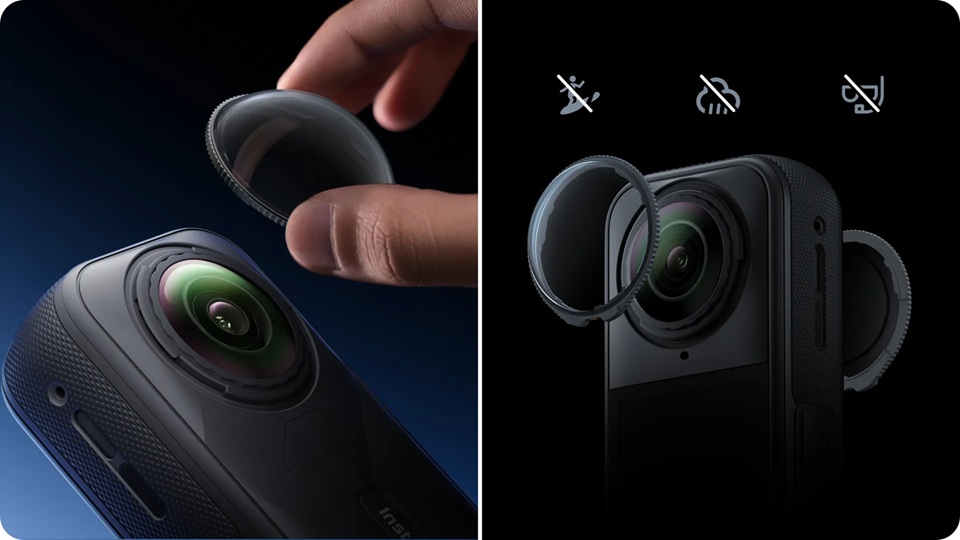
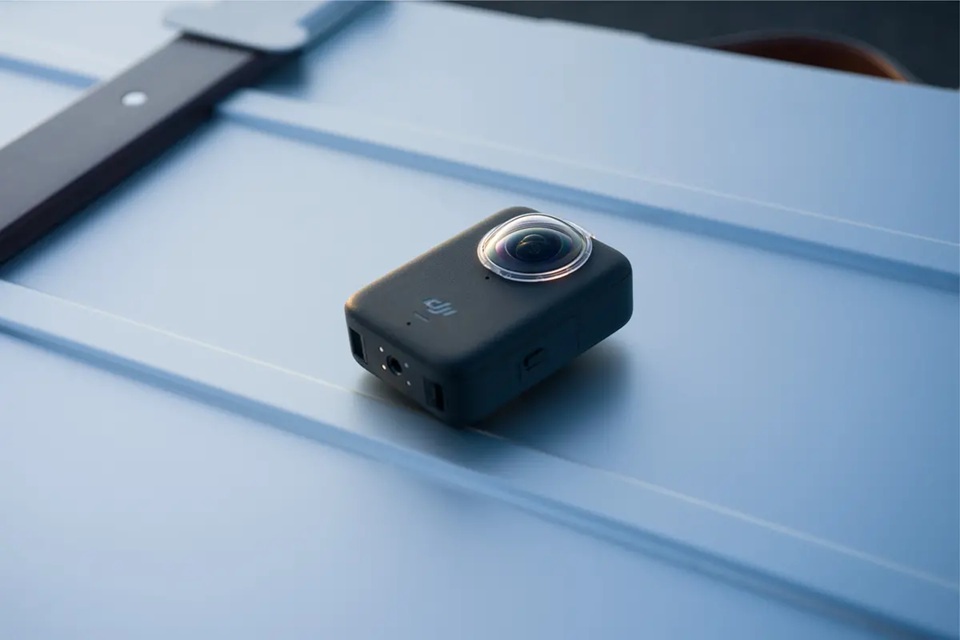
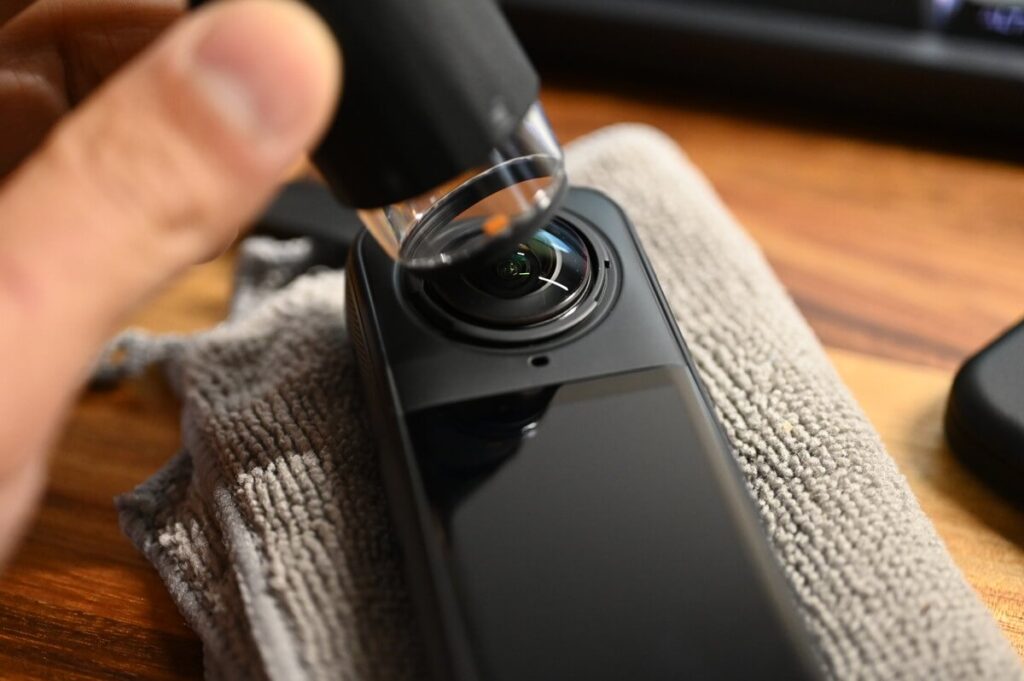
The Insta360 X series uses a twist-lock lens, while the DJI Osmo 360 uses a snap-on lens that attaches to the camera. Both are quite simple to use, but the Insta360 X5 and X4 Air have an automatic lens cap recognition function to prevent stitching errors, which is incredibly useful. While the Insta360 X4 doesn't have a replaceable lens, it comes with a lens cap.
Changing lenses on the Insta360 X5 and X4 Air is so easy; I really like this lens-changing design.
Battery
| X5 | X4 Air | Osmo 360 | X4 | |
|---|---|---|---|---|
| | | | |
| Battery Capacity | 2400mAh (2800mAh) | 2010mAh | 1950mAh | 2290mAh |
| 8K Recording Time | 85 points | 87 points. | 110 points | 75 points |
| Low Definition Recording Time | 208 points(235 points) (5.7K24fps) | 104 points (6K/24fps) | 190 points. (6K/24fps) | 135 points. (5.7K30fps) |
| Not easy to heat up |
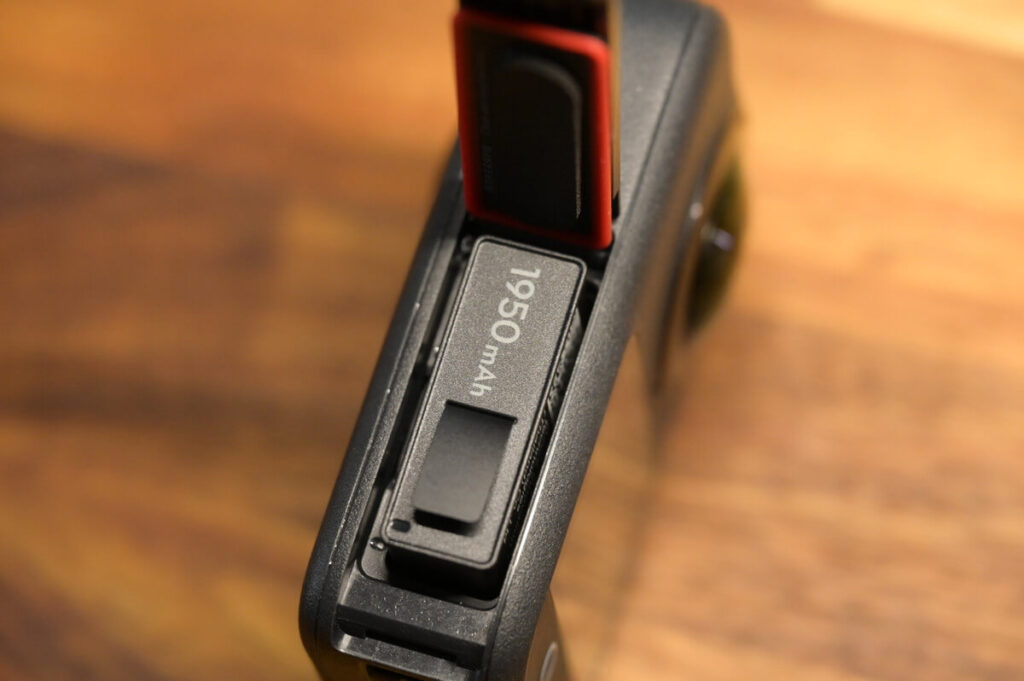
In terms of battery life,DJI Osmo 360 Even more advantageous, it can record 110 minutes of 8K video.
Waterproof
| X5 | X4 Air | Osmo 360 | X4 | |
|---|---|---|---|---|
| Waterproof | 15m | 15m | 10m | 10m |
| Diving Shell Support |
In terms of waterproof performance, the Insta360 X5 and X4 Air are quite good, supporting waterproofing up to 15 meters.
Built-in Memory
| Insta360 X5 | Insta360 X4 Air | DJI Osmo 360 | Insta360 X4 | |
|---|---|---|---|---|
| | | | |
| Built-in Memory |
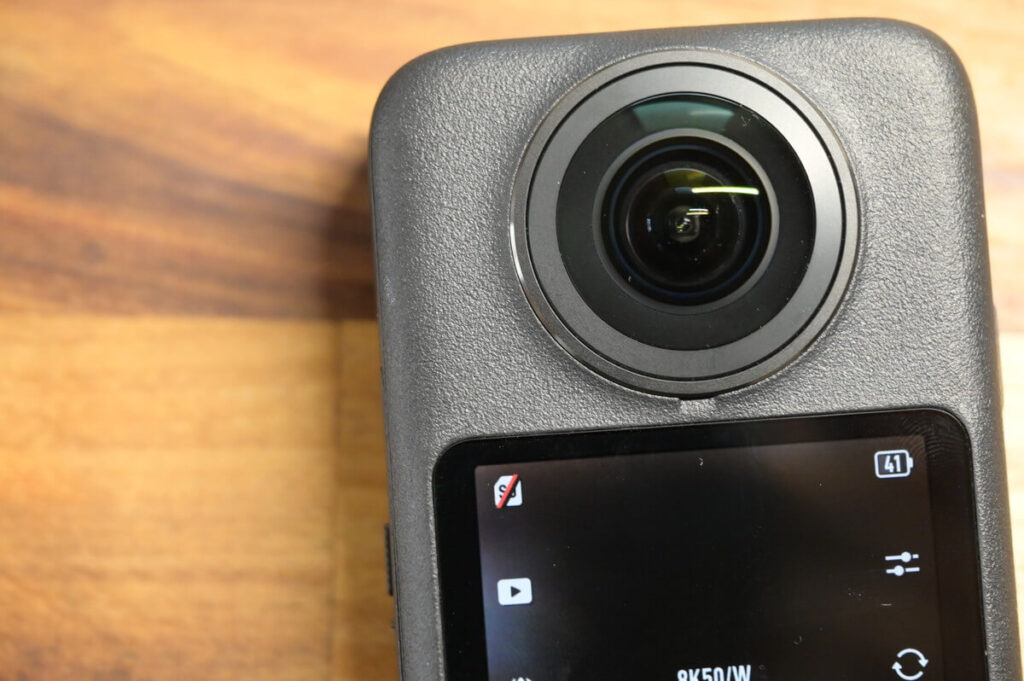
DJI Osmo 360 With 128GB of built-in storage, it's equivalent to saving the cost of an SD card.
For someone like me who is used to managing video files on a computer, built-in storage is a great solution, as I don't have to worry about forgetting to bring an SD card. However, the user experience of DJI Studio is really poor, which to some extent diminishes this advantage.
For those looking to buy a 360-degree panoramic camera, the X5 and X4 Air are top choices.
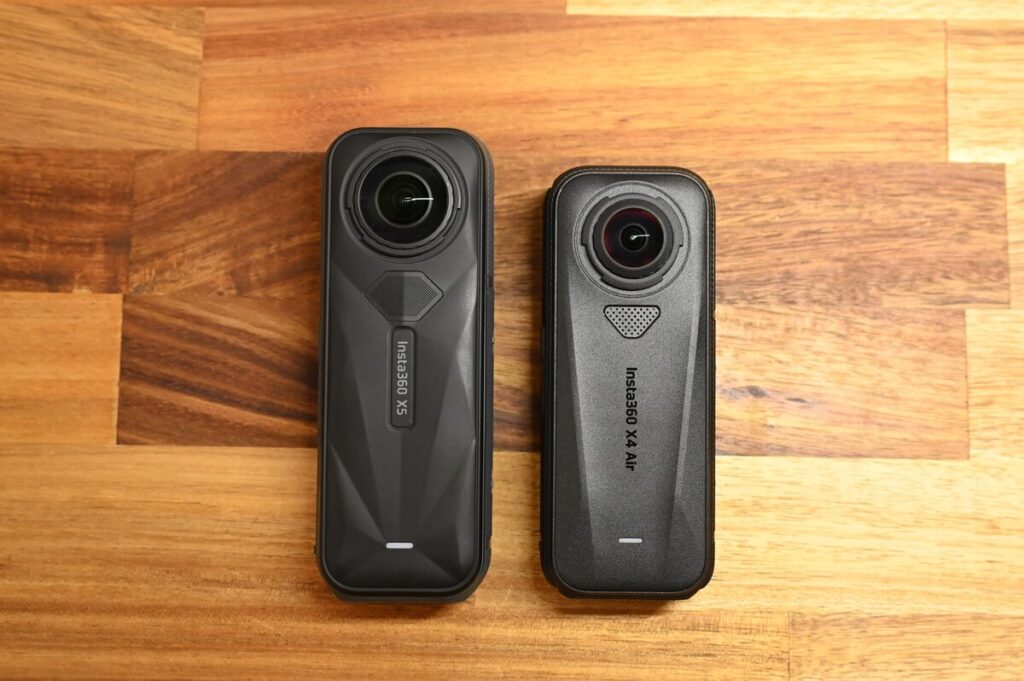
With these two cameras, the daytime image quality is very close to that of a monocular camera in terms of colour and contrast reproduction. Whether you're travelling or outdoors, you'll be satisfied with the picture quality in most scenes.
Furthermore, the Insta360 app boasts excellent stability and ease of use, allowing users to smoothly complete shooting and editing processes regardless of their background, resulting in a superb user experience. It's particularly worth mentioning that...Insta360 X5 Its dark photography performance is one of the best in the industry, and it's perfect for any scene, whether it's a night scene or a dimly lit room.

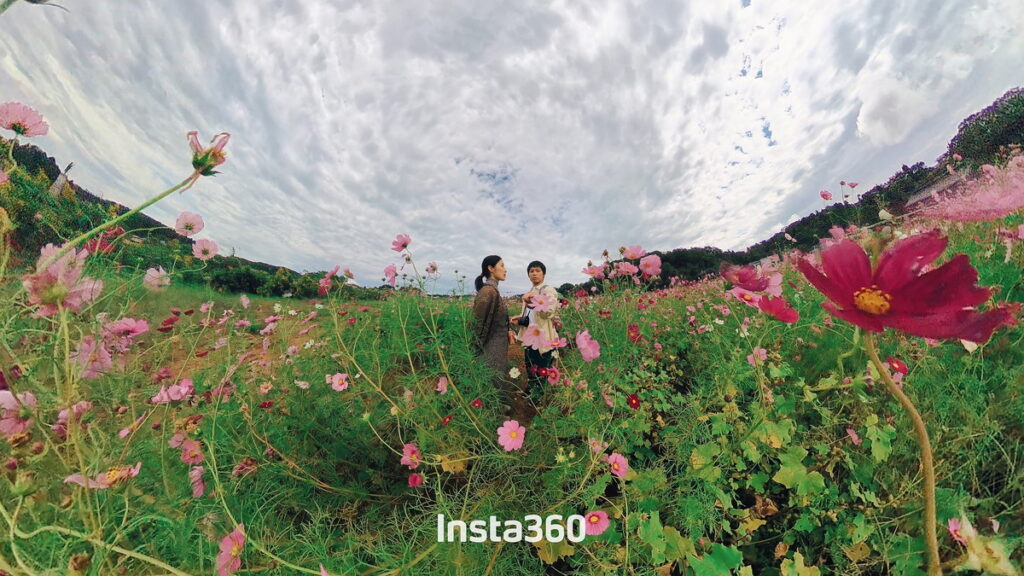
If you shoot mostly during the day and value "lightweight and easy to use", you might consider getting one. Insta360 X4 Air
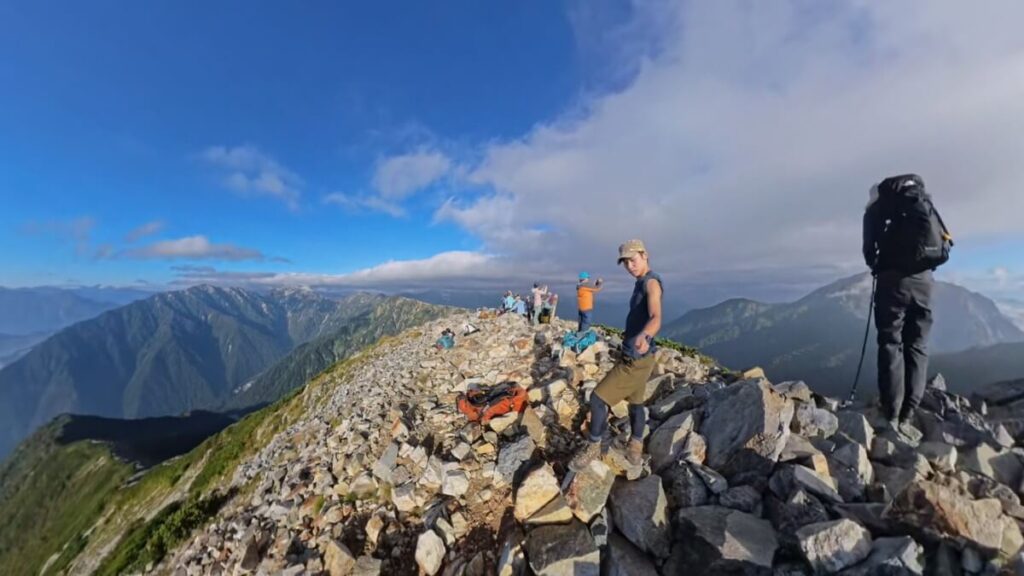
If you want to keep the cost as low as possible, for example, if you want to buy a special offer or a vintage phone, you can choose the Insta360 X4, but the X4 is a bit inferior to the Insta360 X4 Air in terms of battery performance and weight.
It's not as expensive as the Insta360 X5, and its low-light shooting performance is better than the Insta360 X4 Air. DJI Osmo 360 It's stuck in this middle position. However, this positioning is actually quite confusing. It seems that the DJI Osmo 360 is really suitable for people who do extreme sports or professional creators.
Here are some other panoramic camera reviews on this site.